Is Thrive Market Worth It? Honest Review for Smart Shoppers
Thrive Market has disrupted the organic and natural products space by positioning itself as an online membership-based marketplace offering discounted prices on premium goods. With membership fees ranging from $60 to $120 annually, the platform promises significant savings on organic groceries, supplements, and eco-friendly products. But does the reality match the marketing? This comprehensive review examines whether Thrive Market delivers genuine value or if you’re better off shopping elsewhere.
The organic grocery market continues to expand, with U.S. organic food sales projected to reach $71.8 billion by 2028. Thrive Market captures this growing demand by offering members exclusive access to premium products at prices typically 25-50% below traditional retail. However, membership fees and shipping costs require careful calculation to determine if this service actually saves money for your household.

Membership Structure and Pricing
Thrive Market operates on a membership model similar to Costco, requiring an upfront annual fee to access discounted prices. The platform offers three membership tiers: Standard ($60/year), Plus ($120/year), and a free trial period of 30 days. The Plus membership includes free shipping on orders over $49, while Standard members pay $9.95 per order or $99 annually for unlimited free shipping.
This pricing structure requires strategic evaluation. If you shop infrequently or prefer to consolidate purchases into fewer, larger orders, the Plus membership with free shipping may justify its cost. However, casual shoppers might find the $9.95 per-order fee reasonable without committing to the annual upgrade. Understanding consumer behavior patterns helps retailers like Thrive Market design pricing that appeals to different shopper segments.
The membership fee itself acts as a psychological commitment device. Research from McKinsey & Company on retail loyalty programs demonstrates that membership fees increase customer engagement and lifetime value. Thrive Market members, having paid upfront, tend to shop more frequently to recoup their investment, creating a virtuous cycle for the company.
Product Selection and Quality
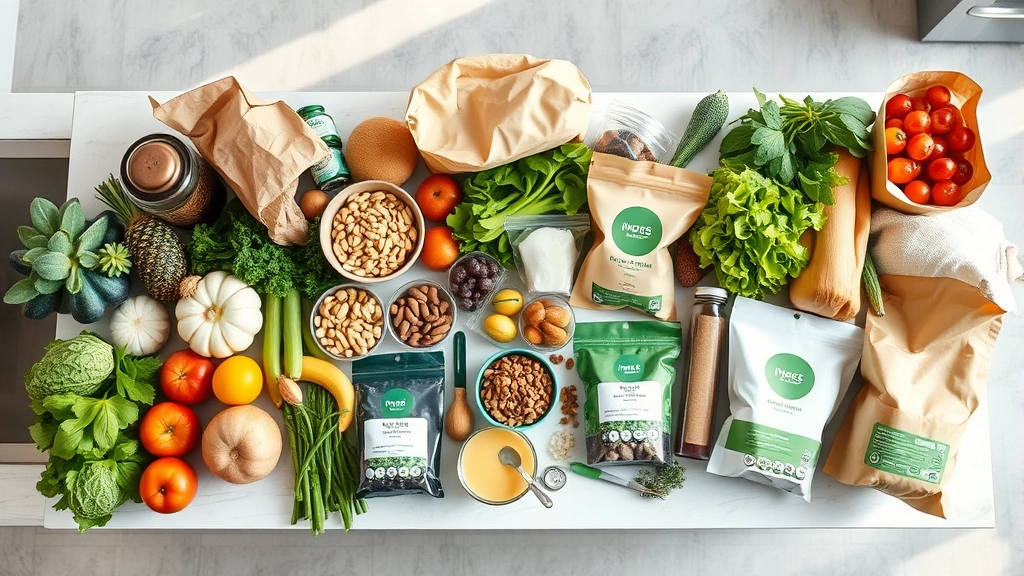
Thrive Market stocks over 5,000 products across multiple categories including organic groceries, non-GMO snacks, natural supplements, eco-friendly household items, and personal care products. The curation emphasizes quality and ethical sourcing, with particular strength in organic produce, grass-fed meat alternatives, and specialty dietary products.
For consumers following specific diets—keto, paleo, vegan, gluten-free, or allergen-conscious—Thrive Market’s filtering system proves invaluable. The platform allows detailed product searches by dietary restriction, certification status, and brand preference. Unlike traditional grocery stores where finding compliant products requires extensive label reading, Thrive Market’s categorization streamlines discovery.
The quality standards are verifiable. Products must meet organic certification, non-GMO project verification, or other third-party certifications to qualify for placement. This curated approach contrasts sharply with general e-commerce platforms where quality varies significantly. However, this selectivity also means fewer mainstream brands and budget options, potentially limiting appeal for price-conscious shoppers unconcerned with organic or natural certifications.
Pricing Analysis vs. Competitors
Determining whether Thrive Market offers genuine savings requires comparing total costs across platforms. Let’s analyze specific scenarios:
- Organic groceries: Thrive Market typically prices organic bananas at 15-20% below Whole Foods, organic milk 10-15% lower, and specialty items like organic almond butter 20-30% cheaper than traditional supermarkets
- Supplements: Brands like Garden of Life and Nature’s Way consistently price 25-40% below Amazon and health food retailers
- Household products: Eco-friendly cleaning supplies and personal care items show 30-45% discounts versus specialty retailers
However, these percentages require contextualization. When you factor in the $60-120 annual membership fee, break-even analysis becomes critical. A household spending $50 monthly ($600 annually) needs to achieve only 10% average savings to offset the Standard membership fee. Plus members spending $100+ monthly easily justify their investment through free shipping alone.
External research from Forbes Advisor’s online grocery comparison indicates Thrive Market ranks competitively against Amazon Fresh and Instacart for organic product pricing, particularly for specialty items. However, Consumer Reports’ grocery service analysis notes that general supermarket chains like Kroger and Safeway often match or beat Thrive Market prices on conventional products during sales.
The strategic advantage lies in specialty and organic categories where traditional retailers maintain higher markup percentages. For shoppers primarily purchasing conventional products, Thrive Market’s value proposition weakens considerably.
Shipping and Delivery Options
Thrive Market partners with third-party logistics providers to handle fulfillment and delivery. Standard shipping takes 5-7 business days, while expedited options (2-day and overnight) incur additional fees. The free shipping threshold of $49 for Plus members encourages larger basket sizes.
Shipping costs represent a hidden expense that significantly impacts overall value. A $60 order with $9.95 shipping represents a 17% surcharge on that purchase. This explains why the Plus membership ($120/year for unlimited free shipping) appeals to frequent shoppers. The break-even point occurs around 12-13 orders annually, making it attractive for households committed to regular purchases.
The company’s logistics efficiency has improved substantially. Supply Chain Dive reported on Thrive Market’s infrastructure investments in warehouse automation and regional fulfillment centers, reducing delivery times and improving reliability. This operational excellence translates directly to customer satisfaction and repeat purchases.
One notable limitation: Thrive Market doesn’t offer same-day or next-day delivery in most markets, unlike Amazon Fresh or Instacart. This restricts its utility for emergency grocery runs or last-minute meal planning needs.
Customer Experience and Support
User interface design significantly impacts the shopping experience. Thrive Market’s website and mobile app feature intuitive navigation, robust filtering options, and personalized recommendations based on browsing history. The checkout process is streamlined, requiring minimal steps to complete purchases.
Customer service responsiveness varies. The platform offers email and chat support, with typical response times of 24-48 hours. While adequate for non-urgent issues, this falls short of real-time phone support available at traditional retailers. However, the FAQ section and knowledge base address common questions comprehensively.
The membership value extends beyond shopping discounts. Thrive Market provides educational content including recipes, nutritional guides, and sustainability tips. This content marketing strategy builds community engagement and justifies membership beyond pure price savings. For environmentally conscious consumers, this mission alignment adds intangible value.
Product reviews on the platform help inform purchasing decisions. Unlike Amazon, where fake reviews proliferate, Thrive Market’s verified purchase system maintains higher review integrity. Consumers can filter by verified purchases, ensuring authentic feedback.
Return and refund policies are generous: 100-day money-back guarantees on most products, and full membership refunds within 30 days if unsatisfied. This risk-reversal approach builds trust and confidence, particularly for first-time users uncertain about membership value.
Sustainability Practices
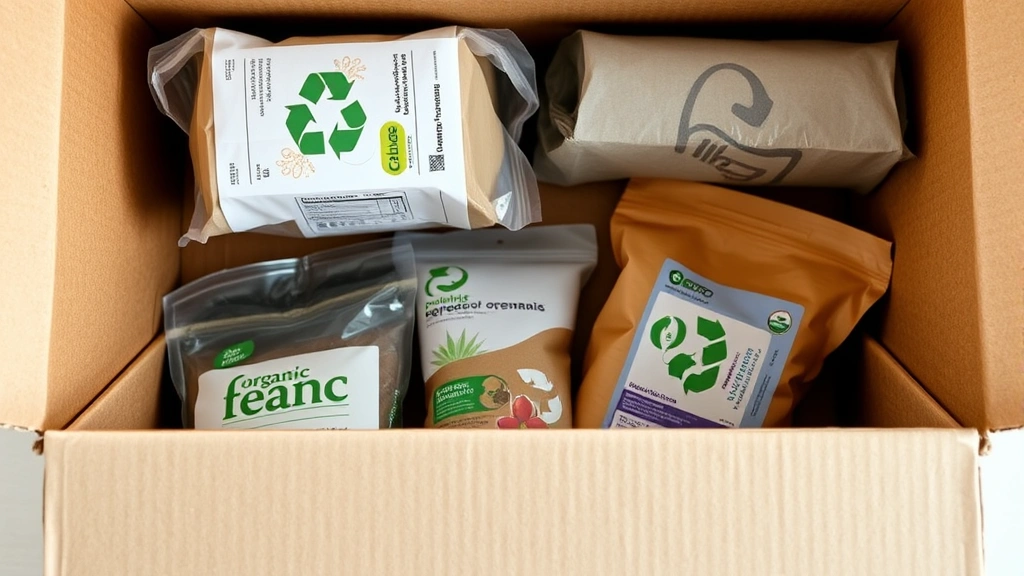
Thrive Market differentiates itself through environmental commitments. The company prioritizes sustainable packaging, partners with ethical suppliers, and offsets carbon emissions from shipping. For consumers whose values include environmental stewardship, these practices represent meaningful differentiation beyond price.
The platform publishes sustainability reports detailing carbon offsets, packaging waste reduction, and supplier labor practice audits. Transparency on environmental impact appeals to the growing demographic of conscious consumers willing to pay premium prices for aligned values.
However, critics note that online shopping inherently generates packaging waste compared to bulk purchasing at physical retailers. Thrive Market mitigates this through recyclable and compostable packaging options, but the net environmental benefit versus traditional shopping remains debatable depending on your baseline comparison point.
The company’s commitment to regenerative agriculture and fair trade partnerships adds authenticity to sustainability claims. Unlike greenwashing competitors, Thrive Market’s practices appear substantiated through third-party certifications and verifiable metrics.
FAQ
Does Thrive Market actually save you money?
Yes, for specific product categories. Organic groceries, supplements, and specialty items typically cost 20-40% less than traditional retailers. However, membership fees require minimum annual spending to achieve positive ROI. Calculate your baseline spending and compare against competitors before committing.
Is Thrive Market better than Whole Foods?
For online shopping convenience and bulk organic purchases, Thrive Market typically offers better pricing. However, Whole Foods provides immediate gratification, local sourcing options, and prepared food sections. The choice depends on whether convenience or price optimization matters more to your household.
Can you cancel Thrive Market anytime?
Yes. Memberships renew annually unless canceled. The platform honors 30-day refund requests if dissatisfied, and allows cancellation without penalties. This low-risk structure encourages trial memberships.
What payment methods does Thrive Market accept?
Major credit cards, debit cards, and PayPal are accepted. The platform doesn’t currently accept cryptocurrency or alternative payment methods, which may limit accessibility for some consumers.
How does Thrive Market compare to Amazon Fresh?
Thrive Market focuses on organic and specialty products with premium curation, while Amazon Fresh emphasizes convenience and speed with broader conventional product selection. For organic shoppers prioritizing savings, Thrive Market wins. For convenience-focused general grocery shopping, Amazon Fresh may prove superior depending on your market availability.
Are there any hidden fees?
Shipping costs for Standard members ($9.95 per order unless spending exceeds $35 without membership) represent the primary additional expense. Plus membership eliminates this on orders over $49. No hidden fees exist beyond standard membership terms.