Fort Collins Farmers Market: Local’s Guide to Shopping, Vendors, and Community Impact
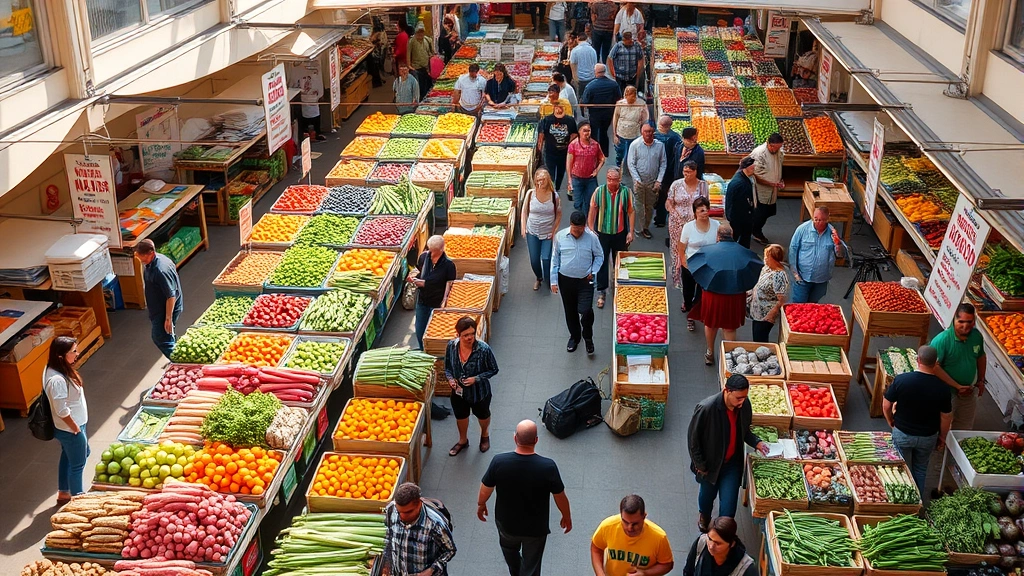
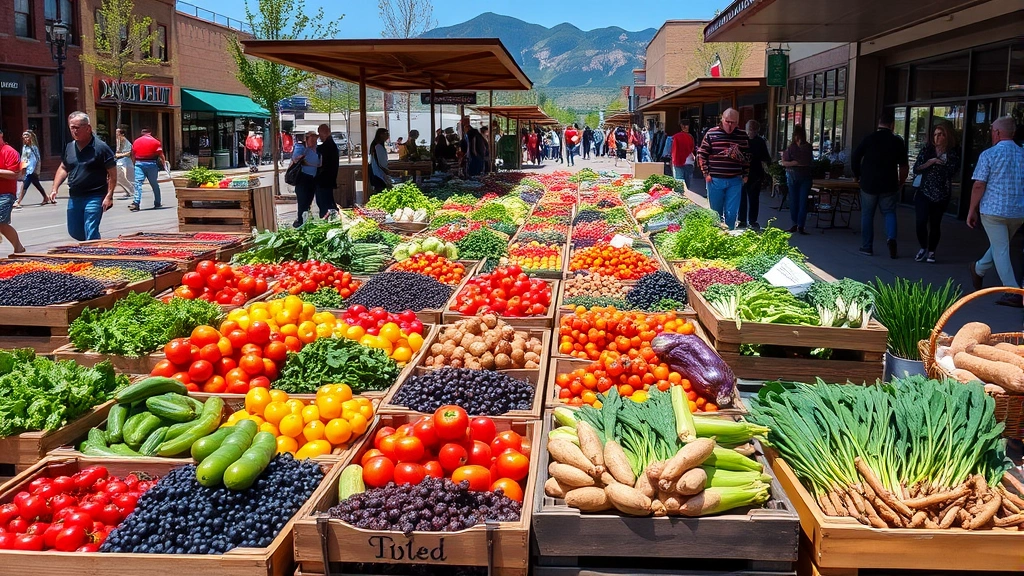
The Fort Collins Farmers Market stands as one of Colorado’s most vibrant community gathering spaces, attracting thousands of locals and visitors each week seeking fresh produce, artisanal goods, and meaningful connections with local farmers and producers. Operating seasonally and year-round depending on the venue, this market has become integral to the region’s food system, supporting small-scale agriculture while providing consumers direct access to farm-fresh products at competitive prices. Whether you’re a seasoned farmers market shopper or visiting for the first time, understanding the market’s structure, vendor offerings, and shopping strategies can significantly enhance your experience and help you maximize value.
Fort Collins’ commitment to supporting local agriculture reflects broader trends in consumer behavior, where consumers increasingly prioritize locally-sourced products and direct relationships with food producers. The farmers market serves as a physical manifestation of this shift, creating an ecosystem where farmers gain fair-market access, consumers receive superior quality products, and the community strengthens through regular interaction. This guide provides comprehensive insights into navigating Fort Collins’ farmers markets effectively, understanding vendor diversity, and leveraging your shopping experience for maximum nutritional and economic benefit.
Understanding Fort Collins Farmers Markets
Fort Collins operates multiple farmers market venues throughout the year, each serving distinct neighborhoods and operating schedules. The primary markets include the Old Town Farmers Market, which operates year-round and serves as the flagship venue, and seasonal markets in various neighborhoods offering residents convenient local shopping options. These markets function as more than retail spaces; they represent critical infrastructure for the region’s agricultural economy, providing farmers with direct-to-consumer sales channels that typically offer 40-60% higher margins than wholesale distribution.
The market ecosystem comprises diverse participant categories: established farmers operating multi-acre operations, small-scale growers focused on specialty crops, value-added producers creating jams and preserves, artisanal bakers, craft beverage makers, and prepared food vendors. This diversity creates a comprehensive shopping environment where customers can source complete meals from market participants alone. Understanding vendor classifications helps shoppers identify which producers align with their preferences regarding organic certification, sustainable practices, and product specialization.
Fort Collins Farmers Markets operate under specific regulations ensuring food safety and vendor legitimacy. All produce vendors must demonstrate agricultural production capability, maintaining records of growing practices and harvest dates. Prepared food vendors undergo health department certification, and artisanal producers comply with home-based food operation guidelines. These regulatory frameworks protect consumer safety while maintaining market integrity, distinguishing legitimate farmers markets from casual reseller operations.
Seasonal Operations and Locations
The Old Town Farmers Market operates year-round on Saturday mornings in downtown Fort Collins, providing consistent shopping access regardless of season. Summer operations (typically June through October) feature peak vendor participation with 80-120 vendors weekly, offering maximum product diversity and selection. Winter months (November through May) maintain 30-50 vendors specializing in storage crops, greenhouse production, and prepared goods, ensuring year-round local shopping options.
Spring and fall shoulder seasons present unique opportunities for transitional produce, with spring markets featuring early greens, asparagus, and perennial vegetables, while fall markets showcase abundant root vegetables, winter squash, and late-season berries. Understanding seasonal patterns allows shoppers to time purchases for peak availability and optimal pricing. Early morning shopping (arriving within 30 minutes of market opening) provides best selection, though experienced shoppers recognize that arriving mid-morning often yields vendor negotiations and bundle discounts as the market approaches closing.
Beyond the Old Town market, Fort Collins hosts neighborhood-specific seasonal markets in areas including Southside, Northside, and west Fort Collins locations. These satellite markets typically operate summer months only (June-September) on weekday evenings, serving residents seeking convenient local shopping without downtown travel. Checking the Fort Collins Parks and Recreation website provides current schedules, vendor lists, and special event information for all operating markets.
For additional context on market dynamics and strategy, explore our guide on finding markets near you, which covers regional market navigation and shopping optimization techniques applicable across various market formats.
Vendor Categories and Specializations
Produce Vendors: The market’s backbone comprises produce growers ranging from conventional to certified organic operations. Major producers include family farms growing staple vegetables (tomatoes, peppers, lettuce, root vegetables), berry specialists producing strawberries, raspberries, and blackberries, and specialty crop growers focusing on heirloom varieties, microgreens, or ethnic vegetables. Asking vendors about growing practices, pesticide usage, and harvest timing provides transparency regarding product quality and freshness.
Meat and Dairy Producers: Grass-fed beef, pasture-raised pork, and free-range chicken vendors represent Colorado’s growing regenerative agriculture movement. Dairy vendors offer cheese, yogurt, and milk products from small-scale operations emphasizing animal welfare and sustainable practices. These products typically cost 20-40% more than conventional supermarket alternatives but reflect true production costs and superior quality standards.
Value-Added Producers: Jam makers, bakers, honey producers, and prepared food vendors create shelf-stable and fresh products using market-sourced ingredients. These vendors provide convenient options for consumers seeking locally-made products without extensive preparation time. Many specialize in regional flavors and seasonal offerings unavailable through conventional retail channels.
Artisanal and Craft Vendors: Beyond food, many markets feature craft beverage producers (kombucha, cider, craft soda), prepared meal vendors, and specialty product makers. These businesses often operate under home-based food operation licenses or commercial kitchen arrangements, allowing entrepreneurs to build customer bases before scaling to larger facilities.
Understanding vendor specializations helps target shopping efforts effectively. Develop relationships with 2-3 produce vendors, 1-2 protein sources, and preferred artisanal producers, creating a reliable shopping routine that maximizes efficiency and supports consistent farm operations through repeat purchasing.
Shopping Strategies for Maximum Value
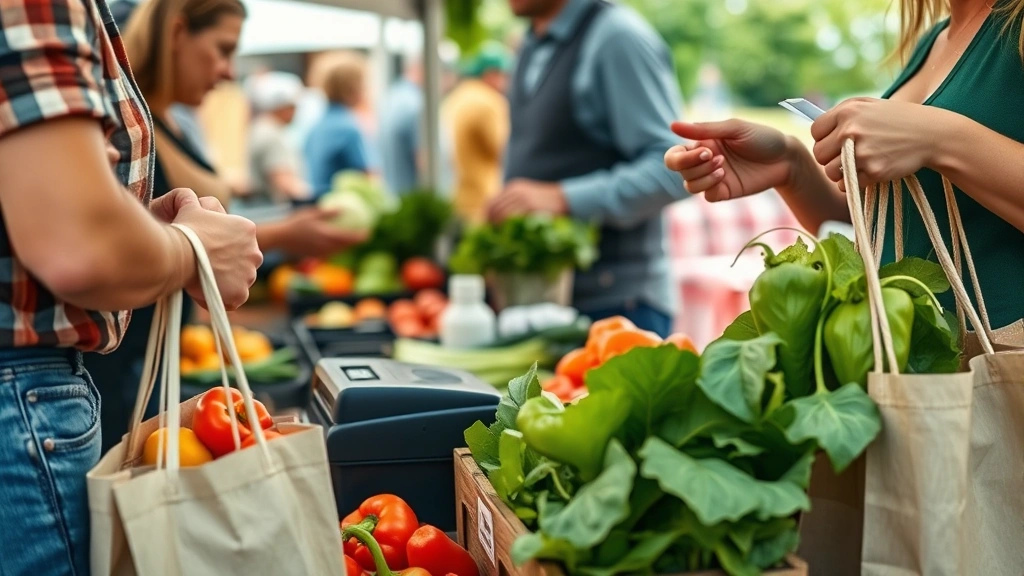
Timing and Logistics: Arrive early for optimal selection but mid-market for better pricing on bulk purchases. Bring reusable bags, cash (many vendors lack card processing), and a list of seasonal items to purchase. Shopping with a budget prevents impulse purchasing while ensuring you allocate funds strategically across product categories.
Bulk Purchasing and Preservation: Many vendors offer significant discounts for bulk purchases (half-bushels, flats of berries, multiple heads of lettuce). Buying in volume requires planning for preservation—freezing berries, canning jams, fermenting vegetables, or dehydrating produce extends the season and maximizes nutritional access. Understanding vendor marketing strategies reveals that farmers often price bulk purchases to move inventory before market close, creating genuine value opportunities for prepared shoppers.
Price Comparison and Negotiation: While farmers markets avoid aggressive price competition, comparing similar products across vendors reveals quality variations and pricing ranges. Respectful negotiation at market close often yields 10-20% discounts, particularly for produce requiring quick use. Establishing vendor relationships encourages loyalty pricing and advance notice of special offerings.
Quality Assessment: Learn to evaluate produce freshness by examining firmness, color intensity, and lack of damage. Ask vendors about harvest timing—produce picked that morning differs significantly from items harvested 2-3 days prior. Understanding these differences justifies premium pricing and ensures optimal nutritional value and flavor.
Budget Allocation: Allocate farmers market spending strategically: 40% produce, 30% proteins/dairy, 20% specialty items, 10% prepared foods. This allocation maximizes nutritional access while allowing exploration of specialty vendors. Seasonal produce typically offers better value than year-round items, suggesting shopping primarily for in-season items and supplementing with storage crops during off-seasons.
Seasonal Produce Guide
Spring (April-May): Asparagus, peas, early lettuce, spinach, radishes, green onions, rhubarb, and perennial herbs (chives, sorrel, mint) dominate spring markets. Prices remain elevated as supply transitions from winter storage to fresh production. Spring shopping emphasizes tender greens and early vegetables, supporting nutritional needs after winter months.
Summer (June-August): Peak production brings tomatoes, peppers, cucumbers, zucchini, beans, berries, stone fruits, and abundant herbs. Summer markets feature maximum vendor participation and product diversity. Prices reach annual lows in mid-to-late summer as supply peaks, creating optimal purchasing opportunities for preservation and bulk buying.
Fall (September-October): Transition season features late-season berries, apples, pears, fall squash, root vegetables, and brassicas. Markets remain robust through October, gradually shifting toward storage crops. Fall represents excellent timing for bulk purchasing winter storage vegetables and preservation projects.
Winter (November-March): Storage crops (potatoes, onions, root vegetables, winter squash), greenhouse production (lettuce, microgreens), and preserved products dominate. Vendor participation decreases but availability remains consistent. Winter markets emphasize value and nutrition through shelf-stable products and cold-hardy crops.
Aligning shopping with seasonal availability optimizes both nutrition and economics. Consuming produce at peak season ensures superior flavor and nutritional density while minimizing cost. This approach contrasts with conventional retail, which emphasizes year-round availability through long-distance distribution and storage, often sacrificing quality for consistency.
Community Impact and Economic Benefits
Fort Collins Farmers Markets generate substantial economic impact beyond individual transactions. USDA data indicates farmers markets generate $2+ billion nationally in direct agricultural sales, with local markets serving as economic anchors for surrounding neighborhoods. Fort Collins’ market ecosystem supports 150+ farming operations annually, representing significant employment and income generation for regional agriculture.
Direct-to-consumer sales through farmers markets typically capture 60-80% of retail product value, compared to 20-30% for wholesale distribution. This economic model enables small-scale farmers to maintain operations on limited acreage while building sustainable livelihoods. Market participation encourages agricultural land preservation and supports the region’s environmental sustainability goals.
Beyond economics, farmers markets generate community health benefits through improved produce access and nutrition education. Markets typically locate in downtown and neighborhood centers, reducing food access barriers for residents without private transportation. Nutrition research demonstrates farmers market shoppers consume 20-30% more fresh produce than conventional supermarket shoppers, supporting long-term health outcomes.
Environmental benefits include reduced transportation emissions through local sourcing, decreased packaging waste through bulk purchasing, and support for sustainable agricultural practices. Many Fort Collins farmers employ regenerative methods, building soil health and sequestering carbon while producing superior nutritional products. Supporting these operations through market purchases directly funds environmental stewardship.
For insights into developing effective market engagement strategies, review our comprehensive resource on creating marketing plans, which includes farmer-focused strategies for market participation and customer relationship development.
Building Relationships with Farmers
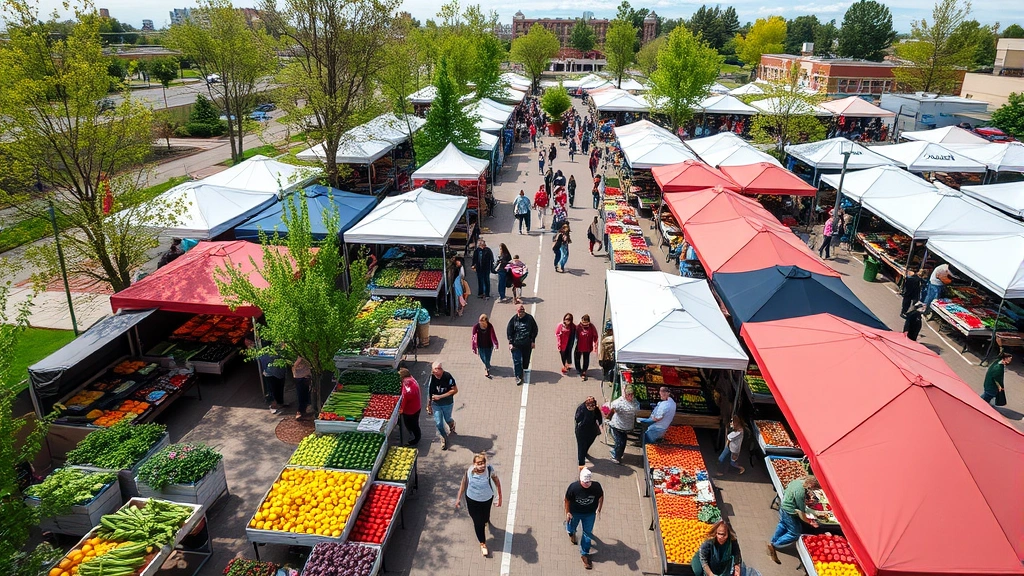
Successful farmers market shopping extends beyond transactional purchasing to develop genuine relationships with producers. Regular vendor interaction provides multiple benefits: advance notice of special offerings, priority access to limited-quantity items, custom growing requests, and loyalty pricing. Farmers value consistent customers, often reserving premium produce for regulars.
Effective Relationship Building: Learn vendor names, remember their operations’ details, and ask genuine questions about growing practices and seasonal challenges. Inquire about CSA (Community Supported Agriculture) programs, which provide weekly produce boxes at market-beating prices while guaranteeing farmer income. Many vendors offer CSA shares exclusively through farmers market relationships, creating deeper engagement and economic security.
Custom Growing Requests: Established vendors often accommodate requests for specific varieties or quantities if given advance notice. Discussing preferences at market close allows farmers to plan growing seasons around loyal customer needs, creating mutually beneficial arrangements. This collaboration strengthens community food systems while ensuring you receive products matching exact preferences.
Educational Engagement: Many vendors conduct farm tours, workshops, and cooking demonstrations showcasing their products and sustainable practices. Participating in these events deepens understanding of regional agriculture while building community connections. These educational opportunities differentiate farmers markets from conventional retail by providing transparency and expertise unavailable through supermarket channels.
Social Media and Communication: Many Fort Collins farmers maintain social media presence, sharing harvest updates, seasonal information, and advance notice of special items. Following vendor accounts provides market insights and enables strategic shopping planning. This digital engagement complements in-person relationships, maintaining connection between market visits.
Building vendor relationships transforms farmers market shopping from convenience purchasing into community participation. This engagement strengthens local food systems, supports agricultural sustainability, and creates meaningful social connections within neighborhoods. For strategic insights on building customer relationships in market environments, explore our discussion of market dynamics and community engagement through our comprehensive blog resource.
Practical Shopping Checklist and Resources
Pre-Market Preparation:
- Check market schedule and vendor lists on Fort Collins Parks and Recreation website
- Plan seasonal produce purchases aligned with current availability
- Prepare cash and reusable shopping bags
- Review previous shopping receipts to identify preferred vendors
- Develop preservation plan for bulk purchases
At-Market Activities:
- Arrive early for optimal selection or mid-market for pricing negotiations
- Sample products when offered to assess quality
- Ask vendors about harvest dates and growing practices
- Compare similar products across vendors for value assessment
- Inquire about bulk discounts and upcoming specialty items
- Collect vendor contact information for CSA and event updates
Post-Market Follow-Up:
- Store produce properly according to item-specific requirements
- Execute preservation plans within 24-48 hours of purchase
- Follow vendor social media for seasonal updates
- Provide feedback to vendors regarding satisfaction and suggestions
- Plan subsequent shopping trips based on seasonal transitions
FAQ
When does the Fort Collins Farmers Market operate?
The Old Town Farmers Market operates year-round on Saturday mornings, typically 8 AM to 1 PM. Summer markets (June-October) feature peak vendor participation with 80-120 vendors weekly. Seasonal neighborhood markets operate summer evenings. Check the Fort Collins Parks and Recreation website for specific schedules and any holiday closures.
Do farmers market vendors accept credit cards?
Many vendors now accept card payments through mobile processors, though cash remains the most widely accepted payment method. Bringing cash ensures hassle-free transactions and often qualifies you for small discounts. Inquire with individual vendors about payment options when establishing relationships.
Are farmers market products more expensive than supermarkets?
While farmers market prices occasionally exceed supermarket pricing for commodity items, quality and freshness justify premium costs. Bulk purchasing and mid-market shopping often reveals competitive pricing, particularly for specialty and seasonal items. The nutritional superiority and superior flavor of farmers market produce provide value beyond price comparison.
What should I look for when selecting produce?
Prioritize firmness, vibrant color, and absence of visible damage. Ask vendors about harvest timing—same-day harvest significantly outperforms produce picked 2-3 days prior. Build relationships with consistent vendors whose quality standards align with your preferences.
Can I request specific produce varieties?
Yes, established vendors often accommodate advance requests for specific varieties or quantities. Discuss preferences with farmers, providing 2-4 weeks’ notice when possible. This collaboration strengthens community food systems while ensuring you receive preferred products.
How should I store farmers market produce?
Storage varies by produce type: berries require refrigeration and use within 3-5 days; tomatoes and stone fruits store at room temperature; root vegetables keep in cool dark places for weeks; greens require refrigeration in sealed containers. Ask vendors for storage recommendations specific to items you purchase.
What are CSA programs and how do I join?
Community Supported Agriculture (CSA) programs involve purchasing shares of farm production, receiving weekly boxes of seasonal produce. Farmers market vendors often offer CSA shares exclusively through market relationships. CSA participation typically costs 20-30% less than equivalent farmers market purchases while guaranteeing farmer income.
Are farmers market products always organic?
Not necessarily. While many farmers employ organic practices, certification requires substantial documentation and fees. Ask vendors directly about their growing practices, pesticide usage, and any certifications they hold. Many small farmers use sustainable methods without pursuing formal organic certification.