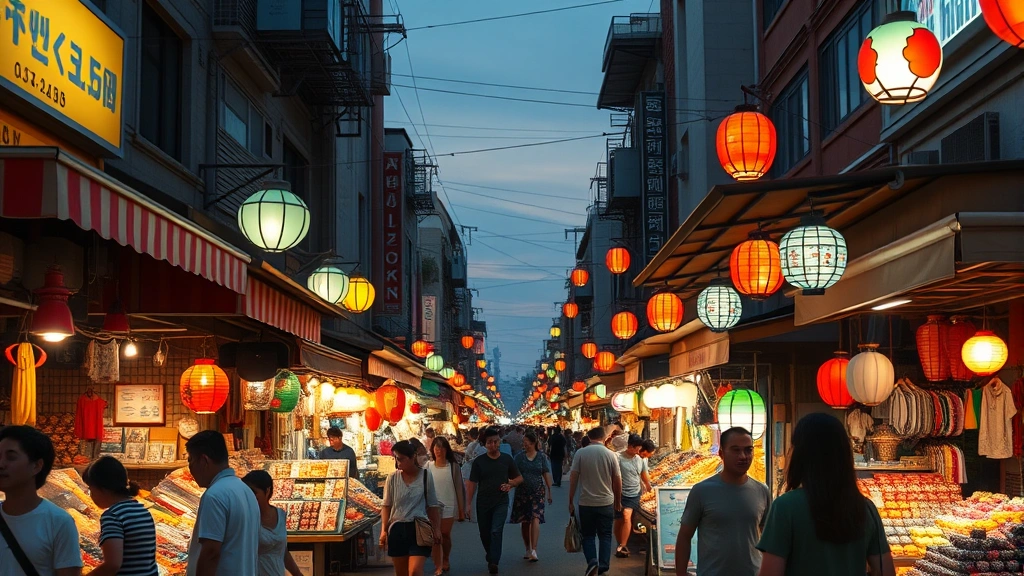
Ningxia Night Market: A Shopper’s Paradise Guide
The Ningxia Night Market stands as one of Asia’s most vibrant commercial destinations, attracting millions of visitors annually who seek authentic shopping experiences, street food, and cultural immersion. Located in Taipei, Taiwan, this legendary marketplace has evolved from a modest neighborhood gathering into a sophisticated retail ecosystem that blends traditional commerce with modern consumer expectations. Whether you’re a first-time visitor or a seasoned shopper, understanding the market’s dynamics, merchant strategies, and shopping patterns can transform your experience from casual browsing into strategic purchasing.
In today’s competitive retail landscape, night markets like Ningxia represent a fascinating case study in omnichannel commerce. The intersection of foot traffic, vendor optimization, and consumer behavior at this location offers valuable insights for anyone interested in market trends and retail evolution. This comprehensive guide explores every aspect of the Ningxia Night Market, from optimal shopping times to vendor selection criteria, helping you maximize value while supporting local businesses.
Understanding Ningxia Night Market’s History and Evolution
The Ningxia Night Market originated in the 1950s as an informal gathering of street vendors in the Datong District of Taipei. What began as a modest collection of pushcarts selling basic necessities has transformed into a sophisticated retail destination generating millions in daily commerce. This evolution mirrors broader shifts in how markets near communities adapt and grow.
The market’s expansion reflects changing consumer preferences and demographic shifts. Post-war Taipei saw rapid urbanization, creating demand for accessible shopping venues. Night markets filled this gap perfectly, operating during evening hours when workers could browse after employment. Over decades, vendor professionalization increased dramatically. Modern merchants employ sophisticated inventory management, pricing psychology, and customer relationship strategies that rival organized retail.
Today’s Ningxia Night Market encompasses approximately 200 registered vendors, with countless informal merchants operating seasonally. The market generates estimated annual revenues exceeding 500 million TWD (approximately 16 million USD). This commercial success stems from understanding fundamental retail principles: location accessibility, product variety, competitive pricing, and community engagement. Understanding these success factors provides context for effective marketing strategy for small businesses operating in similar environments.
Market Layout and Navigation Guide
Navigating Ningxia Night Market efficiently requires understanding its physical organization and merchant clustering patterns. The market spans approximately 600 meters along Ningxia Road, with secondary alleys branching into residential areas. Merchants naturally cluster by product category, creating distinct shopping zones that facilitate comparative purchasing and specialized browsing.
The main corridor features clothing and accessory vendors concentrated in the northern section, while food establishments dominate the central and southern areas. Electronics and home goods occupy side alleys, where rent costs remain lower despite solid foot traffic. This organic zoning emerged through decades of vendor negotiation and customer flow optimization—essentially a self-organizing retail system.
Smart navigation requires entering from the Minsheng Road entrance during peak hours, allowing you to work backward toward the Nanking Road exit. This counter-intuitive approach avoids congestion bottlenecks and positions you for optimal browsing. Most serious shoppers allocate 2-3 hours for comprehensive market exploration, allowing time for vendor interaction, price comparison, and product evaluation. The market’s physical layout mirrors successful digital marketing trends in 2025 emphasizing customer experience design—both prioritize intuitive navigation and strategic touchpoint placement.
Key Navigation Points:
- Minsheng Road entrance: Primary access point with widest corridor
- Ningxia Road central section: Maximum vendor concentration and foot traffic
- Nanking Road exit: Secondary exit reducing backtracking
- Side alleys: Lower-traffic zones ideal for deliberate shopping
- Parking areas: Limited street parking; recommend public transportation

Must-Visit Vendors and Product Categories
Successful shopping at Ningxia Night Market requires identifying vendors offering genuine value, quality products, and fair pricing. While the market attracts casual browsers, serious shoppers distinguish themselves through vendor research and category expertise. The most successful merchants have operated for 10+ years, maintaining consistent customer bases through reputation and reliability.
Clothing and Accessories Sector
This category represents approximately 35% of market vendors, featuring everything from contemporary fashion to vintage pieces. Established clothing merchants like those operating near the Minsheng intersection offer seasonal collections at 30-50% below mall pricing. These vendors source directly from manufacturers, eliminating middleman markups. Quality varies considerably; examine stitching, fabric weight, and construction before purchasing. Most reputable merchants offer exchange policies for sizing issues, demonstrating confidence in product quality.
Electronics and Digital Devices
The electronics section occupies side alleys where merchants negotiate lower rent costs. Vendors here typically stock phone accessories, charging devices, smart home gadgets, and computing peripherals. Prices remain competitive with online platforms, with advantages including immediate availability and physical inspection capabilities. Always verify product authenticity and request warranties; established vendors provide international warranties on major items.
Home Goods and Kitchenware
Kitchenware vendors dominate the central market sections, offering cookware, utensils, and food storage solutions. These merchants often source from regional manufacturers, providing access to products unavailable through conventional retail channels. Quality cookware from these vendors frequently matches or exceeds branded alternatives at substantially lower prices. Negotiation is culturally acceptable here; vendors expect 10-15% haggling on bulk purchases.
Cosmetics and Personal Care
Beauty product vendors concentrate near the Nanking Road section, offering skincare lines, makeup, and wellness products. Many merchants specialize in Korean or Japanese brands, providing authentic products at prices below duty-free shops. Verify product authenticity by checking manufacturing dates and batch codes; reputable vendors facilitate this inspection process willingly.
Shopping Strategies and Timing
Maximizing value at Ningxia Night Market requires strategic timing and informed purchasing approaches. The market operates Tuesday through Sunday from approximately 5 PM to midnight, with peak traffic between 7-10 PM. Understanding traffic patterns helps you optimize shopping efficiency and vendor interaction quality.
Optimal Shopping Windows
Tuesday through Thursday evenings attract primarily local shoppers rather than tourists, resulting in less crowding and more relaxed vendor interaction. This timing advantage allows extended conversation with merchants, enabling discussion of product origins, manufacturing processes, and pricing flexibility. Vendors often reduce prices slightly during these slower periods to maintain sales momentum.
Friday and Saturday evenings attract maximum foot traffic, with tourists and weekend shoppers creating congestion. While selection remains excellent, negotiation becomes more difficult as vendors prioritize volume over individual transactions. Sunday traffic falls between weekday and weekend levels, representing a compromise option for those with scheduling constraints.
Pricing and Negotiation Protocols
Price tags at Ningxia Night Market represent starting points rather than fixed prices, particularly for clothing, accessories, and home goods. Vendors expect negotiation, viewing the process as relationship-building rather than confrontation. Effective negotiation requires genuine interest in products, respectful communication, and realistic expectations. Requesting 10-15% discounts is standard; larger reductions occur with bulk purchases or multiple-item transactions.
Cash transactions often receive better pricing than card payments, as vendors avoid processing fees. However, modern merchants increasingly accept mobile payment platforms popular in Taiwan. Building vendor relationships through repeat visits yields long-term pricing advantages; merchants remember loyal customers and offer preferential rates.
Product Inspection Protocols
Examine products thoroughly before purchase, checking for defects, authentic branding, and manufacturing quality. Reputable vendors encourage this inspection, viewing transparency as confidence demonstration. Ask about product origins, manufacturing dates, and warranty coverage; merchants knowledgeable about inventory details typically offer higher-quality merchandise. Avoid impulse purchases; the most successful shoppers compare similar products across 3-4 vendors before deciding.
Food and Beverage Highlights
Beyond shopping, Ningxia Night Market functions as a culinary destination, with food vendors representing approximately 45% of market businesses. These establishments range from single-person operations to small restaurant concepts, collectively generating substantial revenue while providing authentic Taiwanese cuisine experiences unavailable in tourist-oriented restaurants.
Signature Food Experiences
The market’s most famous food vendors have achieved cult status, with customers queuing 30+ minutes during peak hours. Stinky tofu vendors near the central section serve fermented tofu in various preparations—fried, steamed, or in soups—with prices ranging from 40-80 TWD. The distinctive aroma intimidates newcomers, but the umami-rich flavor appeals to adventurous palates. Established vendors here have operated for 20+ years, perfecting fermentation processes and flavor profiles.
Oyster omelette vendors represent another signature experience, combining fresh oysters with egg batter in rapid wok preparations. These dishes exemplify street food efficiency, with vendors preparing multiple orders simultaneously while maintaining quality consistency. The combination of fresh seafood, quick cooking, and affordable pricing (typically 60-100 TWD) explains their popularity.
Bubble tea establishments have modernized the market’s beverage landscape, with vendors offering customizable drinks featuring fresh ingredients rather than syrups. These merchants compete directly with chain stores through superior quality and personalization, demonstrating how why marketing is important for business success extends to street-level commerce through reputation and word-of-mouth advantages.
Dessert and Snack Options
Mochi vendors, sesame ball specialists, and dessert crepe merchants create a comprehensive sweet treat ecosystem. These vendors source quality ingredients and employ traditional preparation methods, resulting in products substantially superior to factory-produced alternatives. Prices remain accessible (typically 30-60 TWD per item), making desserts impulse-purchase friendly.
Cultural Significance and Local Commerce
Ningxia Night Market represents more than commercial activity; it embodies Taiwanese cultural values emphasizing community, efficiency, and culinary tradition. The market functions as social infrastructure, providing gathering spaces for neighborhood residents, workers, and families. This cultural dimension distinguishes night markets from conventional retail, creating experiences that resonate emotionally beyond transactional satisfaction.
The market’s success reflects fundamental retail principles applicable across commerce sectors. Vendor specialization, inventory management, customer service excellence, and community integration create sustainable business models. Many merchants operate on remarkably thin margins (10-15%), sustaining themselves through volume and customer loyalty rather than price manipulation. This efficiency mirrors successful retail operations globally.
Local government recognition of night markets’ cultural and economic value has resulted in protected status and development investment. Unlike informal street markets in other cities, Ningxia operates with official sanction, vendor licensing, and sanitation oversight. This legitimacy provides customer confidence while protecting vendor investments in permanent stalls and equipment.
Digital Integration and Modern Shopping
Contemporary Ningxia Night Market increasingly incorporates digital commerce elements, challenging traditional assumptions about night market shopping. Mobile payment adoption has reached approximately 60% of transactions, with vendors accepting WeChat Pay, LINE Pay, and Apple Pay alongside cash. This digital integration expands market accessibility while maintaining traditional shopping experiences.
Some merchants maintain social media presence, posting daily inventory updates and promotional offerings. Instagram has become particularly important for clothing and accessory vendors, allowing them to reach customers beyond geographic proximity. This commercial adaptation reflects broader market dynamics where traditional retail increasingly blends with digital channels.
Delivery services have begun integrating night market food vendors, creating hybrid models combining street market authenticity with modern convenience. This evolution suggests night markets will remain relevant despite e-commerce growth, as they offer experiential value that digital shopping cannot replicate—personal interaction, product inspection, and community gathering.
The integration of technology into traditional markets demonstrates sophisticated understanding of consumer behavior. Vendors recognize that digital tools enhance rather than replace physical experiences, using technology to extend reach while maintaining the community-oriented atmosphere that distinguishes night markets from conventional retail.
FAQ
What are the official operating hours for Ningxia Night Market?
The market typically operates Tuesday through Sunday from 5 PM to midnight, though individual vendor hours vary. Peak traffic occurs between 7-10 PM. Some vendors may close earlier on slower evenings, so arriving by 10 PM ensures maximum vendor availability.
Is haggling expected at Ningxia Night Market?
Yes, negotiation is culturally accepted, particularly for clothing, accessories, and home goods. Vendors typically expect 10-15% haggling on listed prices. Food vendors generally maintain fixed prices due to quick transactions and lower margins. Respectful, good-natured negotiation strengthens vendor relationships.
What payment methods do vendors accept?
While cash remains common, approximately 60% of vendors now accept mobile payment platforms including WeChat Pay, LINE Pay, and Apple Pay. Card payments are less common but accepted at some establishments. Cash transactions may yield slightly better pricing due to eliminated processing fees.
Are products at Ningxia Night Market authentic and quality-assured?
Product quality varies considerably among vendors. Established merchants with 10+ years of operation typically offer reliable, authentic products. Examine items thoroughly before purchase, verify manufacturing details, and request warranty information. Reputable vendors encourage inspection and provide transparent product information.
How crowded does the market become during peak hours?
Friday and Saturday evenings between 8-10 PM reach maximum congestion, with thousands of shoppers creating challenging navigation conditions. Tuesday-Thursday evenings offer significantly less crowding, enabling more comfortable shopping and vendor interaction. Sunday traffic represents a middle ground between weekday and weekend patterns.
What should first-time visitors prioritize when shopping at Ningxia Night Market?
First-time visitors should allocate 2-3 hours for comprehensive exploration, arriving on a weekday evening to avoid peak congestion. Explore all sections to identify vendor clusters, sample signature food items, and develop familiarity with pricing standards. Return visits allow deeper vendor relationships and negotiation advantages.
Are there parking facilities near Ningxia Night Market?
Street parking is limited and often requires circling extensively. Public transportation provides superior accessibility; the market sits near multiple MRT stations and bus routes. Bicycle parking exists, and many local residents cycle to the market. Driving is generally not recommended during peak hours.


