Explore Market Square Knoxville: Local Insights & Economic Impact
Market Square Knoxville stands as one of Tennessee’s most vibrant commercial and cultural destinations, blending historic charm with modern retail and dining experiences. Located in the heart of downtown Knoxville, this iconic public square has evolved into a thriving marketplace that attracts both local shoppers and tourists seeking authentic community experiences. Understanding the dynamics of Market Square Knoxville reveals valuable insights into urban retail revival, local commerce trends, and how traditional marketplaces adapt to contemporary consumer behaviors.
The square represents more than just a shopping destination—it’s a testament to successful urban revitalization efforts that have transformed downtown Knoxville into a destination where commerce, culture, and community converge. For business owners, retail professionals, and market analysts, exploring Market Square Knoxville provides practical understanding of how local markets operate, what drives foot traffic, and how traditional public squares compete in the digital age. This comprehensive guide examines the market’s structure, economic significance, tenant diversity, and strategic positioning within the broader retail landscape.

History and Development of Market Square Knoxville
Market Square Knoxville’s origins trace back to the city’s founding, establishing itself as the commercial epicenter of downtown. The square has undergone significant transformation, particularly following major revitalization initiatives in recent decades. What began as a traditional farmers market evolved into a mixed-use urban plaza featuring permanent retail establishments, restaurants, and entertainment venues. This evolution reflects broader trends in how American cities reimagine public spaces as economic engines.
The square’s modern renaissance began in earnest during the 1990s and 2000s, when city planners recognized the potential to leverage the historic location for urban development. Strategic investments in infrastructure, pedestrian amenities, and merchant recruitment transformed Market Square from a declining downtown area into a destination retail environment. Understanding this historical context helps explain why the square maintains relevance today—it successfully balanced preservation of its heritage character with contemporary commercial needs.
According to city development reports, Market Square’s revitalization contributed significantly to downtown’s broader economic recovery. The square now serves as a catalyst for surrounding commercial development, with adjacent properties commanding premium values due to proximity to this high-traffic location. This pattern mirrors successful urban plaza models documented by placemaking professionals nationwide.
Market Square Layout and Tenant Mix
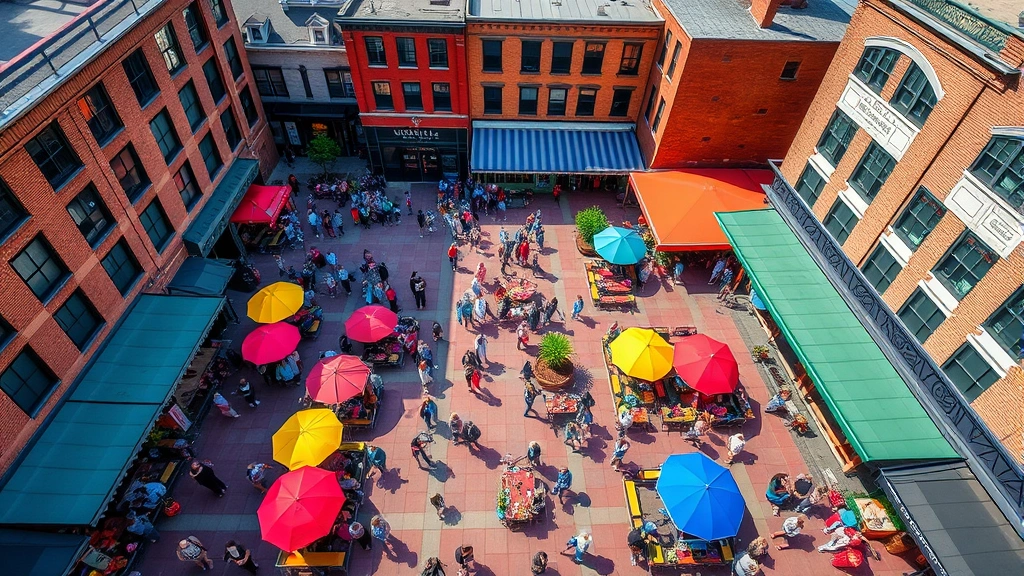
The physical layout of Market Square Knoxville strategically maximizes foot traffic flow while creating distinct retail zones. The square features multiple levels, covered pavilions, and open-air sections that accommodate different types of vendors and shopping experiences. This diverse spatial arrangement allows for seasonal flexibility—outdoor vendors during warm months, consolidated indoor offerings during winter months.
Tenant composition at Market Square reflects deliberate curation aimed at balancing local businesses with established brands. Independent retailers, local restaurants, and specialty shops occupy prominent positions alongside regional and national chains. This mix creates what retail professionals call “destination retail,” where customers visit specifically for the variety and unique offerings unavailable at conventional shopping centers. The markets near me concept highlights how location-based shopping experiences drive consumer engagement.
The tenant mix includes approximately 50-70 permanent retail and food service establishments, with fluctuating numbers of seasonal vendors. This composition generates diverse revenue streams through retail sales, food and beverage service, and entertainment. The variety ensures that Market Square appeals to multiple demographic segments—from budget-conscious shoppers seeking fresh produce to affluent diners patronizing upscale restaurants.
Retail and Dining Landscape
Market Square’s retail offerings span multiple categories, from specialty boutiques and gift shops to health-focused stores and local artisan retailers. The dining scene represents a significant draw, with establishments ranging from casual quick-service options to full-service restaurants featuring regional cuisine. This food-forward positioning aligns with national trends emphasizing experiential retail where dining and shopping intertwine.
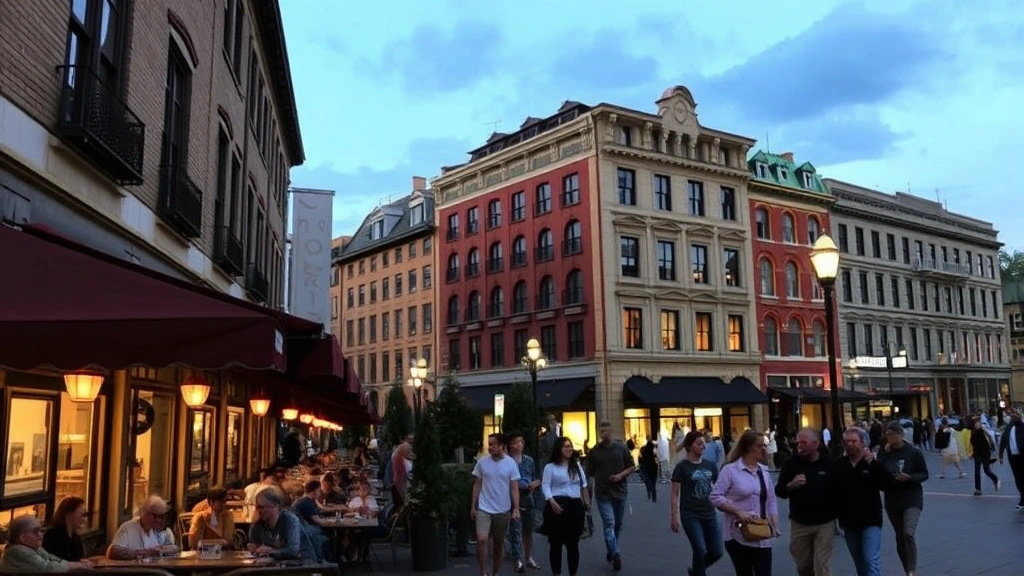
The square has become particularly known for locally-owned restaurants that source ingredients from regional suppliers, creating economic multiplier effects throughout East Tennessee. Many establishments feature outdoor seating on the square itself, creating vibrant streetscape activity that attracts additional customers. This activation of public space demonstrates how well-designed commercial environments generate self-reinforcing traffic patterns.
Specialty retail on Market Square emphasizes products aligned with local culture and visitor interests—artisan goods, Tennessee-made crafts, regional books, and lifestyle products. These retailers typically report strong performance compared to similar stores in traditional enclosed shopping centers, suggesting that the square’s ambiance and foot traffic justify premium rental rates. For insights on marketing strategy for small businesses, many Market Square merchants serve as case studies in leveraging location-based advantages.
Grocery and fresh produce offerings remain central to Market Square’s identity, honoring its historical roots while serving contemporary consumer demand for local and organic products. Farmers market components, though seasonal, maintain strong customer loyalty and generate weekend traffic that benefits adjacent retail establishments.
Consumer Traffic Patterns and Demographics
Understanding visitor patterns to Market Square Knoxville reveals important insights into urban retail dynamics. The square experiences peak traffic during weekends, particularly Saturday mornings and afternoons when farmers market activity peaks. Weekday traffic concentrates during lunch hours, driven by downtown office workers and service industry employees.
Demographic analysis shows Market Square attracts a diverse customer base spanning age groups, income levels, and geographic origins. Local residents comprise the consistent base traffic, while tourists represent a significant secondary market, particularly during peak travel seasons and special events. This dual-market approach provides revenue stability—locals support the square consistently while tourists drive seasonal revenue spikes.
Visitor data indicates that approximately 60-70% of Market Square customers make additional purchases beyond their primary shopping objective, suggesting strong cross-shopping patterns. The square’s open layout and diverse offerings encourage customers to extend their visits, increasing overall spending. This behavior contrasts with traditional shopping centers where customers typically visit specific stores with predetermined purchase intentions.
Age demographics skew toward both younger professionals and affluent retirees, demographic segments with higher discretionary spending and preference for experiential retail environments. Families with children also represent a substantial segment, particularly during weekend hours and seasonal events. Income levels tend toward middle to upper-middle class, reflecting both the square’s premium positioning and its appeal to value-conscious shoppers seeking quality and authenticity.
Economic Impact on Downtown Knoxville
Market Square’s economic significance extends far beyond direct retail sales. As a downtown anchor, the square generates substantial indirect economic activity through employment, tax revenue, and property value appreciation. The market basket news regularly highlights how successful public markets drive broader economic development.
Employment generated by Market Square extends across retail, food service, management, marketing, and maintenance functions. These jobs range from entry-level positions to professional management roles, supporting workforce development across income levels. Many establishments provide training opportunities for young workers entering the retail and hospitality industries.
Tax revenue generated through Market Square supports city services and infrastructure maintenance. Sales tax collections from retail transactions, restaurant meals, and beverage sales contribute meaningfully to municipal budgets. Additionally, property taxes on commercial real estate surrounding the square reflect value premiums created by Market Square’s presence and traffic-generating capability.
Real estate values in proximity to Market Square demonstrate significant appreciation compared to other downtown locations. Property owners within two blocks of the square command rental rates 15-25% higher than comparable properties elsewhere downtown, reflecting the value of proximity to high-traffic destinations. This appreciation creates opportunities for property owners while potentially creating affordability challenges for smaller retailers.
The square functions as an economic catalyst, attracting complementary businesses to surrounding locations. Hotels, office buildings, and residential conversions concentrate near Market Square, creating agglomeration effects that strengthen downtown’s overall economic performance. This clustering generates positive feedback loops where increased foot traffic supports additional business development.
Seasonal Events and Community Engagement
Market Square hosts numerous events throughout the year that drive traffic, enhance community engagement, and generate media attention. Seasonal events capitalize on the square’s outdoor spaces and draw visitors who might not otherwise visit downtown. These programming efforts represent strategic marketing investments that build brand equity and customer loyalty.
Spring events often emphasize farmers market expansion, outdoor dining activation, and community festivals celebrating local culture. Summer programming includes concerts, outdoor movie nights, and food truck events that leverage pleasant weather for extended outdoor activities. Fall events frequently focus on harvest themes, craft fairs, and holiday preparation activities. Winter programming emphasizes holiday markets, decorative lighting displays, and festive dining experiences.
Special events serve multiple functions: they generate direct revenue through event fees and increased retail sales, they attract new customers who discover the square’s permanent offerings, and they strengthen community identity and social cohesion. Media coverage of major events extends Market Square’s reach beyond immediate geographic markets, supporting tourism marketing objectives.
Community engagement extends beyond special events. The square functions as a gathering place for civic activities, political events, and social movements. This social function enhances the square’s cultural significance and deepens community attachment, creating emotional connections that drive repeat visitation and customer loyalty.
Challenges and Competition in Urban Retail
Despite its success, Market Square Knoxville faces significant competitive pressures and operational challenges. E-commerce competition represents the most substantial long-term threat, as online shopping reduces customer dependence on physical retail locations. Market Square merchants must emphasize experiential and convenience advantages that online retailers cannot replicate.
Competition from suburban shopping centers and big-box retailers continues to pressure Market Square’s traditional retail tenants. Suburban locations offer ample parking, climate-controlled environments, and consolidated shopping experiences that appeal to convenience-focused customers. Market Square counters these advantages through ambiance, authenticity, and community positioning—factors that resonate with experience-seeking consumers.
Weather presents operational challenges, particularly for outdoor retail and dining components. Winter weather reduces foot traffic and limits outdoor activities, compressing revenue into limited months. Seasonal variability creates cash flow challenges for merchants and complicates workforce planning and inventory management.
Parking availability affects visitor convenience and traffic generation. Downtown parking constraints may discourage some potential customers, particularly those from suburban areas accustomed to abundant free parking. Addressing parking challenges requires ongoing investment in parking infrastructure and management systems.
Tenant retention and recruitment represent ongoing challenges as rental rates increase with property values. Smaller retailers and independent merchants may struggle with rising occupancy costs, potentially leading to tenant turnover and loss of the authentic merchant mix that distinguishes Market Square from generic retail developments. Balancing economic viability for merchants with property owner revenue objectives requires careful management.
Future Outlook and Development Opportunities
Market Square Knoxville’s future trajectory appears positive, supported by continued downtown revitalization momentum and consumer preference for authentic retail experiences. Strategic opportunities exist for enhanced programming, physical improvements, and merchant recruitment aligned with emerging retail trends.
Technology integration offers significant opportunities for enhancing the customer experience while addressing operational efficiency. Mobile applications providing real-time merchant information, event calendars, and personalized promotions can drive traffic and increase customer engagement. Digital payment systems and loyalty programs can track customer behavior and support targeted marketing.
Residential development surrounding Market Square represents a strategic opportunity for increasing foot traffic and creating a permanent customer base. Converting vacant downtown buildings to residential use brings residents within walking distance, supporting consistent weekday traffic for retail and dining establishments. This residential density creates the urban vitality that distinguishes successful downtowns from struggling ones.
Sustainability initiatives align with consumer preferences and operational efficiency. Investments in renewable energy, water conservation, and waste reduction appeal to environmentally conscious customers while reducing operating costs. Green initiatives also support municipal sustainability objectives and may qualify for funding opportunities.
Enhanced merchant support services can improve tenant profitability and retention. Shared marketing programs, cooperative purchasing arrangements, and business development resources can strengthen the merchant community. The Market Rise Hub Blog regularly explores strategies for supporting local retail communities.
Expansion of farmers market operations and seasonal vendor programs can increase authenticity and community connection while generating incremental revenue. Supporting local producers and artisans aligns with consumer preferences for local products and strengthens the square’s positioning as a community gathering place.
Strategic partnerships with tourism organizations, hospitality providers, and regional destinations can expand Market Square’s visitor base. Positioning the square as a must-visit destination for regional tourists creates incremental revenue without displacing local customers. Collaboration with regional tourism organizations can enhance these efforts.
Understanding digital marketing trends 2025 will be essential for Market Square merchants seeking to remain competitive in evolving retail environments. Merchants who effectively integrate digital and physical retail experiences will outperform those relying solely on traditional approaches.
FAQ
What are Market Square Knoxville’s operating hours?
Operating hours vary by individual merchant, though most retail establishments operate between 10 AM and 6 PM on weekdays and extended hours on weekends. Farmers market vendors typically operate Saturday mornings and early afternoons. Restaurants often operate later into evening hours. Specific hours should be verified with individual merchants or the downtown Knoxville visitor center.
Is parking available at Market Square Knoxville?
Limited on-street parking exists around Market Square, with additional parking available in nearby municipal and private parking facilities. Downtown Knoxville operates several parking structures within walking distance. Peak parking demand occurs on Saturday mornings during farmers market operations. Planning visit timing to avoid peak hours can improve parking availability.
What types of events does Market Square host?
Market Square hosts seasonal events including farmers markets, outdoor concerts, food festivals, craft fairs, holiday markets, and community celebrations. Event scheduling varies throughout the year, with peak programming during spring and summer months. Current event information is available through downtown Knoxville’s official website and social media channels.
Are there dining options at Market Square Knoxville?
Yes, Market Square features multiple dining establishments ranging from casual quick-service restaurants to full-service dining venues. Options include local restaurants emphasizing regional cuisine, casual cafes, and specialty food vendors. Outdoor seating on the square provides pleasant dining ambiance during favorable weather.
How has Market Square Knoxville adapted to changing retail trends?
Market Square has adapted through enhanced event programming, improved pedestrian amenities, merchant recruitment emphasizing unique local businesses, and integration of experiential retail elements. The square emphasizes its community gathering function, authentic merchant mix, and distinctive atmosphere as competitive advantages against e-commerce and suburban retail alternatives. Continued adaptation will likely include technology integration and residential development in surrounding areas.