Top Christmas Markets in Europe: Traveler Picks for 2024-2025
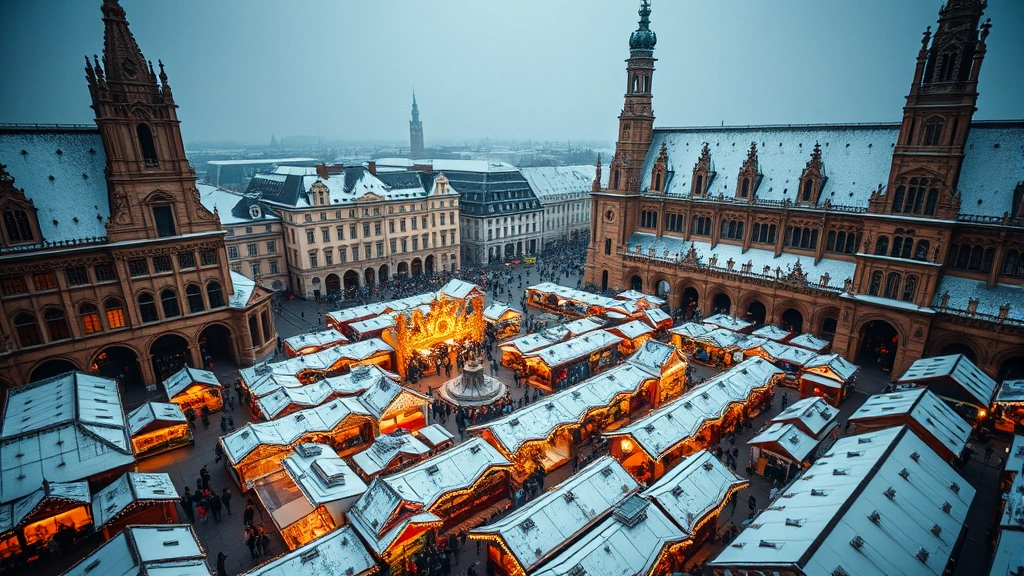
Europe transforms into a winter wonderland each December, drawing millions of visitors to its enchanting Christmas markets. These festive gatherings have become essential seasonal destinations, blending centuries-old traditions with modern shopping experiences. From the snow-dusted Alps to medieval city squares, Christmas markets across Europe offer authentic cultural immersion, artisanal crafts, and culinary delights that commercial retailers struggle to replicate. This comprehensive guide explores the continent’s most celebrated markets, drawing insights from seasoned travelers, tourism boards, and cultural institutions.
The European Christmas market phenomenon extends beyond simple gift-buying; it represents a cultural institution where communities celebrate heritage, artisans showcase handcrafted goods, and visitors experience genuine human connection. Understanding the nuances of Europe’s top markets helps travelers maximize their experience while supporting local economies and traditional craftsmanship. Whether you’re seeking architectural splendor, gastronomic adventures, or authentic holiday atmosphere, this traveler’s guide identifies the markets that consistently deliver exceptional experiences.
Strasbourg: The Capital of Christmas Markets
Strasbourg claims the distinction of hosting Europe’s oldest and most extensive Christmas market system, with historical records documenting market traditions dating back to 1570. The city’s strategic location in the Alsace region, combined with its architectural charm and cultural significance, creates an unparalleled festive environment. Travelers consistently rank Strasbourg’s markets as the gold standard, with over 300 wooden chalets sprawling across multiple city squares and streets.
The main market centers on Place Kléber and Place Broglie, where visitors encounter a carefully curated selection of artisanal goods, regional wines, and traditional Alsatian delicacies. The Strasbourg tourist board reports annual attendance exceeding 2 million visitors, making it the world’s largest Christmas market by visitor volume. The market’s success stems from strict vendor selection processes that prioritize authentic handcrafted items over mass-produced merchandise.
Strasbourg’s marketing strategy for small businesses demonstrates how traditional markets maintain competitive advantage through quality curation and experiential focus. Local artisans benefit from year-round brand building, with many establishing direct relationships with repeat customers who return annually. The mulled wine (Vin Chaud) served throughout the market has become iconic, with recipes passed through generations and regional variations celebrated by connoisseurs.
Vienna’s Imperial Festive Tradition
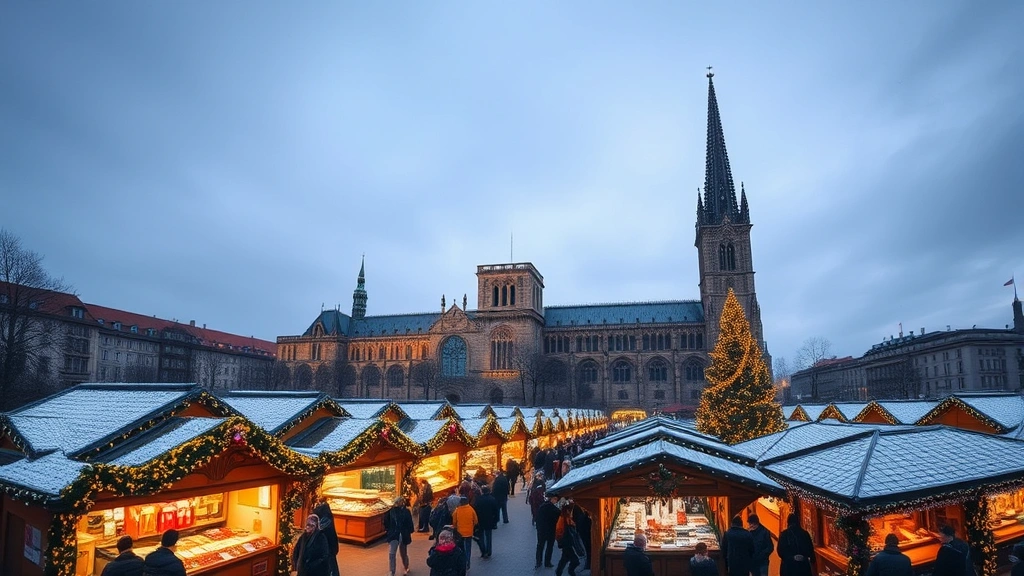
Vienna’s Christmas markets embody imperial elegance, reflecting the city’s historical status as the Austro-Hungarian Empire’s cultural center. The Schönbrunn Palace market operates within the palace grounds, offering visitors the unique experience of shopping beneath baroque architecture while snow falls on manicured gardens. This setting creates an atmosphere that transcends typical market experiences, delivering theatrical grandeur combined with intimate shopping moments.
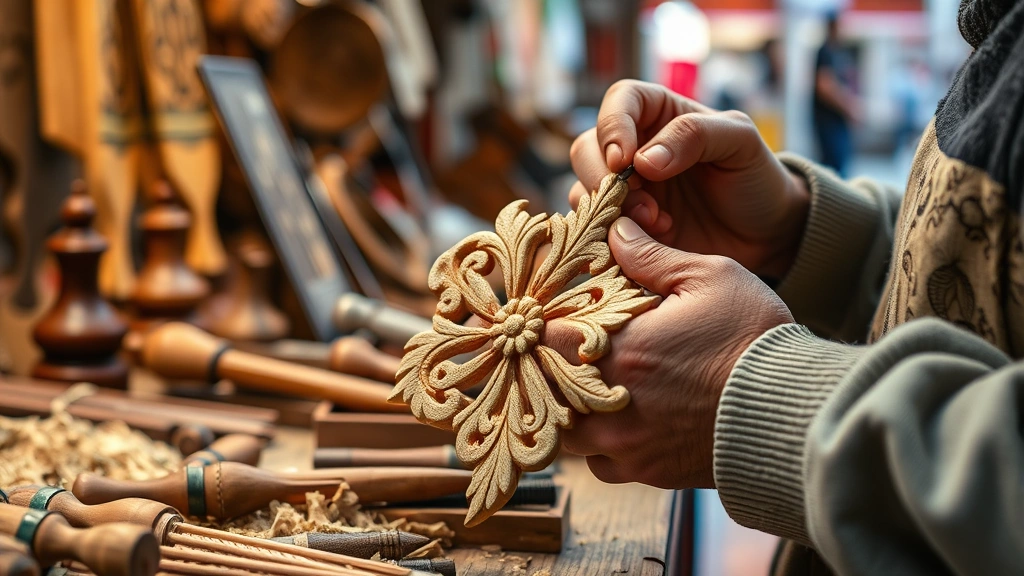
The Stephansplatz market, centered around the magnificent St. Stephen’s Cathedral, attracts approximately 3 million annual visitors according to Vienna’s official tourism portal. The cathedral’s Gothic spires frame vendor stalls, creating photogenic scenes that have made Vienna’s markets Instagram phenomena. However, seasoned travelers emphasize that Vienna’s true value lies beyond social media moments—the markets showcase Austrian craftsmanship, from hand-blown glass ornaments to intricately carved wooden nativity scenes.
Visitors should explore lesser-known markets like the Karlsplatz market, which attracts fewer tourists while maintaining authentic vendor relationships. The markets near me approach helps travelers discover neighborhood-level celebrations that offer genuine community engagement. Vienna’s Christmas markets typically operate from mid-November through December 26, with extended hours during peak shopping periods.
Cologne’s Rhine-Side Spectacle
Cologne’s Christmas markets leverage the Rhine River’s romantic setting to create visually stunning commercial environments. The Alter Markt market unfolds before the city hall’s Gothic facade, while the Cathedral market operates in the shadow of the UNESCO World Heritage Cologne Cathedral. This architectural context elevates the market experience, transforming shopping into cultural pilgrimage.
The city operates nine distinct Christmas markets across different neighborhoods, allowing visitors to experience varying market personalities. The Rheinauhafen market combines festive commerce with waterfront ambiance, while the Weihnachtsmarkt am Heumarkt emphasizes regional Rhineland traditions. This distributed market approach reflects sophisticated digital marketing trends 2025 strategies, where fragmented experiences drive higher engagement and extended visitor stays.
Cologne’s markets attract approximately 4 million annual visitors, according to Cologne Tourism data, generating significant economic impact for regional businesses. The markets operate from late October through December 23, with some neighborhoods extending celebrations through New Year’s. Travelers should prioritize visiting during weekday evenings when crowds diminish but festive ambiance intensifies.
Nuremberg’s Historic Marketplace
Nuremberg’s Christkindlesmarkt (Christ Child Market) stands as Germany’s oldest continuously operating Christmas market, with documented traditions extending back to 1628. The market occupies Hauptmarkt, the city’s historic central square, where medieval buildings create an immersive historical environment. Approximately 180 wooden vendors’ stalls showcase Franconian crafts, toys, and culinary specialties that define regional identity.
The market’s cultural significance extends beyond commerce; it represents continuity of tradition despite historical disruptions. This resilience has made Nuremberg’s market a symbol of cultural preservation and community values. Visitors consistently report that Nuremberg’s market delivers authentic German Christmas culture without the overtourism affecting larger markets. The Nuremberg city tourism board emphasizes the market’s educational value, offering visitors insight into centuries-old Germanic Christmas traditions.
The market features the famous Nuremberg three-tiered wooden pyramid (Christkindles Weihnachtspyramide), standing approximately 14 meters tall and rotating continuously throughout the market season. This iconic structure has become synonymous with authentic German Christmas celebration. The gingerbread (Lebkuchen) produced in Nuremberg holds protected geographical indication status, ensuring quality standards and regional authenticity that mass producers cannot replicate.
Prague’s Old Town Magic
Prague’s Christmas markets transform the city’s medieval Old Town Square into a fairy-tale setting, where Gothic and Renaissance architecture frames festive commerce. The primary market operates in Old Town Square (Staroměstské náměstí), while secondary markets occupy Wenceslas Square and other historic locations. Prague’s markets attract approximately 1.5 million annual visitors, combining Eastern European charm with Western European market sophistication.
Czech artisans showcase traditional crafts including hand-painted wooden toys, glass ornaments, and textile arts that reflect regional cultural heritage. The markets emphasize authentic cultural expression over commercialization, with vendor selection processes prioritizing traditional craftspeople. This commitment to authenticity has made Prague’s markets increasingly popular among travelers seeking genuine cultural experiences rather than standardized shopping environments.
Prague’s Market Rise Hub Blog coverage of European market dynamics highlights Prague’s role in the emerging “Eastern European market renaissance,” where traditional markets gain competitive advantage through authenticity and cultural significance. The city’s markets typically operate from November through December 23, with extended evening hours creating atmospheric evening shopping experiences.
Brussels’ Grand Holiday Celebration
Brussels’ Grand Place Christmas market combines Belgian architectural grandeur with festive commerce on one of Europe’s most beautiful squares. The UNESCO World Heritage Grand Place, surrounded by ornate guild houses and municipal buildings, provides an unparalleled setting for holiday shopping. The market features over 240 wooden chalets offering Belgian specialties including chocolate, waffles, beer, and artisanal crafts.
The market’s commercial success reflects sophisticated understanding of why marketing is important for business—the Grand Place’s architectural significance generates organic marketing value that attracts media coverage and international attention. Belgian tourism authorities have capitalized on this advantage, developing complementary experiences including ice skating rinks and festive light installations. The market attracts approximately 2.5 million annual visitors, generating substantial economic impact for Brussels’ hospitality and retail sectors.
Brussels’ market operates from mid-November through January 1, extending the commercial season significantly beyond most European competitors. This extended timeline allows for multiple visitor waves and sustained economic benefits for local businesses. The city’s Belgian chocolate vendors have become particularly renowned, with many chocolatiers using Christmas markets as primary sales channels for limited-edition holiday creations.
Planning Your European Market Tour
Successful European Christmas market touring requires strategic planning that balances geographic proximity, market calendars, and traveler preferences. Most markets operate from mid-November through December 24, with some extending through New Year’s celebrations. Travelers should prioritize visiting during November and early December when crowds remain manageable but festive atmosphere intensifies.
Geographic clustering enables efficient travel planning; the Strasbourg-Cologne-Brussels corridor allows visitors to experience three world-class markets within a single week. Central European routes connecting Vienna, Prague, and Budapest offer alternative experiences emphasizing Eastern European traditions and cultural distinctiveness. The European rail system provides efficient transportation between major markets, with express trains connecting key destinations.
Accommodation planning should prioritize proximity to market areas, as evening market visits deliver superior atmospheric experiences compared to daytime shopping. Most markets operate extended evening hours (typically 10 AM to 10 PM), allowing visitors to experience the same location in varying light conditions and crowd densities. Budget planning should account for regional variations; Strasbourg and Prague offer better value compared to Vienna and Brussels, where vendor pricing reflects higher tourism demand.
Photography enthusiasts should visit during evening hours when architectural lighting creates dramatic backdrops for market scenes. Golden hour photography (approximately one hour after sunset) captures optimal lighting for capturing market ambiance and vendor details. Travelers should respect vendor privacy and obtain permission before photographing artisans at work, as many craftspeople maintain traditional practices they’re pleased to demonstrate to genuinely interested visitors.
FAQ
What are the best months to visit European Christmas markets?
November and early December offer optimal conditions, with festive atmosphere established but crowds remaining manageable. Late December brings holiday intensity but substantial crowding. January markets operate in select locations, particularly Vienna and Brussels, offering post-holiday ambiance with reduced visitor volumes.
How much should travelers budget for Christmas market expenses?
Budget 50-150 EUR daily for food, drinks, and modest purchases. Artisanal items range from 10 EUR (small ornaments) to 200+ EUR (hand-carved wooden pieces). Regional variations significantly impact costs, with Prague and Strasbourg offering better value compared to Vienna and Brussels.
Are Christmas markets accessible for travelers with mobility limitations?
Major markets including Strasbourg, Vienna, and Cologne maintain wheelchair-accessible pathways and accessible vendor areas. However, cobblestone surfaces and temporary construction may challenge mobility devices. Contact destination tourism boards for specific accessibility information before visiting.
What items should travelers prioritize purchasing at European Christmas markets?
Focus on items reflecting regional specialization: Strasbourg wines and Alsatian ceramics, Nuremberg gingerbread and carved nativity scenes, Vienna hand-blown glass ornaments, and Prague traditional wooden toys. These purchases provide authentic cultural souvenirs with genuine artisanal value.
How do Christmas markets impact local economies?
Markets generate substantial economic benefits through vendor sales, tourism spending, and hospitality sector demand. Many artisans depend on market season sales for annual income sustainability. Supporting traditional craftspeople through direct purchases preserves cultural heritage and supports sustainable livelihoods.
What food specialties should travelers experience at European Christmas markets?
Mulled wine (Vin Chaud in France, Glühwein in Germany, Punsch in Austria), roasted chestnuts, Belgian waffles, Nuremberg gingerbread, and regional pastries represent essential market culinary experiences. Many vendors offer family recipes refined over generations, delivering authentic cultural consumption experiences.