Single Electricity Market: Comprehensive Overview of Integration, Operations, and Future Outlook
The single electricity market represents one of the most significant infrastructure developments in modern energy systems, fundamentally transforming how electricity is generated, distributed, and consumed across interconnected regions. This comprehensive framework eliminates traditional barriers between isolated power grids, creating seamless trading mechanisms that optimize resource allocation and enhance grid stability. As energy demands continue to surge and renewable integration accelerates, understanding the mechanics and implications of single electricity markets has become essential for stakeholders across the energy sector.
Whether you’re an investor tracking stock market performance of energy companies, a business professional seeking market insights, or an industry participant navigating regulatory landscapes, this guide provides actionable intelligence on how single electricity markets function, their economic impact, and the transformative opportunities they present in the evolving energy landscape.
Understanding Single Electricity Markets
A single electricity market is an integrated system that allows electricity to be traded across previously separated or fragmented power regions as though they were one unified market. Rather than operating in isolation, connected grids share real-time pricing signals, demand forecasting data, and supply availability information, enabling efficient resource allocation across vast geographic areas. This integration creates competitive pricing mechanisms where electricity flows to where it’s most needed and valued.
The foundational concept emerged from deregulation movements beginning in the 1990s, particularly in the United States and European Union. Policymakers recognized that monopolistic control of electricity transmission limited efficiency and innovation. By introducing market competition while maintaining regulated transmission infrastructure, single electricity markets could theoretically deliver lower costs, encourage renewable investment, and improve grid reliability. Today, these markets operate across Ireland, continental Europe, Australia, and numerous other regions, processing billions of megawatt-hours annually and generating trillions in economic value.
The transition from traditional vertically-integrated utilities to competitive single electricity markets requires fundamental restructuring of how electricity businesses operate. Generation companies compete to sell power, transmission operators maintain grid stability as neutral parties, and consumers benefit from price competition. This separation of functions—generation, transmission, distribution, and retail—creates distinct market opportunities and challenges for different industry participants. Understanding this architecture is crucial for businesses evaluating marketing strategy for small businesses in the energy sector or investors analyzing energy company performance.
Core Components and Market Structure
Single electricity markets operate through several interconnected mechanisms that work simultaneously to match supply with demand while maintaining grid stability. The day-ahead market represents the largest trading venue, where generators and retailers submit bids for electricity delivery during specific hours of the following day. Market operators use sophisticated algorithms to determine the clearing price—the point where supply and demand equilibrate—for each hour and location. This price typically reflects the marginal cost of the most expensive generation required to meet demand.
The intraday market provides flexibility for participants to adjust positions as conditions change. If a power plant unexpectedly trips offline or weather forecasts shift dramatically, market participants can trade electricity closer to real-time delivery. These markets operate in 15-minute or 30-minute intervals, allowing rapid response to emerging imbalances. Balancing markets, managed by grid operators, address final deviations between forecast and actual consumption through real-time pricing mechanisms. Participants providing balancing services—such as demand response or fast-ramping generation—receive compensation for their flexibility.
Transmission pricing mechanisms deserve particular attention as they directly influence where electricity flows. Nodal pricing or locational marginal pricing reflects the cost of delivering electricity to specific network nodes, accounting for congestion and transmission losses. When a transmission line approaches capacity, prices at the constrained location rise, signaling scarcity and encouraging either reduced demand or increased local generation. This sophisticated pricing mechanism requires advanced monitoring and computational infrastructure but delivers superior efficiency compared to simpler flat-rate transmission charges. For businesses exploring market dynamics, reviewing market insights from industry analysts provides valuable context on how these mechanisms affect investment opportunities.
Capacity markets represent another critical component in many single electricity markets. These mechanisms compensate generators for maintaining available capacity beyond what they sell in energy markets, ensuring sufficient resources exist during peak demand periods. Without capacity markets, economic theory suggests generators might under-invest in infrastructure, as energy-only markets cannot reliably fund capital-intensive projects that operate infrequently. Capacity markets operate differently across regions—some use auctions, others use bilateral contracts—but all aim to ensure investment adequacy while minimizing costs to consumers.
Economic Benefits and Efficiency Gains
The transition to single electricity markets has delivered measurable economic benefits across implementing regions, though results vary based on specific market design and regulatory quality. Research from the International Energy Agency documents that competitive electricity markets reduce average prices by 10-30% compared to regulated monopoly systems, primarily through improved operational efficiency and reduced capital costs. When generators compete for market share, they optimize plant operations, invest in efficiency improvements, and retire obsolete high-cost facilities more aggressively than regulated monopolies facing guaranteed returns.
Single electricity markets enable geographic price arbitrage, where electricity flows from low-cost to high-cost regions, automatically balancing supply and demand across large areas. This eliminates artificial scarcity in one region while excess capacity in another region remains underutilized—a common problem in fragmented systems. During high-demand periods, electricity from distant low-cost generators flows to supply expensive local markets, moderating price spikes and improving overall system economics. This geographic optimization reduces total generation capacity requirements, as the system can operate with leaner reserves when demand is spatially distributed and can be met from diverse sources.
Investment patterns shift dramatically under single electricity market structures. Rather than regulated utilities controlling all generation and transmission infrastructure, independent power producers emerge as significant market participants. These specialized companies often operate more efficiently than diversified utilities, focusing capital and management expertise on specific technology areas. The competitive environment also accelerates technology adoption—wind and solar developers rapidly expanded capacity when single electricity markets created transparent price signals and investment opportunities. Many regions experienced dramatic renewable energy growth after implementing competitive markets, as developers could accurately forecast returns based on market prices rather than relying on uncertain regulatory support.
Price transparency benefits extend beyond generators to consumers and businesses. Retail electricity providers can now purchase competitively in wholesale markets, passing savings to customers through lower rates. Industrial and commercial consumers gain access to markets near them where they can negotiate directly with suppliers or participate in demand response programs. This transparency also enables better business decision-making—companies can evaluate energy costs accurately when making location decisions or investment choices.
Renewable Energy Integration Challenges
While single electricity markets theoretically provide excellent incentives for renewable energy investment, practical integration of high renewable penetration reveals significant challenges. Wind and solar generation are intermittent and non-dispatchable, meaning operators cannot control output timing or adjust generation based on price signals. Traditional markets were designed assuming generators could modulate output to match demand, an assumption that breaks down when renewable sources comprise 30%, 50%, or higher percentages of supply.
The duck curve phenomenon—where afternoon solar generation peaks just as demand declines, then generation crashes as sunset approaches during evening peak demand—creates unprecedented ramping requirements. Grid operators must compensate generators that can rapidly increase output during these transitions, fundamentally changing economics for gas-fired plants that rarely run at full capacity. Single electricity markets struggle with this transition because traditional market mechanisms cannot adequately compensate the reliability services that renewable-heavy systems require.
Negative pricing events occur frequently in high-renewable markets, where abundant midday solar generation causes wholesale prices to drop below zero, meaning generators pay to deliver electricity rather than receiving payment. While theoretically efficient—signaling that supply exceeds demand and encouraging reduced generation—negative prices create accounting and market design complications. Some generators turn off rather than pay to operate, reducing flexibility when demand subsequently rises. These pricing anomalies have prompted market design innovations including minimum price floors, reserve margin requirements, and ancillary service markets that compensate flexibility providers separately from energy prices.
Battery storage, demand response, and other flexibility resources have become increasingly valuable in high-renewable markets. Single electricity markets must evolve to properly value these services, moving beyond energy-only pricing to recognize the full value of flexible resources that can shift consumption or storage discharge to match renewable output patterns. Some markets now operate flexibility markets or intra-hour trading mechanisms that better accommodate rapid variations in renewable generation. Understanding these market evolution dynamics is essential for investors tracking market performance of energy companies and technology providers.
Regulatory Framework and Governance
Single electricity markets require robust regulatory frameworks that balance multiple competing objectives: competitive efficiency, grid reliability, environmental goals, and consumer protection. Regulatory authorities must establish clear rules for market participation, prevent anti-competitive behavior, ensure adequate investment in infrastructure, and maintain system stability during transitions and emergencies. This governance challenge becomes increasingly complex as markets integrate across political boundaries and face pressure to accommodate renewable energy and decarbonization policies.
The European Union’s Internal Market Directive established fundamental principles for single electricity market operation across member states, including requirements for transparent pricing, non-discriminatory network access, and independent transmission operators. However, implementation varies significantly—some countries maintain strong retail price regulation while others allow full competition, and renewable support mechanisms range from feed-in tariffs to auction-based systems. This regulatory diversity creates complexity for cross-border trading but also allows experimentation with different market designs.
Transmission system operators (TSOs) occupy a critical governance role, responsible for maintaining grid stability, congestion management, and non-discriminatory market access. TSOs operate as regulated monopolies in most single electricity markets, as transmission infrastructure represents a natural monopoly unsuitable for competition. However, TSO incentives must align with market objectives—some regulatory frameworks include performance-based compensation that rewards TSOs for minimizing congestion costs and maintaining reliability, while others use cost-plus regulation that may reduce efficiency incentives. The tension between TSO stability requirements and competitive market efficiency remains a fundamental design challenge.
Environmental and social policy objectives increasingly influence single electricity market structure. Decarbonization targets require accelerating renewable energy adoption, which may conflict with market efficiency principles if carbon prices fail to reflect full climate costs. Some jurisdictions have implemented carbon pricing within single electricity markets, internalizing emissions costs into market prices. Others maintain separate climate policies including renewable support mechanisms and fossil fuel restrictions that operate parallel to market mechanisms. The interaction between climate policy and market design significantly affects investment signals and long-term infrastructure development.
Real-World Implementation Examples
The Irish Single Electricity Market (SEM) demonstrates both successes and ongoing challenges in single electricity market operation. Launched in 2007, the SEM unified the previously separate electricity systems of Ireland and Northern Ireland, creating a competitive market serving approximately 2 million customers. The integration reduced average electricity prices by approximately 15-20% in the initial years through improved operational efficiency and increased competition among generators. However, the SEM has subsequently faced challenges accommodating high renewable penetration (wind comprises over 30% of generation) and managing the economic viability of conventional generators that provide essential grid services.
The European Union’s Internal Market for Electricity represents the world’s largest integrated market, connecting generation, transmission, and consumption across 27 member states plus associated countries. This vast market enables efficient resource allocation on continental scales—Norwegian hydropower balances German wind generation, French nuclear power stabilizes demand fluctuations, and gas-fired plants in the Netherlands provide flexible ramping capability. Price signals flow across the entire system, automatically directing electricity from surplus to deficit regions. However, the EU market also illustrates governance complexity, as each member state maintains substantial regulatory autonomy while attempting to coordinate market operations across national boundaries.
The Australian National Electricity Market (NEM) operates across eastern Australia, covering approximately 80% of the country’s population and electricity consumption. The NEM pioneered nodal pricing mechanisms and real-time balancing markets that became models for other regions. However, the NEM has experienced significant price volatility in recent years due to rapid renewable energy growth, coal plant retirements, and transmission constraints. These experiences demonstrate that even well-designed single electricity markets face challenges when fundamental supply-demand dynamics shift rapidly, requiring continuous regulatory adaptation and infrastructure investment.
The Texas ERCOT market illustrates the consequences of incomplete market integration and insufficient investment in flexible resources. Unlike most single electricity markets, ERCOT maintained relatively limited interconnection with other US markets, creating vulnerability to supply shocks. The 2021 winter storm exposed these vulnerabilities when frozen generation plants created acute supply shortages, resulting in rolling blackouts and price spikes exceeding $9,000 per megawatt-hour. These extreme events highlighted that even sophisticated single electricity markets require adequate reserve margins, diverse generation resources, and sufficient transmission capacity to maintain reliability during stress periods.
Technology Infrastructure Requirements
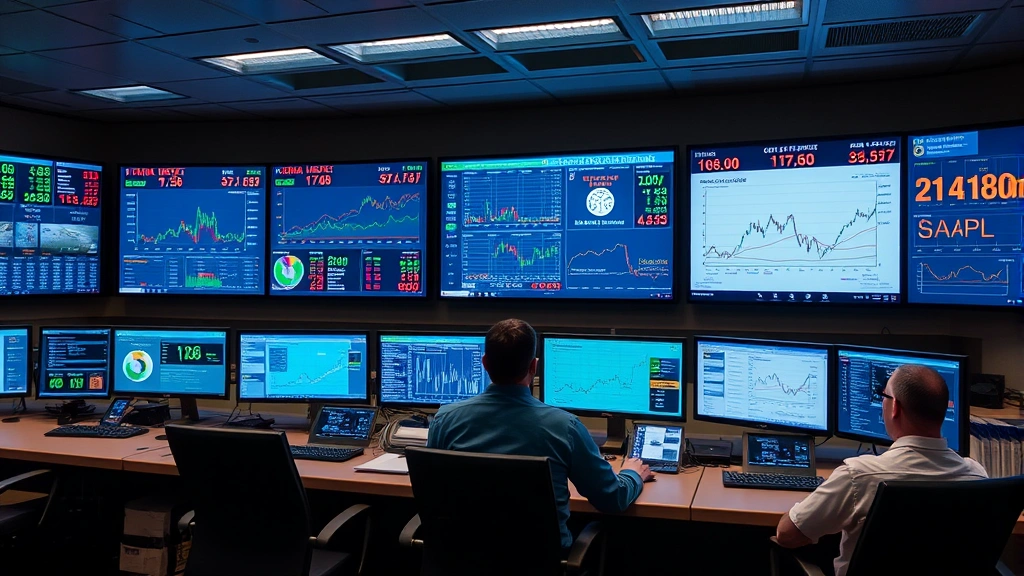
Operating a single electricity market requires sophisticated technology infrastructure that continuously processes real-time data from thousands of generation facilities, transmission nodes, and consumption points. SCADA systems (Supervisory Control and Data Acquisition) monitor grid conditions every few seconds, enabling operators to detect problems and implement corrective actions. Energy management systems run optimization algorithms that determine optimal generator dispatch, transmission flows, and reserve positioning. These systems must solve massive computational problems—optimizing thousands of generator commitments and transmission flows across tens of thousands of network nodes—in timeframes of minutes or seconds.
Advanced metering infrastructure (AMI) enables granular consumption data collection, supporting both real-time pricing and demand response programs. Smart meters provide utilities with detailed consumption patterns, allowing better demand forecasting and enabling time-of-use pricing that reflects actual cost variations throughout the day. However, AMI deployment requires substantial capital investment and raises privacy considerations that regulators must address. The data collected through AMI systems also enables new business models where retailers provide consumption analytics and optimization services to customers.
Forecasting systems represent another critical technology component, particularly as renewable energy penetration increases. Accurate wind and solar forecasting enables market participants to make informed bids and helps operators maintain adequate reserves. Machine learning and artificial intelligence have dramatically improved forecast accuracy in recent years, with advanced models incorporating weather data, historical patterns, and real-time observations to predict renewable generation with 85-95% accuracy at 24-hour horizons. These improved forecasts reduce the need for expensive reserve margins and help markets operate more efficiently.
Blockchain and distributed ledger technologies are emerging as potential tools for enhancing single electricity market transparency and enabling peer-to-peer trading. Some pilot projects have demonstrated blockchain applications for billing, settlement, and decentralized energy trading platforms. However, challenges remain regarding scalability, energy consumption, and regulatory acceptance. Most single electricity markets continue operating through centralized platforms rather than blockchain systems, though technology development may enable more decentralized market structures in future decades.
Future Trends and Market Evolution
Single electricity markets continue evolving to address emerging challenges and opportunities. Intra-hour trading is expanding in many markets, with 5-minute or even 1-minute trading intervals replacing traditional hourly markets. These shorter trading periods better accommodate renewable generation variability and enable faster response to unexpected supply or demand changes. As battery storage deployment accelerates, intra-hour markets will become increasingly important for optimizing storage dispatch and revenue.
Cross-border market integration is advancing in Europe and Asia-Pacific regions, extending single electricity market principles across national boundaries. When markets in adjacent countries operate with compatible rules and transparent pricing, electricity flows optimize across larger geographic areas, improving overall efficiency. However, political considerations, different national renewable targets, and varying regulatory approaches create challenges for deeper integration. The future likely involves gradual expansion of cross-border trading capacity and harmonization of market rules among willing participants.
Sector coupling—integrating electricity markets with heating, transportation, and industrial processes—represents a major frontier for market evolution. As electric vehicles become dominant transportation modes and heat pumps replace fossil fuel heating, electricity demand will grow substantially. Simultaneously, these flexible loads provide enormous potential for demand response, where vehicle charging or heating operations adjust to match renewable generation patterns. Future single electricity markets must evolve to accommodate these sector integration opportunities, potentially incorporating emerging market trends in energy commercialization and customer engagement.
Distributed energy resources (DER)—rooftop solar, home batteries, electric vehicles, and smart appliances—are proliferating rapidly in many markets. Traditional single electricity markets assumed centralized generation facilities; adapting these markets to accommodate millions of small distributed resources requires fundamental redesign. Future markets will likely feature local flexibility markets where distribution utilities procure services from DER to manage local congestion and voltage issues, operating alongside traditional wholesale markets. This layered market structure will create new business opportunities for aggregators that coordinate DER resources and participate in multiple market layers simultaneously.
The transition to 100% renewable electricity requires fundamental rethinking of market design and operational practices. Long-duration energy storage (days or weeks), seasonal hydropower coordination, and demand response flexibility become critical for managing renewable variability at high penetration levels. Single electricity markets must evolve to properly value these resources and create investment signals for necessary infrastructure. Some researchers propose energy-only markets with higher price caps to increase investment incentives, while others favor integrated resource planning where regulators directly ensure adequate investment in needed resources. The optimal market design for high-renewable systems remains an active area of research and policy debate.
” alt=”Control room with multiple monitors displaying electricity grid data and real-time market pricing information”/>
Frequently Asked Questions
What is the primary difference between single electricity markets and traditional regulated utilities?
Single electricity markets introduce competition in generation and retail, with independent companies competing to sell electricity based on market prices. Traditional regulated utilities operate as monopolies with guaranteed returns on invested capital. Single electricity markets typically deliver lower prices and faster technology adoption but require robust regulatory oversight to prevent market manipulation and ensure adequate investment in infrastructure.
How do single electricity markets handle electricity during peak demand periods?
Multiple mechanisms address peak demand: capacity markets compensate generators for maintaining available capacity, prices rise during peak periods to encourage demand reduction, and grid operators can call on reserve capacity or demand response resources. Advanced markets also include ancillary service markets where operators purchase frequency regulation and voltage support services essential for grid stability during stress periods.
Can single electricity markets accommodate 100% renewable energy?
Theoretically yes, but practically challenging. High renewable penetration requires abundant flexibility resources including battery storage, demand response, seasonal hydropower, and possibly green hydrogen production. Single electricity markets must evolve to properly value these flexibility services. Additionally, transmission infrastructure must expand substantially to accommodate renewable generation in geographically dispersed locations far from consumption centers.
What prevents generators from colluding in single electricity markets?
Regulatory authorities actively monitor market data for suspicious bidding patterns, investigate potential manipulation, and impose penalties for anti-competitive behavior. Transparent pricing and real-time data publication make collusion more difficult, as regulators can easily identify coordinated bidding. Additionally, markets with numerous independent competitors make collusion logistically difficult. However, enforcement remains an ongoing challenge, particularly in markets with limited competition.
How do single electricity markets affect renewable energy investment?
Single electricity markets create transparent price signals that enable accurate investment analysis. Renewable developers can forecast revenues based on historical market prices and make informed investment decisions. This transparency accelerates renewable deployment compared to regulated systems with uncertain support mechanisms. However, high renewable penetration also creates price volatility and negative pricing events that complicate investment returns, requiring complementary policies like carbon pricing or renewable support mechanisms.
What role do transmission operators play in single electricity markets?
Transmission system operators (TSOs) maintain grid stability, manage congestion, and ensure non-discriminatory market access. TSOs operate as regulated monopolies, as transmission infrastructure represents a natural monopoly unsuitable for competition. TSOs run market clearing algorithms, manage balancing markets, and implement real-time controls to maintain frequency and voltage stability. The TSO’s independence from market participants is crucial for fair market operation.