Online Flea Market Tips: Seller’s Guide to Success in 2025
The online flea market has transformed from a niche marketplace into a thriving digital ecosystem where sellers generate substantial income by leveraging platforms like eBay, Facebook Marketplace, Poshmark, and specialized vintage marketplaces. Whether you’re decluttering your home or building a full-time reselling business, understanding the mechanics of selling in these digital spaces is essential for profitability and customer satisfaction.
This comprehensive guide covers everything from product sourcing and photography to pricing strategies and customer service excellence. By implementing these proven tactics, you’ll position yourself to compete effectively in the crowded online flea market landscape and build a sustainable revenue stream.
Finding and Sourcing Quality Items
Successful online flea market sellers understand that inventory quality directly impacts profitability and customer reviews. The most effective sourcing strategies combine multiple channels to maintain a consistent supply of desirable merchandise.
Estate sales and liquidation events represent goldmines for bulk inventory acquisition. These venues typically offer items at 40-60% below retail value, providing substantial margin opportunities. Attend sales early, bring a detailed inventory list, and negotiate bulk discounts with organizers. Many estate sale companies maintain email lists for upcoming events—subscribe to receive advance notice in your area.
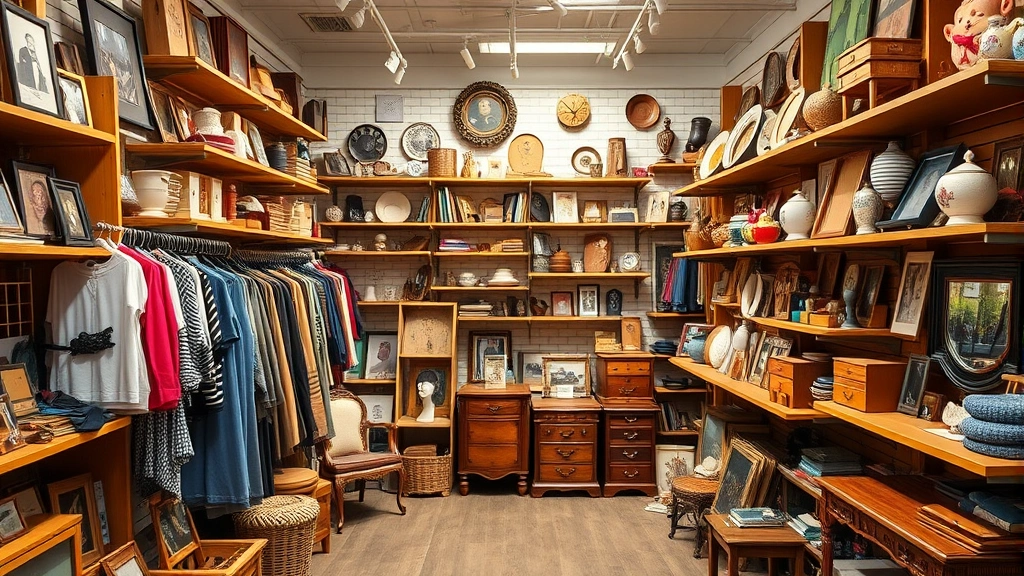
Thrift stores remain reliable sources for curated vintage and designer items. Successful sellers develop relationships with store managers, who may alert them to incoming donations or special pricing days. Focus on high-demand categories: vintage clothing, collectibles, electronics, and furniture that ships economically. According to Statista’s secondhand e-commerce report, the pre-owned market is growing 3x faster than traditional retail, indicating strong buyer demand.
Liquidation wholesale sites like Liquidation.com and Direct Liquidation offer bulk lots at significant discounts. While these require upfront investment and careful vetting, successful sellers report ROI of 200-400% on carefully selected merchandise. Always review seller feedback and request detailed condition reports before purchasing.
Local buy-sell-trade groups on Facebook and community forums provide consistent sourcing opportunities. Building relationships with other collectors and estate downsizers creates a pipeline of referrals. Offer fair prices and reliable pickup services to become a trusted buyer in your community.
Optimizing Your Product Listings
Your product listing is your primary sales tool in the online flea market ecosystem. Comprehensive, well-structured listings significantly increase conversion rates and reduce customer inquiries.
Title optimization is critical for discoverability. Include the brand, item type, key features, and condition in your first 80 characters. For example: “Vintage Levi’s 501 Denim Jeans 1990s Red Tab W34 L32 Excellent Condition” performs better than “Cool Old Jeans.” Research platform-specific search algorithms—eBay, for instance, prioritizes exact keyword matches in titles, while Facebook Marketplace emphasizes recency and relevance signals.
Description writing requires balancing detail with readability. Organize information using bullet points for specifications, followed by narrative paragraphs describing condition, provenance, and unique characteristics. Address common objections preemptively: “No stains, odors, or damage. Minor wear on zipper consistent with vintage use.” Include measurements for clothing and dimensions for furniture—vague descriptions generate returns.
Implement strategic keyword research using tools like Google Keyword Planner and platform-native search suggestions. Long-tail keywords like “vintage Pendleton wool shirt men’s medium” outperform generic terms because they attract serious buyers with clear intent. Check your marketing strategy for small businesses to understand how keyword placement supports broader visibility efforts.
Category selection and tagging directly impact search ranking algorithms. Select the most specific category available rather than broad parent categories. Tag items with relevant descriptors—”vintage,” “deadstock,” “rare,” “collectible”—but avoid keyword stuffing, which violates platform policies and damages credibility.
Pricing Strategy and Competitive Analysis
Pricing represents the most dynamic element of your online flea market strategy, requiring constant research and adjustment based on market conditions and inventory age.
Comparable sales analysis forms the foundation of effective pricing. Search completed listings on your platform to identify what similar items actually sold for, not asking prices. eBay’s “Sold” listings filter and Facebook Marketplace’s price history feature provide invaluable data. Create a spreadsheet tracking brand, size, condition, and final sale price for items in your niche. Over time, you’ll identify price ranges and seasonal fluctuations.
Condition grading significantly impacts pricing. Establish consistent standards: mint/new, excellent (minimal wear), very good (light wear), good (moderate wear), and fair (heavy wear with functional issues). Provide photographic evidence supporting your condition assessment. Overgrading generates returns and negative feedback; undergrading leaves money on the table.
Implement dynamic pricing for slow-moving inventory. After 30 days without sales, reduce price by 10-15%. After 60 days, consider deeper discounts or bundle strategies. Conversely, items selling within 48 hours indicate underpricing—use subsequent listings to test higher price points. Many sellers use best marketing tools for small businesses to track inventory performance and automate pricing adjustments.
Consider platform-specific pricing variations. Vintage items often command 20-30% premiums on specialty platforms like Vestiaire Collective or Grailed compared to general marketplaces. Factor in platform fees, shipping costs, and time investment when calculating final pricing. Your margin target should account for returns, disputed transactions, and occasional losses.
Seasonal demand patterns significantly influence pricing power. Vintage winter coats sell better October-February; summer dresses peak April-August. Adjust inventory focus and pricing based on seasonal demand curves to maximize turn rates.
Professional Photography and Presentation
High-quality photography is non-negotiable in the competitive online flea market landscape. Research from eMarketer’s visual commerce study shows that listings with multiple high-quality images receive 3-4x more engagement than single-image listings.
Lighting setup requires minimal investment but yields maximum returns. Natural window light provides the most flattering, accurate color representation. Photograph items during midday hours when sunlight is brightest. If natural light is insufficient, invest in a basic LED ring light ($30-60) to eliminate shadows and color distortion.
Background selection impacts perceived quality. Use neutral, uncluttered backgrounds—white poster board, neutral walls, or simple fabric backdrops. Cluttered backgrounds distract from merchandise and suggest disorganization. Maintain consistent background style across listings for professional brand presentation.
Image composition requires multiple perspectives. Include: overall item shot, close-ups highlighting condition and details, size reference shots (item against hand or ruler for scale), and any flaws or wear. For clothing, photograph flat lay and on-model when possible. For furniture, include detail shots of hardware, upholstery condition, and any defects.
Zoom functionality is critical. Provide high-resolution images allowing buyers to inspect condition closely. Most platforms support 10-12 images per listing—utilize this capacity to reduce buyer uncertainty and returns. Focus on condition accuracy over artistic presentation; honest photography builds trust and repeat customers.
Building Your Seller Reputation
Reputation represents your most valuable asset in the online flea market ecosystem. Five-star ratings compound over time, generating algorithm favorability and customer trust that translates directly to sales velocity.
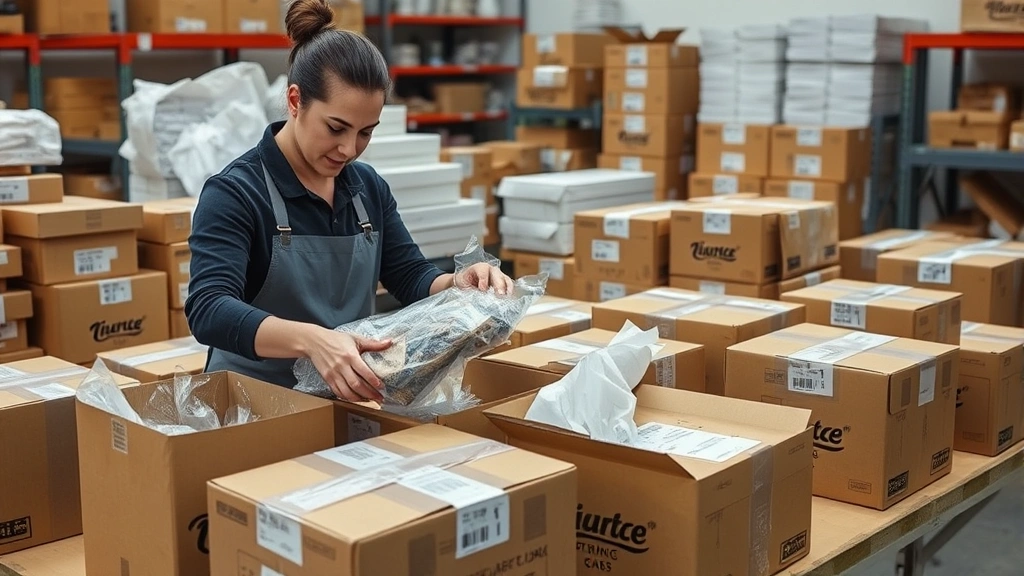
Shipping speed and accuracy directly impact ratings. Pack items securely with appropriate materials—bubble wrap for fragile items, tissue paper for clothing, boxes sized to prevent shifting. Ship within 24 hours whenever possible. Provide tracking numbers immediately and follow up with delivery confirmation. Delays and lost packages generate negative feedback that’s difficult to overcome.
Condition accuracy prevents costly returns and disputes. Photograph items in natural light showing actual condition. Disclose all flaws, stains, damage, or repairs. Buyers appreciate transparency and are more forgiving of disclosed issues than discovering undisclosed problems upon receipt.
Customer communication excellence distinguishes top sellers. Respond to inquiries within 24 hours. Answer questions thoroughly and honestly. If you don’t know something, say so rather than guessing. Address concerns proactively—if an item has a minor flaw, mention it first before the buyer discovers it. This approach prevents disputes and builds goodwill.
Implement a follow-up system. After delivery, send a brief message thanking the buyer and inviting feedback. This simple gesture increases positive review submission rates by 40-50%. Offer repeat buyer incentives—discounts on future purchases or bundle deals for customers who’ve previously bought from you.
Handle disputes professionally. If a buyer claims an item doesn’t match description, respond calmly with photographic evidence. If they’re partially correct, offer partial refunds or return arrangements. Platform algorithms reward sellers who resolve disputes favorably without escalation.
Shipping and Logistics Management
Shipping strategy directly impacts profitability and customer satisfaction in your online flea market operations. Optimizing this function can improve margins by 10-20%.
Carrier selection requires comparing USPS, UPS, and FedEx pricing for your typical package weight and dimensions. USPS Priority Mail dominates for lightweight items under 5 pounds; UPS and FedEx offer better rates for heavier shipments. Negotiate commercial accounts with carriers—even small sellers qualify for 10-15% discounts on published rates.
Packaging optimization reduces shipping costs and damage claims. Use Priority Mail flat-rate boxes when items fit within weight limits—these offer predictable pricing regardless of distance. For oversized items, measure and weigh accurately to avoid underestimating shipping costs. Invest in bulk packaging supplies from wholesalers; buying in volume reduces per-unit costs by 30-40%.
International shipping generates higher margins but requires additional complexity. Research customs documentation requirements, prohibited items, and duty collection procedures. Many sellers use Global Shipping Programs (eBay) or international shipping integrations that handle documentation automatically, reducing errors and liability.
Implement damage prevention protocols. Use appropriate box sizes—oversized boxes increase shipping costs and damage risk through excessive shifting. Fill voids with packing paper or air pillows. Reinforce seams with quality tape. Photograph packed items before shipping to document condition if damage claims arise.
Track and analyze shipping data. Monitor carrier performance, damage rates, and transit times. Identify problematic routes or carriers and adjust strategies accordingly. Many successful sellers negotiate better rates with carriers demonstrating high volume and low claims.
Marketing Your Online Store
Platform algorithm favorability and external marketing drive consistent sales growth for online flea market sellers. Implement a comprehensive strategy covering platform optimization and external channels.
Platform algorithm optimization requires understanding each marketplace’s ranking signals. eBay prioritizes listing quality scores, seller ratings, and sales velocity. Facebook Marketplace emphasizes recency, engagement, and local relevance. Poshmark rewards consistent sharing and engagement. Dedicate time to understanding and optimizing for each platform’s specific algorithm.
Consistent inventory refreshment signals activity to algorithms. Relist items regularly—even unchanged items relist with new timestamps, improving visibility. Many successful sellers refresh inventory twice weekly, maintaining consistent presence in search results. This simple tactic increases impressions and sales velocity without paid advertising.
Social media integration amplifies reach beyond platform audiences. Create Instagram or TikTok accounts showcasing inventory. Use hashtags strategically—#vintagefinds, #thrifted, #fleamarkethaul attract engaged audiences actively seeking your products. Build an email list of repeat customers for direct marketing campaigns.
Develop a marketing plan addressing your specific online flea market niche. Identify your target customer, their preferred platforms, and their buying triggers. For vintage fashion, target fashion enthusiasts on Instagram and TikTok. For collectibles, engage enthusiast communities on Reddit and specialized forums. Tailor messaging to each channel for maximum relevance.
Consider paid advertising on platforms where organic reach plateaus. Facebook and Instagram ads targeting vintage fashion enthusiasts or collectors generate predictable ROAS (return on ad spend) of 300-500% for quality inventory. Start with small daily budgets ($5-10) and scale campaigns demonstrating positive returns.
Review digital marketing trends 2025 to stay current with emerging channels and tactics. Video content, AI-powered personalization, and community-building strategies are reshaping e-commerce. Early adopters gain competitive advantages in algorithm favorability and customer engagement.
Scaling Your Business
As your online flea market business grows, operational efficiency and strategic decision-making determine whether you remain a hobbyist or build a sustainable enterprise.
Inventory management systems become critical at scale. Implement spreadsheet tracking (minimum) or dedicated inventory software (ideal) monitoring stock levels, cost basis, age, and sales performance. This data informs sourcing decisions and identifies underperforming categories to eliminate. Many successful sellers use automation tools to manage listings across multiple platforms simultaneously.
Time management and task delegation improve profitability dramatically. Calculate your hourly rate including sourcing, listing, photography, packing, and customer service. If this rate falls below $20-25/hour, delegate or eliminate lower-value tasks. Many sellers outsource photography, listing creation, or customer service to freelancers, freeing time for high-value activities like sourcing and strategy.
Expand platform presence strategically. Rather than spreading thinly across 10 platforms, develop deep expertise on 2-3 platforms aligned with your inventory and target customers. Master each platform’s algorithm, build seller credibility, and develop customer bases. Once established, expansion to additional platforms becomes more efficient.
Develop product specialization. Rather than selling random items, focus on specific categories where you develop expertise and competitive advantage. Specialization enables better sourcing relationships, pricing accuracy, and customer targeting. Buyers seeking specific categories remember quality sellers and return repeatedly.
Build brand identity beyond individual listings. Develop a recognizable seller name, consistent aesthetic, and unique value proposition. Create packaging inserts, thank you cards, or branded elements differentiating your business. This investment in branding increases repeat purchase rates and customer loyalty.
Analyze profitability by category and adjust sourcing accordingly. Track which items sell fastest, command highest margins, and generate fewest returns. Double down on high-performing categories while eliminating chronically underperforming inventory. This data-driven approach optimizes inventory investment and turns.
Consider expanding into wholesale or bulk selling. Develop relationships with vintage boutiques, resellers, or interior designers who purchase inventory in bulk. Wholesale channels reduce per-unit margins but increase volume significantly, improving overall profitability.
Reference your Market Rise Hub Blog for ongoing insights into business scaling, marketing strategy evolution, and industry trends supporting growth. Understanding marketing attribution models helps allocate resources effectively across channels as you scale.
FAQ
What’s the best platform for starting an online flea market business?
eBay and Facebook Marketplace offer the lowest barriers to entry with established buyer bases. eBay suits collectibles, vintage items, and electronics; Facebook Marketplace dominates local sales and furniture. Poshmark specializes in fashion and accessories. Start on the platform matching your inventory and target customer, then expand once you’ve built expertise and reputation.
How much should I charge for shipping?
Calculate actual shipping costs plus 5-10% handling fee for packing materials and labor. Overcharging shipping damages competitiveness; undercharging erodes margins. Offer free shipping on higher-priced items to improve conversion, but increase item price slightly to compensate. Test different shipping strategies and monitor their impact on sales velocity and profitability.
How often should I relist items?
Relist items that haven’t sold after 30 days. For active inventory, refresh listings weekly or bi-weekly to maintain algorithmic visibility. Many successful sellers implement automated relisting on their primary platform, refreshing inventory continuously without manual effort.
What’s an acceptable return rate for online flea market sellers?
Industry standards suggest 2-5% returns for accurately described vintage items. Higher return rates indicate listing accuracy issues, shipping damage, or condition misrepresentation. Analyze return reasons and adjust processes accordingly. Most platforms permit sellers to set return policies; stricter policies reduce returns but may impact sales velocity.
How do I handle difficult customers or disputes?
Respond calmly and professionally to all complaints. Document all communication and provide photographic evidence supporting your position. Many disputes resolve favorably through respectful dialogue. If escalation becomes necessary, provide platform moderators with complete documentation. Building a strong rating history gives you credibility in dispute resolution.
Can I build a full-time income from online flea market selling?
Yes, many sellers generate $3,000-10,000+ monthly full-time income from online flea market platforms. Success requires consistent sourcing, inventory optimization, customer service excellence, and strategic marketing. Most full-time sellers operate across multiple platforms and develop inventory specialization. The learning curve typically spans 6-12 months before achieving consistent profitability.