Market Street Shopping Tips: Local Insights for The Woodlands
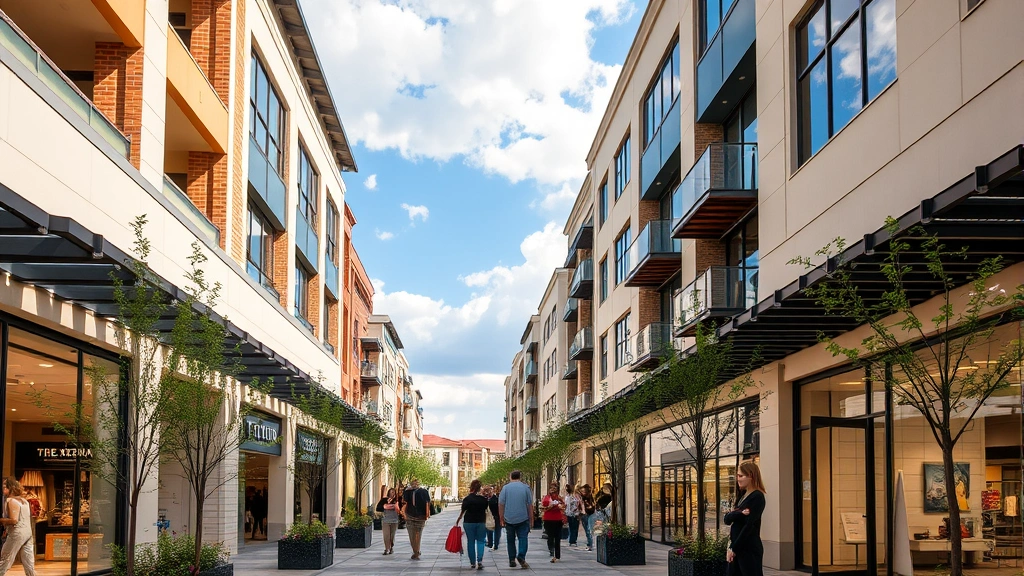
Market Street in The Woodlands has evolved into one of the region’s premier shopping destinations, attracting both locals and visitors seeking a curated retail experience. This mixed-use development combines upscale boutiques, dining establishments, and lifestyle retailers in a walkable environment that reflects the community’s affluent demographics and preference for convenient, high-quality shopping.
Understanding how to navigate Market Street effectively—from timing your visits to identifying the best deals and maximizing your shopping experience—requires insight into local traffic patterns, seasonal trends, and merchant strategies. Whether you’re a long-time resident or new to The Woodlands area, this comprehensive guide provides actionable strategies to enhance your shopping efficiency and satisfaction.
Understanding Market Street’s Layout and Demographics
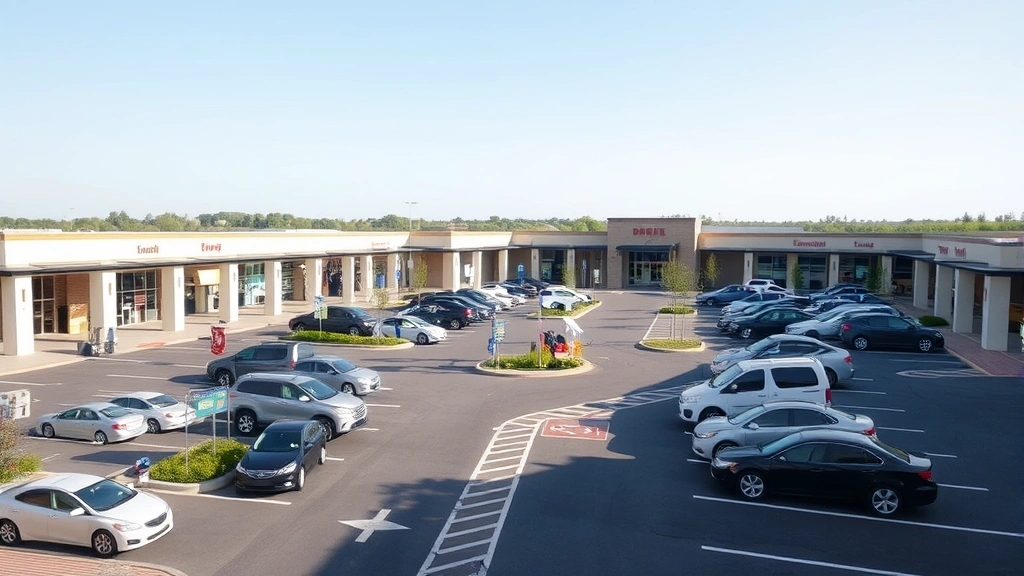
Market Street in The Woodlands represents a carefully planned retail ecosystem designed to serve one of Texas’s most affluent suburban communities. The development spans multiple city blocks with a strategic mix of anchor retailers, boutique shops, and experiential venues. Understanding the property’s layout is fundamental to efficient shopping.
The demographic profile of Market Street shoppers significantly influences inventory decisions and pricing strategies. The Woodlands area boasts a median household income exceeding $120,000, with a population that values quality, convenience, and brand prestige. This economic reality means retailers at Market Street typically stock premium product lines and maintain higher price points compared to regional alternatives.
The markets near me concept has transformed consumer behavior, with shoppers increasingly researching locations before visiting. Market Street benefits from its reputation as a destination shopping center rather than a convenience location, attracting visitors willing to travel specifically for curated selections and exclusive brands.
The center’s design emphasizes walkability and mixed-use functionality. Unlike traditional enclosed malls, Market Street’s open-air format encourages extended browsing and impulse purchasing. This architectural choice directly impacts shopping behavior—visitors typically spend longer in the environment and make more discretionary purchases than in traditional retail settings.
Optimal Shopping Times and Traffic Patterns
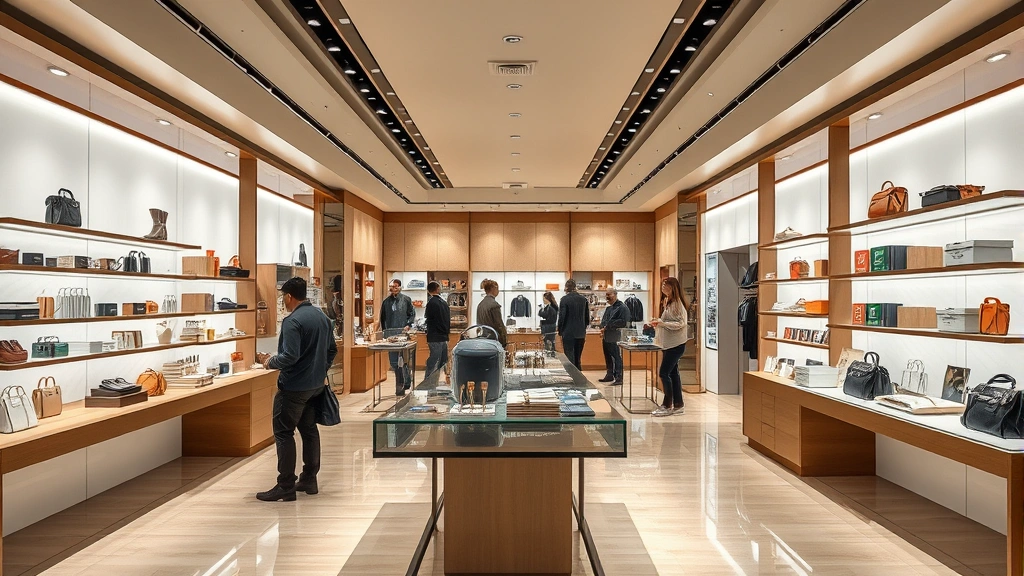
Successful shopping at Market Street requires understanding temporal patterns that affect both parking availability and retail crowding. Data from retail analytics firms reveals distinct patterns in shopper traffic throughout the week and year.
Weekday Advantages: Tuesday through Thursday mornings represent optimal shopping windows, with significantly reduced foot traffic compared to weekends. Retail staff availability increases during these periods, enabling more personalized service and better access to inventory. Parking availability peaks during weekday mid-morning hours (10 AM to 1 PM), before the lunch rush begins.
Weekend Dynamics: Saturdays attract the heaviest traffic, particularly between 11 AM and 3 PM. This period coincides with family shopping expeditions and social outings. Sundays see more moderate traffic, with morning hours (9 AM to 12 PM) providing better conditions than afternoon periods. Shopping after 5 PM on Saturdays can provide a second-wave advantage, as mid-afternoon shoppers have departed.
Seasonal Variations: Holiday seasons (November-December) and back-to-school periods (August-September) dramatically increase traffic. Research from the National Retail Federation indicates that holiday shopping extends beyond Christmas, with significant activity continuing through early January. Planning around these periods or shopping early in these seasons provides better selection and shorter checkout times.
Weather Impact: Texas weather patterns influence shopping behavior. Summer heat (June-August) reduces foot traffic during midday hours, making afternoon shopping more feasible. Fall and spring weather encourages outdoor browsing and extended shopping visits.
Retail Strategy and Merchant Positioning
Understanding how retailers position themselves within Market Street reveals opportunities for strategic shopping. The development features anchor retailers that drive traffic, boutique retailers that capture discretionary spending, and experience-based venues that extend dwell time.
Anchor Tenant Strategies: Major retailers at Market Street serve as traffic generators. These establishments typically operate with lower margins but higher volume, making them competitive on pricing for commonly purchased items. Conversely, they’re less negotiable on specialty items, where their market position provides pricing power.
Boutique Positioning: Smaller, independent retailers and luxury brands utilize high-margin strategies. These merchants target affluent consumers seeking exclusivity and personalized service. Shopping at boutique retailers typically yields less dramatic discounts but provides access to curated selections unavailable elsewhere.
Brand Clustering: Certain product categories cluster within Market Street. Fashion retailers concentrate in specific zones, as do home goods and wellness retailers. Understanding this clustering allows shoppers to efficiently move between complementary stores, maximizing time efficiency.
The digital marketing trends influencing retail have created showrooming dynamics—customers examining products in-store before purchasing online. Progressive retailers counteract this through enhanced in-store experiences and price matching.
Seasonal Shopping Opportunities and Promotions
Market Street experiences distinct seasonal promotion cycles that create predictable savings windows. Understanding these cycles enables strategic purchasing timing.
Back-to-School (July-September): This period generates significant promotional activity, particularly in apparel and accessories retailers. Retailers typically offer tiered discounts, with deeper markdowns appearing in late August as inventory requires clearance. School uniform and supplies retailers offer consistent promotions throughout this window.
Holiday Season (October-December): Black Friday and Cyber Monday represent peak promotion periods, though extended holiday shopping generates consistent deals from mid-October through December 26. Post-holiday clearance sales begin December 27, with retailers aggressively discounting holiday merchandise.
Spring Transition (March-May): Seasonal apparel transitions create promotional opportunities as retailers clear winter inventory. Spring break periods (typically mid-March) see family-oriented promotions and children’s apparel discounts.
Summer Clearance (June-July): End-of-season clearance sales clear spring inventory, with fashion retailers offering substantial discounts on warm-weather apparel. This represents an optimal window for purchasing next season’s summer items at significant reductions.
Understanding marketing strategy principles reveals how retailers use promotions to manage inventory and create traffic. Loyalty program members typically receive early access to sales and exclusive discounts, making enrollment essential for frequent shoppers.
Dining and Experience Economy Integration
Market Street’s competitive advantage extends beyond retail into the experience economy. The development’s dining and entertainment options significantly influence shopping patterns and overall visit duration.
Dining as Strategy: Restaurants and cafes serve multiple functions within Market Street’s ecosystem. They extend visit duration, increase overall spending per trip, and provide social gathering spaces that increase return visits. Shoppers who dine typically spend 40-60% more on retail purchases compared to non-dining visits.
Experiential Retail: Wellness retailers, fitness studios, and beauty services create loyalty and repeat visits independent of traditional retail cycles. These venues generate consistent traffic regardless of seasonal retail trends, supporting other merchants through traffic spillover.
Entertainment Integration: Movie theaters, entertainment venues, and event spaces position Market Street as a destination for social activities beyond shopping. This positioning attracts younger demographics and families, expanding the customer base beyond traditional affluent adult shoppers.
The integration of dining and retail creates bundled experiences that increase per-visit spending. Strategic shopping involves planning dining to maximize overall value—researching restaurant promotions and pairing them with retail visits.
Loyalty Programs and Savings Tactics
Maximizing value at Market Street requires strategic engagement with retailer loyalty programs and promotional mechanisms. Research from McKinsey retail research demonstrates that loyalty program members achieve 15-25% greater savings compared to non-members.
Program Enrollment Strategy: Most major retailers at Market Street offer loyalty programs providing tiered benefits based on spending levels. Early enrollment captures baseline benefits immediately, while consistent shopping accelerates tier advancement and exclusive benefits.
Email and Mobile Notifications: Loyalty program membership enables receipt of targeted promotions via email and mobile applications. These channels typically feature exclusive discounts unavailable to general shoppers. Monitoring these communications creates advance notice of sales events.
Credit Card Partnerships: Retailers frequently partner with credit card issuers to provide exclusive discounts. Retail credit cards typically offer 5-15% discounts on first purchases and ongoing cardholder-exclusive promotions. These benefits justify the account opening for frequent shoppers.
Bundle and Cross-Category Promotions: Retailers frequently offer discounts on purchases spanning multiple categories or meeting minimum purchase thresholds. Strategic shopping involves identifying these promotions and bundling purchases to achieve maximum discounts.
The importance of marketing for business extends to consumer-facing tactics. Retailers invest significantly in promotional strategies, and informed shoppers who understand these mechanisms achieve superior value.
Parking, Navigation, and Accessibility
Practical considerations around parking and navigation significantly impact shopping satisfaction and efficiency. Market Street’s layout and parking infrastructure require strategic knowledge.
Parking Structure Organization: Market Street features multiple parking areas, including surface lots and structured parking. Understanding which retailers correspond to which parking areas prevents inefficient lot selection. Peak traffic periods fill preferred lots first, requiring knowledge of secondary parking options.
Accessibility Considerations: Designated accessible parking areas provide proximity to major retailers. Planning visits around peak accessible parking availability ensures convenient access, particularly for shoppers with mobility considerations.
Navigation Technology: Mobile mapping applications provide real-time parking availability at Market Street, though this data reflects broader shopping center parking rather than individual lot conditions. Pre-visit research of retailer locations prevents circular navigation patterns.
Weather Protection: Market Street’s open-air design provides limited weather protection compared to enclosed malls. Summer heat and occasional rain require planning. Shopping during cooler morning hours or utilizing covered walkways enhances comfort.
The Market Rise Hub Blog provides ongoing insights into retail trends and consumer behavior research supporting strategic shopping decisions.
Digital Tools and Mobile Shopping Integration
Modern shopping at Market Street increasingly integrates digital tools that enhance efficiency and value capture. Understanding these tools creates competitive advantages for informed shoppers.
Mobile Retail Applications: Major retailers maintain mobile applications providing real-time inventory visibility, digital coupons, and expedited checkout. Downloading applications before shopping enables access to digital-exclusive promotions.
Price Comparison Tools: Mobile applications from price comparison platforms enable real-time price verification across retailers. This technology particularly benefits shoppers considering significant purchases, where small percentage differences represent substantial savings.
Digital Receipt Management: Mobile wallet applications store digital receipts, enabling efficient return processing and warranty documentation. This organization prevents disputes regarding purchase timing and terms.
Location-Based Promotions: Geofencing technology enables retailers to push location-specific promotions to mobile devices as shoppers approach Market Street. Enabling location services captures these promotions automatically.
Understanding the stock market and retail industry dynamics provides context for retail strategy changes. Public retail companies frequently adjust promotional strategies based on quarterly performance, creating predictable timing for sales events.
The intersection of digital tools and physical retail creates omnichannel experiences that require strategic navigation. Successful shoppers leverage these tools to capture both digital and in-store benefits.
FAQ
What time of day is Market Street least crowded?
Weekday mornings between 10 AM and 1 PM typically feature the lightest traffic. Tuesday through Thursday mornings provide optimal conditions with minimal crowds and excellent parking availability. This timing enables efficient shopping with maximum retailer staff availability.
Are there specific seasons when Market Street offers better deals?
Back-to-school (late August), post-holiday clearance (late December), and seasonal transitions (March-May for spring, June-July for summer) generate significant promotional activity. These periods offer the deepest discounts compared to regular retail cycles.
How can I find information about current promotions at Market Street retailers?
Individual retailer websites and mobile applications provide current promotion information. Loyalty program enrollment enables receipt of exclusive promotions via email and mobile notifications. Market Street’s official website may also feature merchant promotions and events.
Is Market Street suitable for wheelchair accessibility?
Market Street provides designated accessible parking and accessible pathways throughout the development. However, the open-air design and potential weather considerations require verification of specific retailer accessibility. Calling retailers in advance regarding accessibility needs ensures appropriate planning.
What parking options exist at Market Street?
Market Street features surface parking lots and structured parking facilities. Strategic lot selection based on intended retailers minimizes walking distances. Mobile mapping applications provide real-time parking availability information.
Do retailers at Market Street offer price matching?
Price matching policies vary by retailer. Major retailers typically offer price matching on advertised competitor prices, while boutique retailers may not. Inquiring with individual retailers regarding their price matching policies before checkout clarifies available options.
What is the best strategy for holiday shopping at Market Street?
Early shopping (late October through mid-November) provides optimal selection before inventory depletion. Shopping on weekday mornings avoids peak crowds. Loyalty program enrollment captures early access to holiday promotions and exclusive cardholder discounts.