Birds Meat Market Trends: Analyst Insights for 2024-2025
The global poultry and birds meat market is experiencing unprecedented growth, driven by shifting consumer preferences toward protein-rich diets, increasing health consciousness, and rising demand from emerging economies. Industry analysts project the market will reach $240 billion by 2028, expanding at a compound annual growth rate (CAGR) of 4.8% through the forecast period. This expansion reflects fundamental changes in how consumers source protein and how retailers strategically position poultry products within their inventory.
Understanding current birds meat market dynamics requires examining multiple dimensions: production innovations, distribution channels, consumer behavior shifts, and regulatory frameworks shaping the industry. Whether you’re a retailer, distributor, or investor, recognizing these trends positions you to capitalize on emerging opportunities in one of the food industry’s most resilient segments.
Global Market Growth and Size Projections
The birds meat market represents one of the fastest-growing segments within the broader meat industry. Current valuations place the market at approximately $180 billion globally, with poultry accounting for roughly 35% of total meat consumption worldwide. This dominance reflects both economic accessibility and nutritional benefits that position poultry as the preferred protein source across diverse income levels and geographic regions.
Market expansion is particularly pronounced in Asia-Pacific, where rising middle-class populations and urbanization drive increased poultry consumption. China alone accounts for nearly 20% of global poultry production, while India represents the world’s largest exporter of poultry products by volume. These regional dynamics create distinct opportunities for businesses operating within or supplying to these markets.
Several factors contribute to sustained growth projections. Population growth, particularly in developing nations, increases baseline demand for affordable protein sources. Simultaneously, developed markets demonstrate growing interest in premium poultry products, including organic, free-range, and heritage breed offerings. This bifurcation of demand—volume growth in emerging markets coupled with premiumization in developed regions—creates diverse commercial opportunities across the value chain.
For retailers managing inventory across multiple channels, understanding these growth patterns informs procurement strategies and shelf allocation decisions. Visit our markets near me resource to identify regional demand patterns affecting your specific geographic markets.
Consumer Demand Drivers and Preferences
Consumer behavior research reveals several compelling drivers reshaping demand within the birds meat market. Health consciousness stands foremost among these factors. Poultry contains significantly lower saturated fat compared to red meat while delivering equivalent protein density, positioning it favorably within contemporary dietary frameworks emphasizing cardiovascular health and weight management.
The rise of high-protein, low-carbohydrate diet trends—including ketogenic, paleo, and Mediterranean dietary approaches—has substantially elevated poultry’s market positioning. McKinsey’s consumer behavior research indicates that 62% of consumers now actively consider protein content when making poultry purchasing decisions, compared to 41% five years prior.
Convenience factors heavily influence purchase patterns. Pre-marinated, pre-portioned, and ready-to-cook poultry products command premium pricing despite higher production costs, reflecting consumer willingness to pay for time-saving solutions. This trend particularly accelerates within urban demographics where time scarcity represents a significant purchasing constraint.
Sustainability concerns increasingly drive purchasing decisions, especially among younger consumers. Approximately 58% of millennials and Gen Z consumers report considering environmental impact when selecting poultry products. This consciousness creates market segmentation opportunities for retailers emphasizing sustainable sourcing practices and transparent supply chain communication.
Understanding these demand drivers enables strategic positioning within your market. Explore our marketing strategy for small businesses to develop targeted approaches addressing these consumer preferences effectively.
Production and Supply Chain Innovations
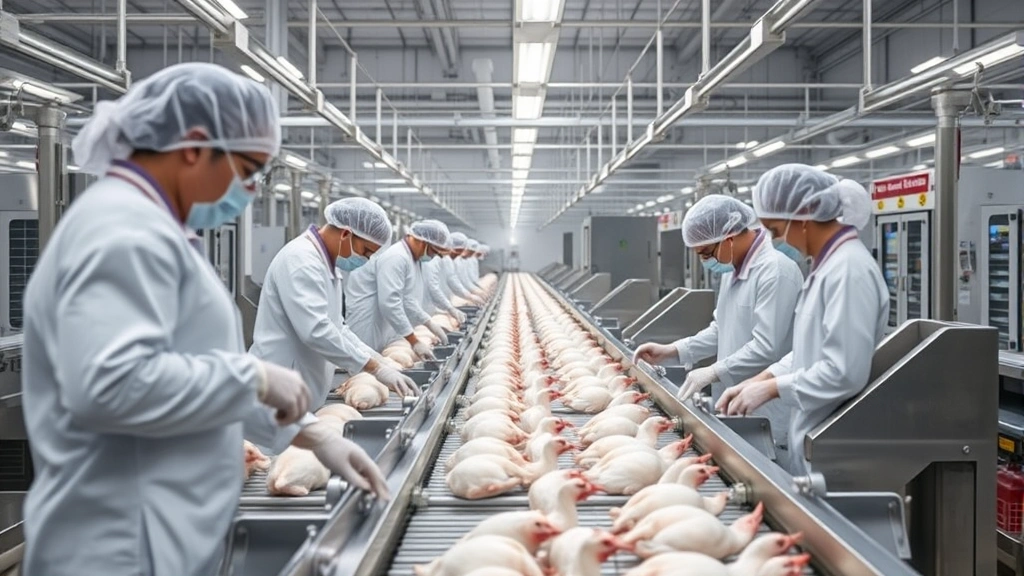
Modern poultry production increasingly incorporates technological innovations designed to enhance efficiency, improve product quality, and reduce environmental impact. Precision feeding systems utilizing artificial intelligence optimize nutritional delivery while minimizing waste, reducing production costs by 8-12% compared to conventional feeding methodologies.
Vertical integration within the poultry sector continues accelerating, with major producers controlling breeding, production, processing, and distribution functions. This consolidation improves supply chain predictability and enables rapid response to demand fluctuations. However, it also raises concerns regarding market concentration and small producer viability, creating niche opportunities for independent producers emphasizing differentiation through specialty products.
Cold chain logistics represent critical infrastructure supporting the birds meat market. Enhanced temperature monitoring technologies, including IoT-enabled sensors and blockchain tracking systems, provide unprecedented visibility into product movement from production facilities through retail environments. These innovations reduce spoilage, improve food safety compliance, and build consumer confidence through transparency.
Processing innovations directly impact product form and marketability. Advanced deboning technologies, automated portioning systems, and novel preservation methods expand available product formats. Ready-to-eat offerings, sous-vide preparations, and value-added processed products increasingly dominate growth projections, particularly within convenience-oriented retail channels.
Discover how digital marketing trends for 2025 intersect with supply chain communication and consumer engagement strategies in the poultry sector.
Retail Distribution Channel Evolution
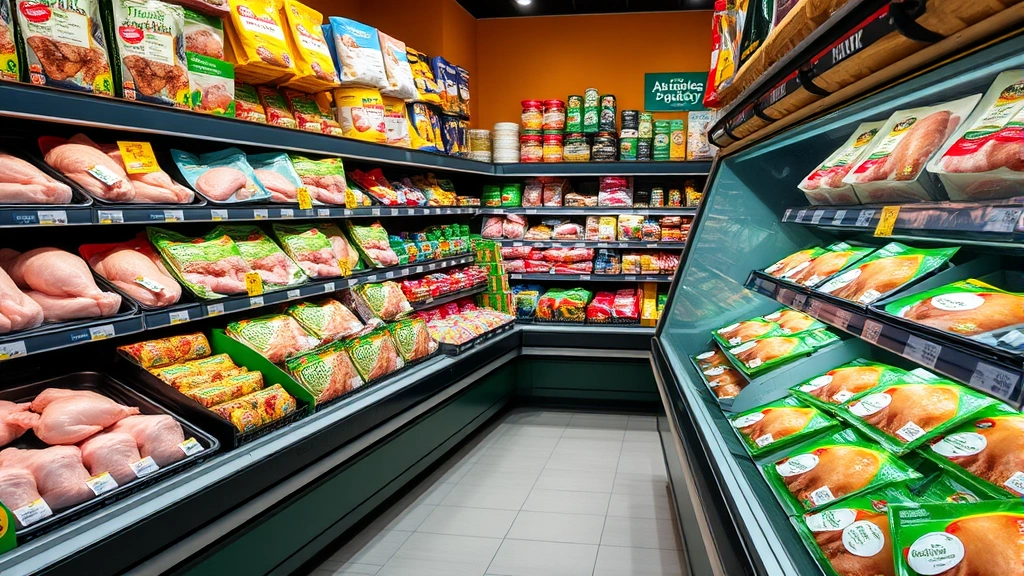
Distribution channel dynamics fundamentally reshape how poultry reaches consumers. Traditional wet markets, particularly prevalent in Asia and emerging markets, maintain significant market share but face competition from modern retail formats. Supermarket chains now account for approximately 45% of poultry sales in developed markets, with this percentage rising steadily in developing regions.
E-commerce penetration within the birds meat market accelerates rapidly, albeit from relatively modest baseline levels. Online grocery shopping, accelerated by pandemic-driven behavioral changes, creates new fulfillment challenges and opportunities. Temperature-controlled logistics, rapid delivery windows, and quality guarantees become competitive differentiators within digital channels.
Direct-to-consumer models gain traction as producers establish farm-based retail operations or partner with online platforms. These channels typically command 15-25% price premiums through reduced intermediaries, enhanced traceability, and perceived quality advantages. Subscription-based poultry delivery services emerge as novel retention mechanisms, building recurring revenue streams while improving demand predictability.
Foodservice channels—including restaurants, institutional feeding, and quick-service establishments—represent substantial market segments often overlooked in consumer-focused analysis. These channels account for approximately 35% of total poultry consumption in developed markets, with higher growth rates in emerging regions where foodservice expansion accompanies urbanization.
Understanding channel-specific dynamics informs inventory management and marketing approaches. Consult our market rise hub blog for detailed analysis of channel-specific performance metrics and strategic considerations.
Pricing Dynamics and Cost Pressures
Poultry pricing exhibits distinct characteristics compared to other protein categories. Feed costs, representing 60-70% of production expenses, directly impact retail pricing. Grain price volatility—particularly corn and soybean meal—creates pricing uncertainty throughout the supply chain. Recent commodity price inflation increased production costs by 18-24% across major poultry-producing regions.
Labor costs present secondary but significant pricing pressure, particularly within developed markets where wages comprise 12-18% of production expenses. Automation investments aim to address labor constraints while improving consistency and food safety outcomes. However, capital requirements for modernization create barriers for smaller producers.
Retail competition intensifies pricing pressure, with poultry products frequently positioned as loss leaders within supermarket strategies. This dynamic compresses margins for producers and retailers alike, creating incentives to develop higher-margin specialty products and value-added offerings. Premium segments—including organic, heritage breed, and specialty poultry products—demonstrate superior margin profiles despite lower volume.
Currency fluctuations significantly impact international trade dynamics. Exporters in countries with weakening currencies gain competitive advantage, while importers face margin compression. These macroeconomic factors create periodic supply reallocation as producers redirect exports toward more favorable markets.
Price transparency tools and dynamic pricing strategies increasingly characterize retail environments. Real-time competitor monitoring and demand-responsive pricing enable margin optimization while maintaining market competitiveness. However, implementation requires sophisticated systems and consumer communication strategies to avoid perception of unfair pricing practices.
Regional Market Variations
The birds meat market demonstrates substantial regional variation reflecting cultural preferences, regulatory environments, and economic development levels. Asia-Pacific dominates by volume, with consumption patterns heavily influenced by cultural preferences for specific poultry types and preparation methods. Chicken accounts for approximately 75% of poultry consumption in this region, while duck and other birds represent significant secondary segments.
Europe emphasizes quality and traceability, with consumers demonstrating strong preference for domestically-produced poultry and clear origin labeling. Regulatory requirements regarding animal welfare and production methods create higher cost structures but support premium positioning. The European birds meat market exhibits slower growth (2.1% CAGR) compared to emerging regions but maintains higher per-capita consumption levels.
North American markets demonstrate mature characteristics with established retail infrastructure and sophisticated consumer preferences. Growth emerges primarily from product innovation and premiumization rather than volume expansion. Heritage breed chickens, antibiotic-free poultry, and specialty products command significant market share among affluent consumer segments.
Latin American and African markets represent growth frontiers, with rising incomes and urbanization driving poultry consumption expansion. However, infrastructure limitations and regulatory inconsistencies create challenges for commercial development. Regional producers increasingly gain market share as domestic production capacity expands to meet growing demand.
Middle Eastern markets demonstrate unique characteristics, with halal certification representing essential compliance requirement and significant value proposition. Premium pricing for certified products reflects both regulatory necessity and consumer preference for assured religious compliance.
Sustainability and Ethical Sourcing Trends
Sustainability considerations increasingly influence birds meat market dynamics across all segments. Environmental concerns focus on water consumption, feed efficiency, waste management, and greenhouse gas emissions. Modern poultry production generates approximately 0.8 kilograms of CO2 equivalent per kilogram of product, substantially lower than beef (27 kg CO2e/kg) and competitive with plant-based proteins.
Water usage represents secondary environmental concern, with modern facilities requiring 7-15 liters per kilogram of poultry produced. Facility innovations including water recycling systems and more efficient cleaning processes reduce consumption by 20-30% compared to conventional operations.
Animal welfare standards increasingly reflect consumer expectations and regulatory requirements. Cage-free housing systems now represent standard practice in developed markets, with higher welfare standards emerging as premium product differentiators. Third-party certifications—including Certified Humane, Global Animal Partnership, and various national standards—provide transparent assurance mechanisms that influence purchasing decisions.
Feed sourcing practices attract growing scrutiny, particularly regarding deforestation risks associated with soybean production. Sustainable feed innovations, including insect-based proteins and algae-derived supplements, offer alternatives addressing environmental concerns while improving production efficiency.
Transparency initiatives, including blockchain-enabled traceability systems and QR code-based supply chain documentation, enable consumers to verify sustainability claims. These verification mechanisms build trust while creating competitive advantages for producers maintaining rigorous standards. Learn more about why marketing is important for business in communicating these sustainability initiatives effectively.
Technology Integration in Poultry Commerce
Digital transformation reshapes poultry sector operations across production, distribution, and retail functions. Artificial intelligence applications optimize production parameters including temperature, humidity, feeding schedules, and health monitoring. Predictive analytics identify disease risks before clinical manifestation, reducing mortality rates and improving flock performance.
Blockchain technology implementation provides transparent supply chain documentation, enabling stakeholders to verify product authenticity, traceability, and compliance with sustainability standards. Forbes technology analysis indicates blockchain adoption within poultry supply chains increases consumer confidence while reducing fraud and counterfeiting risks.
E-commerce platforms specifically designed for poultry commerce emerge as specialized solutions addressing category-specific requirements. Temperature-controlled logistics optimization, demand forecasting integration, and supplier management systems create seamless digital ecosystems connecting producers, distributors, and retailers.
Consumer-facing applications provide recipe inspiration, nutritional information, and traceability details that enhance engagement and drive repeat purchases. Gamification elements including loyalty programs and sustainability tracking encourage continued interaction and provide valuable behavioral data informing marketing strategies.
Data analytics capabilities enable unprecedented insights into consumer preferences, purchasing patterns, and price sensitivity. These insights inform product development, pricing strategies, and promotional approaches. However, data privacy considerations require careful management ensuring compliance with evolving regulations while maintaining consumer trust.
Explore stock market resources to understand investment opportunities within technology companies serving the poultry sector.
FAQ
What is the projected growth rate for the global birds meat market?
Industry analysts project a compound annual growth rate (CAGR) of 4.8% through 2028, with the market reaching approximately $240 billion in value. Growth rates vary significantly by region, with Asia-Pacific demonstrating higher growth (6.2% CAGR) compared to mature markets like Europe (2.1% CAGR).
Which regions drive the highest demand within the birds meat market?
Asia-Pacific dominates by volume, accounting for approximately 45% of global poultry consumption. China and India represent the largest producers and consumers, with expanding middle-class populations driving sustained demand growth. North America and Europe maintain high per-capita consumption despite slower growth rates.
How do sustainability concerns impact birds meat market pricing?
Sustainability-certified products command 15-35% price premiums compared to conventional offerings, reflecting consumer willingness to pay for verified environmental and animal welfare standards. However, these premium segments represent relatively modest market share (8-12% in developed markets), with conventional products maintaining dominant volume positions.
What role does e-commerce play in the birds meat market?
E-commerce penetration remains modest (3-5% of total sales) but grows rapidly, particularly in developed markets and urban regions. Temperature-controlled logistics and rapid delivery capabilities represent critical success factors. Online channels typically command higher margins through direct-to-consumer relationships and reduced intermediary costs.
How do production costs influence retail poultry pricing?
Feed costs represent 60-70% of production expenses, creating direct correlation between commodity prices and retail pricing. Labor costs contribute 12-18% of production expenses in developed markets. Feed price volatility creates periodic pricing fluctuations, while labor cost pressures incentivize automation investments that eventually reduce per-unit costs.
What innovations drive efficiency improvements within poultry production?
Precision feeding systems utilizing artificial intelligence, automated environmental controls, and health monitoring technologies improve production efficiency by 8-15%. Processing innovations including advanced deboning systems and automated portioning expand product formats while reducing labor requirements. Genetic improvements continue enhancing growth rates and feed conversion efficiency.