Discover Little Italy Farmers Market Gems: Local Insights for San Diego Shoppers
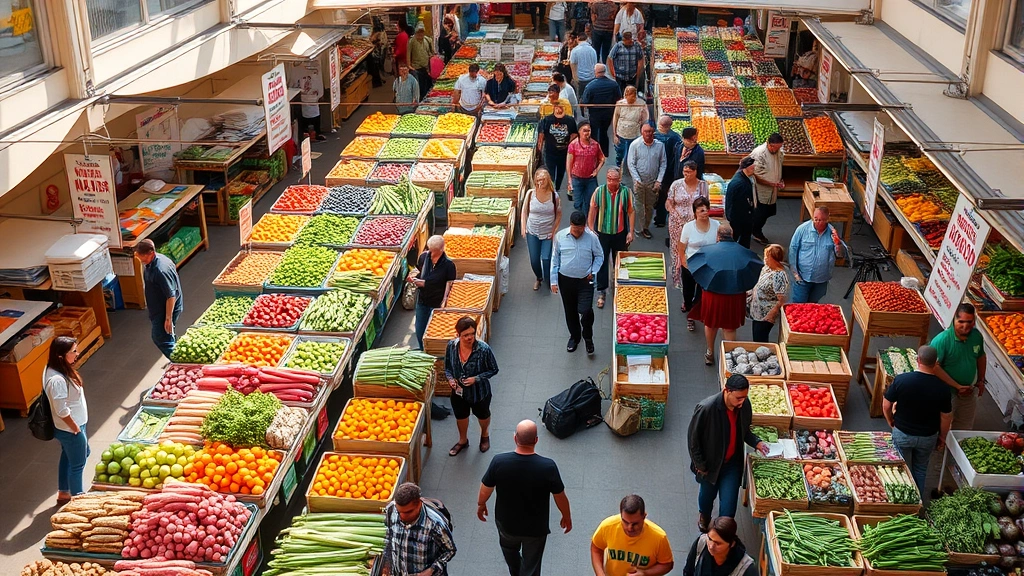
San Diego’s Little Italy neighborhood has become a vibrant hub for fresh, locally-sourced produce and artisanal goods. The Little Italy Farmers Market stands as a cornerstone of this community, drawing both residents and visitors seeking authentic, farm-to-table experiences. Whether you’re a longtime San Diego resident or exploring the area for the first time, understanding what makes this market special requires insight into its vendors, seasonal offerings, and the broader movement toward local commerce that defines modern retail landscapes.
The farmers market phenomenon represents more than just a shopping destination—it reflects a fundamental shift in consumer behavior toward sustainability, community engagement, and transparency in food sourcing. As explored in our Market Rise Hub Blog, local markets are reshaping how communities interact with commerce. Little Italy’s market exemplifies this transformation, offering shoppers a direct connection to producers and craftspeople who prioritize quality over mass production.
Understanding Little Italy’s Market Culture
Little Italy has undergone significant transformation over the past two decades, evolving from a residential enclave into a destination neighborhood that celebrates food, culture, and entrepreneurship. The farmers market serves as the physical manifestation of this evolution, bringing together producers, artisans, and consumers in a space that honors tradition while embracing contemporary commerce practices.
The market’s cultural significance extends beyond simple transactions. It represents a commitment to preserving agricultural heritage while supporting San Diego’s farm economy. According to USDA Agricultural Marketing Service data, farmers markets across the United States have grown by over 70% in the past decade, with California leading in market density and diversity. San Diego’s Little Italy market participates in this national movement while maintaining distinct local character.
What distinguishes Little Italy’s market from other San Diego venues is its integration into the neighborhood’s broader retail and dining ecosystem. Shoppers can purchase fresh ingredients directly from producers, then visit nearby restaurants and specialty shops that feature these same products. This creates a circular economy that strengthens community bonds and supports local entrepreneurship.
The market operates within a framework of community values that emphasize sustainability, fair pricing, and direct producer-consumer relationships. When you visit, you’re not simply buying produce—you’re participating in a system designed to ensure farmers receive fair compensation while consumers access the freshest possible goods.
Seasonal Produce and What to Expect
San Diego’s Mediterranean climate creates ideal conditions for year-round produce cultivation, making the Little Italy Farmers Market a reliable source for seasonal offerings throughout all months. Understanding seasonal availability helps shoppers plan meals, budget effectively, and support crops at peak freshness and nutritional value.
Spring Season (March-May) brings an explosion of color and variety. Asparagus, artichokes, spring greens, strawberries, and early stone fruits dominate vendor stalls. This period represents peak activity for local farmers who’ve spent winter preparing fields for spring planting. Prices tend to be moderate as supply increases, making this an excellent time for budget-conscious shoppers.
Summer Season (June-August) features the market’s most abundant selection. Tomatoes in dozens of varieties, stone fruits including peaches and plums, berries, corn, zucchini, and peppers reach their peak. Summer is the traditional farmers market season when most vendors maintain full operations. Prices remain competitive due to high supply, though premium heirloom varieties command premium pricing.
Fall Season (September-November) transitions toward harvest crops. Apples, pears, grapes, pumpkins, squash, and root vegetables become prominent. This season offers excellent opportunities for preservation-focused shoppers interested in canning or freezing. The market maintains strong attendance as residents prepare for holiday entertaining and gatherings.
Winter Season (December-February) features hardy crops including citrus fruits, leafy greens, root vegetables, and storage crops. While less visually abundant than summer months, winter markets offer exceptional quality and value on items suited for hearty cooking. Citrus from San Diego County reaches peak sweetness during this period.
Beyond produce, the Little Italy Farmers Market features year-round vendors offering honey, preserves, baked goods, artisanal cheeses, nuts, dried herbs, and prepared foods. These value-added products provide consistent inventory regardless of seasonal produce fluctuations.
Local Vendors and Artisanal Offerings
The vendor community at Little Italy Farmers Market represents diverse agricultural operations ranging from small family farms to specialty producers. Each vendor brings distinct expertise, farming practices, and product specializations that collectively create the market’s character.
Conventional vegetable growers supply the bulk of produce offerings, focusing on high-volume crops like tomatoes, lettuce, peppers, and squash. These vendors typically operate multi-acre farms within San Diego County and surrounding regions, maintaining certified growing practices and food safety protocols that meet or exceed regulatory requirements.
Organic and specialty produce vendors cater to shoppers seeking specific growing methods or heirloom varieties. These operations often emphasize sustainable farming practices, biodiversity, and chemical-free cultivation. Premium pricing reflects higher labor costs and lower yields associated with specialty production methods.
Fruit vendors showcase citrus, stone fruits, berries, and melons with particular emphasis on varieties optimized for fresh consumption rather than commercial shipping. Many specialize in heritage varieties unavailable through conventional retail channels, offering flavors and characteristics that modern supermarket agriculture has largely abandoned.
Artisanal producers bring value-added products including honey, preserves, jams, baked goods, nuts, dried herbs, and prepared foods. These vendors typically operate small-scale production facilities, often operating from home kitchens licensed under California’s Homemade Food Operations Act. Their products reflect personal recipes, family traditions, and quality standards that prioritize ingredient integrity over shelf-life optimization.
Specialty food vendors offer imported goods, ethnic ingredients, and unique products reflecting San Diego’s diverse population and Little Italy’s cultural heritage. These might include Italian imports, Latin American products, Asian ingredients, or other specialty items that serve both ethnic communities and adventurous home cooks.
Understanding vendor backgrounds helps shoppers make informed purchasing decisions aligned with personal values. Many vendors maintain social media presence or websites providing detailed information about farming practices, certifications, and product sourcing. Don’t hesitate to ask vendors about their operations—most appreciate customer interest and provide detailed explanations of their practices.
Shopping Tips for Maximum Value
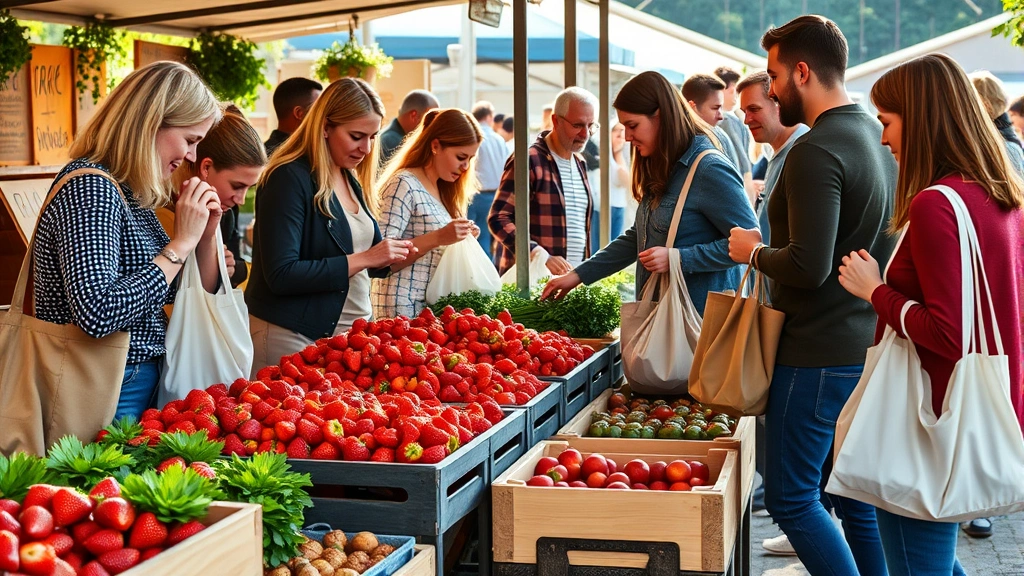
Strategic shopping at farmers markets requires understanding market dynamics, seasonal availability, pricing patterns, and vendor relationships. These insights help maximize value while supporting vendors who align with your preferences.
Arrive Early for Selection: Popular vendors often sell out of premium items by mid-morning. Arriving at market opening provides access to full inventory and allows time to browse without feeling rushed. Early shopping also allows conversation with vendors who may be less busy than later in the day.
Bring Cash: While increasing numbers of vendors accept digital payments, cash remains preferred for several reasons. Some vendors offer modest discounts for cash transactions. Cash transactions are faster, reducing lines during peak shopping hours. Many smaller vendors appreciate cash’s simplicity, and your cash spending supports local circulation of currency within the community.
Ask About Imperfect Produce: Vendors often have cosmetically imperfect produce—items with minor blemishes, unusual shapes, or size variations—that they sell at reduced prices. These items are identical in quality and flavor to premium selections, representing exceptional value. Building relationships with vendors makes them more likely to set aside these bargains for regular customers.
Plan Meals Around Availability: Rather than shopping with fixed meal plans, browse available produce and plan meals based on what’s fresh and abundant. This approach provides better value, supports seasonal eating, and encourages recipe creativity. The freshest items are typically most abundant and therefore most affordable.
Purchase Larger Quantities for Preservation: When produce reaches peak season and prices drop, consider purchasing larger quantities for freezing, canning, or other preservation methods. This maximizes value while ensuring access to seasonal favorites year-round. Many vendors offer modest discounts for bulk purchases.
Build Vendor Relationships: Regular customers who develop relationships with vendors often receive preferential treatment, advance notice of special items, and sometimes modest discounts. Vendors appreciate customers who remember their names, ask about their operations, and demonstrate genuine interest in their products.
Compare Pricing Strategically: While farmers market prices often exceed supermarket prices for conventional produce, premium quality justifies price differentials. However, comparing prices across vendors helps identify best value. Prices vary based on quality, variety, and vendor overhead—higher prices don’t always indicate better value.
Check for Certifications: Look for organic certification badges, non-GMO verification, or other certifications indicating specific growing practices. These certifications provide assurance and help align purchases with personal values. Certified organic products command premium pricing reflecting additional certification costs and production requirements.
Community Impact and Economic Benefits
The Little Italy Farmers Market generates significant economic and social benefits extending far beyond individual transactions. Understanding these broader impacts contextualizes the market’s importance to San Diego’s community and economy.
Direct Farm Support: Farmers market sales provide crucial income for local agricultural operations. Unlike wholesale channels where farmers receive minimal margins, direct-to-consumer sales allow farmers to capture significantly higher percentages of retail prices. This improved profitability enables farm sustainability and supports agricultural preservation in increasingly urbanized areas.
Community Economic Development: Money spent at farmers markets circulates within local economies more efficiently than supermarket spending. Local First Colorado research demonstrates that independent local businesses recirculate approximately 48% of revenue back into local communities, compared to 14% for chain retailers. San Diego’s farmers market economy reflects similar patterns.
Neighborhood Foot Traffic: The market attracts consistent crowds that benefit surrounding businesses. Shoppers visit nearby restaurants, specialty shops, galleries, and services while attending the market. This foot traffic supports retail ecosystems and creates synergies that strengthen overall neighborhood viability.
Food Security and Access: Farmers markets improve community food access, particularly in neighborhoods where fresh produce availability through conventional retail is limited. Lower prices compared to specialty grocers and direct producer relationships increase affordability and quality of fresh food access.
Environmental Benefits: Direct farmer-to-consumer sales eliminate intermediate transportation steps, reducing carbon footprints associated with food distribution. Farmers market produce typically travels significantly shorter distances than supermarket produce, reducing transportation emissions and fuel consumption. Additionally, many farmers market vendors practice sustainable agriculture, reducing chemical inputs and environmental impact.
Educational Opportunities: Farmers markets provide informal education about seasonal eating, food preparation, agricultural practices, and nutrition. Vendor interactions create learning opportunities that supermarket shopping cannot match. These educational benefits improve food literacy and empower consumers to make informed dietary choices.
Social Connection: Regular farmers market attendance builds community connections. Shoppers encounter neighbors, develop relationships with vendors, and participate in shared community experiences. These social benefits contribute to neighborhood cohesion and individual well-being, particularly important in increasingly disconnected urban environments.
Digital Marketing for Local Markets
Modern farmers markets increasingly leverage digital marketing strategies to build customer awareness, communicate offerings, and drive attendance. Understanding these marketing approaches helps shoppers stay informed while appreciating the business complexity behind successful market operations.
As detailed in our Digital Marketing Trends 2025 guide, local markets are adopting sophisticated social media strategies, email marketing, and digital advertising. The Little Italy Farmers Market increasingly utilizes these channels to announce seasonal offerings, highlight featured vendors, and drive attendance during traditionally slower periods.
Social media presence allows markets to showcase produce through appealing photography, share vendor stories, and build community engagement. Instagram particularly serves farmers markets well, with visual platforms enabling effective promotion of fresh, colorful produce photography that drives interest and foot traffic.
Email marketing reaches regular customers with advance notice of special events, vendor rotations, and seasonal highlights. This permission-based marketing builds customer loyalty while providing vendors with audience reach opportunities.
Website presence provides centralized information about market hours, vendor listings, parking, accessibility, and payment options. Comprehensive website information reduces barriers to first-time attendance while serving as reference resource for regular customers.
For business owners and market managers seeking to develop effective marketing strategies, our Marketing Strategy for Small Businesses article provides actionable frameworks applicable to market promotion and vendor business development. Additionally, our How to Create a Marketing Plan resource offers step-by-step guidance for market operators seeking to increase visibility and attendance.
Individual vendors increasingly maintain their own digital presence through social media, websites, and email lists. This vendor-level marketing builds customer loyalty and enables direct communication about product availability, pricing, and special offerings. Shoppers following favorite vendors receive advance notice about new products and can plan visits around specific vendor availability.
For broader market research and understanding consumer behavior patterns relevant to farmers markets and local commerce, IBISWorld industry reports provide comprehensive analysis of farmers market economics, consumer trends, and market growth projections. These professional resources help market operators and vendors understand broader industry dynamics.
Digital payment integration represents another critical marketing and operational consideration. While many shoppers prefer cash, vendors increasingly accept digital payments through mobile payment systems. This technology reduces barriers for customers without cash while improving transaction efficiency during peak hours.
The intersection of digital marketing and traditional farmers market commerce creates unique opportunities for community-focused businesses. Markets that effectively leverage digital channels while maintaining authentic community connection experience stronger attendance and vendor satisfaction than those relying solely on traditional promotion.
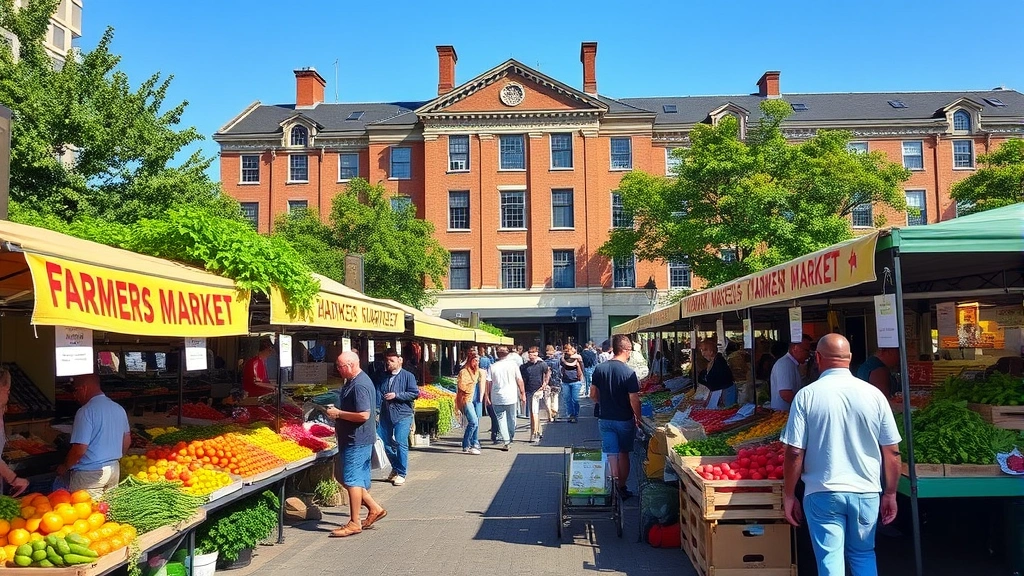
For shoppers interested in exploring broader retail markets and understanding market dynamics beyond farmers markets, our Markets Near Me resource provides comprehensive guides to various market types and locations throughout San Diego. Additionally, those interested in financial markets and broader economic trends may appreciate our Stock Market section, which explores economic indicators relevant to retail and consumer behavior.
FAQ
What are the Little Italy Farmers Market operating hours?
Operating hours vary seasonally and by day of week. The market typically operates Saturday mornings year-round, with expanded hours during peak season. Check the official market website or social media for current hours, as scheduling changes seasonally and for special events.
Do vendors accept digital payments or only cash?
Most vendors now accept both cash and digital payments including credit cards, debit cards, and mobile payment systems. However, cash remains common and some vendors offer modest discounts for cash transactions. Bringing both payment methods ensures flexibility.
Is the Little Italy Farmers Market organic certified?
The market itself is not certified organic, though individual vendors may be certified organic. Look for USDA organic certification badges at vendor stalls. Ask vendors about their growing practices and certifications—most are happy to discuss their operations.
What should I bring when shopping at the farmers market?
Bring reusable bags or containers to reduce waste and make carrying purchases easier. Cash is helpful though increasingly optional. Consider bringing a small cooler if shopping for extended periods during warm months. A list of planned meals helps with shopping focus, though remain flexible to purchase seasonal abundance.
Are there parking options near Little Italy Farmers Market?
Little Italy offers street parking and several paid parking lots. Arrive early for better parking availability. Consider public transportation if available, as parking can be limited during peak market hours. Check the market’s website for specific parking guidance.
Can I find specific produce items at the market?
Item availability varies by season and vendor inventory. Call ahead or check social media if seeking specific items. Building relationships with vendors allows you to request specific produce or reserve items in advance, particularly for specialty items or bulk purchases.
How can I find information about specific vendors?
Many vendors maintain social media presence or websites with information about their operations, certifications, and product availability. Ask vendors directly for contact information. The market may maintain vendor directories or lists available on their website or social media channels.
Are there prepared foods available at the market?
Yes, many markets include prepared food vendors offering ready-to-eat items, baked goods, and prepared dishes. These vendors provide convenient options for customers wanting immediate consumption items rather than cooking ingredients.