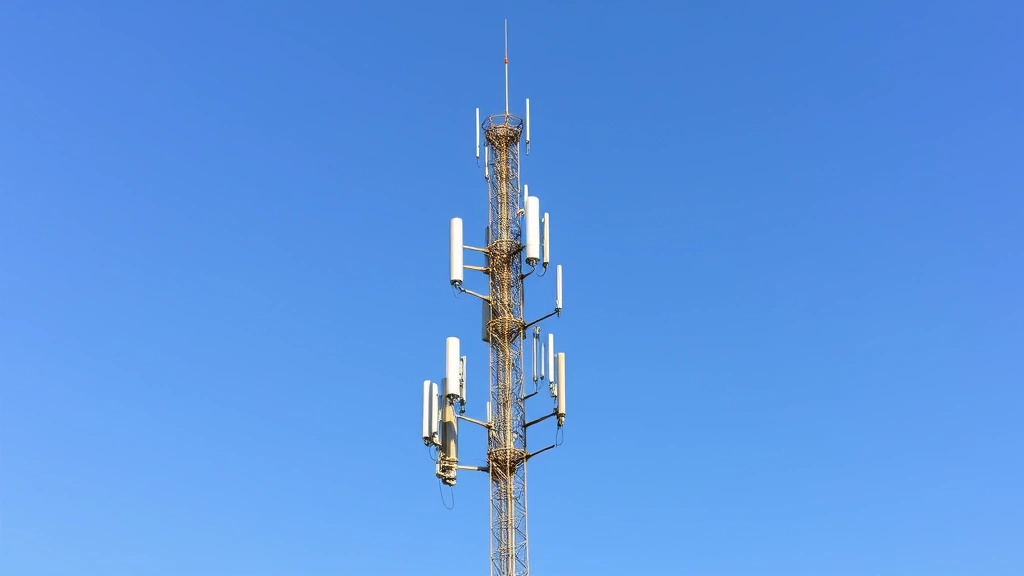
Tower Market Trends: Analyst Insights for 2025
The tower market—encompassing cellular towers, data centers, and communication infrastructure—stands at a pivotal moment. As businesses increasingly depend on seamless connectivity and data processing, tower operators and investors are navigating unprecedented demand, regulatory shifts, and technological evolution. This comprehensive analysis explores the key trends shaping the tower market landscape, providing actionable insights for stakeholders across the industry.
Tower infrastructure has evolved from simple cellular transmission points into complex ecosystems supporting 5G networks, edge computing, and IoT deployments. Understanding current market trends is essential for investors, telecommunications companies, and infrastructure operators seeking competitive advantage in this dynamic sector.
5G Expansion and Infrastructure Investment
The rollout of 5G technology represents the most significant growth driver for tower markets globally. Unlike 4G networks, 5G requires substantially more infrastructure due to higher frequency bands and shorter signal ranges. This fundamental difference creates unprecedented demand for tower space and new site deployments. Analysts project that 5G infrastructure spending will exceed $150 billion through 2027, with tower operators positioned as primary beneficiaries.
Major telecommunications carriers are accelerating tower construction and upgrades to support 5G services. This expansion isn’t limited to urban centers—rural and suburban markets are receiving increased investment as carriers compete for comprehensive coverage. Tower operators benefit through increased site density, colocation opportunities, and higher lease rates from carriers seeking premium locations.
The shift toward standalone 5G networks (non-dependent on 4G infrastructure) creates additional opportunities. Carriers require new tower locations specifically optimized for 5G frequencies, driving greenfield development and site acquisition strategies. Stock market investors have noted that publicly traded tower REITs demonstrate consistent growth aligned with 5G deployment timelines.
International markets present particularly attractive opportunities. Developing nations are leapfrogging traditional infrastructure deployment, moving directly to 5G networks. This creates urgent demand for tower infrastructure in Asia-Pacific, Latin America, and Africa, where tower operators can achieve rapid returns on capital deployment.
Tower Consolidation and Market Consolidation
The tower market exhibits pronounced consolidation trends, with larger operators acquiring regional and independent tower companies. This consolidation creates operational efficiencies, improves cash flow profiles, and enhances negotiating power with carriers. The top three tower operators now control approximately 65% of the global market, reflecting continued concentration.
Consolidation benefits tower operators through:
- Cost synergies—Eliminating redundant operations and centralizing maintenance functions reduce per-tower operational expenses by 15-25%
- Portfolio optimization—Combining complementary tower networks creates geographic coverage advantages and reduces geographic risk
- Capital efficiency—Larger operators access cheaper capital and demonstrate superior debt metrics to rating agencies
- Tenant relationships—Consolidated operators offer carriers single-vendor solutions across broader geographic areas
Private equity firms recognize tower consolidation opportunities, acquiring independent operators and building platforms through add-on acquisitions. This strategy leverages operational improvements and market expansion to drive value creation. Several regional markets remain fragmented, particularly in Europe and Asia, presenting consolidation targets for well-capitalized acquirers.
However, consolidation faces regulatory scrutiny in certain markets. Antitrust authorities examine whether tower consolidation reduces competition and increases carrier costs. Operators must navigate these regulatory considerations when structuring acquisitions and integration strategies.
Data Center Integration and Edge Computing
Tower operators increasingly integrate data center capabilities directly into tower sites. This trend responds to explosive growth in edge computing—processing data closer to end users rather than centralized cloud facilities. Edge computing market growth is projected at 20% annually through 2028, creating substantial opportunities for tower operators with proper infrastructure.
Traditional tower sites feature power infrastructure, real estate, and backhaul connectivity—precisely the components edge data centers require. Tower operators are retrofitting existing sites with modular data center equipment, small cell technology, and computing infrastructure. This vertical integration creates multiple revenue streams from single locations.
Benefits of tower-based data centers include:
- Reduced latency for applications requiring real-time processing (autonomous vehicles, industrial IoT, augmented reality)
- Lower bandwidth costs through local data processing rather than backhauling to central facilities
- Improved resilience through distributed architecture rather than centralized data center concentration
- New revenue opportunities from tower operators offering edge computing as a service
Carriers increasingly demand this integrated capability, viewing tower operators as strategic partners rather than mere real estate providers. Digital transformation trends accelerate this convergence, as enterprises seek infrastructure supporting advanced applications and analytics.

Environmental and Sustainability Pressures
Environmental concerns significantly impact tower market dynamics. Tower sites consume substantial electrical power, primarily for air conditioning and transmission equipment. As sustainability becomes increasingly important to carriers and regulators, tower operators face pressure to reduce carbon footprints and improve energy efficiency.
Leading operators are implementing:
- Renewable energy integration—Solar panels, wind turbines, and battery storage systems reduce grid dependence and operating costs
- Cooling optimization—Advanced cooling systems and liquid cooling technologies reduce energy consumption by 30-40%
- Power efficiency upgrades—LED lighting, efficient power conversion, and intelligent power management systems lower electricity demand
- Carbon offset programs—Some operators purchase carbon credits to offset remaining emissions
Sustainability improvements offer dual benefits: reducing operating expenses while meeting corporate environmental commitments. Carriers increasingly factor environmental performance into tower operator selection, creating competitive advantage for leaders in sustainability. This trend aligns with broader corporate sustainability initiatives, as market evolution increasingly values environmental responsibility.
Regulatory frameworks are tightening around tower site environmental impact. Some jurisdictions mandate emissions reductions for infrastructure operators, while others offer incentives for renewable energy adoption. Forward-thinking operators view sustainability as strategic advantage rather than compliance burden.
Regulatory Landscape Changes
Tower markets operate within complex regulatory environments that vary significantly by jurisdiction. Recent regulatory developments shape tower operator strategies and market dynamics substantially.
Key regulatory trends include:
- Spectrum auction dynamics—Government spectrum auctions determine carrier capital availability for tower investments. Higher auction prices reduce carrier spending on infrastructure, potentially pressuring tower growth
- Right-of-way regulations—Changing rules for tower placement on public property affect site availability and deployment timelines
- Electromagnetic field standards—Evolving health and safety standards influence tower design and operational practices
- Foreign investment restrictions—Some countries implement restrictions on foreign ownership of telecommunications infrastructure, limiting investor access to certain markets
- Net neutrality implications—Regulatory approaches to net neutrality affect carrier network investments and tower demand
Tower operators must monitor regulatory developments closely, as policy shifts can dramatically impact market growth trajectories. Engaging with policymakers and industry associations helps operators influence regulatory outcomes and anticipate changes affecting business models.
Investment Opportunities and Valuation Metrics
Tower market investment opportunities span public REITs, private equity platforms, and direct tower ownership. Understanding valuation metrics helps investors identify attractive opportunities within this capital-intensive sector.
Key valuation metrics for tower investments include:
- EBITDA multiples—Tower operators typically trade at 20-25x EBITDA, reflecting stable cash flows and growth characteristics. Higher multiples reward operators with superior growth profiles and geographic diversification
- Funds from operations (FFO)—For tower REITs, FFO per share measures dividend sustainability and capital allocation efficiency
- Lease escalation rates—Average annual escalation rates (typically 2-5%) directly impact long-term cash flow growth and valuation
- Tenant diversification—Operators with multiple carrier tenants demonstrate lower risk profiles and command premium valuations
- Capital intensity metrics—Lower maintenance capital requirements and depreciation ratios improve cash available for distribution
Emerging opportunities exist in specific market segments. Small cell operators, which deploy thousands of compact transmission sites, represent high-growth segments with favorable unit economics. Strategic marketing approaches help tower operators communicate differentiated value propositions to potential investors and tenants.
International tower markets, particularly in Asia-Pacific and Latin America, offer growth rates exceeding mature North American markets. However, currency risks, regulatory uncertainty, and execution challenges require careful evaluation. Diversified tower operators with geographic breadth demonstrate more resilient financial performance across market cycles.
Private tower companies increasingly pursue sale-leaseback arrangements, selling mature tower portfolios to institutional investors while retaining management contracts. This capital-efficient strategy enables operators to recycle capital into higher-growth opportunities while maintaining operational control. Institutional investors view tower portfolios as attractive long-term assets with inflation-protected cash flows.

FAQ
What is the tower market and why does it matter?
The tower market encompasses the infrastructure supporting wireless telecommunications, including cellular towers, small cells, and distributed antenna systems. It matters because this infrastructure enables mobile connectivity, 5G deployment, and emerging technologies like edge computing. Tower operators generate recurring revenue through long-term carrier leases, making tower investments attractive for income-focused portfolios.
How is 5G affecting tower market growth?
5G requires substantially more infrastructure than previous generations due to higher frequencies and shorter signal ranges. This creates increased demand for tower space, new site deployments, and colocation opportunities. Carriers are accelerating tower construction to achieve comprehensive 5G coverage, driving significant growth in the tower market through 2027 and beyond.
What are the main risks in tower market investments?
Primary risks include carrier consolidation (reducing tenant diversity), technology disruption (such as satellite internet reducing tower dependence), regulatory changes affecting spectrum or infrastructure rules, and execution risks in international markets. Investors should evaluate operator-specific factors including tenant concentration, geographic diversification, and leverage levels.
How do tower operators generate revenue?
Tower operators primarily generate revenue through long-term lease agreements with wireless carriers, typically spanning 5-10 years with annual escalation clauses. Secondary revenue comes from installation services, site access fees, and increasingly from edge computing and data center services. This diversified revenue model supports stable cash flows and predictable growth.
What is the difference between tower REITs and private tower companies?
Tower REITs are publicly traded entities required to distribute at least 90% of taxable income to shareholders, offering liquidity and transparency but potentially lower growth rates. Private tower companies have greater operational flexibility and can retain capital for growth investments, but offer less liquidity. Both structures serve different investor objectives and risk profiles.
How do consolidation trends affect tower market dynamics?
Consolidation creates larger, more efficient operators with improved negotiating power and access to capital. Consolidated operators achieve cost synergies, optimize portfolios, and offer carriers comprehensive coverage solutions. However, consolidation also reduces competition and can increase carrier costs, attracting regulatory scrutiny in some jurisdictions.
What role does edge computing play in tower market evolution?
Edge computing drives tower operators to integrate data center capabilities into tower sites. This vertical integration creates new revenue streams, improves customer value propositions, and positions tower operators as comprehensive infrastructure providers rather than simple real estate lessors. Edge computing growth is accelerating this transformation significantly.


