Tower Grove Farmers Market Tips: Local Insights for Smart Shopping
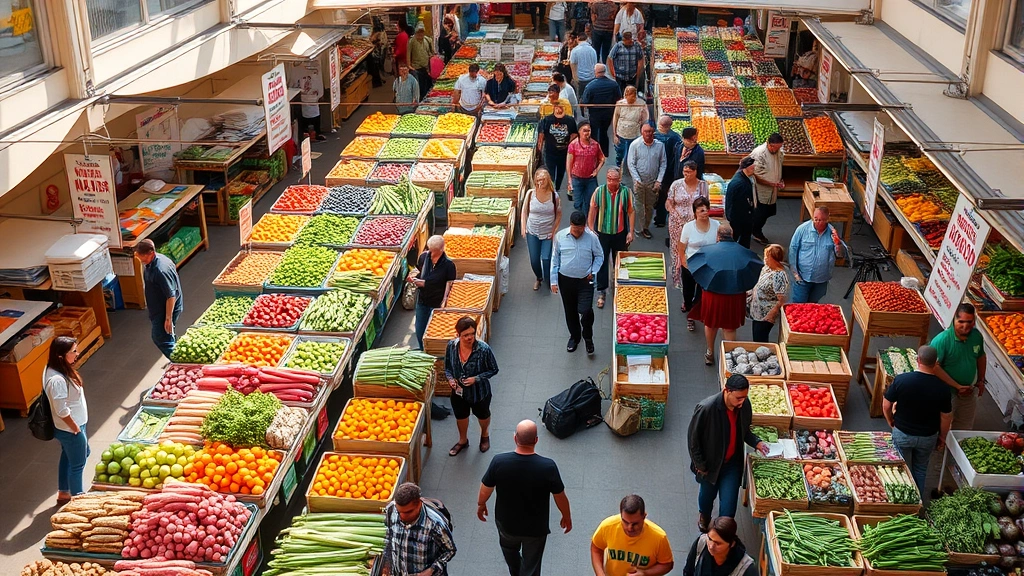
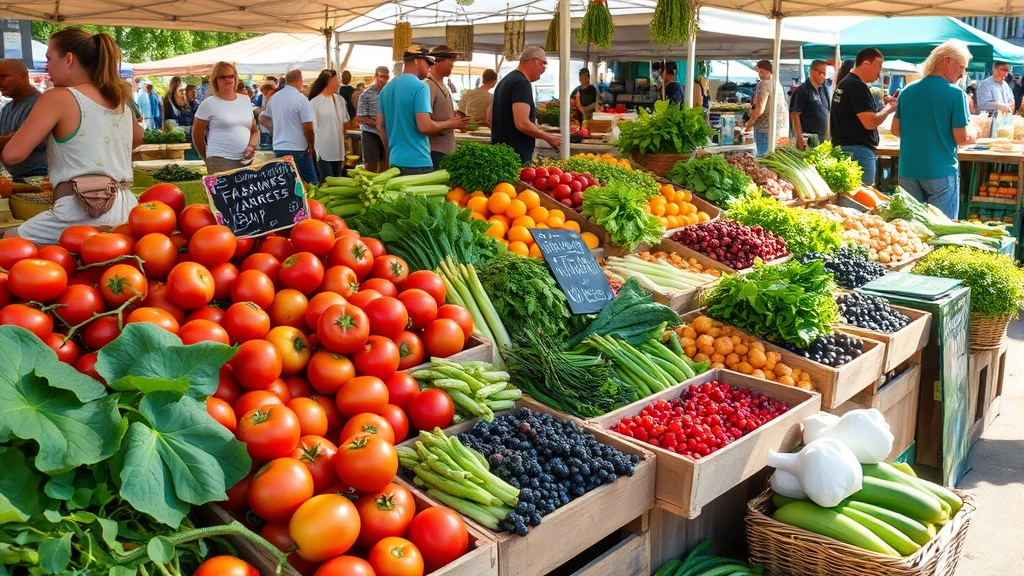
The Tower Grove Farmers Market stands as one of St. Louis’s most vibrant community gathering spaces, operating year-round and attracting thousands of shoppers, vendors, and food enthusiasts weekly. Located in the heart of the Tower Grove neighborhood, this market has evolved into more than just a place to buy fresh produce—it’s become a cultural hub where local commerce thrives, relationships deepen, and sustainable food systems flourish. Whether you’re a seasoned farmers market shopper or visiting for the first time, understanding the nuances of this dynamic marketplace can dramatically enhance your experience and help you maximize your investment in local, high-quality products.
Shopping at farmers markets represents a fundamental shift in how consumers engage with their food supply and support their local economy. Unlike traditional grocery stores, farmers markets near you offer direct access to producers, transparency about sourcing practices, and products that typically arrive at your table within hours of harvest. The Tower Grove Farmers Market exemplifies this model, featuring over 100 vendors during peak season, including farmers, bakers, artisans, and prepared food vendors who collectively represent the region’s agricultural and culinary excellence.
Best Times to Visit Tower Grove Farmers Market
Timing your visit to the Tower Grove Farmers Market can significantly impact your shopping experience, product selection, and ability to interact meaningfully with vendors. The market operates on Saturday mornings year-round, typically from 8 AM to 12 PM during winter months and extending to 1 PM during the growing season from May through October. Arriving early—ideally between 8 and 8:30 AM—provides several strategic advantages that experienced shoppers consistently prioritize.
Early morning visits offer the freshest product selection, as vendors arrive with their peak inventory before popular items sell out. Farmers who harvested overnight have their most pristine produce available at opening, while bakeries present warm bread and pastries still radiating from the oven. Additionally, early arrival means shorter lines at popular vendor stalls, allowing you more time to ask questions about growing practices, preparation methods, and product origins. The atmosphere also feels less crowded, creating a more contemplative shopping environment where you can thoughtfully evaluate your purchases rather than navigate through dense crowds.
Mid-morning visits, particularly between 9 and 10 AM, represent a reasonable compromise if you cannot arrive at opening. You’ll still find strong product selection while the market reaches its peak energy and social vibrancy. However, avoid visiting after 11 AM on busy Saturdays, as vendor selection diminishes significantly and many popular items become unavailable. Understanding marketing strategy for small businesses helps explain why farmers markets create urgency through limited inventory—this scarcity principle encourages consistent customer engagement and repeat visits.
Navigating Vendor Selection and Quality Standards
The Tower Grove Farmers Market maintains rigorous standards for vendor participation, ensuring that all sellers meet specific criteria regarding product sourcing, food safety, and business legitimacy. Unlike conventional retail environments, farmers markets operate on a direct-producer model where vendors typically grow, produce, or prepare their own goods. This fundamental difference means you’re purchasing directly from the source, eliminating middlemen and ensuring authenticity.
When evaluating vendors, look for clear signage indicating whether they are actual growers, producers, or resellers. Legitimate farmers will display their produce in ways that reflect harvest reality—slight imperfections, soil residue, and natural variation indicate authentic farm products rather than artificially uniform supermarket produce. Ask vendors about their farming practices, pest management approaches, and whether they use organic methods. Detailed, enthusiastic responses suggest genuine expertise and passion for their work, while vague answers may indicate resellers purchasing from wholesale markets rather than direct producers.
Quality indicators extend beyond visual appearance. Smell fresh herbs and berries—their aroma should be intense and natural. Feel produce for firmness appropriate to the item type; tomatoes should yield slightly to pressure, while squash should feel solid. Engage vendors in conversation about upcoming harvests, seasonal challenges, and recommended preparation methods. These interactions reveal whether someone genuinely understands their product’s characteristics and growing conditions. The Market Rise Hub Blog frequently discusses how direct consumer relationships transform business dynamics, a principle clearly evident at farmers markets.
Price comparison across vendors provides valuable context. While farmers market prices may exceed supermarket costs, they typically prove competitive when considering superior quality, freshness, and ethical sourcing. Some vendors offer bulk discounts for larger purchases, particularly late in the market day when they prefer reducing inventory over transporting unsold goods home. Building relationships with multiple vendors allows you to identify who offers the best value for specific product categories—one farmer may excel with berries while another specializes in root vegetables.
Strategic Shopping Tips for Maximum Value
Successful farmers market shopping requires strategic planning that extends beyond impulse purchases. Begin by identifying your weekly cooking plans and creating a targeted shopping list based on recipes and meal intentions. This approach prevents overbuying perishables that may spoil before use and ensures you purchase complementary ingredients from appropriate vendors. For instance, if planning to make ratatouille, identify which vendors offer eggplant, zucchini, tomatoes, and peppers, then visit them strategically to gather all components.
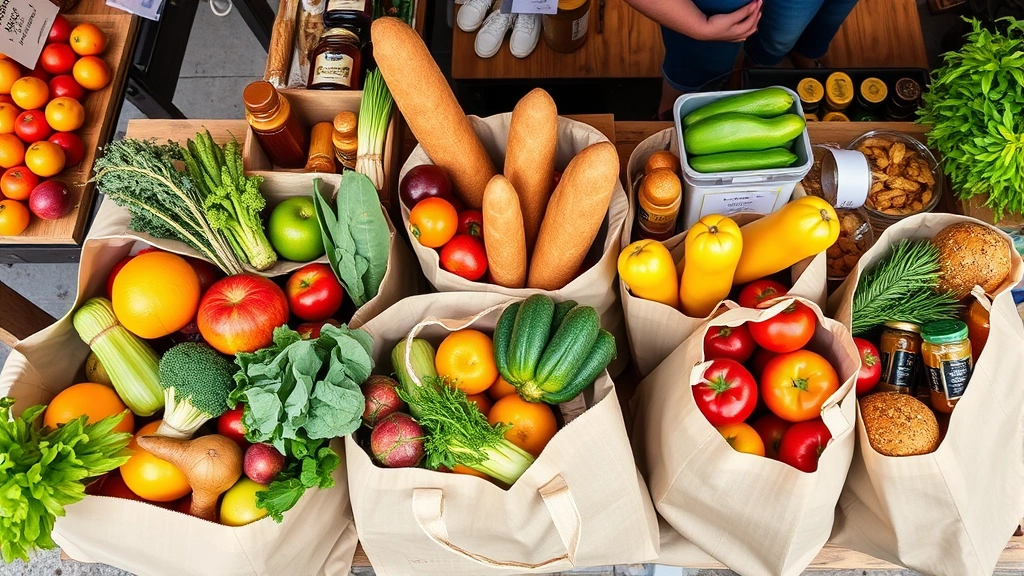
Bring reusable bags, cloth produce bags, and containers to reduce waste and eliminate dependency on single-use plastics that many vendors provide. This preparation demonstrates environmental consciousness that most farmers market vendors appreciate and may even result in slightly better pricing or bonus items. Arrive with adequate cash, though many vendors now accept mobile payments and cards. Having small bills prevents excessive change-making and demonstrates respect for vendor time management.
Prioritize purchasing items with the shortest shelf life first—berries, leafy greens, and tender vegetables should be purchased early and handled carefully. Save sturdy items like root vegetables, winter squash, and apples for later in your shopping journey, allowing them to protect more delicate products in your bags. Understanding why marketing is important for business helps explain how farmers markets succeed through customer education and relationship-building rather than aggressive promotional tactics.
Ask vendors for storage recommendations. Some produce lasts longer when refrigerated, while others prefer cool, dark environments. Herbs stay fresher when stored like flowers in water. Root vegetables benefit from removing greens before storage. These specific details, freely shared by knowledgeable vendors, can extend your produce’s usable lifespan by days or even weeks, dramatically improving your value proposition.
Understanding Seasonal Availability and Planning Purchases
The Tower Grove Farmers Market’s seasonal rhythm reflects the region’s agricultural calendar, with product availability shifting dramatically throughout the year. Spring brings tender greens, asparagus, strawberries, and fresh herbs as dormant plants awaken. Early summer transitions to stone fruits, berries, and the first tomatoes, while mid-summer explodes with abundance—tomatoes, peppers, cucumbers, beans, and every vegetable imaginable reaches peak availability. Late summer and fall shift toward heartier vegetables like squash, carrots, brassicas, and apples, extending through November.
Winter market selections narrow considerably, featuring primarily storage crops, greenhouse greens, root vegetables, preserved goods, and prepared foods. This seasonal variation teaches valuable lessons about food systems and natural production cycles. Rather than fighting against seasonality, successful shoppers embrace it by planning meals around what’s abundant and reasonably priced. Strawberries in June cost a fraction of their January price because they’re naturally abundant, not shipped from distant growing regions.
Understanding seasonality also informs preservation and storage strategies. When tomatoes flood the market in August, consider making sauce, salsa, or jam to extend enjoyment through winter months. Summer berry abundance invites freezing for winter smoothies and baking. This preservation knowledge connects to stock market principles—inventory management, supply and demand dynamics, and strategic purchasing all apply to farmers market shopping with surprising relevance.
Develop relationships with vendors who sell preserved goods, including jams, pickles, sauces, and frozen preparations. These value-added products allow you to enjoy seasonal flavors year-round while supporting farmers’ ability to monetize their harvest beyond fresh sales. Many farmers create these preserves themselves during off-season periods, representing additional entrepreneurial revenue streams that strengthen their business viability.
Building Relationships with Local Vendors
The Tower Grove Farmers Market thrives on personal relationships that develop between regular customers and vendors. Unlike anonymous supermarket transactions, farmers market shopping encourages meaningful interaction that benefits both parties. Regular customers receive preferential treatment, including reserved product allocation, special pricing, and first access to limited-quantity items. Vendors appreciate consistent faces who understand their work and support their livelihood.
Introduce yourself to vendors you frequent regularly. Ask their names and remember details about their operations. Inquire about their families, challenges they face, and plans for upcoming seasons. Share how you prepared products they sold you—most farmers genuinely enjoy hearing how customers utilize their harvest. This emotional connection transforms transactional exchanges into genuine relationships that enhance the entire market experience.
Loyalty demonstrates value that extends beyond monetary transactions. Vendors remember customers who visit consistently, ask thoughtful questions, and treat them with respect. They’ll often set aside premium items for loyal customers, offer bulk discounts, or provide free samples of new products. Some vendors create informal notification systems, texting regular customers when specific items become available or when they’re bringing limited-quantity specialty products.
Engage vendors in conversations about their farming practices, challenges, and sustainability approaches. Most farmers passionate enough to participate in farmers markets possess genuine commitment to their work and appreciate customers interested in their methods. These conversations often reveal fascinating details about pest management, crop rotation, water conservation, and other sustainable practices that supermarket shopping never exposes.
Supporting Small Business Growth Through Market Participation
Shopping at the Tower Grove Farmers Market represents more than personal food procurement—it’s a strategic choice to support small business growth and strengthen your local economy. Every dollar spent with farmers market vendors circulates within the community at rates far exceeding supermarket spending. Research from Local Harvest demonstrates that farmers market dollars generate three times more local economic activity than supermarket purchases.
Farmers market vendors typically operate on significantly thinner profit margins than large retailers, making customer support directly impact their business viability. Many farmers depend on farmers market revenue to sustain operations during low-season periods or to fund equipment investments and expansion. Your purchases enable these small businesses to remain solvent, employ family members, and invest in improved growing practices and infrastructure.
Understanding digital marketing trends 2025 reveals how small vendors increasingly leverage social media and online platforms to engage customers beyond market days. Many Tower Grove farmers market vendors maintain Instagram accounts, email newsletters, or Facebook pages where they share harvest updates, preparation tips, and seasonal availability information. Following these accounts deepens your connection to vendors and provides valuable content about food seasonality and preparation methods.
Consider purchasing gift cards or certificates from individual vendors, which support their cash flow while guaranteeing future purchases. Some vendors offer CSA (Community Supported Agriculture) programs providing weekly produce boxes at pre-season pricing, representing an excellent value while providing farmers with upfront capital for their growing season. These programs create mutual commitment between farmers and customers, strengthening relationships and ensuring consistent support.
Payment Methods and Transaction Efficiency
The Tower Grove Farmers Market has evolved significantly in payment infrastructure over recent years, accommodating diverse customer preferences while maintaining operational efficiency. While cash remains king at many vendor stalls, particularly smaller operations, most established vendors now accept credit cards, debit cards, and mobile payment platforms including Venmo, PayPal, and Square Cash. This payment diversification reduces friction in transactions and accommodates modern consumer preferences.
Arrive with a mixture of payment methods. Cash provides advantages including immediate transactions without technology dependencies, while cards offer convenient record-keeping and rewards accumulation. Some vendors offer modest cash discounts reflecting their payment processing cost avoidance, while others maintain consistent pricing regardless of payment method. The SNAP/EBT program, which provides nutrition assistance to eligible individuals, operates at the Tower Grove Farmers Market through the Farmers Market Nutrition Program, effectively doubling purchasing power for qualifying customers through matching incentives.
Mobile payment options continue expanding as vendors recognize their convenience and security benefits. Request vendor contact information if you’re interested in future purchases—many established vendors offer pre-ordering systems allowing customers to reserve specific items, request custom quantities, or schedule future transactions. This capability proves particularly valuable for bulk purchases or items with limited availability.
Understanding transaction efficiency helps optimize your shopping experience. Rather than visiting each vendor individually for payment, some customers gather all desired items then consolidate purchases at fewer vendor stalls when possible. However, respect vendor boundaries—some prefer individual transactions, while others appreciate consolidated purchases. Reading vendor signals and adjusting your approach demonstrates market etiquette that vendors appreciate.
FAQ
What are the Tower Grove Farmers Market operating hours?
The market operates Saturday mornings year-round, typically 8 AM to 12 PM November through April, and 8 AM to 1 PM May through October. However, hours may vary seasonally, so confirming current operating times through the official market website or social media accounts ensures accurate planning.
Do I need to bring cash to the Tower Grove Farmers Market?
While cash remains widely accepted, most established vendors now accept cards and mobile payments. However, bringing some cash provides flexibility and may occasionally result in modest discounts. Having mixed payment options ensures smooth transactions regardless of vendor preferences.
What should I buy at the farmers market versus the supermarket?
Prioritize farmers market purchases for items where freshness dramatically impacts quality—berries, tomatoes, leafy greens, and herbs benefit most from direct-from-producer sourcing. Specialty items like artisanal bread, cheese, honey, and prepared foods also showcase farmers market advantages. Staple items with longer shelf lives may be competitively priced at supermarkets, though farmers market pricing often proves competitive when quality differences are considered.
How can I find specific vendors or products at the Tower Grove Farmers Market?
Contact the market directly through their official channels or check their website for vendor directories. Many vendors maintain social media presence allowing you to locate them and confirm product availability. Arriving early and systematically visiting vendor stalls helps you map out preferred vendors and product locations.
Are farmers market prices negotiable?
While prices aren’t typically negotiable for single items, bulk purchases often qualify for discounts. Vendors appreciate customers purchasing large quantities, particularly late in market day when they prefer reducing inventory. Respectfully inquiring about bulk discounts demonstrates awareness of vendor preferences and may result in favorable pricing.
What preservation methods extend farmers market produce shelf life?
Storage recommendations vary by product type—refrigerate tender greens and herbs, store root vegetables in cool dark environments, and keep berries in single layers on paper towels. Freezing excess berries, tomatoes, and other produce during peak season extends availability year-round. Ask individual vendors for specific storage guidance tailored to their products.