Rio Market Trends: Local Expert Insights from Brazil’s Dynamic Commerce Hub
Rio de Janeiro stands as one of South America’s most vibrant commercial centers, attracting retailers, entrepreneurs, and investors seeking to capitalize on emerging market opportunities. The city’s retail landscape has undergone significant transformation in recent years, driven by shifting consumer behaviors, technological adoption, and economic recovery patterns. Understanding these rio market dynamics is essential for businesses looking to establish or expand operations in this competitive environment.
The Rio market represents a unique convergence of traditional brick-and-mortar retail and rapidly advancing digital commerce infrastructure. With a metropolitan population exceeding 13 million residents and a diverse consumer base spanning multiple income levels, Rio offers substantial opportunities for businesses willing to adapt their strategies to local preferences and market conditions. This comprehensive analysis draws insights from local economic data, retail analytics, and expert perspectives to illuminate the current state and future trajectory of commerce in Rio de Janeiro.

Economic Context and Consumer Spending Patterns
Rio de Janeiro’s economy has demonstrated resilience following the pandemic-induced recession, with consumer confidence gradually rebuilding across multiple demographic segments. According to recent Brazilian Institute of Geography and Statistics (IBGE) data, household consumption in Rio’s metropolitan area has increased by approximately 4-5% annually over the past two years, signaling renewed purchasing power among middle and upper-income consumers.
The city’s consumer base exhibits distinct spending behaviors influenced by cultural preferences, seasonal patterns, and income distribution. Wealthier neighborhoods like Barra da Tijuca, Ipanema, and Leblon demonstrate strong demand for premium products and luxury services, while central and suburban areas show robust demand for value-oriented offerings and essential goods. Understanding these geographic and demographic variations is crucial for retailers developing targeted marketing strategy for startups and established businesses alike.
Local experts note that Rio consumers increasingly prioritize convenience, quality, and digital engagement. The rise of smartphone penetration—now exceeding 85% in urban Rio—has fundamentally altered how consumers research products, compare prices, and make purchasing decisions. This shift has created new opportunities for businesses implementing omnichannel strategies that seamlessly integrate online and offline touchpoints.
Retail Sector Performance and Growth Areas
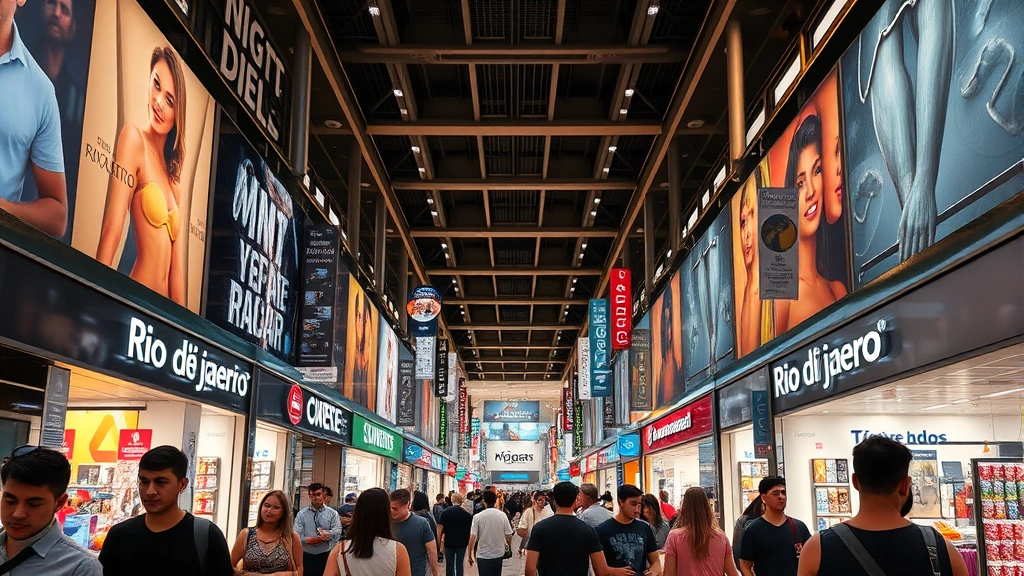
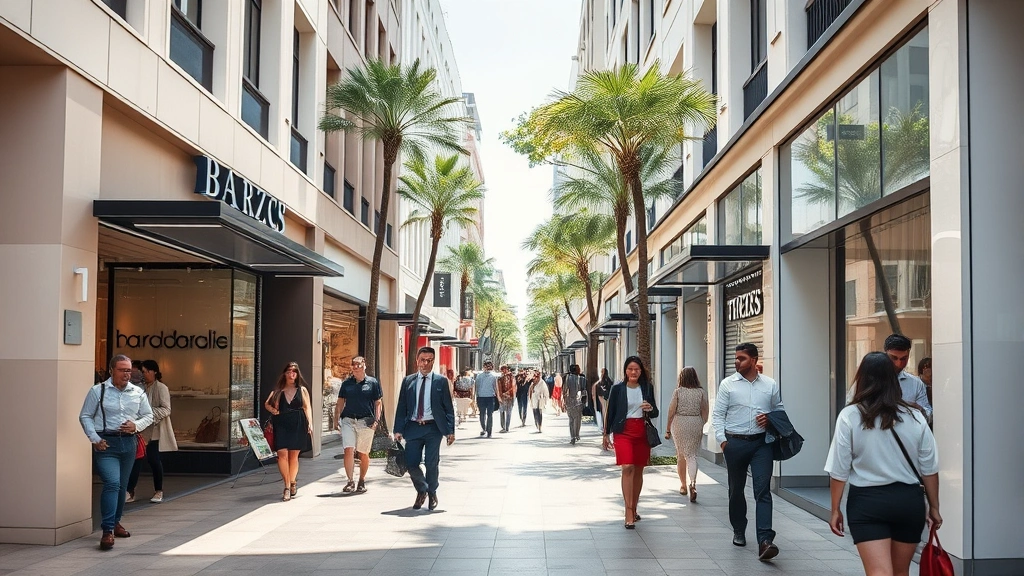
Rio’s retail sector encompasses traditional shopping centers, neighborhood commercial districts, and emerging digital-native retailers. The city hosts several major shopping malls including Shopping Leblon, Barra Shopping, and New York City Center, which collectively generate billions in annual sales and attract both local and tourist traffic. These established venues continue to perform well, though they face increasing competition from online alternatives and specialized retail concepts.
Growth areas within Rio’s retail landscape include:
- Beauty and Personal Care: Brazilian consumers demonstrate exceptional enthusiasm for cosmetics, skincare, and wellness products. Brands specializing in natural, organic, and locally-sourced beauty items have gained significant market share.
- Fashion and Apparel: Rio’s fashion-conscious population drives consistent demand for clothing, footwear, and accessories. Local designers compete effectively with international brands, creating a dynamic market with room for diverse positioning strategies.
- Home Improvement and Furniture: The real estate boom in select neighborhoods has stimulated demand for home furnishings, décor, and renovation services. This sector shows particular strength among younger homebuyers.
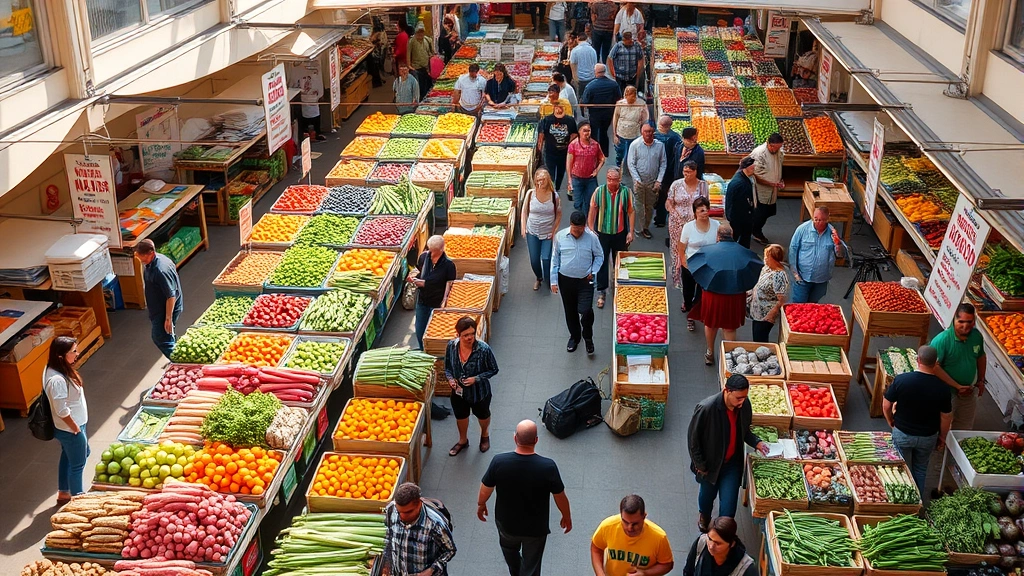
- Grocery and Food Retail: Supermarket chains and specialty food retailers continue expanding, with particular growth in organic products, international foods, and convenience-oriented formats.
- Sports and Outdoor Equipment: Rio’s beach culture and active lifestyle orientation create sustained demand for sporting goods, athletic wear, and outdoor recreation equipment.
When examining markets near me in Rio, retailers should consider neighborhood-specific preferences and competitive dynamics. Barra da Tijuca’s younger, affluent demographic differs substantially from Copacabana’s mix of residents and tourists or the suburban communities’ focus on practical, budget-conscious shopping.
E-Commerce Acceleration in Rio
Digital commerce has experienced explosive growth in Rio de Janeiro, with online retail sales increasing by 15-20% annually. The city’s robust logistics infrastructure, supported by multiple distribution centers and delivery networks, enables faster fulfillment compared to many other Brazilian regions. This operational advantage has attracted major e-commerce platforms including Mercado Livre, B2Brazil, and Amazon to establish significant operations in Rio.
Local experts highlight several factors driving e-commerce adoption:
- Improved internet connectivity and mobile payment systems enabling safer online transactions
- Increased consumer familiarity with digital shopping following pandemic-driven adoption
- Competitive pricing available online creating price-conscious consumer behavior
- Expanding logistics capabilities reducing delivery times to 2-3 days for many areas
- Growth of buy-now-pay-later (BNPL) financing options appealing to middle-income consumers
According to E-Commerce Brasil, the Rio metropolitan area accounts for approximately 18% of Brazil’s total e-commerce sales, making it the second-largest online retail market after São Paulo. This concentration reflects both population size and higher digital adoption rates among Rio consumers compared to national averages.
Businesses implementing successful e-commerce strategies in Rio typically combine competitive pricing with excellent customer service, streamlined mobile experiences, and integration with local payment preferences. Understanding digital marketing trends 2025 proves essential for companies seeking to capture online market share in this increasingly digital environment.
Tourism and Seasonal Market Dynamics
Rio’s status as a major international tourist destination substantially influences local market dynamics. Annual visitor arrivals exceed 2.5 million international tourists plus millions of domestic visitors, creating significant seasonal fluctuations in retail demand and consumer behavior patterns. The peak summer season (December-February) and Carnival period (February-March) generate substantial retail activity, particularly in tourism-adjacent sectors including hospitality, dining, entertainment, and souvenir retail.
Local retailers have adapted business models to capitalize on tourism while maintaining year-round operations. Hotels, restaurants, and specialty shops in Copacabana, Ipanema, and Centro districts derive substantial revenue from tourist spending. However, businesses must balance tourist-focused inventory and pricing with local consumer needs during slower seasons.
This seasonal pattern creates opportunities for businesses with flexible supply chains and inventory management. Retailers stocking seasonal products, beachwear, travel-related goods, and experience-based services benefit disproportionately during peak periods. Conversely, essential goods retailers maintain more stable demand throughout the year.
Real Estate and Commercial Property Trends
Rio’s commercial real estate market directly impacts retail opportunities and business expansion possibilities. Prime retail locations in established shopping districts command premium prices, while emerging neighborhoods offer lower-cost alternatives with growth potential. The revitalization of Porto Maravilha and ongoing development in Barra da Tijuca create new retail corridors attracting both established retailers and emerging concepts.
Commercial property experts note that retail space availability varies significantly by neighborhood. High-demand areas experience limited vacancies and rising rents, while secondary locations offer more affordable options with potential for tenant negotiation. This real estate dynamic influences where new businesses can viably establish operations and how profitability varies across the city.
Investment in commercial real estate has attracted both local and international capital, with developers constructing modern mixed-use properties combining retail, office, and residential components. These developments often feature modern infrastructure, climate control, and security amenities appealing to contemporary retailers and consumers.
Technology Integration and Digital Transformation
Rio’s business community increasingly embraces digital technologies to enhance operations, improve customer experiences, and increase efficiency. Point-of-sale systems, inventory management software, and customer relationship management platforms have become standard among established retailers. Emerging technologies including artificial intelligence, augmented reality, and mobile payment solutions are gaining adoption among forward-thinking businesses.
Local entrepreneurs are leveraging technology to compete effectively against larger competitors. Small businesses implement digital marketing strategies, utilize social media for customer engagement, and adopt e-commerce capabilities that previously required substantial capital investment. This democratization of technology has lowered barriers to entry for new market participants.
Developing a comprehensive how to create a marketing plan that incorporates digital channels proves essential for Rio businesses seeking competitive advantage. Digital marketing investments deliver measurable returns through targeted advertising, social media engagement, and data-driven customer insights.
Challenges and Risk Factors
Despite significant opportunities, Rio’s market presents challenges that require careful navigation. Economic volatility, inflation pressures, and currency fluctuations affect consumer purchasing power and business profitability. The Brazilian real’s fluctuations impact imported goods pricing and affect competitiveness of local versus international products.
Security concerns in certain neighborhoods influence retail operations, customer traffic, and business viability. Retailers must implement appropriate security measures, select locations carefully, and maintain relationships with local authorities. These factors increase operational costs and require strategic planning.
Regulatory compliance, tax complexity, and labor laws present additional challenges for businesses operating in Rio. Navigating Brazilian regulations, obtaining necessary licenses, and maintaining compliance requires expertise and ongoing attention. These administrative burdens disproportionately affect smaller businesses lacking dedicated compliance resources.
Competition from established retailers, international brands, and online platforms creates pricing pressure and customer acquisition challenges for new entrants. Differentiation through unique value propositions, superior service, or specialized product offerings becomes essential for sustainable success.
Future Opportunities for Market Growth
Rio’s market trajectory presents compelling opportunities for businesses willing to adapt to local conditions and consumer preferences. Population growth in suburban areas creates demand for convenient retail formats including small supermarkets, pharmacies, and service providers. The expansion of middle-class consumers increases demand for quality products at accessible prices.
Sustainability and environmental consciousness are gaining importance among Rio consumers, particularly younger demographics. Retailers emphasizing eco-friendly products, sustainable practices, and corporate social responsibility appeal to this growing segment. Businesses implementing green initiatives can differentiate themselves and attract environmentally-conscious consumers.
The experience economy represents another growth avenue, with consumers increasingly valuing entertainment, dining, and experiential retail over pure product transactions. Retailers combining shopping with entertainment, education, or social experiences create compelling value propositions that justify premium positioning.
Exploring the Market Rise Hub Blog provides ongoing insights into retail trends, consumer behavior shifts, and business strategy considerations applicable to Rio’s dynamic market. Staying informed about broader market developments helps businesses anticipate changes and position themselves strategically.
For businesses seeking to understand their specific market context, investigating stock market performance and economic indicators provides valuable perspective on overall business sentiment and investment confidence. These macro-level indicators influence consumer confidence and business expansion decisions.
FAQ
What are the primary drivers of Rio market growth?
Rio’s market growth stems from population size, tourism activity, rising middle-class consumer base, digital technology adoption, and infrastructure development in emerging neighborhoods. Economic recovery following pandemic-related disruptions has also strengthened consumer spending across multiple sectors.
How does e-commerce compare to traditional retail in Rio?
E-commerce represents the fastest-growing retail channel in Rio, with annual growth rates of 15-20% compared to 2-4% for traditional retail. However, brick-and-mortar retail remains dominant in absolute terms, with successful retailers implementing integrated omnichannel strategies combining online and offline capabilities.
Which neighborhoods offer the best retail opportunities in Rio?
Prime retail locations include Barra da Tijuca, Leblon, Ipanema, and Centro, which attract affluent consumers and tourists. Emerging opportunities exist in suburban areas experiencing residential growth and revitalized districts like Porto Maravilha. Location selection should align with target customer demographics and business concept.
What payment methods do Rio consumers prefer?
Credit cards remain popular, but debit cards, mobile payments, and buy-now-pay-later options are rapidly gaining adoption. Cash usage has declined significantly, particularly among younger consumers. Retailers should accept multiple payment methods to accommodate diverse consumer preferences.
How does seasonality affect Rio’s retail market?
Rio experiences significant seasonal fluctuations driven by summer holidays (December-February) and Carnival (February-March), which increase tourist traffic and consumer spending. Retailers should plan inventory and staffing accordingly, with flexibility to adjust for seasonal demand variations.
What regulatory considerations apply to retailers in Rio?
Retailers must comply with Brazilian federal, state, and municipal regulations covering business registration, taxation, labor laws, consumer protection, and industry-specific requirements. Professional legal and accounting guidance is essential for navigating Brazil’s complex regulatory environment.
How can small businesses compete effectively in Rio’s retail market?
Small businesses succeed through differentiation, exceptional customer service, digital marketing adoption, community engagement, and specialization in underserved niches. Leveraging technology to operate efficiently and reach customers digitally enables smaller competitors to compete against larger retailers.