Red Apple Market Trends: Insider Analysis for 2024
The red apple market represents one of the most dynamic segments within the global fresh produce industry, commanding significant attention from retailers, distributors, and agricultural stakeholders. Understanding current market trends requires examining supply chain dynamics, consumer preferences, pricing fluctuations, and emerging opportunities that shape this essential commodity sector. Red apples—including popular varieties like Gala, Fuji, Red Delicious, and Honeycrisp—continue to dominate produce sections worldwide, yet the landscape is shifting rapidly due to climate pressures, evolving consumer demands, and technological innovations in agriculture.
This comprehensive analysis explores the multifaceted dimensions of the red apple market, providing actionable insights for business stakeholders seeking to capitalize on growth opportunities or navigate emerging challenges. Whether you’re involved in retail, distribution, farming, or simply interested in understanding how markets near you operate, this insider perspective reveals critical trends shaping the industry’s future trajectory.
Global Production and Supply Chain Dynamics
The red apple market operates within a complex global production ecosystem where leading producers like China, the European Union, Turkey, and the United States collectively account for approximately 85% of worldwide production. According to FAO agricultural data, global apple production reached 86 million metric tons in 2022, with red varieties representing roughly 45-50% of total volume. This concentration reflects both natural advantages—climate suitability, established infrastructure, skilled labor—and economic factors that create barriers to entry for emerging producers.
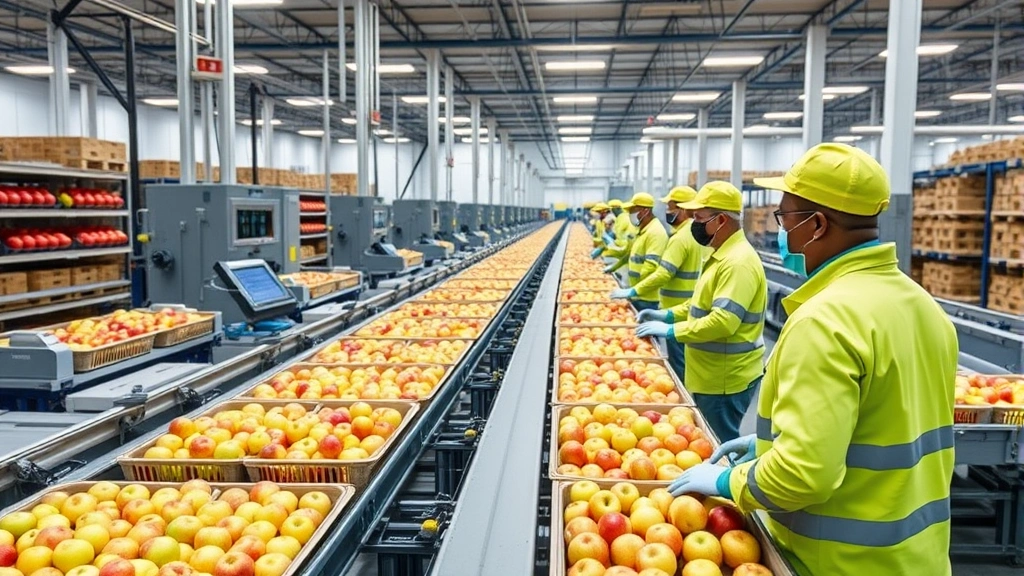
Supply chain resilience has emerged as a critical concern following pandemic-related disruptions and geopolitical tensions. Cold storage capacity, transportation logistics, and warehouse availability directly impact red apple market dynamics. Major producing regions have invested substantially in post-harvest infrastructure, with modern facilities featuring controlled atmosphere storage extending shelf life from 3-4 months to 8-12 months. This technological advancement fundamentally alters supply timing and geographic distribution patterns.
The transition from traditional wholesale markets to direct-to-retailer distribution channels has accelerated, reshaping relationships between producers and end consumers. Large retailers now demand year-round availability, traceability documentation, and quality consistency that smaller producers struggle to achieve. This consolidation trend favors established players while creating challenges for smallholder farmers seeking market access.
Consumer Behavior and Purchasing Patterns
Contemporary consumer preferences within the red apple market reflect broader health consciousness and convenience-seeking behaviors. Research from Statista’s fresh produce analysis indicates that consumers increasingly prioritize nutritional attributes, with 62% of surveyed shoppers specifically seeking information about pesticide residues and growing practices. Premium red apple varieties command 15-25% price premiums compared to standard offerings, demonstrating willingness to pay for perceived quality and health benefits.
Seasonal purchasing patterns remain pronounced despite improved year-round availability. Peak demand occurs during autumn months (August-October in Northern Hemisphere, February-April in Southern Hemisphere), when fresh harvest apples enter markets and consumer interest in baking and preservation activities increases. Off-season consumption relies heavily on cold-stored inventory, creating pricing dynamics that benefit early-season producers and penalize late-season suppliers with aging stock.
The rise of e-commerce has introduced new purchasing channels, though fresh produce adoption remains below 15% of total apple sales. Subscription box services, farm-to-consumer direct shipping, and grocery delivery platforms are gradually reshaping traditional retail dominance. Digital marketing strategy examples increasingly feature fresh produce prominently, indicating retailer recognition of online channel importance.
Pricing Trends and Market Volatility
Red apple prices exhibit significant volatility driven by harvest yields, storage inventory levels, and competing supply from other fruit categories. Average retail prices fluctuate between $1.20-$2.50 per pound depending on variety, origin, and distribution channel. Premium varieties like Honeycrisp and Gala command premium pricing, while older varieties like Red Delicious face margin pressure from superior alternatives.
Climate variability directly impacts pricing through yield fluctuations. Frost damage during bloom season, hail events during growing periods, and drought stress all reduce production, creating supply constraints that support higher prices. Conversely, exceptional growing conditions produce surplus inventory that pressures prices downward. The 2023 growing season witnessed below-average yields in major European and North American regions, supporting wholesale prices at 18-22% above five-year averages.
Currency fluctuations significantly affect international trade competitiveness. European producers benefit when the euro weakens relative to US dollars, improving export competitiveness in global markets. Conversely, stronger dollar periods advantage US producers in international sales while making imported apples more expensive for US consumers. Understanding stock market dynamics helps predict currency movements affecting agricultural commodity prices.
Variety Preferences and Market Segmentation
The red apple market encompasses distinct variety segments, each with unique characteristics, growing requirements, and consumer appeal. Gala apples represent the largest market segment by volume, prized for sweetness, texture, and visual appeal. Fuji apples command premium pricing due to exceptional storage longevity and crisp texture. Honeycrisp varieties, despite production challenges and higher costs, capture premium market segments with affluent consumers willing to pay $3-4 per pound for superior eating quality.
Red Delicious apples, historically the dominant variety, have experienced significant market share erosion due to mealy texture and declining consumer preference. Market share fell from 25% in 2000 to approximately 8% currently, as producers transition acreage to superior varieties. This structural shift creates opportunities for growers converting to high-demand varieties while challenging those with aging Red Delicious orchards.
Emerging varieties like Pink Lady, SweeTango, and Cosmic Crisp represent growth opportunities, though they require substantial investment in new plantings with 5-7 year establishment periods. Early adoption of premium varieties provides competitive advantages through higher margins and consumer differentiation. Marketing strategy for small businesses in agriculture increasingly emphasizes variety innovation as a key differentiation lever.
Sustainability and Organic Growth Opportunities
Sustainability considerations increasingly influence red apple market dynamics, with organic and regenerative production methods capturing growing market segments. Organic red apples command 40-80% price premiums over conventional fruit, yet represent only 8-12% of total market volume due to production challenges and certification costs. Pest management without synthetic pesticides requires intensive labor and innovative techniques, limiting supply and maintaining premium pricing.
Water management has emerged as critical concern in water-stressed regions. California, which produces 10-12% of US red apples, faces increasing irrigation restrictions, prompting investment in drip irrigation systems and drought-resistant rootstocks. These adaptations require significant capital investment but improve long-term sustainability and resilience.
Certification programs including Fair Trade, Rainforest Alliance, and Global Gap increasingly influence retailer purchasing decisions and consumer preferences. Certified products command modest premiums (5-15%) while improving market access and brand positioning. Why marketing is important for business is particularly evident in sustainability-focused segments where brand differentiation commands premium pricing.
Technology and Innovation in Apple Production
Agricultural technology adoption is transforming red apple production efficiency and quality. Precision agriculture tools including soil sensors, weather monitoring systems, and variable-rate irrigation optimize resource utilization while reducing environmental impact. Drone technology enables rapid crop assessment, pest detection, and targeted interventions, reducing chemical inputs by 15-25%.
Post-harvest technology innovations include machine vision sorting systems that grade apples by size, color, and defects with 98%+ accuracy, reducing manual labor while improving consistency. Ethylene management systems in storage facilities optimize ripening and maintain quality throughout extended storage periods. These capital-intensive investments favor large producers with scale to justify expenditures.
Blockchain technology is emerging in supply chain transparency applications, enabling consumers to trace apples from specific orchards through distribution networks to retail stores. While adoption remains limited, forward-thinking producers recognize competitive advantages in providing detailed provenance information to quality-conscious consumers.
Competitive Landscape and Regional Analysis
The red apple market features distinct regional competitive dynamics reflecting production capacity, climate advantages, and market proximity. China dominates global production with 45-50 million metric tons annually, though primarily serves domestic consumption with limited export volumes. European Union producers focus on export markets, with Poland, Italy, and France collectively representing significant global suppliers. United States producers concentrate on domestic market supply while increasingly competing in Asian export markets.
Emerging producing regions including Turkey, India, and Iran are expanding production capacity and gradually increasing export participation. Turkish producers have invested heavily in modern facilities and now represent significant competitors in European and Middle Eastern markets. This geographic diversification reduces dependence on traditional suppliers while introducing new competitive pressures.
Visit the Market Rise Hub Blog for comprehensive analysis of competitive market dynamics across agricultural sectors. Understanding regional competitive advantages helps stakeholders anticipate market shifts and identify opportunities within specific geographic segments.
Retailer consolidation creates significant bargaining power that pressures producer margins. Large retailers demand year-round supply, quality consistency, food safety compliance, and logistics efficiency that exceed capabilities of many traditional producers. This dynamic favors integrated producers with extensive cold storage infrastructure and established distribution networks.
FAQ
What factors most significantly influence red apple market prices?
Red apple prices are primarily driven by harvest yields (determined by weather and growing conditions), storage inventory levels, seasonal demand patterns, and competing fruit availability. Currency fluctuations also affect international trade competitiveness. Supply shocks from frost, hail, or disease can create significant price spikes, while exceptional growing conditions may depress prices through surplus inventory.
Which red apple varieties are experiencing fastest growth in market share?
Honeycrisp, Gala, and emerging premium varieties like Cosmic Crisp and SweeTango are capturing increasing market share. Red Delicious continues declining as consumers prefer superior texture and flavor profiles. Fuji maintains strong market position with premium pricing supported by excellent storage and eating quality characteristics.
How is sustainability affecting red apple market dynamics?
Organic and sustainably-produced red apples command significant price premiums (40-80% above conventional fruit) while representing growing market segments. Sustainability certifications increasingly influence major retailer purchasing decisions. Water management and pesticide reduction are becoming competitive necessities rather than optional differentiators, particularly in water-stressed regions.
What role does technology play in modern red apple production?
Precision agriculture, machine vision sorting, advanced storage management, and blockchain traceability are transforming production efficiency and quality. These technologies reduce resource inputs, improve consistency, and enable supply chain transparency. Adoption costs favor large producers, contributing to industry consolidation trends.
How do regional production differences affect market competition?
Geographic advantages including climate, water availability, labor costs, and infrastructure determine competitive positioning. China dominates volume production, European producers focus on export quality, and US producers concentrate on domestic markets. Emerging regions like Turkey are increasing competitive pressures through capacity expansion and investment in modern facilities.