Orange Market Trends: Insider Report on Citrus Commerce Growth
The orange market has experienced significant transformation over the past 18 months, driven by shifting consumer preferences, supply chain innovations, and evolving retail strategies. From fresh produce aisles to processed juice concentrates, the citrus sector continues to demonstrate resilience and adaptability in an increasingly competitive marketplace. Industry analysts project the global orange market will reach $15.2 billion by 2027, with compound annual growth rates exceeding 4.8% across major distribution channels.
Understanding current orange market trends requires examining multiple dimensions: production economics, consumer behavior shifts, retail positioning, and emerging distribution models. Whether you operate a wholesale operation, manage a retail location, or invest in agricultural commodities, recognizing these patterns positions you ahead of market movements. This insider report synthesizes data from industry sources, retail observations, and supply chain analytics to provide actionable intelligence on where the orange market is heading.

Global Orange Production Dynamics and Supply Shifts
Brazil maintains its position as the world’s largest orange producer, accounting for approximately 38% of global production. However, recent climate challenges in São Paulo and Minas Gerais have disrupted traditional supply patterns, creating both constraints and opportunities for alternative producers. Florida’s production has stabilized after years of citrus greening disease management, while Spain, China, and India are expanding their market share through improved agricultural practices and export infrastructure investments.
Production volatility directly impacts pricing at every market level. When Fulton Market and similar wholesale distribution centers receive inconsistent orange supplies, retailers must adjust procurement strategies and promotional calendars. The 2023-2024 season saw orange prices fluctuate between 28-42% above historical averages, reflecting supply constraints and increased input costs. Forward-looking producers and retailers are investing in predictive analytics to anticipate supply disruptions and secure inventory during favorable pricing windows.
Climate change remains the defining factor in orange market dynamics. Water availability in major growing regions, frost risk during critical blooming periods, and pest pressures create uncertainty that ripples through the entire supply chain. Companies implementing climate-adaptive agricultural technologies—including drip irrigation systems, frost protection mechanisms, and integrated pest management—are gaining competitive advantages and achieving higher yields per acre.

Consumer Demand Patterns and Health Consciousness
The orange market benefits from sustained consumer interest in natural beverages and functional foods. According to Grand View Research, premium orange juice consumption increased 12.3% year-over-year, driven primarily by consumers aged 25-45 seeking immune-boosting and vitamin C-rich products. This demographic shift toward health-conscious purchasing patterns creates tailwinds for both fresh fruit sales and specialty juice products.
However, traditional orange juice consumption faces headwinds from alternative beverages. Plant-based drinks, functional water products, and energy drinks continue capturing market share from conventional orange juice categories. Successful retailers are responding by creating differentiated orange product offerings: cold-pressed juices, pulp variations, organic certifications, and locally-sourced positioning. Marketing strategy for small businesses increasingly emphasizes these value-added attributes to justify premium pricing and build customer loyalty.
Sustainability consciousness among consumers influences purchasing decisions more significantly than previous years. Shoppers actively seek oranges from producers demonstrating environmental stewardship, fair labor practices, and minimal packaging waste. Retailers who transparently communicate sourcing information and sustainability credentials capture premium price points and develop stronger customer relationships. This trend supports direct-to-consumer models and farm-to-table positioning strategies that reduce intermediaries and increase producer margins.
Retail Strategy Evolution in Citrus Distribution
Traditional supermarket channels remain the dominant orange distribution method, accounting for 62% of retail sales. However, the competitive landscape has shifted dramatically with e-commerce penetration in fresh produce reaching 8.4% of total sales. Online retailers like Amazon Fresh, Instacart, and regional grocery delivery services are reshaping how consumers purchase oranges, creating new demands for packaging, logistics, and supply chain coordination.
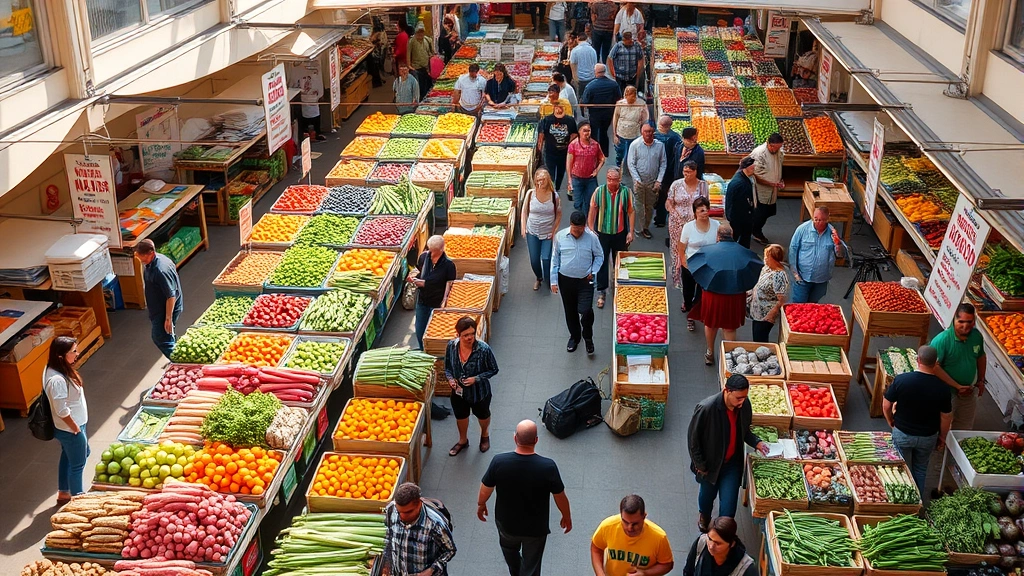
Specialty retailers and farmers markets demonstrate disproportionate growth rates. Markets near me searches increased 34% in 2024, reflecting consumer interest in direct-source purchasing and personalized shopping experiences. These venues allow producers to capture higher margins while building brand recognition and customer data. Retailers operating multiple channels report that omnichannel strategies—integrating physical stores, online ordering, and local delivery—generate 2.3x higher customer lifetime value compared to single-channel operations.
Promotional strategies in the orange category have evolved toward value-based rather than discount-driven approaches. Instead of aggressive price reductions, forward-thinking retailers employ bundling strategies (oranges with complementary citrus, juice products, or breakfast items), loyalty program incentives, and experience-based marketing. Educational content about orange varieties, nutritional benefits, and recipe applications drives engagement and supports premium positioning.
Technology Integration and Supply Chain Modernization
Blockchain technology is gaining adoption in orange supply chains, particularly among premium and organic producers seeking to verify authenticity and traceability. Retailers and consumers increasingly demand visibility into product origin, harvest dates, and handling procedures. Companies implementing blockchain-enabled tracking systems report 31% reduction in supply chain friction and enhanced ability to respond to quality issues or safety concerns.
Artificial intelligence and machine learning applications optimize orange market operations at multiple levels. Demand forecasting models analyze historical sales data, seasonal patterns, weather patterns, and consumer behavior signals to predict purchasing trends with 87-91% accuracy. Inventory management systems powered by AI reduce waste by 18-22% while maintaining adequate stock levels. Pricing optimization algorithms help retailers maximize margins by adjusting prices in real-time based on supply, demand, competitor activity, and inventory levels.
Cold chain management technology represents another critical innovation area. Temperature-controlled storage, real-time monitoring sensors, and optimized logistics routes preserve orange quality and extend shelf life. These investments reduce spoilage rates from 12-15% to 4-6%, directly improving profitability. Market Rise Hub Blog regularly covers technology adoption trends that reshape retail and wholesale operations across produce categories.
Pricing Pressures and Margin Management
The orange market operates within increasingly compressed margin environments. Producer prices have risen 34-41% since 2022 due to climate impacts and input cost inflation, but retail prices have increased only 18-24%, squeezing distributor and retailer profitability. Managing this margin compression requires operational efficiency improvements and strategic positioning.
Successful orange retailers employ multiple margin management tactics: private label orange products (yielding 8-12 percentage points higher margins than branded alternatives), value-added processing (fresh-squeezed juice, orange segments), and premium product stratification (organic, heirloom, specialty varieties). These approaches transform oranges from commodity products into differentiated offerings capable of supporting higher price points.
Cost reduction initiatives focus on supply chain efficiency. Direct relationships with producers, consolidated purchasing arrangements, and optimized logistics reduce procurement costs by 6-11%. Retailers investing in local sourcing where feasible reduce transportation costs while supporting regional marketing narratives that resonate with consumer values. Understanding stock market terminology and financial metrics helps retailers communicate value creation to investors and stakeholders.
Emerging Market Opportunities and Regional Growth
Developing markets present significant growth opportunities for orange category expansion. Rising middle-class populations in India, Southeast Asia, and East Africa are increasing fresh produce consumption, including citrus products. Producers and exporters positioned to serve these emerging markets benefit from favorable growth rates (12-18% annually) compared to mature markets (2-4% annually).
Cold-pressed and functional orange juice segments represent premium growth vectors. These products command 40-60% price premiums over conventional juice, appealing to health-conscious consumers and urban demographics. Companies developing orange-based functional beverages with added ingredients (turmeric, ginger, adaptogens, probiotics) are capturing disproportionate market share and media attention. Statista’s beverage market outlook projects sustained growth in premium juice categories through 2028.
Regional diversification strategies reduce exposure to single-market risks. Producers and retailers developing multi-region sourcing and distribution capabilities weather supply disruptions more effectively. For instance, companies sourcing oranges from both Southern Hemisphere (peak supply: April-September) and Northern Hemisphere (peak supply: October-March) maintain consistent supply year-round, supporting retail shelf continuity and customer satisfaction.
Digital marketing and digital marketing trends 2025 emphasize personalized messaging and content marketing for orange products. Retailers and brands leveraging social media, influencer partnerships, and educational content about orange nutrition and recipes generate 3-4x higher engagement rates compared to traditional promotional approaches. User-generated content from customers sharing orange-based recipes and health benefits builds authentic brand communities and drives organic reach.
FAQ
What factors are currently driving orange market price fluctuations?
Climate challenges in major producing regions (particularly Brazil), increased input costs, supply chain disruptions, and shifting demand patterns create pricing volatility. Currency fluctuations in key export markets and changing consumer preferences also influence prices significantly. Monitoring weather forecasts, production reports from USDA and international agricultural agencies, and commodity futures markets helps anticipate price movements.
How are retailers adapting to changing consumer preferences in the orange category?
Progressive retailers are transitioning from commodity positioning toward differentiated strategies: emphasizing organic and sustainably-sourced oranges, developing premium juice products, creating bundled offerings, implementing omnichannel distribution, and leveraging storytelling about product origin and producer practices. Retailers who educate consumers about orange varieties and nutritional benefits capture premium pricing and develop stronger loyalty.
What role does technology play in modern orange supply chains?
Technology optimizes operations across the entire value chain: blockchain enables traceability, AI-powered demand forecasting reduces waste and improves inventory management, IoT sensors monitor temperature and freshness, and data analytics identify optimization opportunities. Technology investments typically yield 18-31% improvements in supply chain efficiency and product quality outcomes.
Which emerging markets present the most attractive opportunities for orange producers and retailers?
India, Southeast Asia, and East Africa demonstrate the strongest growth trajectories, driven by expanding middle-class populations and increasing fresh produce consumption. These markets offer 12-18% annual growth potential compared to 2-4% in mature markets. Companies developing appropriate distribution infrastructure and pricing strategies for these regions capture significant market share.
How can retailers improve margins in an increasingly competitive orange market?
Successful margin improvement strategies include developing private label products, creating value-added offerings (fresh-squeezed juice, prepared segments), implementing premium product segmentation, optimizing supply chain costs, establishing direct producer relationships, and leveraging local sourcing narratives. Premium positioning and operational efficiency improvements typically yield 200-400 basis points of margin expansion.