
Understanding PlayStation’s Marketing Mix: Expert Insight
PlayStation has maintained its position as a dominant force in the gaming industry for nearly three decades through strategic mastery of the marketing mix. The brand’s success stems not from a single marketing tactic, but from a carefully orchestrated blend of product innovation, strategic pricing, intelligent distribution, and compelling promotional campaigns. This comprehensive analysis explores how Sony’s PlayStation division leverages the four Ps—product, price, place, and promotion—to capture market share and build lasting consumer loyalty in an increasingly competitive digital entertainment landscape.
The gaming console market generates over $184 billion annually, with PlayStation commanding significant market share through deliberate marketing decisions. Understanding these strategies provides valuable insights for businesses across all sectors seeking to optimize their marketing approach to drive sustainable growth. PlayStation’s methodology demonstrates how strategic marketing planning creates competitive advantages even in saturated markets.
The Four Ps of PlayStation’s Marketing Strategy
The marketing mix framework, established by E. Jerome McCarthy in 1960, provides a structured approach to understanding how organizations position their offerings. PlayStation exemplifies sophisticated application of this model through integrated execution across all four dimensions. The company doesn’t treat these elements as separate initiatives but rather as interconnected components that reinforce each other to create a cohesive brand experience.
PlayStation’s approach to the marketing mix reflects broader digital marketing trends reshaping consumer engagement in 2025. The brand recognizes that modern consumers expect seamless experiences across physical and digital touchpoints. This understanding informs every decision from hardware specifications to social media strategy, creating what marketing researchers term an “omnichannel marketing ecosystem.”
The effectiveness of PlayStation’s marketing mix becomes evident through market performance metrics. The PlayStation 5, despite supply chain challenges during launch, achieved record pre-order numbers exceeding 4.5 million units within the first month of availability. This success reflects careful orchestration of product attributes, competitive pricing, strategic distribution partnerships, and aggressive promotional campaigns that created genuine consumer demand rather than artificial scarcity.
Product Strategy and Innovation
PlayStation’s product strategy centers on delivering cutting-edge gaming experiences that justify premium positioning. The PS5 represents the culmination of years of hardware research and development, featuring custom AMD processors, lightning-fast SSD technology, and ray-tracing capabilities that set new performance standards. This commitment to technical excellence differentiates PlayStation from competitors and justifies the $499 price point at launch.
Beyond hardware specifications, PlayStation’s product mix includes an extensive software library comprising exclusive titles, third-party games, and subscription services. Franchises like God of War, The Last of Us, Gran Turismo, and Spider-Man create emotional connections with consumers that transcend typical product-consumer relationships. These exclusive titles function as powerful demand drivers, with consumers often purchasing hardware specifically to access them.
The PlayStation Plus subscription service represents a strategic product innovation that transformed the business model from one-time hardware sales to recurring revenue streams. This service bundling approach aligns with broader industry trends toward subscription-based consumption models. By offering tiered subscription levels—Essential, Extra, and Premium—PlayStation captures diverse consumer segments with varying entertainment budgets and gaming preferences.
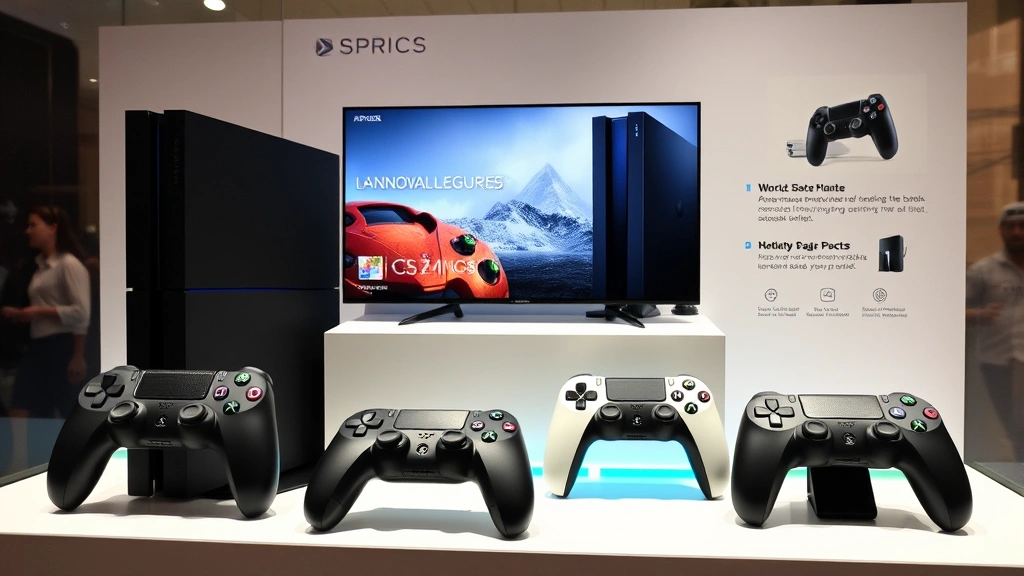
Product innovation extends to controller design and accessibility features. The DualSense controller’s haptic feedback and adaptive triggers create immersive experiences unavailable on competing platforms. Simultaneously, PlayStation’s investment in accessibility options demonstrates commitment to inclusive design principles, expanding the addressable market while building brand goodwill among underserved consumer segments.
” alt=”Gaming console product display with modern technology features and controllers” style=”max-width: 100%; height: auto;”>
Pricing Strategy Analysis
PlayStation employs a premium pricing strategy that reflects the product’s technological sophistication and brand equity. The $499 standard edition and $399 digital edition pricing positions the PS5 as a premium offering compared to alternative entertainment investments. This pricing approach assumes consumers perceive sufficient value differentiation to justify the expenditure relative to competitors and substitute products.
Pricing strategy must account for broader economic factors and consumer purchasing power dynamics that influence discretionary spending on gaming hardware. PlayStation adjusts regional pricing to reflect local economic conditions, currency valuations, and competitive landscapes. The company maintains price consistency across distribution channels to prevent channel conflict while supporting authorized retailers.
Promotional pricing represents a sophisticated element of PlayStation’s pricing strategy. Rather than permanent price reductions that erode brand value, the company strategically discounts hardware bundles during peak shopping seasons, offers trade-in incentives for legacy console owners, and provides subscription service discounts for new customers. These tactical pricing adjustments stimulate demand during periods of consumer hesitation without permanently devaluing the product.
PlayStation Plus subscription pricing demonstrates value-based pricing principles. The Essential tier at $10.99 monthly targets casual gamers, while the Premium tier at $17.99 monthly captures enthusiasts willing to pay for expanded benefits including cloud gaming and legacy title access. This tiered approach maximizes revenue extraction across the consumer demand curve while maintaining accessible entry points for price-sensitive segments.
The used console market presents pricing challenges that PlayStation addresses through trade-in programs and refurbished inventory sales. Rather than viewing secondary market sales as competitive threats, PlayStation channels these transactions through controlled programs that generate incremental revenue while maintaining brand standards for product condition and functionality.
Distribution and Place Strategy
PlayStation’s distribution strategy encompasses multiple channels including direct sales through PlayStation Direct, major electronics retailers like Best Buy and GameStop, online marketplaces including Amazon, and regional specialty retailers. This multi-channel approach maximizes market coverage while maintaining brand control through authorized retailer networks. Channel selection reflects consumer purchasing preferences, with data indicating approximately 60% of console sales occurring through online channels as of 2024.
The physical retail presence remains strategically important despite digital transformation, particularly for experiential elements allowing consumers to test hardware before purchase. PlayStation maintains demo stations in major retailers, providing hands-on experiences that generate purchase intent. These touchpoints function as critical conversion mechanisms for consumers evaluating the PS5 against competing platforms.
International distribution strategy reflects regional gaming preferences and infrastructure capabilities. PlayStation prioritizes markets with established gaming cultures and sufficient broadband infrastructure to support online gaming and digital content delivery. Regional distribution centers ensure inventory availability while managing logistics costs across geographically dispersed markets.
The PlayStation Store represents a critical distribution channel for digital game content, generating substantially higher margins than physical retail distribution. The store’s curation algorithms, personalized recommendations, and seasonal promotions drive consumer discovery and impulse purchasing. Integration between hardware and digital storefronts creates seamless consumer experiences that reinforce platform stickiness.
Strategic partnerships with internet service providers, telecommunications companies, and cable operators expand distribution reach into consumer homes through bundled offerings. These partnerships present PlayStation services alongside broadband and entertainment subscriptions, reaching consumers through trusted existing relationships with service providers.
Promotion and Brand Communication
PlayStation’s promotional strategy leverages integrated marketing communications across traditional media, digital platforms, influencer partnerships, and experiential marketing. Television commercials during major sporting events and entertainment programming reach mass audiences, while targeted digital advertising on social platforms and gaming websites reaches core gaming demographics with precision targeting.
The brand invests substantially in content marketing through official PlayStation channels, including YouTube tutorials, gameplay showcases, and developer interviews. This approach educates consumers about product capabilities while building community engagement. Official PlayStation content generates billions of views annually, creating earned media value that amplifies paid promotional investments.
Influencer partnerships extend PlayStation’s promotional reach into communities where traditional advertising lacks credibility. Gaming streamers and content creators with millions of followers demonstrate games in authentic contexts, generating organic interest that resonates more effectively than conventional advertising. These partnerships range from sponsored content to long-term ambassador relationships with prominent gaming personalities.
Trade show participation at events like E3, Gamescom, and Tokyo Game Show provides platforms for announcing new products, demonstrating unreleased games, and engaging directly with gaming enthusiasts. These events generate significant media coverage and industry buzz that extends promotional impact far beyond immediate attendees.
Community building initiatives, including PlayStation community forums, Discord servers, and official fan sites, create spaces where consumers interact with each other and PlayStation representatives. These communities generate valuable user-generated content, provide product feedback mechanisms, and foster emotional connections that transcend typical commercial relationships.
Digital Marketing Integration
PlayStation’s digital marketing strategy reflects broader contemporary marketing practices emphasizing data-driven decision making and consumer analytics. The company leverages first-party data from PlayStation Network accounts to understand consumer behavior, preferences, and engagement patterns. This data informs personalized marketing communications that increase relevance and response rates compared to generic mass marketing approaches.
Email marketing campaigns segment audiences based on gaming preferences, purchase history, and engagement metrics. Subscribers receive targeted notifications about game releases, subscription service promotions, and exclusive offers aligned with their demonstrated interests. This personalization increases email open rates and conversion rates by delivering relevant content to receptive audiences.
Social media strategy emphasizes community engagement over one-way broadcasting. PlayStation maintains active presences on Facebook, Twitter, Instagram, and TikTok, responding to consumer inquiries, sharing user-generated content, and participating in gaming culture conversations. This approach positions PlayStation as a brand that listens to and values its community rather than simply broadcasting promotional messages.
Search engine marketing ensures PlayStation content appears prominently when consumers search for gaming-related information. Paid search campaigns target high-intent keywords like “PS5 games” and “best PlayStation exclusives,” capturing consumers actively researching purchase decisions. Organic search optimization ensures PlayStation’s owned content ranks highly for relevant queries, providing credible information sources that influence consumer decision-making.
Programmatic advertising uses automated bidding systems to purchase digital advertising inventory across thousands of websites and applications. This approach enables precise audience targeting based on demographic, behavioral, and contextual factors, ensuring promotional budgets reach consumers most likely to respond positively to PlayStation messaging.
Consumer Engagement Tactics
PlayStation recognizes that modern marketing extends beyond promoting products to creating meaningful consumer experiences. The brand invests in exclusive content partnerships, securing early access to films and television shows related to gaming franchises. These partnerships generate excitement within gaming communities while positioning PlayStation as the premium platform for entertainment experiences.
Gamification strategies encourage desired behaviors through reward systems, achievement tracking, and competitive leaderboards. PlayStation’s trophy system and achievement unlocking mechanics create engagement loops that increase time-on-platform and strengthen emotional investment in the ecosystem. These systems generate data revealing consumer preferences and engagement patterns that inform future product development.
Seasonal campaigns align promotional activities with consumer behavior patterns and cultural moments. Holiday seasons trigger gift-giving promotions, while summer campaigns emphasize outdoor entertainment alternatives. Back-to-school promotions target younger demographics and parents, while esports tournament sponsorships reach competitive gaming audiences.
Customer loyalty programs reward repeat purchases and sustained engagement through exclusive benefits, early access to limited releases, and special pricing. PlayStation Plus members receive monthly game offerings that provide continuous value beyond the subscription fee, creating strong retention incentives that maximize customer lifetime value.
Product launch events generate media attention and consumer excitement through carefully orchestrated reveals. PlayStation’s showcase presentations announce new games, hardware iterations, and service expansions to global audiences, creating synchronized moments that dominate gaming media coverage and social media conversations.
Partnerships with complementary brands extend PlayStation’s reach into adjacent consumer segments. Collaborations with energy drink manufacturers, fast-food chains, and consumer electronics companies create co-marketing opportunities that introduce PlayStation to audiences beyond core gamers. These partnerships generate mutual promotional benefits while expanding brand awareness among diverse demographic groups.

” alt=”Diverse gamers enjoying multiplayer gaming experience together in modern home setting” style=”max-width: 100%; height: auto;”>
FAQ
What is PlayStation’s primary marketing mix strategy?
PlayStation employs a sophisticated four-Ps strategy combining premium product innovation, strategic pricing, multi-channel distribution, and integrated promotional campaigns. This coordinated approach positions PlayStation as the premium gaming platform while maintaining accessibility across consumer segments. The strategy emphasizes exclusive content, technological superiority, and community engagement to differentiate from competitors.
How does PlayStation use pricing to maintain market position?
PlayStation maintains premium pricing reflecting the product’s technological sophistication and brand equity while employing tactical discounting during peak seasons and for subscription services. The tiered subscription pricing approach captures diverse consumer segments with varying budgets. Regional pricing adjustments reflect local economic conditions and competitive landscapes, ensuring pricing strategy supports market penetration objectives.
What role does digital marketing play in PlayStation’s strategy?
Digital marketing represents a critical component of PlayStation’s promotional strategy, leveraging data analytics to deliver personalized communications across email, social media, search, and programmatic advertising channels. The company uses first-party data from PlayStation Network accounts to understand consumer behavior and tailor marketing messages. This data-driven approach increases marketing efficiency and campaign effectiveness compared to traditional mass marketing approaches.
How does PlayStation differentiate its product from competitors?
PlayStation differentiates through exclusive software franchises like God of War and The Last of Us, technological innovations including haptic feedback controllers and advanced processors, and strategic service offerings like PlayStation Plus. The company invests heavily in accessibility features and inclusive design, expanding addressable markets while building brand goodwill. These differentiators create compelling reasons for consumers to choose PlayStation over competing platforms.
What distribution channels does PlayStation prioritize?
PlayStation maintains a multi-channel distribution strategy including direct sales through PlayStation Direct, major electronics retailers, online marketplaces, and specialty retailers. The company balances online and physical retail presence, recognizing that consumers value different channels for different purposes. Strategic partnerships with internet service providers and telecommunications companies extend distribution reach through bundled service offerings.
How does PlayStation engage consumers beyond traditional advertising?
PlayStation builds community engagement through official forums, Discord servers, influencer partnerships, and experiential marketing at trade shows. The company invests in content marketing through YouTube tutorials and gameplay showcases, creating earned media value. Seasonal campaigns, loyalty programs, and exclusive partnerships with complementary brands create multiple touchpoints for consumer interaction and engagement throughout the customer journey.