Jean Talon Market Tips: Local Shopper Insights & Shopping Guide
Jean Talon Market stands as one of Montreal’s most vibrant public markets, attracting thousands of local shoppers, tourists, and food enthusiasts each week. Located in the heart of the Little Italy neighborhood, this historic marketplace has evolved into a dynamic hub where fresh produce, specialty foods, and authentic culinary experiences converge. Whether you’re a seasoned visitor or planning your first trip, understanding the nuances of shopping at Jean Talon Market can significantly enhance your experience and help you maximize value while discovering hidden gems among its diverse vendor offerings.
The market’s unique position within Montreal’s retail landscape makes it essential for both casual shoppers and serious food buyers to develop strategies for navigating its bustling corridors, negotiating with vendors, and identifying the freshest seasonal products. This comprehensive guide draws on local shopper insights, vendor expertise, and market dynamics to provide actionable tips that will transform your Jean Talon Market experience into a rewarding shopping journey.

Understanding Jean Talon Market’s Structure and Layout
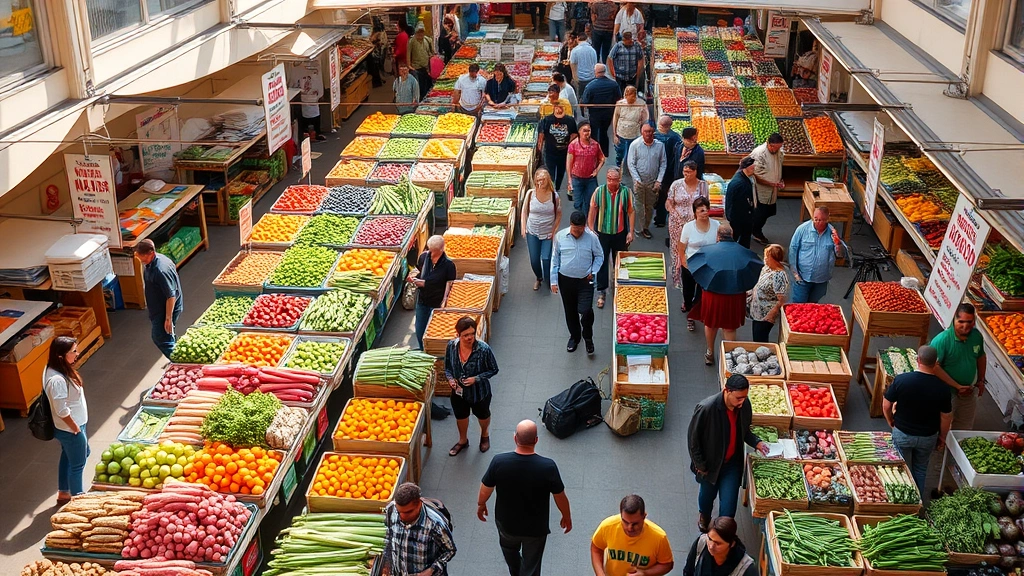
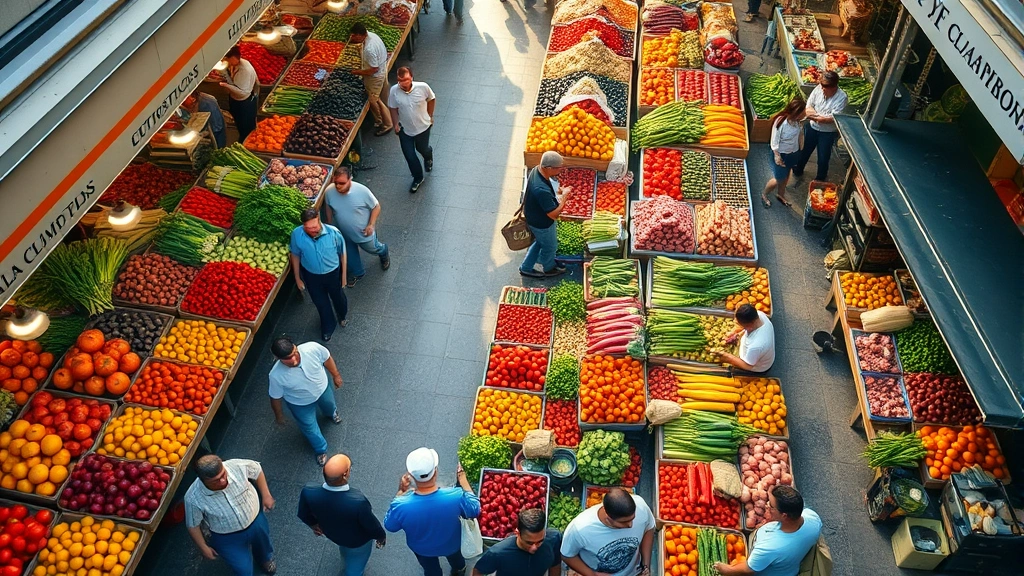
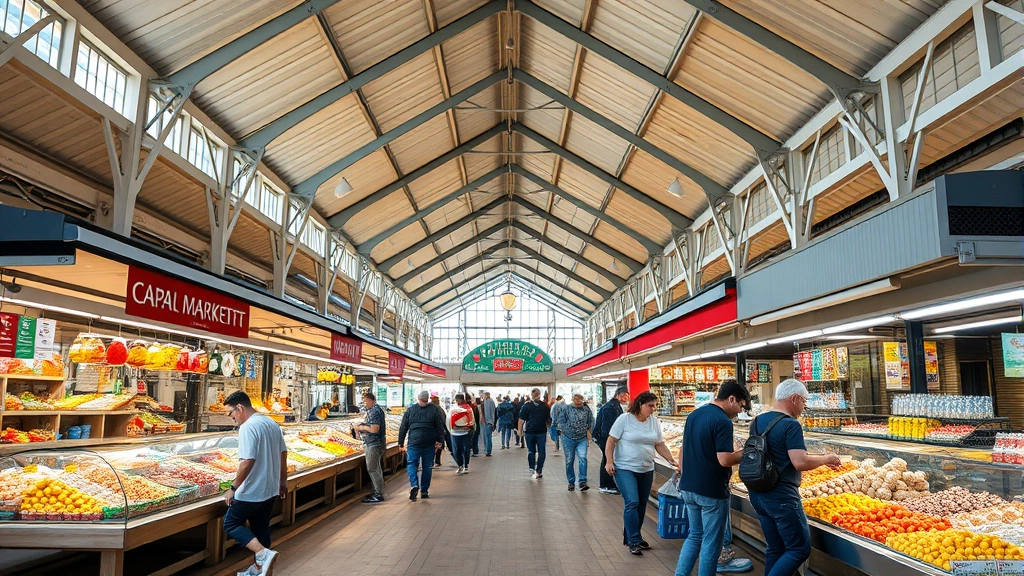
Jean Talon Market comprises multiple distinct zones, each serving specific shopping purposes and attracting different vendor types. The outdoor section features produce vendors arranged in rows, creating a traditional marketplace atmosphere that echoes Montreal’s French heritage. The indoor pavilion, modernized over recent decades, houses specialty shops, butchers, fishmongers, and prepared food vendors who maintain climate-controlled environments for their products.
Understanding this structure is crucial because shopping patterns differ significantly between outdoor and indoor sections. Outdoor produce vendors typically operate on a more flexible pricing model, with prices fluctuating based on supply, demand, and seasonal availability. Indoor specialty vendors maintain more consistent pricing but often offer unique products unavailable elsewhere. According to Markets Near Me resources, successful market shoppers develop familiarity with both sections and leverage each area’s strengths.
The market’s pedestrian-friendly design encourages exploration, but strategic planning prevents fatigue and decision paralysis. Most experienced shoppers recommend starting at one end and working methodically through the market, rather than zigzagging between vendors. This approach allows you to compare prices across similar products and identify the best deals before making purchases.
Best Times to Shop for Optimal Selection and Pricing
Timing dramatically influences your Jean Talon Market experience, affecting product selection, vendor availability, crowds, and negotiation opportunities. Early morning hours, particularly Thursday through Saturday between 7:00 AM and 9:00 AM, offer several advantages for strategic shoppers. Vendors have just set up their displays with the freshest overnight deliveries, selection is most comprehensive, and the market environment feels less chaotic than midday hours.
Wednesday and Thursday mornings represent particularly optimal windows because many vendors restock for the weekend rush, meaning you’ll encounter full inventory alongside dedicated shopping space. Conversely, late afternoon hours—after 4:00 PM—present different opportunities. Vendors approaching closing time often reduce prices on perishable items they won’t carry overnight, creating opportunities for significant savings on quality products if you’re flexible with your shopping list.
Weekend mornings attract substantial crowds, which influences both pricing and vendor behavior. While selection remains excellent, negotiation becomes more challenging when vendors manage high customer volumes. Afternoon weekend visits offer moderate crowds with reasonable selection, though some vendors may have depleted inventory in popular items.
Seasonal variations significantly impact optimal shopping times. During summer months when local produce reaches peak abundance, any time offers good selection. Winter months show more dramatic inventory fluctuations, making early shopping preferable to secure items that may sell out quickly.
Understanding Market Rise Hub Blog insights about retail timing patterns helps contextualize Jean Talon’s shopping dynamics within broader marketplace trends affecting consumer behavior and vendor operations.
Seasonal Shopping Strategies and Product Availability
Jean Talon Market operates on a pronounced seasonal calendar that directly influences product availability, pricing, and shopping strategies. Spring months (April-May) bring asparagus, spring greens, and early berries, with prices declining as supply increases. Local vendors begin transitioning from storage crops to fresh spring vegetables, creating an exciting period for produce shoppers seeking variety after winter months.
Summer (June-August) represents peak season for Jean Talon Market, with overwhelming abundance of local berries, stone fruits, tomatoes, and vegetables. Prices reach their lowest points due to supply saturation, making summer the ideal season for budget-conscious shoppers and those wanting to preserve or prepare foods for winter consumption. Farmers bring harvests directly to market, ensuring exceptional freshness and supporting local agricultural economy.
Fall (September-October) transitions toward storage crops like squash, apples, and root vegetables, with many vendors shifting from peak summer abundance to autumn specialties. This season offers excellent opportunities for discovering heirloom varieties and specialty items as vendors clear summer inventory and introduce fall products.
Winter months (November-March) present the most challenging shopping environment, with limited fresh local produce and reliance on storage crops, imports, and greenhouse products. However, this period showcases specialty vendors’ importance, as they maintain year-round operations offering preserved foods, specialty imports, and prepared items. Prices increase during winter due to reduced local supply, making value-focused shopping more critical.
Successful seasonal shopping involves understanding what products are naturally abundant during specific periods and building meals around those seasonal offerings rather than seeking out-of-season items that command premium prices. This approach aligns with Statistics Canada consumer behavior data showing that seasonal purchasing patterns significantly influence household food budgets.
Vendor Relationships and Negotiation Tactics
Building relationships with Jean Talon Market vendors fundamentally transforms your shopping experience and access to deals. Regular customers develop rapport with vendors who begin recognizing them, offering preferred pricing, reserving special items, and providing insider knowledge about upcoming products or quality issues.
Effective negotiation at Jean Talon Market differs from typical retail environments. Direct haggling over individual item prices is generally inappropriate, but bundling purchases creates legitimate negotiation opportunities. Offering to purchase multiple items, larger quantities, or committing to regular purchases provides vendors with incentive to offer modest discounts. A respectful approach like “I’m interested in these three items—what’s your best price if I take all three?” opens productive conversations.
End-of-day shopping, particularly on weekdays, creates natural negotiation windows. Vendors facing unsold perishable inventory approaching closing time demonstrate flexibility with pricing, especially for items requiring immediate consumption. However, this requires flexibility in your shopping list and willingness to adapt meal plans based on available deals.
Respectful vendor communication establishes trust that leads to longer-term benefits. Asking vendors about product sourcing, farming practices, and upcoming availability demonstrates genuine interest and often results in vendors providing preferential treatment. Many Jean Talon vendors are family operations with deep connections to their customers and appreciate shoppers who recognize their expertise and dedication.
Understanding vendor economics helps contextualize their pricing decisions. Unlike large retailers with sophisticated supply chain management, market vendors manage inventory with less predictability, face direct weather impacts on supply, and maintain higher operational costs per item sold. This economic reality explains why negotiation requires respect for their business constraints.
Quality Assessment and Product Selection Tips
Identifying high-quality products at Jean Talon Market requires developing sensory evaluation skills and understanding quality indicators specific to different product categories. For produce, freshness signs include firm texture, vibrant color, and absence of blemishes or soft spots. Smell provides another critical indicator—ripe produce should emit appropriate fragrance without fermented or musty odors suggesting deterioration.
Color assessment requires category-specific knowledge. Tomatoes should show deep coloring without green shoulders, strawberries should display uniform red coloring without white patches, and leafy greens should appear crisp without wilting or discoloration. Learning these visual cues prevents purchasing items that will deteriorate rapidly after leaving the market.
For proteins, fish and meat quality assessment involves examining color consistency, checking for appropriate firmness when pressed, and ensuring no unpleasant odors. Reputable vendors at Jean Talon Market maintain strict quality standards and often provide information about product sourcing and handling. Don’t hesitate to ask questions about freshness dates or storage recommendations.
Specialty items like cheese, preserved foods, and prepared products require different evaluation approaches. Reading ingredient lists, checking expiration dates, and asking vendors about production methods ensures you understand product quality and suitability for your needs. Many specialty vendors provide samples, which offer valuable insights into flavor profiles before committing to purchases.
Developing relationships with trusted market vendors accelerates quality assessment capabilities, as experienced vendors guide you toward appropriate products for specific uses and warn about items that may not meet quality standards on particular days.
Budget Optimization and Value Maximization
Shopping strategically at Jean Talon Market requires understanding value beyond simple per-unit pricing. A seemingly expensive artisanal product may deliver superior value compared to cheaper mass-produced alternatives when considering quality, shelf life, and usage satisfaction. Conversely, bulk purchasing of seasonal abundance offers exceptional value for preservation or sharing with others.
Building a shopping list based on seasonal availability and vendor specialties prevents impulse purchases and ensures budget alignment with actual meal planning needs. Experienced shoppers arrive with flexible lists that adapt based on available products and pricing rather than rigid shopping lists that ignore market realities. This flexibility requires meal planning mindset focused on ingredient categories rather than specific recipes.
Comparing prices across vendors for similar products provides essential budget information, but considering quality differences prevents false economy. A slightly higher-priced tomato from a vendor known for excellent produce may deliver superior value compared to cheaper options from vendors with inconsistent quality. Developing vendor-specific knowledge prevents repeated quality disappointments that waste money.
Bulk purchasing during peak season and preserving excess through canning, freezing, or other preservation methods extends seasonal abundance benefits throughout the year. Many Jean Talon shoppers plan preservation projects during summer peak season, creating preserved foods that provide winter nutrition at summer prices. This approach requires planning and equipment investment but delivers significant long-term budget benefits.
Understanding marketing strategy for small businesses principles helps explain how vendors price products and communicate value, allowing you to recognize genuine deals versus marketing tactics designed to create perceived value.
Local Insights from Regular Shoppers
Jean Talon Market’s regular shoppers—many of whom have shopped there for decades—possess invaluable knowledge that guides newer visitors toward optimal experiences. These locals consistently emphasize that patience and exploration yield the best results, as discovering new vendors and products requires time and willingness to venture beyond familiar shopping patterns.
Regular shoppers highlight specific vendor recommendations that don’t necessarily correlate with prominent market positioning. Some of the market’s best-kept secrets involve smaller vendors operating from less visible locations who maintain exceptional quality and loyal customer bases. Asking other shoppers for vendor recommendations often provides more reliable guidance than assuming prominent vendors necessarily offer superior quality.
Community knowledge emphasizes the market’s social dimension beyond transactional shopping. Many regular shoppers view Jean Talon Market as a gathering space where they encounter neighbors, discover community news, and maintain connections to Montreal’s food culture. This perspective transforms shopping from efficiency-focused activity into enriching social experience that enhances neighborhood connection and community belonging.
Seasonal rituals emerge from long-term shopping patterns, with many locals planning specific market visits around seasonal product availability. Spring asparagus season, summer berry abundance, and fall apple picking represent calendar events that regular shoppers anticipate and plan around. These seasonal rituals connect shoppers to agricultural rhythms and natural cycles in ways that transcend typical consumer behavior.
Word-of-mouth recommendations from regular shoppers often identify emerging vendors, quality changes, and shifting market dynamics faster than any formal communication channels. Engaging with other shoppers through conversation provides access to collective knowledge that enhances your market experience and prevents common shopping mistakes.
Digital Tools and Market Information Resources
While Jean Talon Market maintains traditional in-person shopping character, digital tools increasingly supplement market experiences. The official Jean Talon Market website provides vendor directories, operating hours, and seasonal information that helps plan visits. Social media platforms, particularly vendor-specific accounts, announce special products, seasonal arrivals, and operational changes.
Local Montreal food blogs and community websites often feature Jean Talon Market content, including vendor reviews, product recommendations, and seasonal guides created by food enthusiasts and regular shoppers. These resources provide detailed perspectives on specific vendors and products that supplement official market information.
Photography-based social media platforms showcase vendor products and market atmosphere, helping you visualize what to expect and identify specific vendors before visiting. Many vendors maintain Instagram accounts featuring daily products, seasonal announcements, and behind-the-scenes content that builds community connection and provides shopping guidance.
Weather and seasonal forecast apps help coordinate shopping trips with optimal conditions and product availability. Understanding upcoming weather patterns allows planning around seasonal transitions that influence produce availability and vendor operations. Rainy weather, for example, may reduce outdoor vendor presence and limit certain product availability.
Mobile payment apps and digital wallet services increasingly accepted at Jean Talon Market vendors provide convenience and eliminate cash dependency, though many vendors still prefer cash payments. Confirming payment method acceptance before making selections ensures smooth transactions.
Consulting consumer behavior research platforms provides broader context about retail market dynamics affecting vendor operations and pricing strategies that influence Jean Talon Market experiences.
Leveraging why marketing is important for business principles helps understand how vendors communicate value and build customer loyalty through marketing approaches that extend beyond traditional retail.
FAQ
What are the best days to visit Jean Talon Market?
Wednesday through Saturday mornings offer optimal combinations of fresh inventory, reasonable crowds, and vendor availability. Early morning hours (7-9 AM) provide the freshest selection, while late afternoon (after 4 PM) offers potential discounts on perishable items approaching closing time.
How can I negotiate prices at Jean Talon Market?
Respectful bundling—purchasing multiple items or larger quantities—creates legitimate negotiation opportunities. End-of-day shopping presents natural price flexibility as vendors manage unsold perishable inventory. Building vendor relationships over time leads to preferred pricing for regular customers.
What products are available year-round at Jean Talon Market?
Specialty items like cheese, preserved foods, and prepared products maintain consistent year-round availability. Fresh produce varies dramatically by season, with local abundance in summer and reliance on storage crops and imports during winter months.
How do I identify fresh produce at Jean Talon Market?
Assess firmness through gentle pressure, examine color for vibrancy and appropriate ripeness indicators, smell for fresh fragrance without fermented odors, and check for visible blemishes or soft spots. Ask vendors about sourcing and handling practices to confirm freshness.
Are credit cards accepted at Jean Talon Market vendors?
Payment methods vary by vendor. While many now accept digital payments and credit cards, cash remains preferred by some vendors. Confirming payment acceptance before making selections ensures smooth transactions.
What should I bring when shopping at Jean Talon Market?
Reusable shopping bags accommodate purchases and reduce environmental impact. Cash provides flexibility with vendors who offer cash discounts, though digital payment options increasingly available. Small change facilitates transactions at multiple vendors.
How does seasonality affect Jean Talon Market shopping?
Summer months offer overwhelming produce abundance at lowest prices, while winter months feature limited fresh local produce and higher prices. Building meals around seasonal availability optimizes both budget and product quality throughout the year.