
Table of Contents
Introduction
Building a memorable brand goes way beyond slapping a logo on everything and calling it a day. You know those companies that somehow look and feel exactly the same whether you’re browsing their website, walking into their store, or scrolling through their social media? That’s not magic—it’s the power of solid brand guidelines. Think of them as your brand’s DNA blueprint, making sure every single touchpoint feels authentically you. Whether you’re just starting out or you’ve been in business for years, getting your brand guidelines right is what separates the memorable brands from the forgettable ones.
Here’s the thing: brand guidelines are your secret weapon for keeping everything consistent. They’re the rulebook for how your brand looks, sounds, and behaves in the world. And when you’re ready to take your messaging to the next level, smart marketing communication strategies become your best friend. These help you craft messages that actually connect with your audience instead of just talking at them. Want to stand out from the crowd? Mastering brand positioning strategies will help you claim your own unique spot in the market. And if you’re running a nonprofit? You’ll want to dive into marketing for nonprofit organizations—because mission-driven branding hits different when done right.
Let’s talk tech for a minute. The marketing world moves fast, and keeping up means working smarter, not harder. That’s where marketing automation for small business comes in clutch. These tools help you deliver the right message to the right people at the right time—consistently. (And who doesn’t want their brand to feel personal without having to personally craft every single interaction?) But don’t forget about the behind-the-scenes stuff. Solid business communication tools keep your team on the same page, while partnering with experienced digital marketing agency services can give you that outside perspective you never knew you needed. Put it all together, and you’ve got a brand that speaks with one clear, confident voice.
Without clear brand guidelines, even the best teams can end up pulling in different directions. One person uses the wrong shade of blue, another changes the tone in an email, and suddenly your brand feels scattered. It’s like trying to have a conversation when everyone’s speaking a different language. That’s why nailing your communication strategies and leveraging automation benefits are game-changers for modern brand management. Plus, when you add strategic public relations in marketing to the mix, you’re not just managing your brand—you’re actively shaping how people see and talk about it.
What You’ll Learn in This Guide
Ready to build brand guidelines that actually work? We’re going to walk through everything you need to know, step by step:
- Understanding the Basics: We’ll break down the must-have pieces of brand guidelines—logo rules, color palettes, fonts, and how your brand should sound when it speaks. You’ll see exactly how these elements work together to create something bigger than the sum of its parts.
- Step-by-Step Creation Process: No more guessing or starting from scratch. We’ll guide you through the entire process of building your brand guidelines from the ground up, including how to define your identity, design your visual elements, and set crystal-clear rules everyone can follow.
- Consistency and Benefits: Discover why brand guidelines aren’t just nice-to-have documents sitting in a folder somewhere. Learn how they build recognition, create trust, and make your marketing efforts way more effective. (Spoiler: consistent brands can increase revenue by up to 20%.)
- Maintaining and Evolving Your Brand: Your business will grow and change—and your brand guidelines should evolve with it. We’ll share practical advice for keeping your guidelines fresh and relevant, plus tips on when it’s time to bring in the pros for a refresh.
But we’re not stopping there. This guide will also show you how to put your guidelines into action with a rock-solid content marketing plan template and proven marketing strategy for small businesses. Because what good are beautiful brand guidelines if they just sit on a shelf? You’ll learn how to make sure your visual identity and your marketing strategy work hand in hand, creating experiences that feel seamless and authentic across every channel.
By the time we’re done, you’ll have brand guidelines that don’t just look professional—they’ll be a practical tool that helps your entire team create consistent, compelling brand experiences every single day. Ready to build something that makes your brand impossible to ignore? Let’s get started.
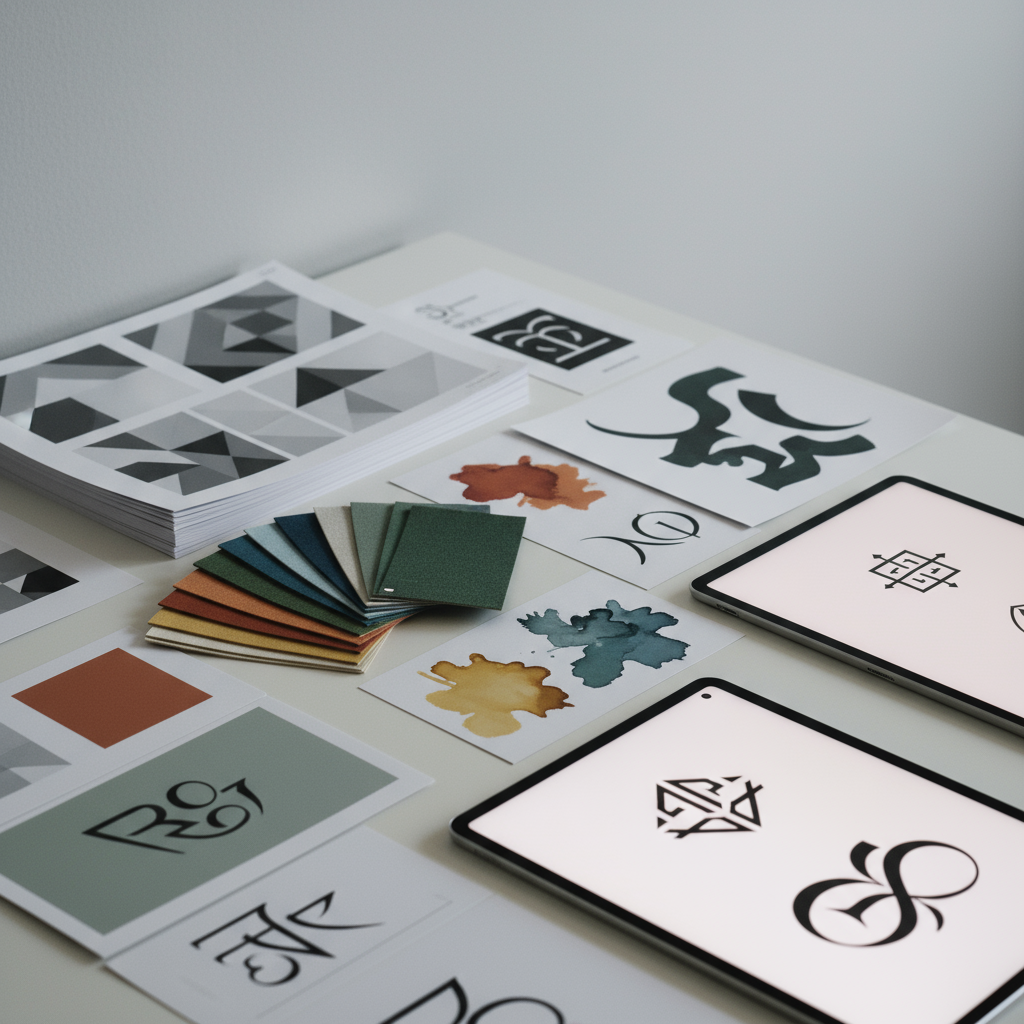
So you’ve got the basics of brand guidelines down—now let’s get into the real meat of what these things actually are and why they matter so much. Think of brand guidelines as your brand’s instruction manual. They’re the detailed documents that spell out exactly how your brand should look, sound, and feel across every single touchpoint. And trust me, in today’s world where your brand might show up on everything from Instagram stories to billboards to email signatures, having that consistency isn’t just nice to have—it’s absolutely critical.
Understanding the Essential Components of Brand Guidelines
Here’s where things get interesting. Your brand guidelines aren’t just a pretty document that sits in a folder somewhere. They’re the backbone of how people perceive your brand, and every single element needs to work together like a well-orchestrated symphony. We’re talking about your logo, colors, fonts, images, icons—and yes, even how you write and speak. Each piece tells part of your brand’s story, and when they’re all aligned? That’s when the magic happens. Your audience starts to recognize you instantly, and more importantly, they begin to trust you. If you want to see how this connects to positioning your brand in the market, check out these brand positioning strategies—they work hand-in-hand with your guidelines to create a cohesive brand message.
Now, here’s where most people mess up. They create beautiful brand elements but forget to set the rules for how to use them. Your logo needs specific guidelines—how big can it be, how small is too small, what backgrounds work, and what absolutely doesn’t. Your color palette? You need the exact codes for everything, whether it’s going on a website, a business card, or a giant trade show banner. Typography isn’t just about picking pretty fonts—it’s about creating hierarchy and communicating your brand’s personality. Are you sleek and modern? Traditional and trustworthy? Fun and energetic? Your font choices should scream that without saying a word. And don’t get me started on imagery and icons—they need to support your message, not compete with it. Plus, your brand voice and tone? That’s what makes people feel connected to you. If you’re working on organizing your content strategy, the insights in this content marketing for small business guide will help you apply your brand voice consistently across all your content.
Key Aspects of Essential Brand Elements
Let’s break down what you actually need to nail down for each of these core elements:
- Logo Usage and Variations: Create a complete logo family—full color, black and white, horizontal, stacked, you name it. But here’s the kicker: show people exactly what NOT to do. Seriously, make a “logo crimes” section because people will get creative in ways you never imagined. Include minimum sizes (because nobody wants to squint at a tiny, illegible logo) and clear spacing requirements.
- Color Palette Specifications: Give them everything—Pantone, CMYK, RGB, HEX codes, the works. Your primary colors, secondary options, and those neutral shades that tie everything together. This way, whether someone’s designing a digital ad or printing a brochure, your colors will look exactly the same.
- Typography Selection: Pick fonts that actually reflect who you are, then be specific about when to use what. Headings, body text, captions—each has its place. Always include web-safe alternatives because not everyone has access to your fancy custom fonts.
- Imagery and Iconography Style: Set the mood here. Are you going for crisp photography or hand-drawn illustrations? Bright and vibrant or moody and sophisticated? Define it clearly so there’s no guessing game.
- Voice and Tone Definition: This is your brand’s personality in words. Are you the friendly neighbor, the trusted expert, or the innovative disruptor? Whatever it is, make sure it comes through in everything you write—from marketing emails to social media posts to customer service responses.
These elements work together to create something bigger than the sum of their parts. When everyone on your team (and anyone you work with externally) follows these guidelines, you build the kind of brand recognition that makes people stop and take notice. If you want to see how this fits into your bigger marketing picture, this guide on marketing strategy for small businesses shows you how brand guidelines integrate with your overall campaigns.
Ready to move from understanding to actually creating? Let’s talk about how to build your own set of brand guidelines that actually work for your specific business and goals.
Creating and Implementing Your Brand Guidelines Effectively
Alright, you know what goes into brand guidelines—now comes the fun part: actually making them happen. And let me tell you, this isn’t just about creating a beautiful document that looks impressive in meetings. You’re building a roadmap that everyone can follow, from your newest intern to your most experienced external partners. The goal? Making sure your brand looks and sounds like itself no matter where people encounter it. Speaking of consistency across platforms, if you’re looking to automate some of this process, marketing automation for small business can help you maintain that brand consistency without losing your mind trying to manage everything manually.
Start with the foundation: who are you really? I’m talking about your mission, vision, and the core values that make your brand unique. Don’t skip this step—everything else builds on this foundation. Next, get crystal clear on who you’re talking to. Really dig into your audience’s demographics, what keeps them up at night, what makes them excited. This shapes everything from your color choices to how you write your social media captions. Then comes the visual stuff—designing (or refining) your logo, choosing your colors, selecting fonts that actually fit your personality. Document everything with specific rules about what works and what doesn’t. And remember, your brand guidelines are a living document. As your business grows and evolves, your guidelines should too.
Key Steps to Develop and Maintain Brand Guidelines
Here’s your roadmap for creating guidelines that people will actually use:
- Define Your Brand Identity Clearly: Start with the big picture—what does your brand stand for? What makes you different? Write this down in a way that everyone can understand and rally behind. This becomes your north star for every design and messaging decision.
- Design Visual Elements Thoughtfully: Work with designers (or become one temporarily) to create visuals that truly reflect your brand’s personality. Test everything across different mediums—what looks great on a screen might not work on a business card.
- Set Explicit Usage Rules: Be specific about the do’s and don’ts. Where can the logo go? What color combinations are off-limits? How much white space do you need? The more detailed you are here, the fewer headaches you’ll have later.
- Establish Brand Voice and Messaging Protocols: Define how you sound in writing. What words do you use? What tone do you take? How formal or casual are you? Then train everyone who touches customer communication to use this voice consistently.
The secret sauce isn’t just creating these guidelines—it’s keeping them alive and relevant. As your business grows, markets shift, and new platforms emerge, your guidelines need to evolve too. Schedule regular check-ins to see what’s working and what needs tweaking. Your brand should feel fresh and current, not like it’s stuck in the past. And if you need extra help along the way, this marketing for freelancers guide can help you find the right external expertise when you need it most.

Here’s the thing about brand guidelines—they’re like having a GPS for your brand. Without them, you’re basically driving around hoping you’ll end up somewhere that looks professional. Brand guidelines keep everything on track: your logo usage, color palettes, typography, imagery, and that distinctive voice that makes people remember you. Think of them as your brand’s rulebook, ensuring every touchpoint with your audience feels intentional and cohesive. Because let’s be honest, nothing screams “amateur hour” like inconsistent branding across your platforms.
Now, let’s break down what makes these guidelines actually work. Your logo? It’s your visual anchor—the thing people spot from across a crowded marketplace. Those carefully chosen colors and fonts aren’t just pretty; they’re quietly communicating your brand’s personality and values to everyone who sees them. Add in the right imagery and iconography, plus a voice that connects emotionally with your audience, and you’ve got yourself a brand experience that sticks. When all these pieces work together (and I mean really work together), that’s when the magic happens.
So how do you actually make this happen? Start with the foundation—nail down your brand identity first. What’s your mission? Your vision? Your core values? These aren’t just words for your website; they’re your north star for every branding decision you’ll make. Once that’s solid, you can dive into the visual stuff. Design your logo variations, lock in those color schemes, choose typography that actually fits your brand’s personality. But here’s the crucial part: set clear rules about how everything gets used. Trust me, without explicit guidelines about logo placement and color usage, things get messy fast. And since brands evolve (they should!), schedule regular check-ins to keep your guidelines fresh and relevant.
Ready to take your brand to the next level? You’ll want to explore some strategic resources that’ll amplify everything you’re building. Start with marketing communication strategies to make sure your brand message hits home across all your channels. Want to stand out in a crowded market? Our guide on brand positioning strategies will show you how to differentiate yourself and gain that competitive edge you’re looking for. And when it comes to bringing those brand guidelines to life in your day-to-day marketing, our content marketing plan template is exactly what you need. For the bigger picture of growing your marketing game, understanding business communication tools will strengthen your overall strategy and team collaboration.
Creating brand guidelines isn’t just about looking professional (though that’s definitely a nice bonus). It’s about building something that lasts—a brand that cuts through the noise and actually connects with people. When your guidelines become a living, breathing part of your business, they empower everyone on your team to represent your brand authentically. The result? Your audience gets a consistently excellent experience every single time they interact with your brand. And that consistency? That’s what turns casual browsers into loyal customers.
Frequently Asked Questions
-
What should be included in brand guidelines?
- Brand guidelines should include key elements like logo usage, color palettes, typography, imagery, iconography, and voice and tone to ensure consistent branding.
-
How often should brand guidelines be updated?
- They should be reviewed and updated regularly to keep up with brand evolution, market changes, and new marketing channels or tools.
-
Can small businesses benefit from brand guidelines?
- Absolutely. Even small businesses gain professionalism, consistency, and clearer communication with well-defined brand guidelines.
-
Do I need a designer to create brand guidelines?
- While professional designers add value, basic brand guidelines can be created effectively without one by focusing on clear rules and consistency.