Fulton Market Chicago: Visitor’s Guide & Tips
Fulton Market stands as one of Chicago’s most dynamic commercial districts, blending historic wholesale operations with contemporary retail, dining, and entertainment experiences. Located in the West Loop neighborhood, this iconic destination has undergone significant transformation over the past decade, evolving from a traditional produce and meat market into a vibrant mixed-use destination that attracts visitors, professionals, and food enthusiasts from across the region.
Whether you’re a first-time visitor or a seasoned Chicago explorer, understanding Fulton Market’s layout, offerings, and logistics can significantly enhance your experience. This comprehensive guide provides actionable insights into navigating the market, identifying key attractions, timing your visit strategically, and maximizing the value of your time in this energetic Chicago neighborhood.
History and Evolution of Fulton Market
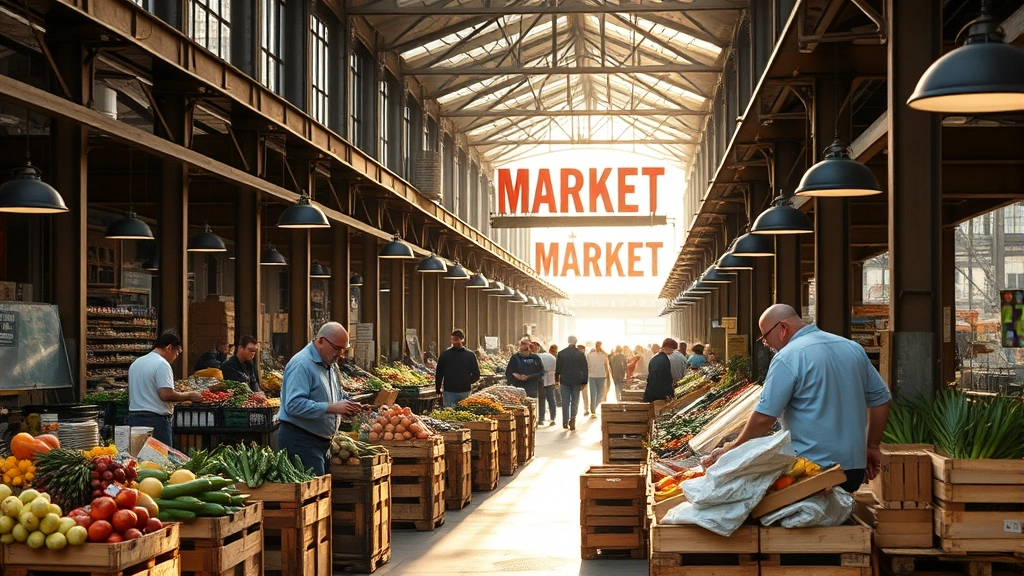
Fulton Market’s origins trace back to the 1850s when Chicago’s explosive growth created demand for centralized wholesale distribution of perishable goods. The market became the primary hub for produce, meat, and dairy products serving the entire Midwest region. For over 150 years, the market operated primarily as a wholesale operation, with early morning hours defining the commercial rhythm as distributors, restaurateurs, and retailers sourced inventory for their establishments.
The market’s character began shifting in the early 2000s as real estate developers recognized the neighborhood’s potential. The combination of historic architecture, proximity to downtown Chicago, and underutilized warehouse space attracted restaurants, galleries, and technology companies. Today’s Fulton Market represents a sophisticated blend of old and new—wholesale operations continue alongside upscale dining establishments, creative agencies, and specialty retailers. This transformation has made it a model for urban revitalization while preserving its commercial heritage.
When developing your marketing strategy for small businesses in Chicago, understanding neighborhood dynamics like Fulton Market’s evolution proves essential for identifying customer behavior patterns and positioning opportunities.
Getting There: Transportation and Parking
Public Transportation: Fulton Market is exceptionally accessible via Chicago’s CTA system. The Morgan Street Station (Green and Pink Lines) provides direct access, with walking distance of approximately 5-10 minutes to most market attractions. The Ashland Avenue Station (Red, Orange, and Purple Lines) offers an alternative entry point. For visitors traveling from O’Hare or Midway airports, the Blue Line to downtown connections provide seamless access.
Driving Directions: From downtown Chicago, head west on Lake Street or Madison Street, then navigate to Fulton Market’s main thoroughfares (Fulton Street, Randolph Street, or Halsted Street). The market occupies approximately 20 blocks bounded by Ashland Avenue to the east and Ogden Avenue to the west.
Parking Options: Street parking exists but fills quickly during peak hours (8-11 AM and 5-8 PM). Several paid parking lots operate throughout the neighborhood, with rates typically ranging from $3-$8 per hour. The Fulton Market Parking Garage offers convenient multi-level parking. Arriving before 8 AM or after 10 AM significantly improves parking availability.
Rideshare Services: Uber and Lyft operate throughout the neighborhood, offering reliable alternatives to driving. Drop-off points exist on multiple streets, though surge pricing applies during peak business hours.
Best Time to Visit
Timing significantly impacts your Fulton Market experience. Early Morning (5-8 AM): Witness authentic wholesale operations with produce deliveries, vendor negotiations, and the market’s traditional character. This period offers photographer-friendly scenes and authentic market atmosphere, though retail establishments remain closed.
Mid-Morning (9-11 AM): Retail shops open while wholesale activity continues. This window provides balanced access to both operational markets and shopping venues, with moderate crowds.
Afternoon (12-5 PM): Restaurants reach peak capacity, retail shops operate fully, and galleries welcome browsers. Crowds concentrate around dining establishments and specialty retailers.
Evening (5-10 PM): The market transforms into an entertainment destination with restaurant traffic, bar activity, and gallery openings (particularly Thursday evenings). This period attracts social visitors and diners rather than shoppers.
Seasonal Considerations: Spring and fall offer pleasant weather for walking and exploring. Summer brings outdoor patio dining and weekend events. Winter weather can be challenging, though indoor shopping and dining remain appealing. Markets near me resources help identify seasonal offerings and special events.
When planning how to create a marketing plan for retail or restaurant businesses in the area, understanding these seasonal and temporal patterns proves critical for inventory management and promotional timing.
Food and Dining Options
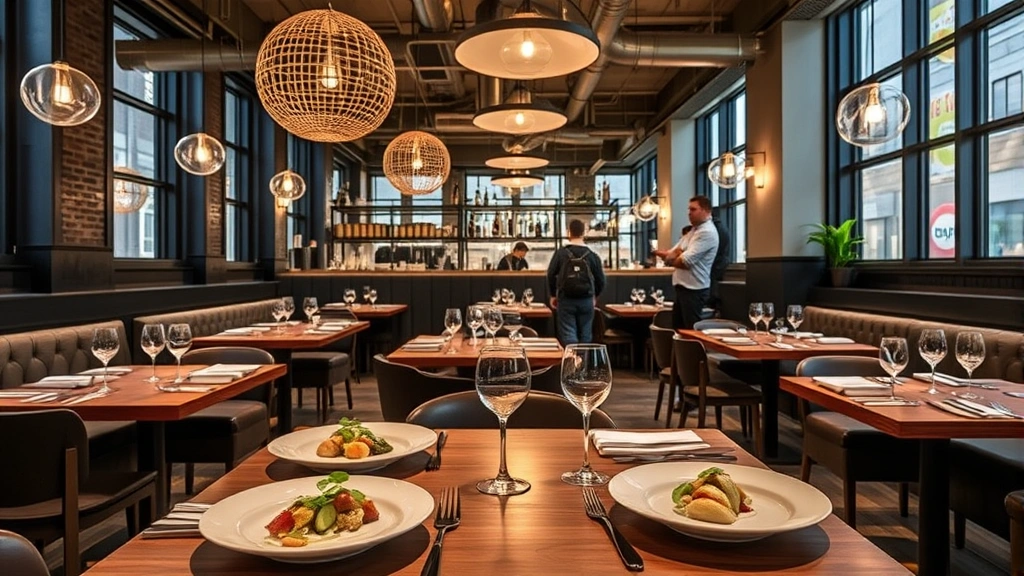
Fulton Market has emerged as Chicago’s premier dining destination, featuring restaurants ranging from casual to fine dining. High-End Establishments: Michelin-recognized restaurants including Alinea (innovative tasting menu experiences), Smyth (Japanese cuisine), and Oriole (French technique) attract culinary enthusiasts and tourists. These venues typically require advance reservations weeks in advance.
Contemporary Casual: Restaurants like Girl & the Goat (James Beard Award winner), Avec, and Publican offer elevated casual dining with moderate price points and walk-in or same-day reservation availability. Mediterranean, Italian, and American cuisines dominate this category.
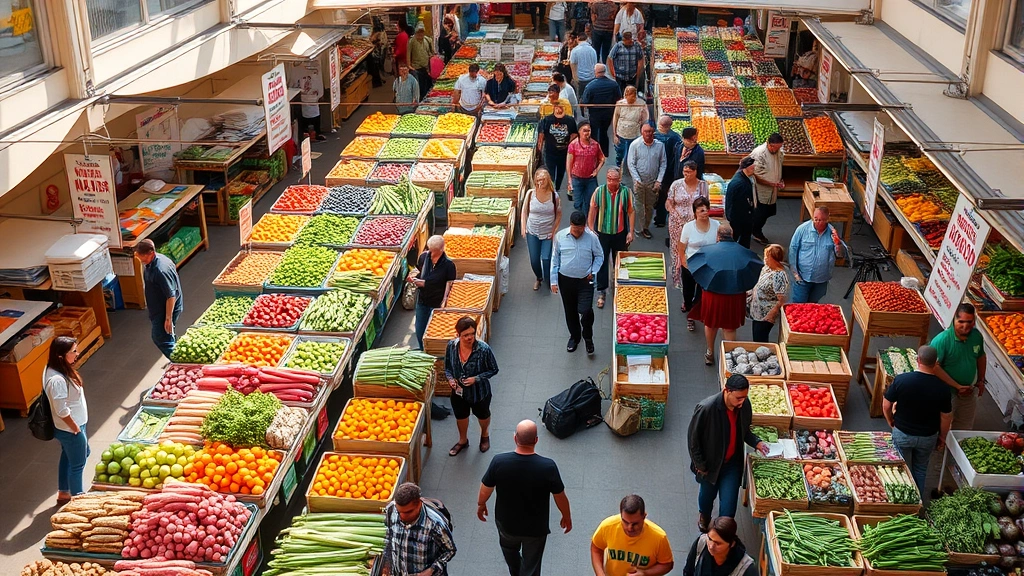
Specialty Food Vendors: The market maintains traditional wholesale vendors including butchers, produce distributors, and specialty importers. Visiting these vendors offers authentic sourcing experiences and opportunities to purchase high-quality ingredients directly.
Coffee and Casual Dining: Independent coffee roasters, bakeries, and casual lunch spots provide accessible options for budget-conscious visitors. These venues showcase Chicago’s growing specialty coffee culture and artisanal food movement.
Brewery and Bar Scene: Craft breweries and cocktail bars have established significant presence, with venues offering tastings, tours, and social experiences. These establishments typically open late morning through late evening.
Understanding market rise hub blog content about consumer behavior helps restaurant operators optimize menu pricing, promotional strategies, and customer experience design in competitive environments like Fulton Market.
Retail and Shopping Experiences
Beyond food, Fulton Market offers diverse retail opportunities. Specialty Food Retailers: Cheese shops, wine merchants, chocolate boutiques, and international food importers cater to culinary enthusiasts and home cooks seeking premium ingredients. These retailers often provide educational experiences and product recommendations.
Design and Home Goods: Furniture showrooms, lighting design studios, and home décor retailers occupy restored warehouse spaces. Many offer showroom browsing and design consultation services.
Fashion and Apparel: Independent boutiques featuring contemporary and vintage clothing, accessories, and footwear appeal to fashion-conscious visitors. Many emphasize locally-designed or sustainable brands.
Art Galleries and Creative Spaces: Contemporary art galleries, photography studios, and creative agencies occupy historic buildings. Gallery openings typically occur Thursday evenings, attracting art enthusiasts and collectors.
Wholesale Produce and Meat: Traditional market operations continue serving restaurants, retailers, and professional chefs. Visiting these spaces provides insight into Chicago’s culinary supply chain and food economy.
Business Opportunities in Fulton Market
Fulton Market represents significant commercial opportunity for entrepreneurs and established businesses. Restaurant and Food Service: The neighborhood’s dining reputation attracts investors seeking premium locations. High foot traffic, existing customer base, and brand-building opportunities justify premium commercial rents.
Retail Expansion: Specialty retailers benefit from Fulton Market’s tourist traffic and affluent customer demographics. Digital marketing strategy examples demonstrate how retail businesses in high-traffic locations leverage online channels to drive offline visits and build brand awareness.
According to Crain’s Chicago Business, commercial real estate values in Fulton Market have appreciated 40-60% over the past five years, reflecting strong business fundamentals and neighborhood investment. LoopNet commercial real estate data indicates average commercial lease rates of $25-$45 per square foot annually, with premium locations commanding higher premiums.
Wholesale and Distribution: The market’s existing infrastructure supports food distribution, specialty importing, and logistics operations. Businesses leveraging the neighborhood’s established supply chains benefit from reduced operational costs and industry clustering advantages.
Tourism and Experience-Based Businesses: Food tours, cooking classes, market consultations, and culinary experiences capitalize on visitor demand. Skift travel industry research indicates experiential travel represents the fastest-growing tourism segment, with urban food and market experiences commanding premium pricing.
Visitor Tips and Recommendations
Come Prepared for Walking: Fulton Market spans approximately 20 blocks with varied terrain and sidewalk conditions. Comfortable walking shoes prove essential. Plan to walk 2-4 miles depending on your route and interests.
Make Advance Reservations: Popular restaurants require reservations weeks in advance, particularly for dinner service. Use platforms like Resy or restaurant websites to secure tables early. Walk-in availability exists at casual venues but involves potential wait times during peak hours.
Budget Appropriately: Dining costs range significantly from $15-$20 casual lunch options to $150+ per person fine dining experiences. Plan budget allocation based on desired dining tier.
Explore Side Streets: While main thoroughfares (Randolph, Fulton) attract crowds, side streets reveal galleries, specialty shops, and lesser-known restaurants offering authentic experiences and shorter wait times.
Visit Multiple Days: Fulton Market’s breadth of offerings justifies multi-day visits. Separate culinary experiences, shopping, and gallery exploration across different visits to maximize enjoyment without rushing.
Check Event Calendars: Fulton Market hosts seasonal events, gallery openings, and food festivals. Consulting neighborhood event calendars identifies special programming that enhances visitor experiences.
Engage with Vendors: Wholesale vendors and specialty retailers welcome questions about products, sourcing, and preparation. Conversations with vendors provide insider knowledge and personalized recommendations unavailable through standard tourism channels.
Respect Wholesale Operations: Early morning hours represent active wholesale commerce. Visitors should remain aware of delivery trucks, equipment, and operational activity. Maintain respectful distance and follow signage indicating restricted areas.
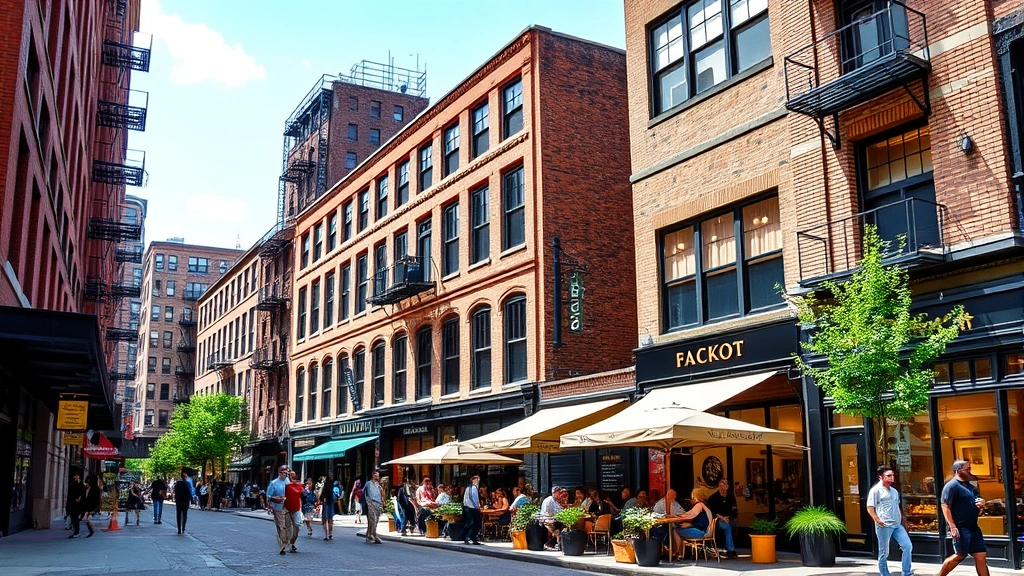
Photography Considerations: Fulton Market offers exceptional photography opportunities across architecture, food, and street scenes. However, respect vendor and business privacy—always request permission before photographing individuals or commercial operations.
Understanding stock market trends and economic indicators helps business operators and investors contextualize Fulton Market’s economic significance within Chicago’s broader commercial landscape and consumer spending patterns.
FAQ
What are Fulton Market’s operating hours?
Wholesale operations typically run 5 AM-2 PM, though specific hours vary by vendor. Retail shops generally operate 10 AM-6 PM weekdays and 10 AM-7 PM weekends. Restaurants have individualized hours, typically opening 11 AM-midnight. Call ahead to confirm specific business hours.
Is Fulton Market free to visit?
Yes, exploring the neighborhood is free. Dining and shopping involve purchases at individual businesses. Some galleries offer free admission. Parking fees apply unless finding free street parking.
Can I visit Fulton Market on Sundays?
Yes, though Sunday operations differ from weekdays. Wholesale operations close or operate minimally. Retail shops and restaurants operate normal or slightly reduced hours. Sunday provides a more relaxed atmosphere with smaller crowds.
What’s the best way to sample multiple restaurants?
Consider lunch at casual venues to experience multiple establishments across a single day. Happy hour pricing at some restaurants offers value for sampling drinks and appetizers. Restaurant weeks and promotional events provide discounted multi-course options.
Are there vegetarian and vegan dining options?
Yes, multiple restaurants accommodate dietary preferences. Girl & the Goat, Avec, and several casual venues offer substantial vegetarian selections. Call restaurants in advance to discuss dietary requirements for fine dining experiences.
Can I buy wholesale produce as a consumer?
Some vendors sell to consumers, though minimum purchase quantities may apply. Arrive early morning to find receptive vendors. Expect prices between retail and wholesale, with significant volume discounts for larger purchases.
What’s the parking situation during peak times?
Peak times (8-11 AM, 5-8 PM) create significant parking challenges. Paid lots offer reliability; street parking requires luck and patience. Consider public transportation or rideshare services during peak periods.
Are children welcome at Fulton Market?
Yes, though experiences vary. Daytime shopping and casual dining accommodate families well. Fine dining establishments typically cater to adult clientele. Early afternoon visits provide family-friendly atmosphere with manageable crowds.