Charlottesville Dairy Market: Local Insights & Trends
Charlottesville, Virginia’s dairy market represents a fascinating intersection of agricultural heritage, consumer demand, and regional economic development. Nestled in the heart of Virginia’s piedmont region, this community has cultivated a robust dairy sector that reflects both traditional farming practices and modern retail dynamics. Understanding the local dairy landscape requires examining production capabilities, consumer preferences, market accessibility, and the economic factors shaping purchasing decisions in this university-influenced city.
The dairy market in Charlottesville operates within a unique context. Home to the University of Virginia, the city boasts a diverse demographic that includes students, faculty, and long-term residents with varying income levels and purchasing power. This diversity creates distinct market segments, from budget-conscious students seeking affordable milk and yogurt to affluent consumers willing to pay premium prices for organic, locally-sourced dairy products. The interplay between these consumer groups significantly influences inventory decisions, pricing strategies, and product selection across local retailers.
Regional factors amplify the importance of understanding Charlottesville’s dairy market specifically. Virginia’s agricultural economy remains substantial, with dairy farming contributing meaningfully to rural economies throughout the state. Local producers benefit from relatively short supply chains, reduced transportation costs, and strong community support for regional agriculture. These advantages position Charlottesville dairy retailers and producers in a competitive position compared to national chains relying on distant suppliers.
Market Overview and Consumer Demographics
Charlottesville’s population of approximately 46,000 residents, supplemented by roughly 20,000 university students, creates a dynamic market with distinct purchasing patterns. The city’s median household income of around $45,000 positions it slightly below national averages, yet the presence of university-affiliated professionals and affluent retirees creates pockets of higher disposable income. This economic stratification directly impacts dairy consumption patterns and retailer positioning.
Consumer demographics reveal important trends for dairy marketers and retailers. The student population typically prioritizes affordability and convenience, gravitating toward bulk purchases of standard milk, cheese, and yogurt products. Faculty and professional staff demonstrate greater willingness to explore premium offerings, including specialty cheeses, Greek yogurt, and organic alternatives. Families with children represent another crucial segment, often balancing nutritional concerns with budget constraints. Senior citizens, increasingly prevalent in Charlottesville, show strong preferences for calcium-fortified products and lactose-free options.
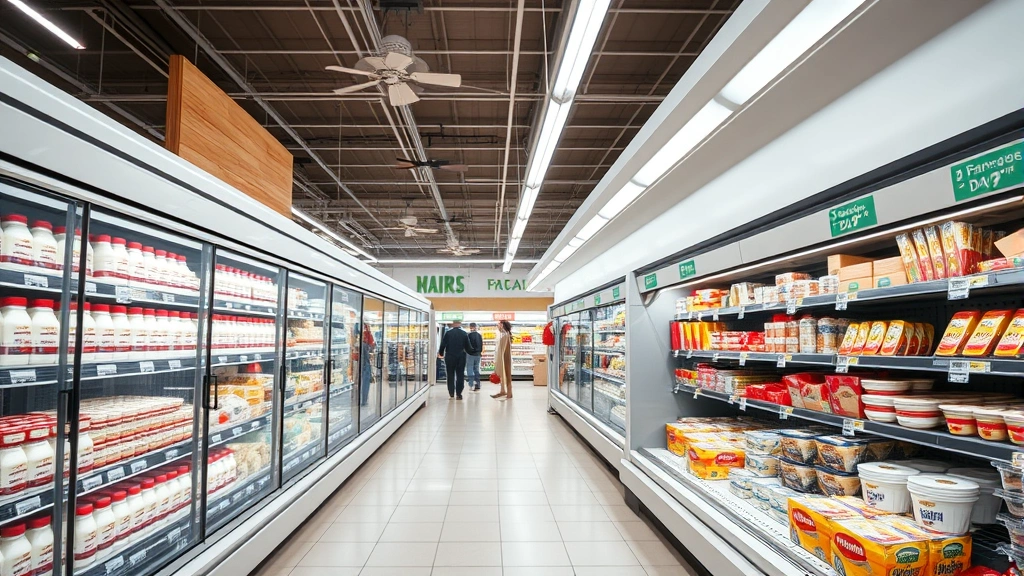
The local markets near Charlottesville reflect these demographic nuances through product diversification and targeted marketing. Major retailers including Harris Teeter, Food Lion, and Whole Foods Market maintain substantial dairy sections catering to these varied consumer needs. Independent grocers and farmers markets supplement larger retailers, offering specialized products and direct producer relationships that larger chains cannot replicate.
Seasonal variations significantly impact dairy demand in Charlottesville. Summer months bring increased consumption of frozen yogurt, ice cream, and fresh dairy products as temperatures rise. Fall and winter seasons see elevated demand for cheese, butter, and shelf-stable milk products as consumers prepare comfort foods and holiday meals. University academic calendars create predictable fluctuations, with increased demand during fall and spring semesters when student populations peak.
Local Dairy Producers and Supply Chain
Virginia’s dairy industry ranks among the nation’s top producers, with numerous operations within reasonable proximity to Charlottesville. Local producers benefit from established infrastructure, veterinary services, and cooperative marketing organizations that strengthen their competitive position. The Virginia Dairy Council actively promotes local production and consumer education, supporting both commercial operations and emerging artisanal producers.
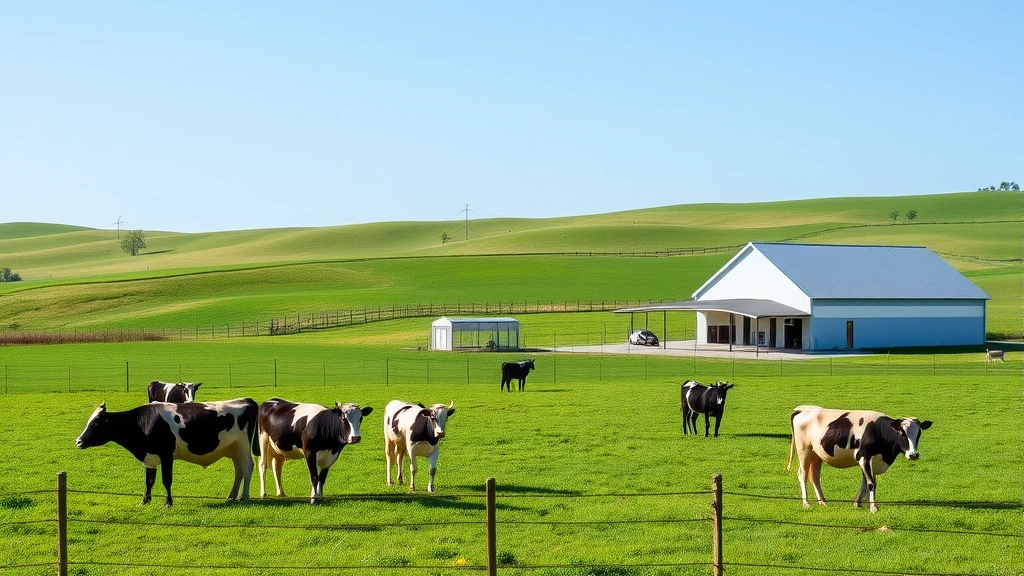
Several family-owned dairy farms operate within Albemarle County and surrounding areas, many with multi-generational histories spanning 50+ years. These operations range from conventional milk production serving regional fluid milk markets to specialty producers crafting artisanal cheeses, cultured butter, and yogurts. Producers like Meadow Creek Dairy and other regional operations have developed strong reputations for quality and sustainability practices, commanding premium pricing and consumer loyalty.
The supply chain connecting local producers to Charlottesville consumers involves multiple pathways. Traditional wholesale distribution through dairy cooperatives remains dominant, with milk and basic dairy products flowing through regional distribution centers to retail partners. However, direct-to-consumer models have expanded significantly, particularly through farmers markets, community-supported agriculture programs, and on-farm retail operations. The Market Rise Hub Blog frequently discusses how regional supply chains impact local pricing and availability.
Transportation efficiency represents a critical competitive factor. Producers located within 50-75 miles of Charlottesville can deliver products with minimal spoilage risk while maintaining freshness advantages over distant competitors. This geographic advantage enables local producers to emphasize “ultra-fresh” positioning and reduced environmental impact, resonating strongly with environmentally conscious consumers willing to pay premium prices.
Retail Landscape and Distribution Channels
Charlottesville’s retail dairy market encompasses diverse distribution channels reflecting evolving consumer preferences. Traditional supermarkets remain dominant, with Harris Teeter and Food Lion maintaining market leadership through extensive product selection, competitive pricing, and convenient locations. These chains leverage sophisticated supply chain management and economies of scale, enabling aggressive pricing on commodity dairy products while maintaining healthy margins on premium offerings.
Whole Foods Market serves the premium segment, emphasizing organic certification, sustainable sourcing, and product transparency. The store’s dairy section features extensive organic options, specialty cheeses from renowned producers, and plant-based alternatives capturing consumers prioritizing health and environmental considerations. Premium positioning enables higher price points, with organic milk typically commanding 50-100% price premiums compared to conventional options.
Independent grocers, including smaller regional chains and neighborhood markets, compete through personalized service, local product emphasis, and community integration. These retailers often stock locally-produced dairy items unavailable through national chains, creating differentiation and building customer loyalty. Their ability to adapt quickly to local preferences and maintain personal relationships with producers enables competitive advantages despite smaller scale.
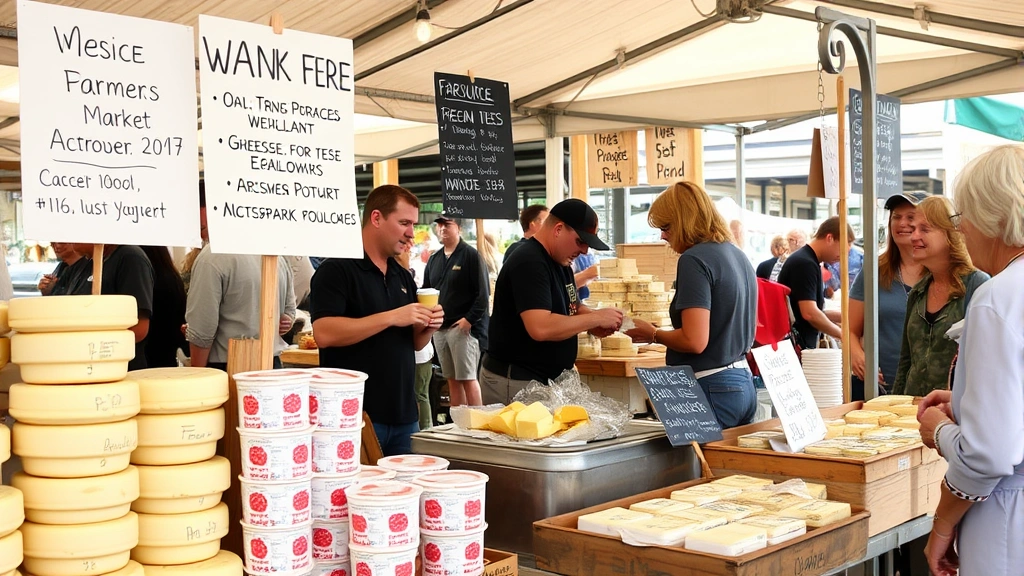
Farmers markets have expanded dramatically throughout Charlottesville, with multiple venues operating seasonally and year-round. The Charlottesville City Market operates year-round on Main Street, featuring multiple dairy vendors including artisanal cheese makers, yogurt producers, and milk suppliers. These venues enable producers to capture premium pricing by eliminating intermediaries and connecting directly with consumers. Market shoppers demonstrate strong willingness to pay above retail prices when purchasing directly from producers.
Convenience stores and gas stations occupy a significant market segment, particularly for milk, yogurt, and cheese products. These venues prioritize fast-moving items, stocking standard brands at accessible price points. While margins remain thin, volume compensates, and convenience store dairy sales contribute meaningfully to overall market size.
Pricing Trends and Consumer Behavior
Dairy pricing in Charlottesville reflects national commodity trends while incorporating regional supply dynamics and local competitive pressures. Conventional whole milk typically ranges from $3.29-$3.99 per gallon at major retailers, tracking reasonably close to national averages. However, premium and specialty products demonstrate greater price variation based on production methods, sourcing claims, and retailer positioning.
Organic milk commands significant premiums, averaging $5.49-$6.99 per gallon depending on retailer and brand. This pricing reflects higher production costs, certification requirements, and consumer willingness to pay for perceived health and environmental benefits. Greek yogurt products range from $4.99-$7.99 per container, with premium brands emphasizing protein content and ingredient transparency commanding higher prices than store brands.
Consumer behavior analysis reveals sophisticated purchasing patterns influenced by multiple factors. Price sensitivity remains significant, particularly among student populations and budget-conscious families. However, marketing strategy for small businesses emphasizes that quality perception and brand loyalty often override pure price considerations. Consumers demonstrate willingness to trade up to premium products when perceiving clear value differentials, such as superior taste, health benefits, or ethical production practices.
Purchase frequency patterns show most households buying dairy products weekly or bi-weekly, with consumption levels varying significantly based on family size and dietary preferences. University students often purchase in larger quantities when prices drop, storing products for extended consumption periods. Families with young children demonstrate consistent, frequent purchasing patterns, often buying multiple dairy products during single shopping trips.
Promotional activity significantly influences purchasing decisions, with consumers actively seeking sales, coupons, and loyalty program discounts. Major retailers utilize dairy as a loss leader, attracting shoppers through aggressive pricing on milk and basic products while capturing margin on premium items. This strategy effectively drives store traffic and increases basket sizes, benefiting overall retail performance.
Organic and Premium Dairy Segment
The organic and premium dairy segment represents the fastest-growing market category in Charlottesville, reflecting broader national trends toward natural, sustainably-produced foods. Consumers increasingly prioritize animal welfare, environmental impact, and production transparency, driving demand for certified organic and grass-fed dairy products. This segment encompasses approximately 15-20% of total dairy sales in progressive markets like Charlottesville, with growth rates exceeding overall dairy market expansion.
Local producers have capitalized on premium segment opportunities through differentiation strategies emphasizing production methods and sourcing claims. Grass-fed milk products command premiums of 40-60% compared to conventional alternatives, with consumers citing improved nutritional profiles and reduced environmental impact as primary purchase drivers. Artisanal cheese producers have developed strong followings, with products featuring prominently at farmers markets and specialty retailers.
Sustainability certifications and eco-friendly packaging increasingly influence premium product positioning. Producers highlighting reduced plastic packaging, recyclable containers, and carbon-neutral production methods appeal strongly to environmentally conscious consumers. Local sourcing claims resonate particularly powerfully in Charlottesville, where community pride and university environmental initiatives create receptive audiences for sustainability messaging.
The digital marketing trends for 2025 emphasize storytelling and transparency, enabling premium producers to communicate production practices and brand values directly to consumers through social media and e-commerce platforms. Charlottesville’s tech-savvy population, influenced by university demographics, responds enthusiastically to authentic brand narratives and behind-the-scenes producer content.
Competitive Analysis and Market Positioning
Competition within Charlottesville’s dairy market operates across multiple dimensions, from price-based competition among major retailers to differentiation strategies emphasizing quality and local sourcing. Understanding competitive positioning requires examining market share, strategic focus, and competitive advantages of major participants.
Harris Teeter maintains strong market position through extensive retail footprint, competitive pricing, and sophisticated supply chain capabilities. The chain’s “VIC Card” loyalty program drives repeat purchases and customer data collection, enabling personalized marketing and targeted promotions. Dairy departments feature extensive selection across all price points, from budget brands to premium organic options, accommodating diverse consumer preferences within single retail environment.
Food Lion competes aggressively on price, positioning as the value leader in Charlottesville’s retail market. The chain emphasizes private-label dairy products offering significant savings compared to national brands, particularly appealing to price-sensitive consumers. Limited SKU count compared to Harris Teeter reflects strategic focus on fast-moving commodities rather than extensive specialty product selection.
Whole Foods Market occupies premium positioning, targeting affluent consumers prioritizing organic certification, sustainability, and product transparency. The store’s curated product selection, emphasizing local and artisanal producers, creates differentiation from conventional supermarkets. Premium pricing reflects brand positioning and target customer willingness to pay for perceived quality advantages.
Independent retailers and farmers market vendors compete through local sourcing emphasis, personalized service, and community integration. These competitors leverage relationships with local producers to offer products unavailable through national chains, creating differentiation despite smaller scale and higher operating costs. Their success depends on cultivating loyal customer bases willing to accept higher prices in exchange for local sourcing and community impact benefits.
Check the stock market performance of major dairy and retail corporations to understand broader industry trends affecting local competition. Understanding how publicly-traded companies adjust strategy based on financial performance provides insights into likely competitive moves affecting Charlottesville’s local market.
Growth Opportunities and Challenges
Charlottesville’s dairy market presents distinct growth opportunities alongside significant challenges requiring strategic navigation. Understanding these dynamics enables retailers and producers to position effectively within evolving market conditions.
Growth opportunities include expanding premium and specialty segments as consumer incomes rise and health consciousness increases. Plant-based dairy alternatives represent a rapidly-growing category, with oat milk, almond milk, and other non-dairy options increasingly prominent in Charlottesville retail environments. Retailers expanding alternative dairy selection capture growing consumer segments while maintaining traditional dairy sales to loyal customers.
Local sourcing emphasis represents another growth vector, particularly through direct-to-consumer channels including farmers markets, community-supported agriculture programs, and on-farm retail operations. These channels enable producers to capture higher margins while building direct customer relationships. Charlottesville’s university-influenced population and environmental consciousness create particularly receptive audiences for local sourcing messaging.
E-commerce and online ordering capabilities present significant growth opportunities, particularly for consumers prioritizing convenience and time savings. Traditional retailers increasingly offer online ordering with in-store pickup or home delivery, enabling competitive responses to changing consumer preferences. Specialized online retailers focusing on organic and premium dairy products have entered markets like Charlottesville, creating new competitive dynamics.
Significant challenges threaten market stability and profitability. Feed cost volatility directly impacts dairy production economics, with commodity grain prices fluctuating based on global weather patterns and agricultural conditions. These cost pressures ultimately transmit to consumer prices, potentially dampening demand during periods of elevated pricing.
Labor challenges affect both retail and production operations. Dairy farming requires specialized skills and consistent commitment, creating recruitment and retention difficulties particularly as younger generations pursue alternative career paths. Retail labor costs have risen significantly, pressuring margins in competitive environments where price competition limits pricing flexibility.
Environmental regulations increasingly impact dairy production, particularly regarding waste management, water usage, and nutrient management. Compliance costs rise as regulations tighten, potentially disadvantaging smaller producers lacking economies of scale to absorb regulatory expenses. These pressures may drive consolidation, reducing the number of local producers and potentially constraining supply chain diversification.
Changing dietary preferences, including reduced dairy consumption among younger consumers and lactose-intolerant populations, present long-term demand challenges. While plant-based alternatives and lactose-free options partially offset these trends, overall dairy consumption continues declining in many demographic segments. Retailers must actively manage category mix and promotional strategies to maintain category health despite headwinds.
Consolidation trends in retail and dairy production create concerns regarding market concentration and reduced competition. As larger players gain market share through acquisition and expansion, smaller competitors face increasing pressure. This dynamic threatens the local sourcing and community-oriented positioning that differentiates independent retailers and regional producers.
Understanding why stock markets fluctuate provides context for how broader economic conditions affect consumer spending and dairy market dynamics. Recession concerns, inflation pressures, and employment uncertainty directly influence purchasing decisions and category growth prospects.
FAQ
What dairy products are most popular in Charlottesville?
Milk, yogurt, and cheese products dominate Charlottesville dairy sales, reflecting national consumption patterns. However, specialty items including Greek yogurt, lactose-free products, and organic alternatives show particularly strong growth, driven by health consciousness and dietary diversity within the university-influenced population.
Where can I find locally-produced dairy in Charlottesville?
Farmers markets, particularly the Charlottesville City Market, feature multiple local dairy producers. Whole Foods Market stocks regional artisanal products, and independent grocers often carry local items. Direct-to-consumer options include community-supported agriculture programs and on-farm retail operations accessible through regional agricultural organizations.
How do Charlottesville dairy prices compare to national averages?
Conventional milk pricing tracks reasonably close to national averages, typically ranging $3.29-$3.99 per gallon. However, premium and specialty products command greater price premiums, with organic milk averaging $5.49-$6.99 and artisanal cheeses varying widely based on production methods and producer reputation. Local sourcing and organic certification drive price premiums compared to national brand equivalents.
Are there growth opportunities in Charlottesville’s dairy market?
Significant opportunities exist in premium segments, plant-based alternatives, and direct-to-consumer channels. Local sourcing emphasis, online ordering capabilities, and specialty product expansion represent promising growth vectors. However, consolidation trends, changing dietary preferences, and regulatory pressures present countervailing challenges requiring strategic navigation.
How do university students impact Charlottesville’s dairy market?
University students represent approximately 30% of Charlottesville’s population, creating significant demand for affordable dairy products. Student purchasing patterns emphasize bulk quantities, budget pricing, and convenience, driving retailers to maintain competitive pricing on commodity items. Seasonal academic calendars create predictable demand fluctuations tied to semester schedules.
What sustainability practices are important to Charlottesville dairy consumers?
Environmental consciousness significantly influences purchasing decisions, particularly among younger consumers and university-affiliated individuals. Grass-fed production, organic certification, sustainable packaging, and local sourcing represent key sustainability attributes driving premium product demand. Producers emphasizing these attributes command pricing premiums and benefit from strong customer loyalty.


