Top Christmas Markets in Europe: Traveler Picks for 2024
Europe transforms into a winter wonderland each holiday season, with centuries-old Christmas markets drawing millions of visitors seeking festive cheer, handcrafted goods, and authentic seasonal experiences. From the snow-dusted Alpine villages to bustling city squares, these markets represent far more than shopping destinations—they’re cultural institutions that blend tradition, commerce, and community celebration. The European Christmas market phenomenon generates billions in seasonal revenue while providing small artisans and vendors with critical annual income opportunities.
Understanding what makes these markets thrive requires examining the intersection of markets near me concepts and global travel trends. The holiday market experience has evolved significantly, incorporating modern retail strategies while maintaining authentic cultural elements. This guide explores the continent’s most celebrated Christmas markets through the lens of both traveler experiences and the economic systems that sustain them.
The Economics Behind Europe’s Christmas Markets
Christmas markets represent a sophisticated retail ecosystem that blends traditional commerce with experiential tourism. According to Statista’s European market analysis, holiday markets collectively generate over €8 billion annually across the continent. This economic engine supports not just individual vendors but entire regional economies dependent on seasonal tourism flows.
The market structure itself teaches valuable lessons about market dynamics and retail strategy. Vendors operate under carefully regulated licensing systems, with municipalities managing everything from booth placement to product categories. This structured approach prevents market saturation while ensuring quality control—a model that modern e-commerce platforms increasingly adopt.
Traveler spending patterns at these markets follow predictable trajectories. Initial visits focus on exploration and impulse purchases; repeat visitors develop vendor relationships and seek specific artisan products. This customer lifecycle mirrors broader retail principles discussed in effective marketing plan development.
Cologne Christmas Markets: Germany’s Festive Hub
Cologne hosts multiple Christmas markets across its historic city center, with the primary market in Cathedral Square (Domplatz) attracting over three million visitors annually. The market spans nearly 5,000 square meters, featuring approximately 160 wooden stalls arranged in a traditional configuration that dates back to medieval trading practices.
What distinguishes Cologne’s markets is their strategic positioning. The Cathedral Square location directly adjacent to the UNESCO World Heritage Cologne Cathedral creates natural foot traffic flow. Vendors report that location within the market hierarchy significantly impacts sales—premium corner positions command premium rental rates, typically 40-60% higher than secondary locations.
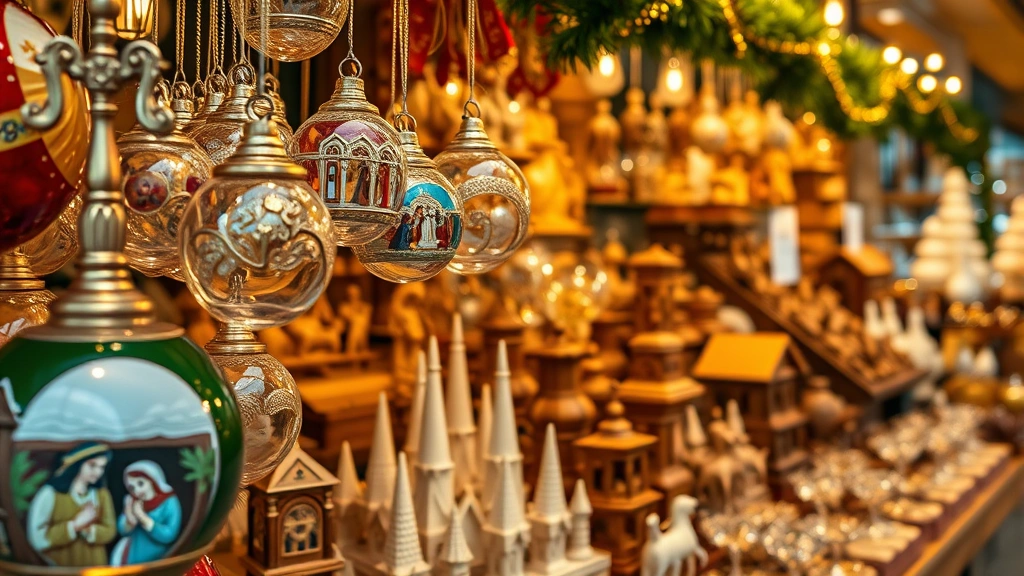
The product mix reflects sophisticated market segmentation. Upper-tier stalls feature artisanal goods: hand-blown glass ornaments, wooden nativity scenes, and regional crafts. Mid-tier vendors sell quality mass-produced items with regional branding. Budget-conscious sections offer traditional treats—roasted nuts, lebkuchen (gingerbread), and mulled wine—at accessible price points.
Cologne’s markets operate under strict regulations established by the city’s Chamber of Commerce. Vendors must meet specific criteria: German or EU residency, proof of artisanal production (for craft categories), and liability insurance. These standards maintain market integrity while creating barriers to entry that protect established vendors.
Vienna’s Magical Winter Wonderland
Vienna operates approximately 20 distinct Christmas markets throughout the city, with Schönbrunn Palace and St. Stephen’s Cathedral hosting the most prestigious venues. The Schönbrunn market alone draws 2.5 million visitors annually, generating an estimated €45 million in direct and indirect economic activity.
Vienna’s market success stems from sophisticated tourism infrastructure and digital marketing strategies for 2025 that blend traditional charm with modern promotion. The city’s tourism board coordinates cross-market promotions, unified pricing standards, and joint marketing campaigns that increase overall market awareness.
The Vienna market experience emphasizes luxury positioning. Vendor selection prioritizes premium Austrian brands, international designers, and exclusive craftspeople. Average transaction values in Vienna exceed comparable German markets by 35%, reflecting both higher price points and increased consumer spending power among the affluent visitor demographic.
Cultural programming differentiates Vienna’s markets from competitors. Live performances of traditional Austrian music, theatrical productions, and culinary demonstrations create destination experiences beyond transactional shopping. This experiential approach generates repeat visits and extended dwell times—metrics that directly correlate with increased spending.
Strasbourg: France’s Enchanted Marketplace
Strasbourg claims Europe’s oldest continuously operating Christmas market, with records documenting market activities since 1570. The market sprawls across the entire historic city center, with over 300 stalls distributed across multiple squares and streets. Annual visitor numbers exceed four million, making it one of Europe’s most attended seasonal markets.
The longevity of Strasbourg’s market reflects institutional resilience and adaptive management. Despite wars, economic disruptions, and modernization pressures, city authorities have consistently prioritized market preservation. This commitment to tradition paradoxically drives contemporary commercial success—authenticity becomes a competitive advantage in an increasingly homogenized retail environment.
Strasbourg’s market distinguishes itself through culinary focus. Approximately 40% of vendor stalls feature food and beverage offerings, compared to 20-25% in comparable German markets. Local specialties dominate: kugelhopf (Alsatian cake), foie gras, regional wines, and traditional breads. This food-centric positioning attracts culinary tourists and generates higher per-capita spending than gift-focused markets.
The market’s economic impact extends beyond direct vendor sales. Hotels report 95%+ occupancy rates during the market season (November-December). Restaurants benefit from increased foot traffic and tourist spending. Transportation providers see elevated revenue from market-related travel. This multiplier effect demonstrates how concentrated seasonal commerce can revitalize entire regional economies.
Prague’s Old Town Square Spectacle
Prague’s Christmas market in Old Town Square combines medieval architecture with contemporary retail sophistication. The market operates for approximately 45 days, typically November 29 through January 6, with peak attendance during December weekends and holiday weeks.
Prague’s market reflects Central European commercial traditions, emphasizing handcrafted items and traditional Czech products. Marionettes, hand-painted ornaments, traditional toys, and artisanal foods dominate vendor offerings. The market attracts significant international tourism—approximately 60% of visitors originate from outside Czech Republic, compared to 40-50% in Western European markets.
The Old Town Square location provides architectural theater that enhances the shopping experience. The Astronomical Clock, Gothic spires, and Renaissance buildings create an aesthetic backdrop that photography-conscious tourists actively seek. Social media amplification of market imagery has driven exponential growth in international visitor numbers over the past five years.
Pricing strategies in Prague reflect Eastern European cost structures while capitalizing on Western tourist spending power. Vendor margins typically exceed Western European markets by 15-25%, despite lower absolute transaction values. This margin differential reflects lower operational costs (booth rental, labor, inventory) while maintaining competitive pricing for price-sensitive segments.
Alpine Markets: Innsbruck and Salzburg
Alpine Christmas markets in Innsbruck and Salzburg offer distinctive positioning based on mountain scenery and winter sports proximity. Both cities attract visitors combining market visits with ski vacations, creating extended stay patterns that amplify total spending.
Innsbruck’s market in Maria Theresa Street features regional Alpine products: hand-knitted sweaters, wood carvings, crystal work, and traditional Austrian crafts. The market’s elevation (577 meters) and Alpine location frequently provide authentic snow backdrop—a natural amenity that enhances the festive aesthetic and justifies premium pricing for location-dependent vendors.
Salzburg’s market benefits from Mozart’s birthplace heritage, incorporating classical music performances and cultural programming that attract sophisticated travelers. The city’s association with ‘The Sound of Music’ drives additional tourist volume, particularly from English-speaking markets. This cultural positioning enables premium pricing and attracts vendors offering luxury goods categories.
Alpine markets demonstrate how strategic marketing for seasonal businesses creates competitive differentiation. Both cities actively promote market experiences as integral components of winter holiday packages, bundling market access with accommodation and ski passes. This integrated approach increases customer lifetime value and supports higher vendor rents.
Brussels and Northern European Gems
Brussels operates multiple markets, with the Winter Wonders market at Brussels-Midi Train Station and the Grand Place market attracting over two million combined visitors. The logistics hub location at Brussels-Midi creates natural foot traffic from travelers, while the Grand Place’s architectural significance drives tourist visitation.
Northern European markets in Copenhagen, Stockholm, and Amsterdam reflect Nordic design aesthetics and sustainability-focused vendor selection. These markets increasingly emphasize eco-friendly products, organic food offerings, and sustainably sourced crafts—positioning that aligns with Northern European consumer values and commands premium pricing.
Amsterdam’s Christmas market at Museumplein combines retail with cultural programming, hosting exhibitions and performances that extend beyond traditional market activities. This cultural integration attracts repeat visitors and generates media coverage that amplifies market awareness across European markets.
The Nordic markets demonstrate how environmental consciousness translates into competitive advantage. Vendors emphasizing sustainable practices, ethical sourcing, and minimal packaging increasingly dominate premium market segments. This trend reflects broader consumer behavior shifts toward sustainable consumption documented by McKinsey and similar research firms.
Planning Your Market Visit: Strategic Tips
Successful Christmas market visits require strategic planning that extends beyond casual tourism. Timing significantly impacts experience quality and spending patterns. Early December offers moderate crowds with full vendor selection; mid-December experiences peak congestion but festive atmosphere; late December attracts bargain hunters as vendors clear inventory.
Budget allocation should account for regional price variations. Alpine markets command 20-30% premiums compared to Eastern European equivalents. Strasbourg and Vienna occupy mid-range pricing, while Prague and Budapest offer optimal value propositions. Currency fluctuations significantly impact budget calculations for non-Eurozone visitors.
Vendor relationship development enhances market experiences. Regular market visitors report that repeat visits to specific stalls create transaction advantages: vendor discounts, access to limited inventory, and personalized recommendations. This relationship-building mirrors principles discussed in market dynamics and relationship-based commerce.
Transportation logistics require advance planning. Major market cities experience 20-40% increased congestion during peak season. Public transportation often reaches capacity; booking accommodation within walking distance of market venues eliminates transportation stress and enables multiple visits without daily transit hassles.
Spending patterns benefit from structured approaches. Market visitors typically allocate 30-40% of budgets for food and beverages, 40-50% for gift purchases, and 10-20% for personal items. This allocation framework prevents overspending in individual categories and ensures balanced market engagement.
Sustainable Shopping and Vendor Support
Contemporary Christmas market engagement increasingly emphasizes sustainability and direct vendor support. Purchasing directly from artisans eliminates retail intermediaries, ensuring maximum value transfer to producers. This direct commerce model generates 50-70% higher vendor margins compared to wholesale distribution channels.
Sustainable shopping at Christmas markets involves prioritizing vendors emphasizing environmental responsibility. Reusable packaging, organic materials, and ethical sourcing practices increasingly characterize premium market segments. Supporting these vendors creates positive externalities extending beyond individual transactions to broader environmental and social impact.
The shift toward sustainable market commerce reflects evolving consumer values, particularly among younger demographics. Forbes research on sustainable holiday shopping documents that approximately 65% of consumers aged 18-35 actively consider environmental impact in holiday purchasing decisions. This demographic preference increasingly shapes vendor selection and market positioning across European markets.
Supporting small vendors and artisans contributes to local economic resilience. Market vendors typically reinvest 70-80% of annual revenue within local economies through supplier relationships, employee compensation, and operational expenses. This multiplier effect creates community-level economic benefits that extend far beyond individual market transactions.
Vendor support extends beyond purchasing transactions. Providing constructive feedback, sharing social media content featuring vendor products, and recommending markets to friends amplifies vendor reach and contributes to sustainable market growth. These informal support mechanisms generate measurable business benefits for artisans dependent on seasonal revenue concentration.
FAQ
What are the best times to visit European Christmas markets?
Early December (December 1-10) offers optimal conditions combining moderate crowds, complete vendor selection, and festive atmosphere. Mid-December experiences peak congestion, while late December attracts bargain hunters seeking inventory clearance. Weekday visits consistently experience 30-40% fewer crowds than weekends.
How much should I budget for a Christmas market visit?
Budget allocation varies by market location. Alpine and Western European markets require €80-150 daily budgets for moderate spending; Eastern European markets function effectively with €40-80 daily budgets. These estimates include food, beverages, and gift purchases but exclude accommodation and transportation.
Are Christmas markets in Europe crowded?
Yes, major markets experience significant congestion during peak season. Strasbourg, Vienna, and Cologne regularly host 50,000+ daily visitors during December weekends. Visiting during weekday mornings or early November/late December substantially reduces crowd exposure while maintaining vendor availability.
What products should I buy at Christmas markets?
Artisanal products unavailable through retail channels represent optimal purchases: hand-blown ornaments, traditional crafts, regional foods, and limited-edition items. Mass-produced goods typically cost 15-25% more at markets than retail alternatives, making them poor value propositions.
Can I negotiate prices at European Christmas markets?
Direct price negotiation is generally inappropriate at European markets, particularly in Western Europe where fixed pricing is standard. However, purchasing multiple items, returning to vendors across multiple visits, or purchasing during closing weeks sometimes generates informal discounts. Eastern European markets permit more flexible negotiation, particularly late in the season.
What should I eat at Christmas markets?
Regional specialties provide optimal market food experiences. German markets feature lebkuchen and roasted nuts; Austrian markets emphasize käsespätzle and strudel; French markets showcase foie gras and kugelhopf. Mulled wine (Glühwein) represents the universal market beverage, with regional variations reflecting local wine traditions.