
Meditation Products Market Trends 2023: Comprehensive Analysis & Growth Outlook
The global meditation products market has experienced unprecedented growth over the past three years, driven by increasing consumer awareness of mental health, wellness trends, and the widespread adoption of mindfulness practices. In 2023, this dynamic sector continues to expand with innovative product categories, emerging technologies, and shifting consumer preferences reshaping the landscape. Understanding current meditation market trends is essential for retailers, entrepreneurs, and investors seeking to capitalize on this flourishing industry.
From meditation cushions and yoga mats to smart meditation devices and subscription-based apps, the market encompasses diverse product offerings catering to both beginners and experienced practitioners. Market research indicates that the global meditation products market was valued at approximately $4.2 billion in 2022 and is projected to reach $8.5 billion by 2030, representing a compound annual growth rate (CAGR) of 9.4%. This explosive growth trajectory reflects fundamental shifts in consumer behavior toward preventative health and wellness investments.
The 2023 meditation products market demonstrates several critical trends that are reshaping purchasing decisions, product development, and distribution channels. Whether you’re developing a marketing strategy for small businesses in the wellness sector or analyzing investment opportunities, this comprehensive guide provides actionable insights into market dynamics, consumer behavior, and emerging opportunities.
Market Size and Growth Projections
The meditation products market has transitioned from a niche wellness category to a mainstream consumer segment commanding significant retail attention and investment capital. According to Grand View Research, the market’s expansion is fueled by rising healthcare costs, growing acceptance of complementary and alternative medicine (CAM), and increasing corporate wellness program adoption. The 2023 market snapshot reveals that North America captures approximately 38% of global market share, followed by Europe at 28% and Asia-Pacific at 22%.
Several macroeconomic factors contribute to this growth trajectory. First, the post-pandemic wellness boom has normalized meditation and mindfulness as essential self-care practices rather than alternative or fringe activities. Second, increasing mental health awareness among younger demographics (Gen Z and millennials) drives demand for accessible, affordable meditation products. Third, corporate recognition of meditation’s impact on employee productivity and mental health has spurred bulk purchasing and workplace wellness initiatives.
Projections for 2024-2028 suggest sustained growth momentum, with particular acceleration in emerging markets. The Asia-Pacific region is anticipated to grow at the highest CAGR (11.2%) as disposable incomes rise and digital meditation platforms penetrate rural and urban markets. This regional expansion creates significant opportunities for digital marketing strategy examples tailored to international audiences and localized product offerings.
Key Product Categories and Segments
The meditation products market encompasses multiple distinct categories, each experiencing differentiated growth rates and consumer adoption patterns. Understanding these segments is crucial for retailers and brands seeking to optimize inventory, marketing spend, and product development priorities.
Physical Meditation Products represent the largest segment by revenue, including meditation cushions (zafu and zabuton), yoga mats, meditation benches, and environmental accessories like meditation bells, singing bowls, and incense. These tangible products appeal to practitioners who value tactile, ritualistic elements of meditation practice. The cushion subcategory alone generates over $800 million annually, with premium, ergonomic designs commanding 35-40% price premiums over basic models.
Digital and Technology-Enabled Products constitute the fastest-growing segment, expanding at 14.8% annually. This category includes meditation apps (Calm, Headspace, Insight Timer), wearable meditation devices, biofeedback meditation systems, and smart home integrations. The subscription model prevalent in this segment provides recurring revenue and customer lifetime value advantages over one-time purchases. In 2023, meditation app subscriptions exceeded 150 million globally, with average subscription prices ranging from $9.99 to $14.99 monthly.
Wellness Supplements and Aromatherapy Products represent an emerging convergence category, combining meditation practice with complementary wellness products. CBD-infused meditation products, herbal meditation tea blends, and essential oil diffusers designed specifically for meditation spaces have gained significant traction, particularly among health-conscious consumers aged 25-45.
Educational and Content Products include meditation books, online courses, retreats, and certification programs. This segment benefits from the “expertise premium,” where consumers invest in structured learning from established meditation teachers and neuroscientists. The educational segment grew 23% in 2023, driven by professional certification demand and corporate training initiatives.
Consumer Demographics and Behavior
The meditation products market has experienced significant demographic expansion beyond its traditional base of spiritual practitioners and yoga enthusiasts. Contemporary meditation consumers exhibit diverse characteristics that influence purchasing behavior, product preferences, and marketing message effectiveness.
Age and Generation Analysis reveals that millennials (ages 27-42) and Gen Z (ages 18-26) collectively represent 54% of meditation product purchases. Millennials demonstrate higher average spending per transaction ($45-65) and stronger brand loyalty, while Gen Z exhibits greater price sensitivity but shows exceptional engagement with social media-driven discovery and influencer recommendations. Baby boomers and Gen X, while smaller in percentage terms, demonstrate increasing adoption rates and higher lifetime customer value due to sustained practice commitment.
Gender Distribution in the meditation market has shifted dramatically. While women represented 72% of consumers in 2018, 2023 data indicates a more balanced 58% female and 42% male distribution, reflecting increased male participation in mindfulness and wellness practices. This shift has prompted product design innovations and marketing strategies addressing male-specific preferences and barriers to meditation adoption.
Income and Socioeconomic Status analysis demonstrates that meditation products appeal across income brackets, though product selection varies significantly. Consumers earning $75,000+ annually allocate 8-12% of wellness spending to meditation products, while those earning $35,000-75,000 allocate 4-6%. This income stratification has created tiered market segments from budget-conscious digital-first consumers to affluent practitioners purchasing premium, artisanal physical products.
Consumer behavior research indicates that meditation product purchases are increasingly driven by specific use cases rather than general wellness interest. Stress management (47% of purchases), sleep improvement (32%), anxiety reduction (28%), and workplace productivity (19%) represent primary purchase motivations. This specificity enables targeted how to create a marketing plan approaches emphasizing outcome-based benefits rather than abstract wellness concepts.
Technology Integration and Innovation
Technological advancement has fundamentally transformed the meditation products market, creating new product categories, distribution possibilities, and consumer engagement mechanisms. The integration of artificial intelligence, biometric tracking, and immersive technologies represents one of 2023’s most significant market trends.
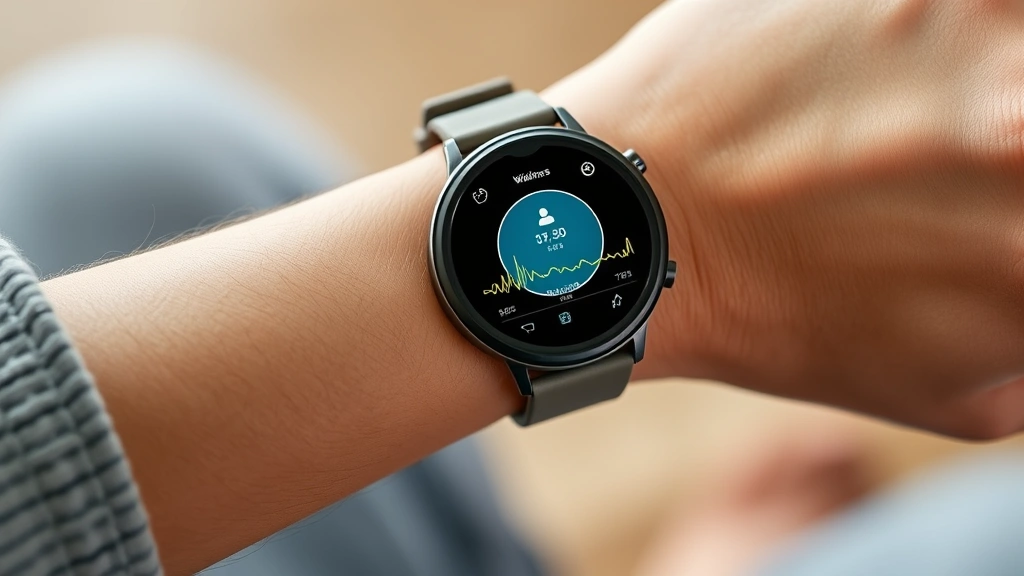
Wearable Meditation Devices have emerged as a premium market segment, with products like Muse headbands, Oura rings with meditation tracking, and smartwatches with meditation functionality gaining mainstream adoption. These devices provide real-time biofeedback, enabling practitioners to optimize their meditation techniques through objective data on brainwave activity, heart rate variability, and breathing patterns. The wearable meditation device segment generated $340 million in 2023 and is projected to reach $720 million by 2026.
Artificial Intelligence and Personalization enable meditation apps to deliver customized experiences based on individual preferences, practice history, and stated goals. AI-powered meditation platforms analyze user engagement patterns and recommend session length, meditation style, and timing to maximize consistency and outcomes. This personalization capability drives higher retention rates (35-40% monthly retention versus 15-20% for non-personalized apps) and supports premium pricing strategies.
Augmented Reality (AR) and Virtual Reality (VR) meditation experiences represent emerging innovation frontiers. VR meditation apps transport users to serene natural environments, enhancing immersion and sensory engagement. While still nascent (representing less than 3% of the digital meditation market), VR meditation experiences are attracting significant venture capital investment and consumer interest, particularly among tech-forward demographics.
Smart Home Integration allows meditation products to interface with broader home ecosystem devices. Smart speakers with meditation functionality, lighting systems that adjust for meditation practice, and white noise machines synchronized with meditation apps create holistic wellness environments. This ecosystem approach increases switching costs and customer lifetime value while enabling cross-product marketing opportunities.
The technological trend also extends to market analysis and business intelligence platforms that help retailers and brands track market trends, consumer sentiment, and competitive positioning in real-time.
Distribution Channels and Retail Strategies
The meditation products market utilizes diverse distribution channels, with the 2023 landscape showing significant shifts toward direct-to-consumer (DTC) models and omnichannel retail strategies.
E-commerce and Direct-to-Consumer Channels dominate meditation product sales, representing 58% of total market revenue. Major platforms including Amazon, dedicated meditation product retailers, and brand-specific websites capture the majority of digital transactions. The DTC advantage enables brands to capture full margin, gather first-party customer data, and build direct relationships with consumers. Successful DTC brands like Calm, Ten Thousand, and Muse have achieved valuation premiums and customer acquisition advantages through sophisticated digital marketing and content strategies.
Traditional Retail and Specialty Stores maintain relevance in the meditation products market, particularly for physical products. Yoga studios, wellness centers, and specialty retailers like Lululemon and REI leverage in-store experiences, expert guidance, and tactile product evaluation to drive sales. These channels represent 32% of market revenue and demonstrate particular strength in premium product categories where consumers value expert consultation and product quality assurance.
Subscription and Membership Models have transformed the digital meditation market. Rather than one-time app purchases, subscription-based meditation platforms create recurring revenue streams and predictable customer relationships. The subscription model also enables content creators to invest in higher-quality productions, celebrity teacher partnerships, and exclusive content offerings that drive consumer willingness to pay premium prices.
Corporate and B2B Channels represent an increasingly significant distribution avenue, with 42% of U.S. companies offering meditation or mindfulness programs as employee benefits. Corporate bulk purchases, enterprise app licenses, and workplace retreat packages generate substantial revenue while creating brand awareness and consumer trial among employed populations. Organizations like Headspace for Work have built entire divisions around corporate wellness.
Competitive Landscape and Major Players
The meditation products market exhibits a fragmented competitive structure with dominant digital platforms, emerging hardware innovators, and traditional wellness brands all competing for market share and consumer attention.
Digital Meditation Platforms lead market competition by user base and revenue generation. Calm (valued at $2 billion pre-Series C) and Headspace (acquired by Spotify for $132 million) represent the category leaders, with combined user bases exceeding 100 million. These platforms compete on content breadth, teacher celebrity status, specialized programming (sleep, anxiety, productivity), and technology features. Insight Timer, the largest free meditation app with 15 million active users, competes on accessibility and community features rather than premium content.
Wearable and Hardware Manufacturers including Muse, Oura, and emerging startups compete on biometric accuracy, user experience design, and data insights quality. These competitors emphasize scientific validation and research partnerships to justify premium pricing ($300-500+ per device) and differentiate from lower-cost wearables with meditation features.
Traditional Wellness Brands like Lululemon, Gaiam, and REI leverage existing retail distribution and brand loyalty to compete in physical meditation products. These established brands benefit from retail shelf space, customer traffic, and brand trust while facing challenges from direct-to-consumer-native brands offering innovative designs and lower price points.
Emerging Niche Competitors target specific meditation market segments including workplace meditation (Tripp), children’s meditation (Headspace Kids, Calm Kids), and spiritual/religious meditation traditions. These specialized competitors often achieve higher customer satisfaction and retention by deeply addressing specific use cases and communities.
Regional Market Analysis
North America represents the largest meditation products market by revenue, driven by high consumer awareness, disposable income, and established yoga and wellness infrastructure. The U.S. market alone represents $1.6 billion in annual meditation product sales. California, New York, and Colorado emerge as regional hotspots with highest per-capita meditation product spending.
Europe demonstrates strong meditation market growth, particularly in Northern Europe (Scandinavia, Germany, UK) where wellness culture and preventative health emphasis drive adoption. European consumers demonstrate preference for premium, sustainably-sourced physical products and show higher adoption of meditation practices in corporate wellness programs.
Asia-Pacific represents the highest-growth region, with particular expansion in India, Australia, and Southeast Asia. India, despite lower per-capita spending, represents enormous market potential given large population size and meditation’s cultural and spiritual significance. Australia demonstrates meditation product adoption patterns similar to developed Western markets with growing digital meditation app penetration.
Emerging Markets in Latin America, Middle East, and Africa show nascent but accelerating meditation product demand, particularly for digital and mobile-first solutions that bypass physical retail infrastructure limitations.
Challenges and Market Barriers
Despite robust growth, the meditation products market confronts several significant challenges that may constrain expansion or create competitive disruption.
Market Saturation in Digital Meditation Apps has intensified competition and increased customer acquisition costs. With over 1,000 meditation apps available across major app stores, differentiation has become increasingly difficult. Many users maintain subscriptions to multiple meditation platforms, fragmenting spending and increasing churn risk. Average meditation app churn rates exceed 60% annually, requiring constant content innovation and marketing investment.
Skepticism and Efficacy Concerns persist despite growing scientific validation of meditation benefits. Some consumers remain unconvinced of tangible benefits, particularly when results require sustained practice commitment over weeks or months. Marketing claims regarding meditation benefits face increasing regulatory scrutiny, particularly regarding mental health treatment claims.
Price Sensitivity and Freemium Competition create pressure on meditation product pricing, particularly in digital markets. Free meditation apps and limited-feature versions cannibalize premium subscription demand while establishing user expectations for low-cost or free access. Monetizing free user bases remains challenging without degrading user experience.
Product Quality and Teacher Credential Verification issues undermine consumer confidence in some market segments. With meditation teacher certification standards varying significantly across jurisdictions and organizations, consumers face difficulty assessing instructor qualifications and meditation content quality.
Check Statista Market Insights for detailed regional breakdowns and competitive positioning data to inform strategic planning.

Future Outlook and Strategic Recommendations
The meditation products market trajectory through 2028 points toward sustained growth, technological innovation, and market consolidation. Strategic stakeholders should consider several critical recommendations:
Product Development Priorities should emphasize specificity and outcome-orientation. Rather than generic meditation products, successful 2024-2025 launches will target specific use cases (sleep, workplace focus, anxiety, grief processing) with evidence-based approaches and measurable outcome tracking. Hybrid products combining physical and digital elements (smart meditation cushions with app integration) represent emerging innovation opportunities.
Marketing and Customer Acquisition Strategies must evolve beyond generic wellness messaging. Successful brands will leverage outcome-specific messaging, influencer partnerships with meditation teachers and wellness experts, and community-building initiatives that create network effects and peer-driven adoption. Educational content marketing that positions brands as meditation authorities rather than mere product vendors drives higher-quality customer acquisition.
Distribution Channel Optimization requires omnichannel approaches balancing DTC economics with retail reach and corporate channel penetration. Brands should invest in corporate wellness partnerships, retail relationships, and subscription models simultaneously rather than pursuing exclusive channel strategies.
Technology and Data Strategy should prioritize personalization, biometric integration, and outcome measurement. Brands collecting user data on meditation practice, outcomes, and preferences can deliver increasingly sophisticated personalization while building defensible competitive advantages through proprietary data assets.
For businesses seeking to develop comprehensive go-to-market strategies in the meditation products space, consider leveraging resources on markets near me for local competitive analysis and stock market performance of publicly-traded wellness companies to inform investment and partnership decisions.
FAQ
What is the current size of the global meditation products market?
The global meditation products market was valued at approximately $4.2 billion in 2022 and is projected to reach $8.5 billion by 2030, representing a 9.4% compound annual growth rate. This valuation encompasses digital apps, physical products, wearables, and educational content across all regions.
Which product categories are growing fastest in the meditation market?
Digital meditation apps and wearable meditation devices represent the fastest-growing segments, expanding at 14.8% and 18.3% annually respectively. Within physical products, ergonomic meditation cushions and smart home-integrated wellness devices show the strongest growth momentum.
What demographics drive the majority of meditation product purchases?
Millennials and Gen Z collectively represent 54% of meditation product purchases, with millennials demonstrating higher average spending per transaction. The market is increasingly balanced by gender (58% female, 42% male in 2023) and spans income levels from $35,000+ annually.
How do digital meditation apps generate revenue in 2023?
Subscription-based models dominate digital meditation revenue, with apps charging $9.99-$14.99 monthly for premium access. Freemium models with limited free content and premium upgrades represent the standard approach. Some platforms also generate revenue through corporate licensing and enterprise wellness programs.
What are the primary barriers to meditation product market growth?
Key barriers include digital market saturation with over 1,000 meditation apps, high customer churn rates (60%+ annually), consumer skepticism regarding meditation efficacy, and price sensitivity in digital markets. Regulatory scrutiny of health claims and teacher credential verification standards also create challenges.
Which regions show the highest meditation product market growth potential?
Asia-Pacific demonstrates the highest growth potential with 11.2% projected CAGR through 2028, driven by rising disposable incomes and digital penetration. India represents enormous untapped potential given population size and cultural meditation traditions. Within developed markets, Northern Europe shows strong adoption momentum.