Exploring La Jolla Open Aire Market: Insider Tips for Vendors and Shoppers
The La Jolla Open Aire Market stands as one of Southern California’s premier outdoor marketplaces, attracting thousands of visitors weekly who seek artisanal products, fresh goods, and authentic community experiences. Located in the upscale coastal community of La Jolla, this vibrant market represents a unique intersection of retail commerce, local entrepreneurship, and consumer culture that continues to evolve in 2025. Whether you’re a vendor looking to establish a presence or a savvy shopper seeking quality merchandise, understanding the nuances of this marketplace can significantly enhance your experience and bottom line.
This comprehensive guide explores the strategic opportunities, operational insights, and consumer behavior patterns that define the La Jolla Open Aire Market. We’ll examine vendor selection strategies, peak shopping times, product categories that drive sales, and proven tactics for maximizing visibility in this competitive retail environment. By the end, you’ll possess actionable intelligence to navigate this marketplace effectively, whether you’re buying, selling, or simply looking to understand one of San Diego County’s most dynamic commercial spaces.
Market Overview and Location
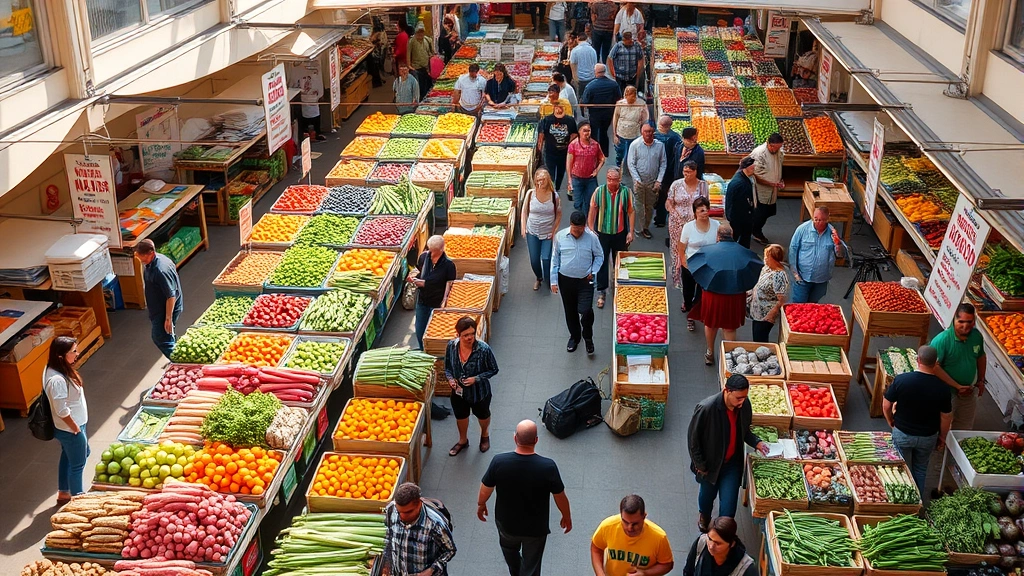
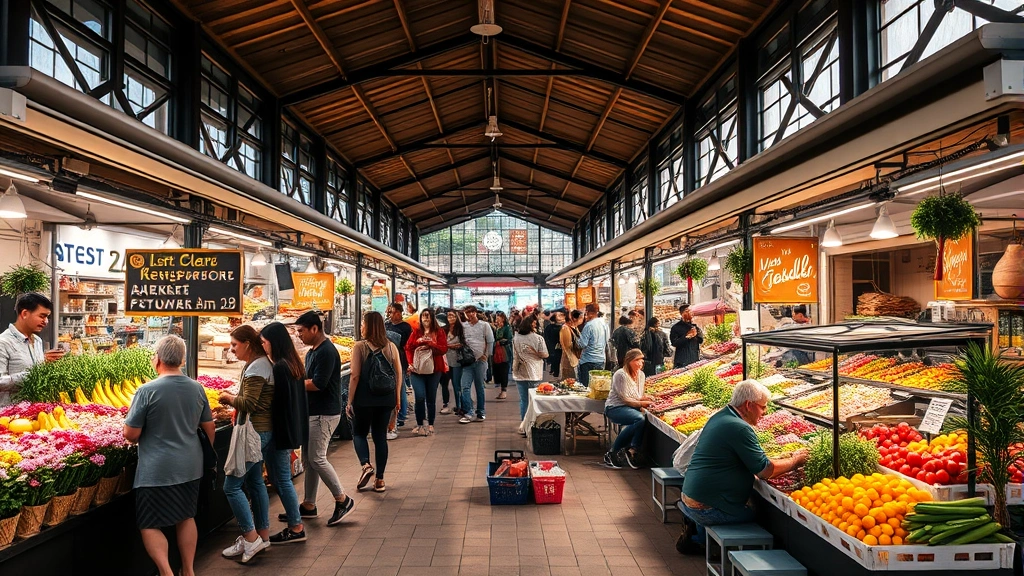
The La Jolla Open Aire Market operates as a sophisticated outdoor retail venue that caters to affluent consumers and tourists exploring San Diego’s most exclusive neighborhoods. Positioned in the heart of La Jolla, the market benefits from foot traffic generated by the area’s upscale retail district, beaches, and dining establishments. The marketplace typically features 50-100 vendor booths depending on the season, with offerings ranging from artisanal crafts and vintage goods to organic produce and prepared foods.
Understanding the market’s geography is crucial for both vendors and shoppers. The venue’s layout follows a grid pattern that encourages circular foot traffic, meaning vendors in corner and high-visibility positions typically experience 15-25% higher transaction volumes than those in mid-row locations. The market’s proximity to premium retailers and restaurants creates a consumer base with higher average spending power compared to typical farmers markets or street fairs. According to retail industry analysis from the Specialty Food Association, upscale outdoor markets like La Jolla’s command premium pricing and attract consumers spending $25-75 per visit on average.
The market’s operating schedule typically runs year-round with extended hours during peak tourist seasons (June-September). Weather patterns in La Jolla—generally mild and predictable—create consistent attendance throughout the year, unlike inland markets that experience seasonal fluctuations. This stability makes the venue attractive for vendors seeking reliable income streams and shoppers expecting consistent product availability.
Vendor Opportunities and Requirements
Securing a vendor spot at the La Jolla Open Aire Market requires understanding the application process, fee structure, and operational standards. Most outdoor markets in Southern California implement a tiered fee system based on booth size, location premium, and duration of commitment. Standard 10×10 booths typically range from $150-350 per market day, with discounts available for weekly or monthly commitments.
Vendors must meet specific requirements including proper licensing, food safety certifications (if applicable), insurance coverage, and compliance with local San Diego regulations. The application process generally involves submitting product photos, business licenses, and references. Competition for premium locations remains fierce, with wait lists extending 6-12 months for high-traffic corner positions. New vendors should expect to start in secondary locations and earn premium spots through consistent performance and positive customer feedback.
Successful vendors at La Jolla markets typically share several characteristics: professional booth presentation, unique product differentiation, consistent weekly attendance, and active engagement with customers. effective marketing strategy for small businesses applies directly to market vendors, with social media presence and email lists driving repeat customer acquisition. Vendors who leverage digital marketing trends in 2025 report 20-30% increases in customer recognition and repeat purchases compared to those relying solely on in-person visibility.
The vendor community itself functions as a valuable resource. Established vendors often share insights about customer preferences, optimal pricing strategies, and seasonal product adjustments. Building relationships with neighboring vendors creates cross-promotional opportunities and enhances the overall market experience for shoppers.
Smart Shopping Strategies
Maximizing your shopping experience at La Jolla Open Aire Market requires strategic planning and knowledge of vendor patterns. Arrive early—typically within the first hour of market opening—to access the widest product selection and engage vendors before booth displays become depleted. Early shoppers enjoy first pick of perishable items, limited-edition artisan goods, and specialty products that vendors produce in small batches.
Bring cash and arrive with a list, but maintain flexibility. While most vendors accept digital payments, cash transactions often enable informal negotiations on multi-item purchases or bulk orders. The most successful shoppers work from a prioritized list but allocate 20-30% of their budget to spontaneous discoveries, which frequently yield the highest-value finds.
Building relationships with favorite vendors pays dividends. Regular customers often receive advance notice of new products, special orders, and exclusive items not displayed publicly. Vendors appreciate consistent patronage and frequently offer loyal customers preferential pricing or first access to limited inventory. This relationship-building approach transforms casual shopping into a personalized retail experience that justifies premium pricing.
Understanding seasonal product availability enhances shopping efficiency. Spring markets feature fresh produce, plants, and garden-related items. Summer emphasizes prepared foods, beverages, and ready-to-eat options for beach-goers. Fall brings harvest-themed products and preserved goods, while winter features holiday items, baked goods, and artisan gifts. Shoppers who align purchases with seasonal availability access fresher products at better prices.
Best-Performing Product Categories
Data from successful outdoor markets indicates specific product categories consistently outperform others. Organic and specialty produce ranks at the top, with customers willing to pay 30-50% premiums for verified organic, locally-grown vegetables and fruits. Artisanal baked goods, including breads, pastries, and specialty cakes, generate high-margin sales and create repeat customer loyalty through consistent quality and unique flavors.
Prepared foods and beverages represent another dominant category, with coffee vendors, smoothie bars, and ready-to-eat meals capturing significant market share. These products serve immediate consumption needs and enable shoppers to remain at the market longer, increasing overall spending. Specialty beverage vendors report average transaction values 40% higher than produce vendors, driven by higher margins and multiple purchases per customer.
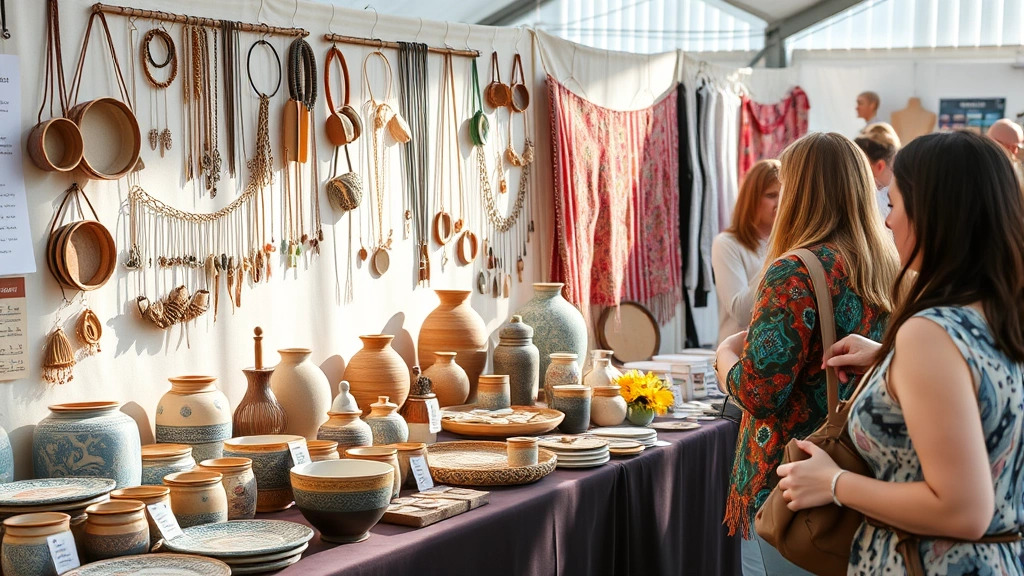
Artisan goods including jewelry, pottery, textiles, and handcrafted items appeal to La Jolla’s affluent demographic seeking unique, non-mass-produced merchandise. These products command premium pricing and face less price-sensitive competition than commodity items. Successful artisan vendors emphasize limited-edition production, artist stories, and quality craftsmanship in their positioning.
Wellness and natural products—including supplements, skincare, honey, and herbal preparations—resonate strongly with La Jolla’s health-conscious consumer base. Vendors in this category report strong margins and customer loyalty, with many shoppers establishing recurring purchases for favorite products. The key differentiator lies in product authenticity and transparent sourcing claims.
Vintage and curated goods attract a dedicated customer segment seeking unique home décor, clothing, and collectibles. Successful vintage vendors curate selections carefully, focusing on quality over quantity and emphasizing rarity and historical significance. This category demonstrates lower transaction frequency but significantly higher average transaction values compared to produce vendors.
Peak Shopping Times and Seasonal Trends
Market attendance patterns follow predictable cycles influenced by weather, tourism, holidays, and local events. Saturday mornings (9-11 AM) represent peak shopping times, with foot traffic typically 3-4 times higher than weekday afternoons. Sunday mornings attract slightly lower volumes but higher-quality shoppers with specific purchase intentions rather than casual browsing.
Seasonal variations significantly impact vendor revenue and product availability. Summer months (June-August) see tourist-driven attendance surges, with out-of-state visitors seeking unique souvenirs and local products. This period favors vendors with distinctive, gift-worthy items and prepared foods. Conversely, local shoppers dominate during fall and winter months, seeking staple produce and prepared goods rather than novelty items.
Holiday seasons—particularly Thanksgiving, Christmas, and New Year—drive exceptional sales in prepared foods, artisan gifts, and specialty items. Vendors who plan inventory for these periods can achieve 50-100% revenue increases compared to regular weeks. Smart vendors begin preparation 6-8 weeks in advance, securing supplies and planning limited-edition products that capitalize on seasonal shopping behavior.
Weather patterns directly influence attendance. Clear, mild days see 20-40% higher foot traffic compared to overcast or cool conditions. Vendors who operate year-round should anticipate revenue fluctuations based on weather forecasts and adjust staffing and inventory accordingly. The most successful vendors maintain weather-adaptive strategies, such as offering warming beverages during cool months or cold drinks during summer heat.
Marketing Your Vendor Presence
Effective vendor marketing at La Jolla Open Aire Market extends beyond in-booth displays to encompass digital presence, customer relationship management, and community engagement. Developing a comprehensive marketing plan specifically tailored to outdoor market environments yields measurable results in customer acquisition and retention.
Social media presence has become essential for vendor success. Instagram and TikTok enable vendors to showcase products, highlight new arrivals, and build anticipatory excitement about weekly market appearances. Vendors who post 3-4 times weekly during market season report 25-35% increases in customer recognition and repeat visits. User-generated content—photos of customers enjoying products—provides authentic marketing that outperforms traditional promotional content.
Email marketing to existing customers drives significant repeat business. Vendors who maintain email lists of 500+ engaged subscribers can generate $2,000-5,000 in incremental monthly revenue through advance product announcements, exclusive offers, and seasonal promotions. Collecting emails at the booth requires clear value propositions—such as 10% discounts or early access to limited items—that incentivize customer participation.
Local partnerships amplify vendor visibility. Collaborating with nearby restaurants, hotels, and retailers to cross-promote creates awareness among complementary customer bases. Hotels frequently recommend local market vendors to guests, generating tourist traffic that vendors might otherwise miss. Strategic partnerships can increase weekly customer volumes by 15-25% with minimal marketing investment.
Professional booth presentation directly impacts sales. Vendors should invest in high-quality displays, clear signage, and organized product arrangement that facilitates browsing and purchase decisions. Studies of retail environments indicate that organized, aesthetically-pleasing displays increase transaction values by 20-30% compared to cluttered or poorly-organized spaces. Consistent branding across signage, packaging, and social media reinforces vendor identity and builds customer recognition.
Engaging directly with customers—through product sampling, demonstrations, and friendly conversation—creates memorable experiences that drive repeat visits. Vendors who spend 30-40% of their time actively engaging customers report significantly higher sales compared to those maintaining passive booth presence. This engagement transforms transactional relationships into community connections that inspire customer loyalty.
Community involvement beyond the market itself builds vendor credibility and expands customer networks. Participation in local charity events, sponsorship of community initiatives, and collaboration with local organizations creates positive brand associations and generates word-of-mouth marketing. Vendors recognized as community contributors develop stronger customer relationships and enjoy higher lifetime customer value.
FAQ
What are the typical operating hours for La Jolla Open Aire Market?
Most open aire markets in La Jolla operate Saturday and Sunday mornings from 9 AM to 1 or 2 PM year-round, with extended hours during summer months. Some markets add weekday evening sessions during peak tourist seasons. Specific hours vary by venue, so checking the market’s official website or social media pages ensures accurate scheduling information.
Can I bring my dog to La Jolla Open Aire Market?
Most outdoor markets welcome leashed dogs in compliance with local health codes. La Jolla’s pet-friendly culture means many shoppers bring their dogs, creating a social atmosphere. However, service animals have special access provisions, and vendors selling food must maintain appropriate distance from pets. Always verify specific pet policies with the market management before attending with animals.
What payment methods do vendors accept?
While cash remains popular, virtually all established vendors at La Jolla markets now accept digital payments through Square, PayPal, and similar platforms. Mobile payment systems have become standard, reducing friction in transactions and enabling larger average purchase values. Many vendors offer small discounts for cash purchases to offset payment processing fees.
How do I become a vendor at La Jolla Open Aire Market?
The vendor application process typically involves submitting business documentation, product photos, and references to the market management. Fees vary based on booth size and location, ranging from $150-350 per market day. New vendors should expect 2-4 week processing times and potential wait-listing for premium locations. Contacting the market directly provides specific requirements and application procedures.
What is the best time to visit for specific products?
Peak produce availability occurs 9-10 AM on Saturday mornings. Prepared foods and beverages are consistently available throughout operating hours. Artisan goods and specialty items experience higher availability earlier in the day as selection is widest. Visiting within the first two hours of market opening ensures maximum product selection across all categories.
Are there parking facilities nearby?
La Jolla’s market location provides multiple parking options including nearby retail lots, street parking, and dedicated market parking areas. Saturday mornings typically see higher parking demand, so arriving 15-20 minutes before peak shopping times improves parking availability. Alternative transportation including ride-sharing and walking from nearby neighborhoods provides additional options during peak periods.