
New Market TN: Local Business Insights & Growth Opportunities
New Market, Tennessee represents an emerging economic zone with significant potential for small business growth and retail expansion. Located in Jefferson County in East Tennessee, this community offers unique advantages for entrepreneurs seeking to establish operations in a developing market with lower overhead costs and a growing customer base. Understanding the local business landscape is essential for anyone considering investing in or relocating to this region.
The New Market area has experienced steady demographic growth over the past decade, attracting families and young professionals seeking affordable living in proximity to Knoxville’s economic opportunities. This expansion has created demand for local services, retail operations, and specialized businesses that cater to the community’s evolving needs. Business owners in this market benefit from reasonable commercial real estate prices, supportive local government initiatives, and access to the broader East Tennessee economy.

Market Demographics and Population Trends
New Market’s population has grown approximately 15-20% over the last five years, outpacing many other rural Tennessee communities. The median household income in the area ranges from $45,000 to $55,000, with a significant portion of the population between ages 25-45, representing prime consumer spending demographics. Understanding these marketing strategies for small businesses in similar markets provides valuable insights for New Market entrepreneurs.
The community attracts families relocating from more expensive metropolitan areas, seeking quality of life improvements and affordable housing. This demographic shift has created demand for family-oriented services, educational resources, and consumer goods. Young professionals working in Knoxville represent another key market segment, commuting 20-30 minutes to jobs while maintaining residence in the more affordable New Market area.
Population projections suggest continued growth through 2030, with anticipated increases of 8-12% over the next five years. This trajectory indicates expanding market opportunities for businesses positioned to serve growing consumer needs. Migration patterns show attraction from out-of-state residents, particularly from the Northeast and Midwest, bringing diverse consumer preferences and spending habits to the region.
Retail and Commercial Landscape
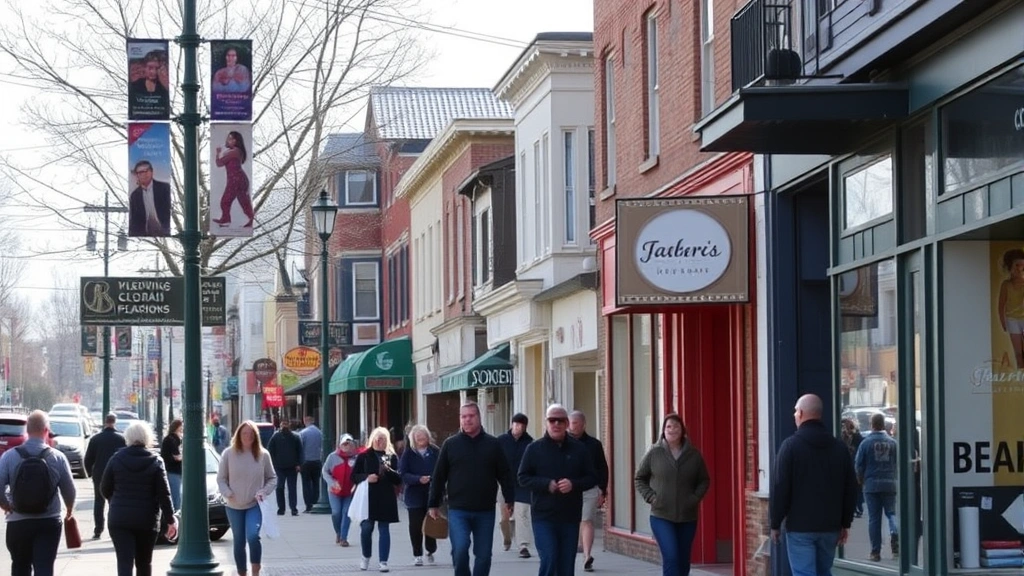
The retail environment in New Market remains relatively underdeveloped compared to Knoxville and Sevier County markets, creating significant opportunities for strategic business placement. Current commercial offerings include essential services, convenience stores, and small family-owned operations. This gap in retail services presents entrepreneurs with chances to establish businesses serving unmet community needs.
Major retail corridors are developing along primary routes connecting New Market to Interstate 75 and the Knoxville metro area. Commercial real estate availability includes both newly constructed spaces and renovation-ready properties, offering flexibility for various business models. Comparing this to established markets like the farmers market in Orlando, New Market offers less competition but growing demand.
The absence of large-scale national retailers creates opportunities for local and regional businesses to capture market share without intense competition from big-box stores. Specialty retailers, service providers, and niche merchants can establish strong positions before major chains recognize the market’s potential. This first-mover advantage benefits businesses entering the market during this growth phase.
Small Business Opportunities
Several business categories show particular promise in the New Market economy. Professional services including accounting, legal consultation, and business coaching are underserved relative to population size. Healthcare-related businesses, from dental practices to physical therapy clinics, face growing demand from the aging population and young families.
Retail opportunities span from specialty food stores to home improvement retailers. The Market Rise Hub Blog regularly features analyses of successful retail concepts in emerging markets. Service-based businesses including HVAC contractors, plumbing services, landscaping, and home maintenance see consistent demand from the residential expansion occurring throughout the area.
Hospitality and food service remain underdeveloped, with limited dining options beyond fast-casual chains. Restaurants, cafes, and specialty food establishments could capture significant market share. Technology-enabled services, from digital marketing agencies to IT support firms, serve the growing number of remote workers and small businesses establishing operations in New Market.
Educational services including tutoring centers, coding schools, and vocational training programs align with community priorities. Childcare facilities and after-school programs remain in short supply despite population growth. Real estate services, property management, and home inspection businesses benefit from the active residential market.
Local Economic Development Initiatives
Jefferson County and the New Market community actively promote business development through several initiatives. The County Chamber of Commerce provides networking opportunities, business resources, and advocacy for commercial interests. Local government offers business licensing support and zoning information facilitating commercial establishment.
Tennessee state incentives for business expansion include job creation tax credits, industrial development bonds, and franchise tax exemptions for qualifying businesses. These programs reduce startup costs and improve profitability for eligible operations. Understanding digital marketing trends for 2025 helps new businesses effectively reach the New Market audience from launch.
Infrastructure improvements planned for the region include road expansion, utility upgrades, and broadband enhancement initiatives. These developments reduce operational costs and improve accessibility for businesses and customers. Community development corporations work to attract investment and support entrepreneurship through grants and technical assistance programs.
Local schools partner with businesses to develop workforce training programs, creating talent pipelines for employers. These educational partnerships address skill gaps and build long-term community economic stability. Business improvement districts in developing commercial areas coordinate marketing and infrastructure enhancement.
Consumer Behavior and Spending Patterns
New Market consumers demonstrate purchasing patterns influenced by income levels, family composition, and geographic isolation from major retail centers. Grocery and essential goods represent significant spending categories, with consumers willing to travel for specialized products unavailable locally. Online shopping penetration is high, reflecting limited local retail options and internet connectivity improvements.
Family-oriented spending on education, childcare, and youth activities shows strong growth as the population skews younger. Home improvement and maintenance spending increases with residential development and aging housing stock. Entertainment and dining spending remains price-sensitive, with consumers favoring value-oriented establishments and special promotions.
Seasonal spending patterns emerge from outdoor activities and tourism-related purchases, as New Market’s proximity to Smoky Mountains and Gatlinburg attracts visitors. Agricultural and gardening products see strong seasonal demand. Holiday shopping shows significant local engagement, with community events driving foot traffic to retail areas.
Consumer research indicates strong preference for locally-owned businesses and community-focused merchants. Brand loyalty develops quickly in smaller communities, benefiting established businesses but creating challenges for newcomers. Word-of-mouth marketing and social media recommendations significantly influence purchasing decisions among New Market consumers.
Real Estate and Commercial Space
Commercial real estate in New Market offers significant value compared to Knoxville and surrounding counties. Average commercial lease rates range from $8-14 per square foot annually, substantially below metropolitan markets. Available properties include newly constructed retail spaces, converted residential buildings, and raw land suitable for development.
Prime commercial locations cluster along main thoroughfares and near the Interstate 75 interchange, providing visibility and accessibility. Secondary locations offer lower costs for service-based businesses and operations not requiring high foot traffic. Build-to-suit opportunities allow entrepreneurs to customize spaces for specific business requirements.
Zoning regulations support mixed-use development, allowing commercial and residential integration. This flexibility enables innovative business models combining retail, office, and residential components. Future commercial corridor development is planned along primary transportation routes, suggesting excellent long-term location opportunities.
Property values show appreciation trends, benefiting business owners with equity stakes in their facilities. Commercial mortgage availability has improved as lenders recognize market stability and growth potential. Owner-financed properties provide alternative financing for qualified buyers, reducing reliance on traditional lending institutions.
Competitive Analysis
Direct competition from established businesses remains limited in most retail categories, providing advantages for new market entrants. Nearby Sevier County markets (Seymour, Gatlinburg) offer stronger competition for tourism-related businesses. Knoxville’s retail dominance influences some consumer behavior, with residents traveling for specialized purchases unavailable locally.
E-commerce represents the primary competitive threat across most retail categories, as consumers access national product selection and pricing online. Successful New Market businesses differentiate through service quality, local convenience, and community engagement. Understanding broader market basket analysis like that from Nashua markets helps identify competitive positioning strategies.
Competitors in adjacent markets utilize pricing and selection advantages to capture New Market consumers. Building customer loyalty through superior service and community involvement offsets these competitive pressures. Collaborative business associations can coordinate marketing and community events to attract and retain customers collectively.
Market maturation will eventually bring increased competition as successful business models attract replication and national chains recognize growth opportunities. First-mover advantages diminish over time, making early establishment critical for businesses seeking dominant market positions. Continuous innovation and adaptation maintain competitiveness as the market develops.
Niche market dominance provides sustainable competitive advantages as larger competitors focus on mass-market segments. Specialized expertise, unique product offerings, and personalized service create defensible competitive positions. Community relationships and reputation become increasingly valuable as markets mature and consumer choice expands.
FAQ
What is the population of New Market, Tennessee?
New Market’s population is approximately 1,200-1,500 residents, with the broader New Market area including surrounding developments reaching 3,000-4,000 people. Population growth of 15-20% over five years indicates rapid expansion and increasing market opportunities.
What types of businesses are most successful in New Market?
Service-based businesses, professional services, healthcare providers, and specialty retailers show the strongest success rates. Family-oriented services, home improvement contractors, and food service establishments benefit from growing population demand. Businesses providing unmet community needs achieve the highest profitability and customer loyalty.
How does New Market’s cost of doing business compare to Knoxville?
Commercial real estate costs are 30-40% lower in New Market compared to Knoxville. Labor costs remain similar, but reduced facility expenses significantly improve business profitability. Overall operating costs position New Market as an attractive location for business expansion and startup operations.
What financing options are available for New Market business startups?
SBA loans, conventional bank financing, and state economic development programs support business establishment. Owner-financed commercial properties provide alternatives to traditional lending. Local economic development corporations offer grants and technical assistance for qualifying businesses.
How accessible is New Market to larger markets?
Interstate 75 access provides efficient connectivity to Knoxville (30 minutes), Gatlinburg (45 minutes), and Chattanooga (90 minutes). This geographic positioning enables businesses to serve local markets while accessing broader regional opportunities. Good transportation infrastructure supports both B2B and consumer-focused business models.
What is the business licensing process in Jefferson County?
County business licensing requires application submission, proof of property ownership or lease, and applicable permit fees. Processing typically takes 5-10 business days. The understanding market fundamentals helps business owners navigate regulatory requirements effectively.
Are there networking opportunities for New Market business owners?
The Jefferson County Chamber of Commerce provides regular networking events, business workshops, and advocacy services. Community development organizations facilitate connections between business owners and resources. Online platforms and social media groups enable peer support and information sharing among local entrepreneurs.


