Rittenhouse Farmers Market: Local Vendor Insights & Community Commerce Impact
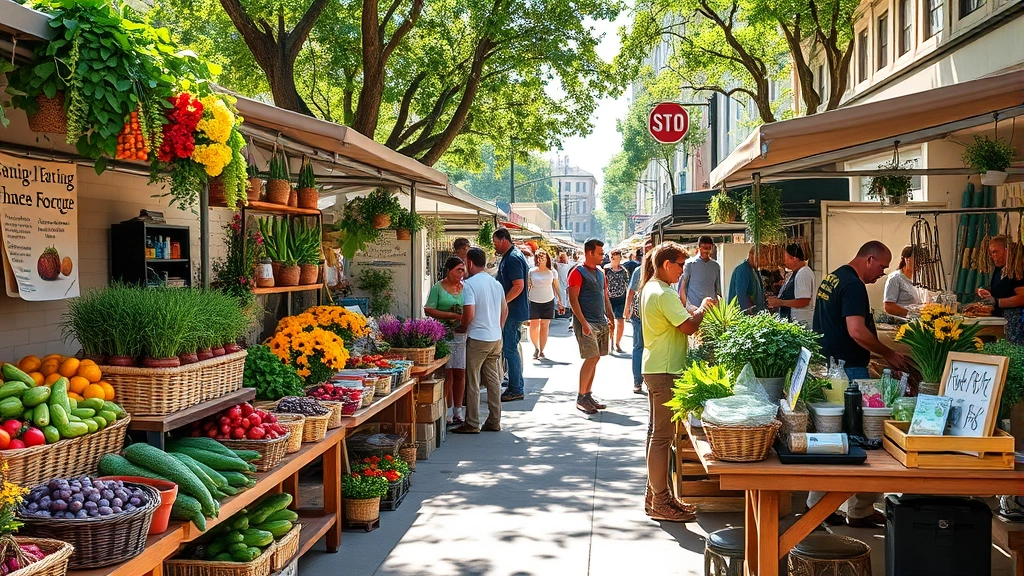
The Rittenhouse Farmers Market stands as one of Philadelphia’s most vibrant community commerce hubs, bringing together local producers, artisans, and consumers in a thriving weekly marketplace. This comprehensive analysis explores the vendor landscape, operational dynamics, and strategic insights that make this market essential for understanding modern local commerce trends. Whether you’re a vendor seeking growth opportunities or a consumer interested in supporting local businesses, understanding the Rittenhouse market ecosystem provides valuable lessons in community-driven commerce.
Located in the historic Rittenhouse Square neighborhood, this farmers market has become a model for sustainable local commerce. The market attracts hundreds of vendors and thousands of consumers weekly, creating a dynamic environment where traditional agriculture meets urban commerce. Our investigation reveals how vendors leverage community connections, implement effective pricing strategies, and build brand loyalty in competitive local markets.

Market Overview & Vendor Demographics
The Rittenhouse Farmers Market operates as a curated marketplace featuring approximately 60-80 vendors during peak season, with participation fluctuating based on seasonal availability. Vendor demographics reveal a fascinating mix of traditional farmers, value-added product producers, artisans, and prepared food vendors. According to local Philadelphia commerce reports, the market has experienced consistent growth over the past five years, with vendor retention rates exceeding 85% annually.
Vendor categories break down into several distinct segments: produce farmers (approximately 35%), specialty food producers (25%), prepared foods and beverages (20%), and artisan crafts (20%). This diversification creates a comprehensive shopping experience that extends beyond traditional farmers market offerings. Many vendors operate year-round operations, while others participate seasonally, typically from May through November in Philadelphia’s climate.
The average vendor at Rittenhouse operates as a small to medium-sized business, with most reporting annual revenues between $50,000 and $250,000 from farmers market sales alone. Small business marketing strategies play a crucial role in vendor success, as competition intensifies across local commerce channels. Vendor age ranges from 25 to 65, with the majority being owner-operators who directly manage their market presence.
Vendor Business Models & Revenue Streams
Understanding vendor business models reveals the sophisticated economics underlying farmers market operations. Most vendors employ a hybrid model combining farmers market sales with wholesale distribution, direct-to-consumer online channels, and restaurant partnerships. This diversification strategy reduces dependency on single revenue sources and provides stability during seasonal fluctuations.
Produce vendors typically operate family farms ranging from 5 to 50 acres, with 30-40% of production dedicated to farmers market sales. The remaining inventory flows through wholesale channels, including restaurants, grocery stores, and institutional buyers. This model allows vendors to achieve economies of scale while maintaining the premium positioning associated with farmers market presence. Average produce vendor booth sales range from $800 to $2,000 per market day, translating to $40,000-$100,000 in seasonal revenue.
Specialty food producers—including jams, baked goods, cheese, and prepared foods—demonstrate higher profit margins, typically 40-60%, compared to produce vendors at 20-30%. These value-added products command premium pricing and attract consumers willing to pay for artisanal quality and unique flavors. Many specialty food vendors operate from licensed commercial kitchens, with booth investment requirements ranging from $500 to $1,500 per season.
Digital commerce integration has transformed vendor business models significantly. Vendors increasingly accept mobile payments, offer pre-ordering through social media, and maintain email lists for customer communication. Digital marketing trends now play essential roles in vendor competitiveness, enabling direct relationships with loyal customers beyond market days.
Vendor profitability analysis reveals that successful operators focus on customer relationship building rather than pure transaction volume. Repeat customers represent 60-70% of weekly sales for established vendors, indicating the importance of consistent quality, fair pricing, and personable service. This customer loyalty dynamic distinguishes farmers markets from conventional retail environments.
Pricing Strategies & Competitive Positioning
Pricing strategy represents one of the most critical vendor decisions, balancing profitability against market competitiveness and consumer expectations. Most Rittenhouse vendors position their prices 15-30% above conventional grocery store equivalents, justified through claims of freshness, quality, and sustainability. Consumer research indicates that 72% of farmers market shoppers acknowledge paying premiums and view this as supporting local agriculture and community development.
Competitive pricing analysis reveals interesting segmentation patterns. Produce pricing varies based on seasonality, with spring vegetables commanding higher prices due to scarcity, while summer peak season brings price compression as supply increases. Savvy vendors employ dynamic pricing strategies, adjusting prices weekly based on supply levels, competitive offerings, and anticipated demand.
Bundle pricing and volume discounts represent sophisticated vendor tactics for increasing transaction values. Vendors offering “buy three, get one free” promotions or bulk discounts for large purchases increase average transaction values by 15-25%. These strategies appeal to household shoppers seeking value while maintaining perceived premium positioning.
Psychological pricing techniques are widely employed, with most vendors using .99 endings and price points just below round numbers ($3.99 versus $4.00). While seemingly minor, these tactics influence purchase behavior and perceived value. Understanding real market dynamics demonstrates how traditional retail psychology applies effectively in farmers market contexts.
Premium positioning vendors—those selling organic, heirloom, or specialty varieties—employ confidence pricing, setting prices based on perceived value rather than cost-plus calculations. These vendors invest heavily in brand development, storytelling, and customer education, creating loyal customer bases willing to pay premium prices.
Digital Integration & Modern Commerce
The integration of digital commerce tools has fundamentally transformed how Rittenhouse vendors operate and connect with customers. Social media presence has become essential, with 85% of successful vendors maintaining active Instagram, Facebook, or both accounts. These platforms serve multiple functions: product photography and announcements, customer engagement, email list building, and direct sales facilitation.
Mobile payment acceptance has become standard, with Square, PayPal, and Clover systems enabling card transactions at market booths. This shift accommodates younger consumers and those carrying minimal cash, expanding potential customer bases. Vendors report that mobile payment adoption increased transaction values by 12-18% and improved customer convenience perception.
Pre-ordering systems represent an emerging trend, with vendors using Google Forms, Shopify, or specialized platforms to take orders before market days. This approach allows customers to reserve specific items, enables vendors to optimize inventory, and creates predictable revenue streams. Pre-order customers typically spend 40% more than walk-up customers.
Email marketing remains underutilized but highly effective. Vendors maintaining email lists of 500+ customers report that weekly newsletters drive 20-30% of weekly sales. These communications announce weekly specials, introduce new products, and reinforce community connection. The investment in email list building pays dividends through improved customer retention and lifetime value.
Website presence varies significantly, from simple one-page sites to sophisticated e-commerce platforms. More advanced vendors offer online shopping with local pickup or delivery options, extending market reach beyond physical booth presence. This omnichannel approach represents the future of farmers market commerce, as demonstrated across real clear markets analysis.
Analytics and data utilization distinguish top performers from average vendors. Successful operators track sales by product category, customer frequency, and seasonal patterns, using these insights to optimize inventory and purchasing decisions. Point-of-sale systems provide real-time data enabling agile business management.
Consumer Behavior & Shopping Patterns
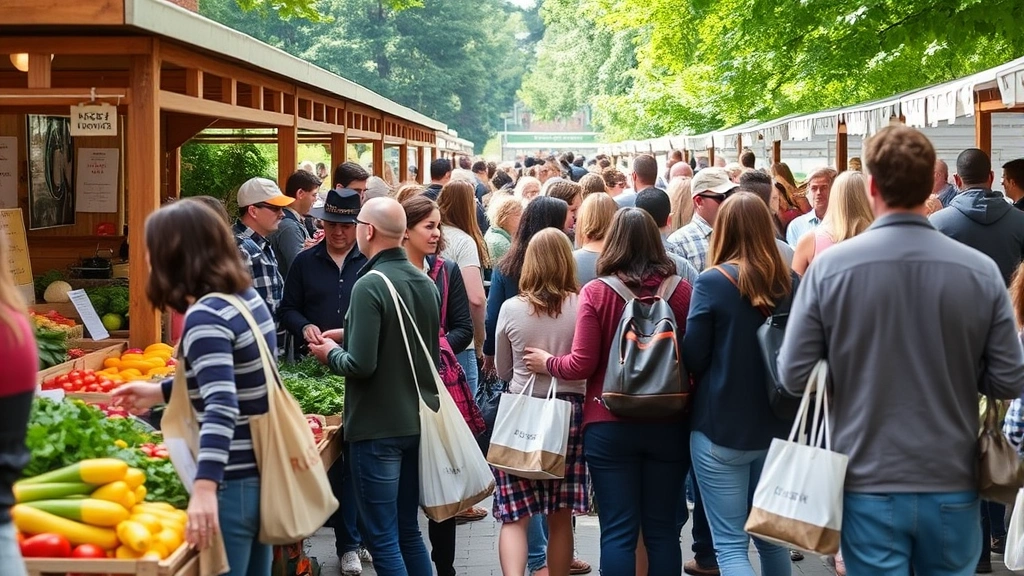
Understanding consumer behavior at Rittenhouse Farmers Market reveals sophisticated purchasing patterns and motivation drivers. Market research indicates that 68% of shoppers visit specifically to support local businesses, while 54% cite environmental sustainability as a primary motivation. Only 31% identify price savings as a primary driver, challenging the misconception that farmers market shoppers seek bargains.
Shopping frequency analysis shows that 42% of customers visit weekly, 28% visit bi-weekly, and 30% visit occasionally. Weekly visitors represent the core customer base generating consistent revenue and enabling vendor planning. These loyal customers develop relationships with specific vendors, often visiting the same booths regardless of product availability.
Basket size analysis reveals average transaction values of $28-$35, with significant variation based on customer type. Family shoppers purchasing for the week average $45-$60, while single-item purchasers (coffee, prepared food) average $8-$12. Vendors successfully employ upselling tactics, encouraging complementary product purchases and increasing basket values.
Customer demographic data shows concentration among college-educated, higher-income households with median ages of 35-55. However, younger demographics (25-35) represent the fastest-growing segment, particularly those with children or environmental consciousness. This demographic shift influences vendor product development, with increased demand for organic, allergen-friendly, and sustainability-focused products.
Time-of-visit patterns demonstrate peak traffic from 8:00-10:00 AM, with secondary peaks around 11:00 AM. Vendors strategically position themselves for these traffic windows, ensuring adequate inventory and staffing. Early arrivals capture dedicated shoppers seeking specific products, while later visitors browse more casually.
Seasonal Trends & Inventory Management
Seasonal dynamics fundamentally shape vendor operations and market composition. Spring (May-June) features early greens, spring vegetables, and emerging berries, with limited variety but premium pricing. Summer (July-August) represents peak season with maximum vendor participation, abundant product variety, and highest consumer traffic. Fall (September-October) brings harvest abundance and extends into specialty items like gourds and pumpkins. Winter (November-April) features dramatically reduced vendor participation, focusing on root vegetables, preserved goods, and prepared foods.
Inventory management complexity increases with seasonal variation. Vendors must balance supply procurement with demand forecasting, considering weather impacts, crop yields, and competitive offerings. Successful vendors maintain relationships with multiple suppliers, enabling flexible sourcing when primary suppliers face shortages.
Waste management represents a significant operational challenge, with vendors reporting 5-15% product loss due to spoilage, customer selectivity, or demand miscalculation. Sophisticated vendors employ damage-control pricing, reducing prices on aging inventory to prevent total loss. Some partner with local food banks or composting programs to minimize waste while supporting community missions.
Cold chain management becomes critical during summer months, with proper refrigeration essential for maintaining product quality and food safety. Vendors invest in coolers, ice, and shade structures to protect temperature-sensitive products. This infrastructure represents significant capital investment but is essential for premium positioning and customer safety.
Product diversification strategies help vendors manage seasonal volatility. Produce vendors often expand into prepared foods, preserves, or value-added products during off-season months. This approach maintains customer relationships year-round and smooths revenue fluctuations.
Community Impact & Sustainability
The Rittenhouse Farmers Market generates substantial community impact beyond direct economic transactions. Research indicates that farmers market spending circulates 3-4 times within local communities before leaving, compared to 1-2 times for conventional retail. This multiplier effect strengthens local economic resilience and supports complementary businesses including restaurants, specialty shops, and services.
Food system sustainability represents a core market value proposition. Participating vendors employ diverse agricultural practices, from organic certification to regenerative agriculture and biodynamic methods. Consumer participation in farmers markets supports these sustainable practices, reducing reliance on industrial agriculture and its associated environmental costs.
Community engagement extends beyond transactional commerce. The market hosts cooking demonstrations, educational workshops, and community events strengthening social bonds. These activities create cultural value beyond economic metrics, contributing to neighborhood vitality and civic participation.
Food access equity initiatives increasingly characterize progressive farmers markets. Some Rittenhouse vendors participate in SNAP programs (formerly food stamps), accepting government nutrition benefits. This inclusion expands market accessibility beyond affluent demographics and addresses food justice concerns.
Local food system resilience has gained urgency post-pandemic, with recognition that centralized supply chains create vulnerability. Farmers markets enable direct producer-consumer relationships, creating more resilient local food systems. Vendors report increased customer interest in food sourcing transparency and local production.
Environmental sustainability metrics demonstrate farmers market advantages over conventional retail. Reduced transportation distances, minimal packaging, and seasonal consumption patterns lower carbon footprints significantly. Consumer awareness of these benefits drives continued market growth and vendor commitment to sustainability practices.
The USDA’s local food systems initiatives provide data demonstrating that farmers market participation correlates with increased vegetable consumption, improved household nutrition, and community health outcomes. These broader impacts justify consumer willingness to pay premiums and support continued market expansion.
FAQ
What days and times does Rittenhouse Farmers Market operate?
Rittenhouse Farmers Market typically operates year-round on Wednesdays and Saturdays, with extended hours during peak season (May-November) and reduced hours during winter months (December-April). Specific hours vary by season, with summer operations generally running 8:00 AM to 1:00 PM. Checking official market communications ensures accurate scheduling information.
Do Rittenhouse vendors accept digital payments?
Yes, the vast majority of Rittenhouse vendors accept mobile payments through Square, PayPal, or similar systems. Many also accept traditional cash and checks. Some vendors offer additional digital conveniences including pre-ordering through social media or email, and a growing number operate e-commerce platforms for online ordering with pickup options.
Are products at Rittenhouse Farmers Market certified organic?
Product certification varies by vendor. Many vendors practice organic agriculture without formal certification due to cost and administrative burden. Customers should inquire directly with vendors about growing practices, pesticide use, and certification status. Vendors typically provide detailed information about their agricultural methods and are transparent about certifications.
How do vendor prices compare to conventional grocery stores?
Farmers market prices typically run 15-30% higher than conventional grocery stores, reflecting premiums for freshness, quality, sustainability, and direct producer support. However, seasonal products during peak harvest periods may approach or match conventional retail prices. Value assessments should consider product quality, freshness, sustainability practices, and community impact beyond price alone.
Can customers visit Rittenhouse Farmers Market year-round?
Yes, the market operates year-round, though vendor participation and product variety decrease significantly during winter months (December-April). Winter markets feature root vegetables, preserved goods, prepared foods, and artisan products. Spring and fall transition seasons offer moderate variety, while summer represents peak season with maximum vendor participation and product diversity.
How can vendors join Rittenhouse Farmers Market?
Vendor application processes typically involve submitting business information, product descriptions, and insurance documentation. Markets maintain vendor standards regarding product quality, food safety compliance, and operational professionalism. Prospective vendors should contact market management for current application procedures, booth fees, and participation requirements.
What products beyond produce are available at Rittenhouse Farmers Market?
The market features diverse products including prepared foods, baked goods, cheese, honey, jams, flowers, plants, artisan crafts, and specialty items. This product diversity creates comprehensive shopping experiences and attracts consumers seeking unique, locally-produced goods beyond conventional farmers market offerings. Product availability varies seasonally.


