
Quebec City Christmas Market: Local Insights and Economic Impact
The Quebec City Christmas Market has become one of Eastern Canada’s most anticipated seasonal retail events, drawing thousands of visitors annually to the historic Old City during the festive season. This vibrant marketplace transforms the charming cobblestone streets into a winter wonderland, featuring local artisans, food vendors, and holiday merchants who showcase the region’s unique cultural heritage and commercial vitality. The market represents far more than a shopping destination—it’s a critical economic driver for local businesses and a testament to the power of experiential retail in an increasingly digital commerce landscape.
Understanding the dynamics of the Quebec City Christmas Market provides valuable insights into how traditional brick-and-mortar retail continues to thrive in the age of e-commerce, and how local communities leverage seasonal events to boost economic activity. From vendor selection strategies to customer behavior patterns, this comprehensive guide explores the multifaceted aspects of this beloved holiday institution.

Market Overview and Historical Context
The Quebec City Christmas Market operates annually in the historic district, typically running from late November through December, coinciding with peak holiday shopping season. This seasonal marketplace has evolved significantly over the past two decades, transforming from a modest local gathering into a major regional attraction that generates substantial economic activity for the city and surrounding businesses.
The market’s origins reflect Quebec’s rich cultural traditions and European-influenced holiday celebrations. Drawing inspiration from traditional German Christmas markets (Christkindlmarkt), the Quebec City event has developed its own distinctive character by emphasizing local artisans, Quebec-based food producers, and authentic holiday experiences. This focus on local sourcing distinguishes the market from generic shopping malls and large retail chains, creating a unique value proposition for both vendors and consumers.
Today, the market encompasses multiple themed zones featuring handcrafted goods, gourmet foods, beverages, and entertainment. The physical layout encourages extended visits, with vendors strategically positioned to create natural foot traffic patterns and spontaneous discovery. This design philosophy aligns with modern digital marketing strategy examples that emphasize customer journey mapping and experiential touchpoints.
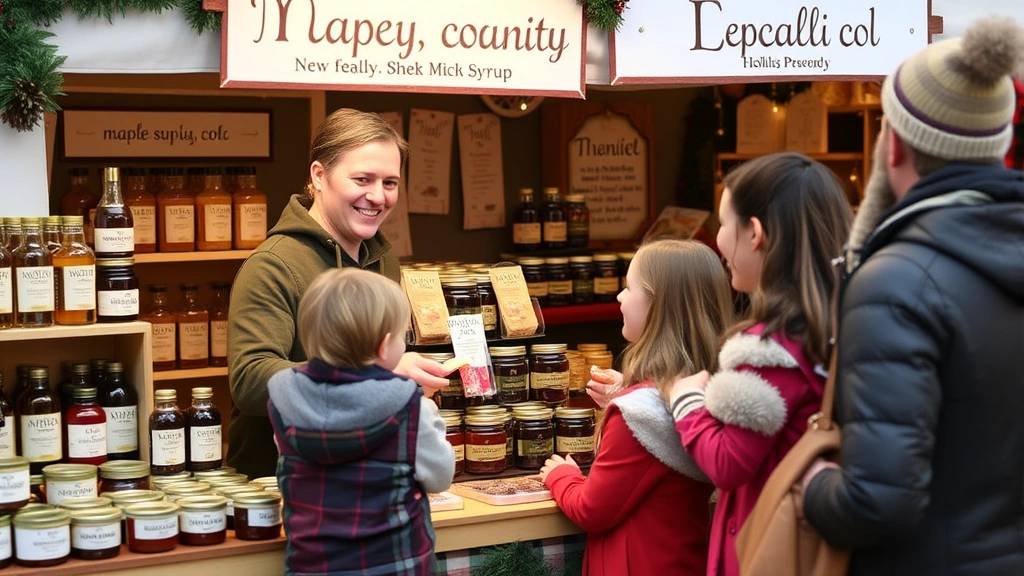
Vendor Ecosystem and Local Business Participation
The success of the Quebec City Christmas Market fundamentally depends on the quality and diversity of its vendor base. Approximately 120-150 vendors participate annually, representing a carefully curated selection of local artisans, small manufacturers, and food entrepreneurs. This vendor ecosystem reflects the broader economic landscape of Quebec City, showcasing the region’s creative industries and culinary heritage.
Local participation creates a multiplier effect throughout the regional economy. When consumers purchase from market vendors, money circulates within the community through supply chains, employment, and local spending. Many vendors are small business owners who rely on seasonal markets for significant portions of their annual revenue. For marketing strategy for small businesses, participation in established markets like Quebec City’s Christmas gathering provides access to concentrated customer bases without bearing full costs of individual retail locations.
Vendor categories typically include:
- Artisanal Crafts: Handmade jewelry, woodwork, textiles, and decorative items produced by local artisans
- Food and Beverage: Specialty foods, preserves, baked goods, and traditional Quebec holiday treats
- Gourmet Products: Maple syrup derivatives, local honey, craft beverages, and specialty condiments
- Fashion and Accessories: Handcrafted clothing, scarves, hats, and seasonal fashion items
- Home and Garden: Decorative items, candles, soaps, and holiday ornaments
- Children’s Products: Toys, books, and educational items appealing to family shoppers
The vendor selection process emphasizes quality control and brand alignment. Market organizers implement strict criteria ensuring products meet standards for craftsmanship, originality, and alignment with market positioning. This curation protects the market’s reputation and ensures consistent customer satisfaction—critical factors in maintaining attendance year after year.
Economic Impact and Revenue Generation
The Quebec City Christmas Market generates substantial economic benefits extending far beyond direct vendor sales. Conservative estimates suggest annual visitor numbers between 200,000-300,000, with average spending per visitor ranging from $50-$150 CAD depending on visit duration and shopping intent.
Direct revenue streams include:
- Vendor Sales: Total market sales estimated at $15-25 million annually, distributed across hundreds of small vendors
- Food and Beverage Consumption: On-site food sales represent 25-30% of total market transactions
- Parking and Transportation: Municipal revenues from parking, while vendors benefit from increased foot traffic to surrounding businesses
- Hospitality Services: Hotel occupancy increases significantly during market season, with many visitors traveling from outside the city
Indirect economic impacts prove equally significant. Visitors to the market patronize nearby restaurants, hotels, and retail establishments. A study by the Tourism Intelligence Group found that holiday market visitors spend an average of 2.3 additional dollars on non-market purchases for every dollar spent at market vendors. This multiplier effect magnifies the market’s economic contribution to the city’s overall retail sector and hospitality industry.
The market also generates employment opportunities, both directly through vendor operations and indirectly through supporting services including event security, parking management, and municipal services. During peak shopping weeks (particularly the two weeks before Christmas), the market creates temporary employment for approximately 500-800 additional workers across the broader ecosystem.
Customer Demographics and Shopping Behavior
Understanding market customer demographics reveals insights into who drives holiday retail spending and what motivates seasonal shopping behavior. Research indicates the customer base is remarkably diverse, spanning age groups, income levels, and geographic origins.
Primary customer segments include:
- Local Residents (40%): Quebec City residents and surrounding metropolitan area shoppers seeking unique gifts and holiday items
- Regional Visitors (35%): Travelers from other Quebec regions and Atlantic Canada visiting specifically for the market experience
- Tourists (25%): International and domestic tourists including the market as part of holiday city exploration
Shopping behavior analysis reveals distinct patterns. Morning visits (10 AM-12 PM) tend to attract serious shoppers with specific purchase intentions, while afternoon and evening visits (3 PM-8 PM) feature more casual browsing and family-oriented activities. Weekend attendance exceeds weekday traffic by approximately 60-70%, with Saturdays representing peak activity days.
Purchase motivations break down as follows: 45% shop for gifts, 30% seek personal holiday treats and specialty foods, 15% purchase home decorations, and 10% buy items for collection or personal use. Gift shoppers tend to have higher average transaction values and visit multiple vendors, while food-focused shoppers concentrate purchases with 2-3 vendors and spend less time overall.
Customer satisfaction metrics remain consistently high, with 88-92% of visitors reporting positive experiences. Repeat visitation rates suggest 35-40% of customers return multiple times during the season, indicating strong brand loyalty and positive word-of-mouth marketing effects.
Marketing and Promotional Strategies
The Quebec City Christmas Market employs sophisticated multi-channel marketing strategies to drive awareness and attendance. Effective promotion balances traditional media, digital channels, and grassroots community engagement.
Key marketing components include:
Digital Marketing Initiatives: The market maintains active social media presence across Facebook, Instagram, and TikTok, sharing vendor spotlights, holiday content, and real-time market updates. Email marketing campaigns target previous visitors and subscribers with seasonal offers and event highlights. The market website serves as central information hub featuring vendor directories, maps, hours, and special events calendar.
For insights into modern promotional approaches, reviewing digital marketing trends 2025 reveals how seasonal events increasingly leverage user-generated content, influencer partnerships, and interactive experiences to drive engagement.
Traditional Media: Local newspapers, radio stations, and television outlets provide editorial coverage and paid advertising throughout the season. Tourism boards and visitor centers distribute printed materials promoting the market as a must-visit destination.
Community Partnerships: Collaborations with local businesses, hotels, and tourism organizations create cross-promotional opportunities. Package deals combining hotel stays with market vouchers incentivize extended visits and increase spending.
Event Programming: Live entertainment, holiday performances, and special vendor events create reasons for repeated visits. Children’s activities, meet-and-greet opportunities with vendors, and seasonal workshops enhance the experiential value beyond pure shopping.
Marketing effectiveness is measured through attendance tracking, customer surveys, and sales monitoring. Data indicates that 60% of first-time visitors learn about the market through online sources, while 25% discover it through word-of-mouth recommendations, underscoring the importance of positive customer experiences and social sharing.
Logistics and Operational Considerations
Successfully operating a market of this scale requires sophisticated logistical planning and operational execution. The physical setup, vendor coordination, and customer flow management represent significant undertakings.
Key operational elements include:
Physical Infrastructure: The market occupies approximately 15,000-20,000 square meters of outdoor space in the historic district, requiring extensive setup and breakdown. Temporary structures including vendor booths, tent coverings, heating systems, and lighting installations must withstand winter weather conditions. Accessibility considerations ensure elderly visitors and those with mobility challenges can navigate the market comfortably.
Vendor Management: Coordination with 120-150 vendors involves booth assignment, setup scheduling, utilities provision, and ongoing communication. Vendor agreements specify operational hours, product categories, pricing guidelines, and conduct standards. Regular vendor meetings address challenges, share best practices, and maintain community cohesion.
Customer Flow and Safety: Traffic management systems direct visitor flow to prevent congestion while ensuring all vendors receive adequate foot traffic. Security personnel, first aid stations, and emergency protocols address safety concerns. Snow and ice management maintains walkways and prevents accidents during winter conditions.
Payment Processing: Modern point-of-sale systems accommodate credit cards, mobile payments, and cash transactions. Integration with inventory management helps vendors track sales and manage stock levels throughout the season.
Sustainability Practices: Increasingly, markets implement environmental initiatives including waste reduction, recycling programs, and sustainable vendor practices. These efforts appeal to environmentally conscious consumers and align with corporate social responsibility objectives.
Digital Integration and Omnichannel Approaches
The Quebec City Christmas Market exemplifies how traditional retail events increasingly integrate digital technologies to enhance customer experiences and extend market reach beyond physical locations.
Digital Platforms: Many vendors maintain online storefronts and social media presence, allowing customers to purchase items before, during, and after the market season. This omnichannel approach captures customers unable to visit physically while generating year-round revenue beyond the seasonal market window.
Mobile Applications: Market-specific apps provide vendor directories, interactive maps, special offers, and event schedules. Push notifications alert users to special events, flash sales, and new vendor arrivals, driving repeat visits and extended engagement.
Content Marketing: Behind-the-scenes vendor stories, artisan interviews, and holiday tradition content generate engagement and build emotional connections between customers and vendors. Video content showcasing market atmosphere, vendor processes, and customer testimonials drives social sharing and word-of-mouth promotion.
Data Analytics: Customer data from digital platforms provides insights into shopping preferences, peak traffic times, and vendor performance. This information optimizes vendor placement, event scheduling, and marketing messaging for future seasons.
For comprehensive understanding of modern retail marketing approaches, explore our Market Rise Hub Blog for additional insights on seasonal retail strategies and customer engagement tactics.
Seasonal Trends and Future Outlook
The Quebec City Christmas Market operates within broader seasonal retail trends that shape consumer behavior and market dynamics. Understanding these patterns provides valuable context for vendors, organizers, and stakeholders.
Seasonal Sales Patterns: Market sales peak during two distinct periods: early December (weeks following Thanksgiving) and the final two weeks before Christmas. The post-Thanksgiving surge reflects gift-shopping initiation, while the pre-Christmas rush captures last-minute purchases. Boxing Day and New Year periods see reduced traffic as consumers shift focus away from shopping.
Weather Impacts: Winter weather significantly influences attendance and shopping behavior. Mild weather conditions attract casual browsers and extended visits, while severe snow or extreme cold reduce attendance by 20-30%. Weather forecasts influence vendor staffing decisions and promotional timing.
Consumer Trend Evolution: Increasingly, holiday shoppers prioritize experiences over material goods, sustainable and locally-made products, and authentic artisanal items. These trends favor the Quebec City Christmas Market’s positioning and vendor mix, supporting continued growth and relevance.
Future Growth Opportunities: Market organizers explore expansion possibilities including extended season duration, satellite markets in other neighborhoods, and virtual components extending reach to remote customers. Sustainability initiatives, enhanced entertainment programming, and vendor innovation maintain market competitiveness and visitor interest.
The market’s future depends on balancing growth objectives with preservation of the authentic, locally-focused character that distinguishes it from commercialized alternatives. This requires careful vendor curation, thoughtful operational decisions, and commitment to community benefit.
For businesses interested in participating in seasonal markets or developing similar retail events, exploring markets near me resources provides practical guidance on local market opportunities and best practices.
FAQ
When does the Quebec City Christmas Market operate?
The market typically operates from late November through December, with peak activity during the two weeks before Christmas. Specific opening and closing dates vary annually based on weather conditions and organizational decisions. Most years, the market runs daily from 10 AM to 8 PM, with extended hours during peak shopping weeks.
What types of products are available at the market?
The market features diverse product categories including handcrafted artisanal goods, specialty foods, gourmet beverages, holiday decorations, fashion items, home goods, and children’s products. Approximately 70% of vendors are local Quebec-based producers, ensuring authentic regional representation.
How much should I budget for a market visit?
Average spending ranges from $50-$150 CAD per visit, depending on shopping intentions and time spent. Budget approximately $20-30 for food and beverages, $30-80 for gift purchases, and additional amounts for impulse buys and unique finds. Many visitors make multiple visits throughout the season.
Is parking available at the market?
Limited parking exists directly adjacent to the market, with paid municipal parking available nearby. Many visitors use public transportation, hotel shuttles, or ride-sharing services. Early morning and weekday visits offer better parking availability than peak evening and weekend times.
Can vendors accept credit card payments?
Yes, most vendors accept credit cards, debit cards, and mobile payment options alongside cash. However, carrying cash provides flexibility for smaller vendors and may enable negotiation on multiple purchases. ATMs are available near the market.
Are there activities for children at the market?
Yes, the market includes dedicated children’s activities, entertainment, and family-friendly programming throughout the season. Special children’s shopping areas, holiday performances, and interactive experiences make the market appealing for family visits.
How can small businesses get involved as vendors?
Interested vendors should contact market organizers through official channels to inquire about booth availability and application requirements. The selection process emphasizes product quality, local origin, and brand alignment. Early applications (typically June-August) provide better booth placement options. For additional insights on small business participation in retail events, review our marketing strategy for small businesses guide.
What makes the Quebec City Christmas Market different from shopping malls?
The market emphasizes authentic artisanal products, local vendor relationships, and experiential holiday atmosphere that contrasts with impersonal mall environments. The historic setting, live entertainment, and community focus create memorable experiences beyond transactional shopping, driving higher customer satisfaction and loyalty.
Are there employment opportunities at the market?
Yes, the market creates temporary employment during the season for vendor staff, security personnel, parking management, and support roles. Interested candidates should contact market organizers or individual vendors directly. For career opportunities in retail and market sectors, explore Market Basket Careers resources.


