Why Visit Pybus Public Market? Local Insights and Community Impact
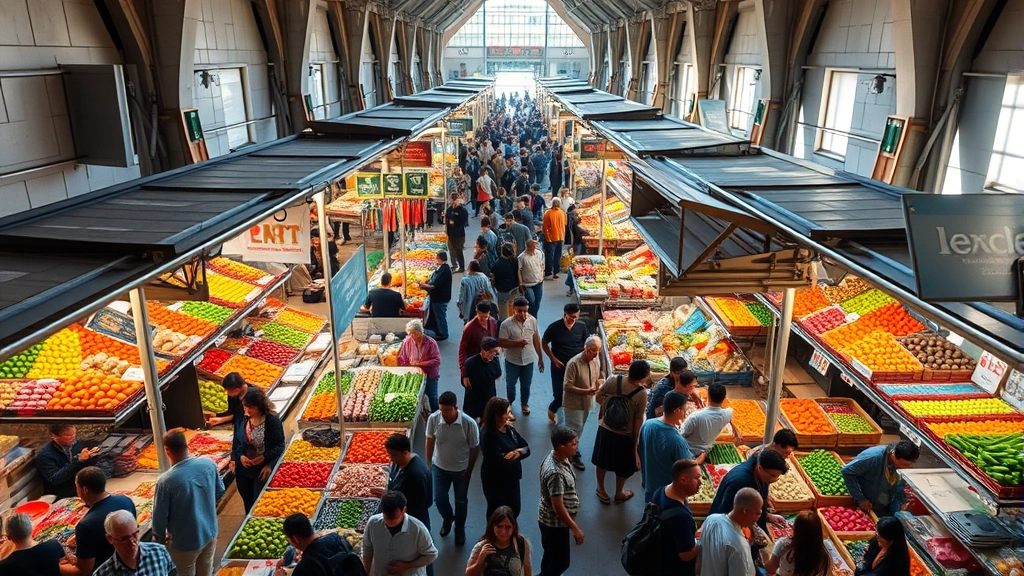
Pybus Public Market has emerged as a vibrant hub for local commerce, community gathering, and culinary exploration in Wenatchee, Washington. This dynamic marketplace represents more than just a shopping destination—it’s a testament to how modern public markets can revitalize downtown areas while supporting local vendors and fostering meaningful connections among residents and visitors alike. Whether you’re a food enthusiast, small business supporter, or someone seeking authentic local experiences, understanding what makes Pybus Public Market special offers valuable insights into contemporary retail and community-driven commerce.
The transformation of public markets into experiential destinations reflects broader trends in consumer behavior and retail strategy. Unlike traditional shopping centers focused purely on transactions, venues like Pybus Public Market prioritize community engagement, local artisan support, and cultural exchange. This shift aligns with consumer preferences toward supporting independent businesses and experiencing authentic local offerings—a movement that has reshaped how we think about retail spaces and their role in community development.
Understanding Pybus Public Market’s Community Role
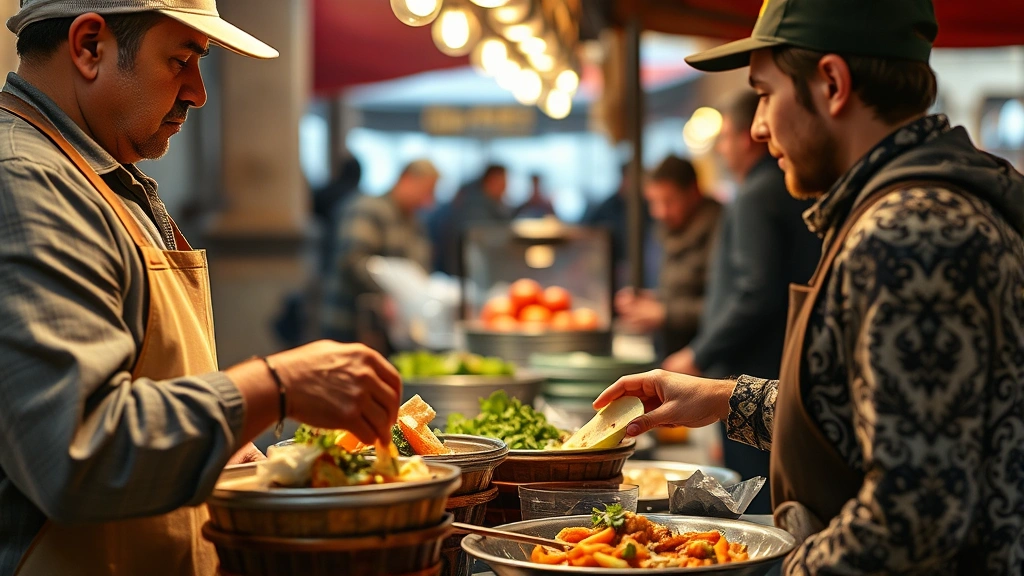
Pybus Public Market functions as a modern interpretation of traditional public markets that have served communities for centuries. These spaces represent crucial infrastructure for local economies, providing affordable rental spaces where small vendors can operate without the overhead of standalone storefronts. For entrepreneurs and established small businesses alike, public markets offer accessible pathways to reach customers directly, gather feedback, and build loyal customer bases.
The market’s significance extends beyond commerce. Public markets serve as third spaces—neutral grounds where community members gather, interact, and build social bonds. In an era of increasing digital commerce and isolated shopping experiences, these physical marketplaces provide irreplaceable value by fostering face-to-face interactions, enabling customers to know vendors personally, and creating spaces where local culture and traditions can flourish.
Understanding the importance of supporting local vendors connects directly to broader marketing strategy for startups and small enterprises. Public markets like Pybus demonstrate how strategic location and community integration can amplify a business’s reach and impact without requiring significant capital investment in dedicated retail space.
Diverse Vendor Ecosystem and Local Support
The strength of Pybus Public Market lies in its carefully curated vendor mix. The market hosts numerous independent businesses spanning multiple categories: artisan food producers, prepared food vendors, craft retailers, coffee roasters, bakeries, and specialty goods merchants. This diversity creates a compelling reason for repeat visits—customers never know what new vendors they might discover or which established favorites will have new offerings.
Supporting vendors at Pybus Public Market means investing directly in local entrepreneurship. Many vendors are owner-operated businesses where purchasing decisions directly benefit families and individuals in the community. This direct relationship between consumer and producer eliminates middlemen, allowing vendors to offer competitive pricing while maintaining healthier profit margins compared to traditional wholesale distribution channels.
The vendor ecosystem at public markets also facilitates knowledge sharing and collaboration. Vendors working in proximity develop professional relationships, exchange best practices, and sometimes collaborate on special events or cross-promotions. This collaborative environment contrasts sharply with isolated retail locations and demonstrates how best marketing tools for small businesses often include community integration and networking opportunities.
For job seekers and career-minded individuals, public markets represent dynamic employment ecosystems. Vendors frequently hire local staff, creating entry-level positions, management roles, and specialized positions for skilled workers. The market environment itself generates opportunities in operations, vendor coordination, event management, and facility maintenance.
Culinary Excellence and Food Culture
Food represents the primary draw for many Pybus Public Market visitors. The market concentrates diverse culinary offerings in one accessible location: prepared meals from various cuisines, fresh produce, artisan baked goods, specialty ingredients, and beverages. This concentration creates a unique shopping and dining experience unavailable through conventional grocery stores or restaurant chains.
The culinary vendors at Pybus typically emphasize quality, freshness, and authenticity. Many prepare items daily using fresh ingredients, some sourced from local farms and producers. This commitment to quality reflects evolving consumer preferences for transparency, traceability, and direct relationships with food producers—values that have fundamentally reshaped food retail and dining expectations over the past decade.
Public markets serve important cultural functions by preserving and celebrating diverse food traditions. Vendors representing various ethnic backgrounds and culinary traditions maintain cultural heritage while introducing broader communities to authentic cuisines. This cultural exchange enriches community life and creates educational opportunities where visitors learn about different food traditions, preparation methods, and flavor profiles.
Economic Impact on Local Business
The economic significance of public markets extends throughout local communities. Beyond the direct economic activity generated by vendors and visitors, these markets create ripple effects throughout surrounding neighborhoods. Customers visiting Pybus often patronize nearby businesses, supporting restaurants, retail shops, and services in the downtown area. This clustering effect strengthens overall downtown vitality and encourages reinvestment in surrounding properties and businesses.
Research from retail analysts and economic development organizations consistently demonstrates that public markets generate substantial economic multiplier effects. Money spent at vendor stalls recirculates through local economies as vendors purchase supplies from local producers, hire local employees, and reinvest profits in their businesses and community. According to Project for Public Spaces, well-managed public markets can increase property values in surrounding areas by up to 9.4 percent while generating significant foot traffic and economic activity.
For communities focused on economic development, public markets represent strategic investments. They require relatively modest public investment compared to other development initiatives while generating substantial returns through increased tax revenue, property value appreciation, job creation, and business development. Understanding these economic dynamics connects to broader market analysis and business intelligence essential for strategic decision-making.
Visitor Experience and Accessibility
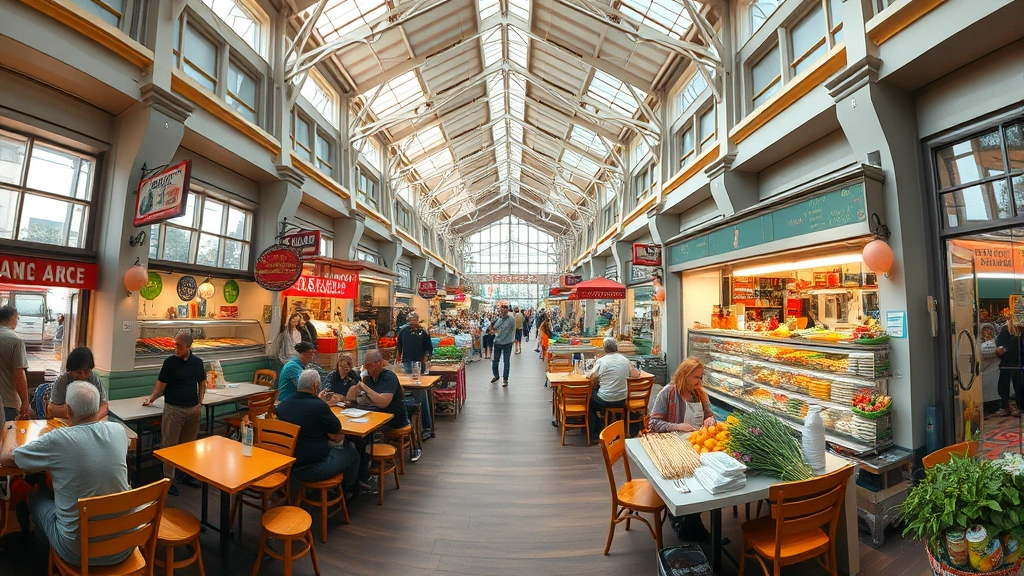
Pybus Public Market’s design prioritizes accessibility and visitor comfort. The market features clear wayfinding, adequate seating areas, climate-controlled spaces, and convenient parking—essential amenities that distinguish successful public markets from less effective implementations. These practical considerations directly impact visitor satisfaction and repeat visit frequency.
The market’s layout encourages exploration and discovery. Unlike linear shopping experiences, public markets typically feature open floor plans where visitors naturally encounter multiple vendors while moving through the space. This design encourages impulse purchases and discovery of new vendors—behavioral patterns that benefit both customers and merchants by expanding purchase baskets and introducing customers to new offerings.
Accessibility extends beyond physical design to include diverse payment options, varied price points, and inclusive programming. Successful public markets serve diverse income levels, dietary preferences, and cultural backgrounds. Pybus achieves this through vendor diversity, competitive pricing, and community events that welcome all residents regardless of background or economic status.
Events and Community Programming
Beyond daily operations, Pybus Public Market hosts events and programming that deepen community engagement. Seasonal celebrations, cooking demonstrations, live music, vendor showcases, and special promotions create reasons for repeat visits and generate community awareness and enthusiasm.
Community programming serves multiple functions simultaneously. Events drive foot traffic and sales during specific periods, build emotional connections between customers and the market, create content opportunities for social media and local media coverage, and provide platforms for vendors to showcase products and build customer relationships. This multifaceted approach to community engagement reflects sophisticated understanding of experiential retail and community marketing principles.
For those interested in careers in event management, community development, or marketing, public markets like Pybus offer practical examples of how strategic programming drives business objectives while serving community interests. These insights prove valuable for anyone exploring digital marketing jobs and career opportunities in contemporary retail and community-focused organizations.
Sustainability and Local Sourcing
Modern public markets like Pybus increasingly emphasize sustainability and local sourcing. Many vendors prioritize relationships with local farmers, producers, and suppliers, reducing transportation distances and supporting regional agricultural economies. This commitment to local sourcing benefits environmental sustainability while strengthening regional food systems resilience.
Sustainability extends to operational practices. Public markets typically generate less packaging waste than conventional retail, encourage reusable shopping practices, and concentrate consumer foot traffic in walkable downtown locations rather than dispersed suburban shopping centers. These factors contribute meaningfully to reduced environmental impact compared to traditional retail models.
For consumers increasingly concerned with environmental and social responsibility, public markets offer transparent supply chains and direct relationships with producers. Customers can ask vendors about sourcing practices, production methods, and ingredient sourcing—transparency that’s difficult to achieve through conventional retail channels. This alignment between consumer values and vendor practices strengthens customer loyalty and justifies price premiums for high-quality, responsibly-produced goods.
Understanding sustainability in retail contexts connects to broader business strategy and competitive positioning. Organizations across industries increasingly recognize that sustainability practices represent competitive advantages attracting conscious consumers, reducing operational costs, and building brand loyalty. These principles apply equally to individual vendors at public markets and larger retail enterprises seeking to understand market dynamics and competitive positioning in contemporary commerce.
FAQ
What types of vendors operate at Pybus Public Market?
Pybus Public Market hosts diverse vendors including prepared food merchants, bakeries, coffee roasters, produce sellers, artisan goods retailers, and specialty food producers. The vendor mix changes periodically as businesses evolve and new entrepreneurs launch ventures, ensuring regular discovery opportunities for repeat visitors.
What are the parking and accessibility options?
Pybus Public Market provides convenient parking facilities and accessible entrances designed to accommodate visitors with varying mobility needs. The market features climate-controlled interior spaces, seating areas, and clear wayfinding to enhance visitor comfort and accessibility.
How does shopping at Pybus support the local community?
Purchasing from Pybus vendors directly supports local entrepreneurs and small business owners. Money spent at the market recirculates through the local economy as vendors purchase supplies, hire employees, and reinvest in their businesses and community. This economic multiplier effect strengthens overall community vitality.
Does Pybus Public Market host special events?
Yes, Pybus regularly hosts seasonal events, cooking demonstrations, live music, and special promotions. These community-focused activities create reasons for repeat visits, build community connections, and provide platforms for vendors to showcase products and build customer relationships.
What makes public markets different from conventional grocery stores?
Public markets emphasize direct vendor-customer relationships, local sourcing, artisan production methods, and community gathering. Unlike conventional retail, public markets function as cultural and social spaces where community members interact, support local businesses, and experience authentic local food and goods.
Are products at public markets more expensive than conventional retail?
Pricing varies depending on product type and vendor. Many public market items compete favorably with conventional retail, particularly for specialty items and locally-produced goods where quality and freshness justify pricing. The vendor-direct model often allows competitive pricing while supporting producer profitability.


