Top Maui Farmers Markets: Local Insights & Guide
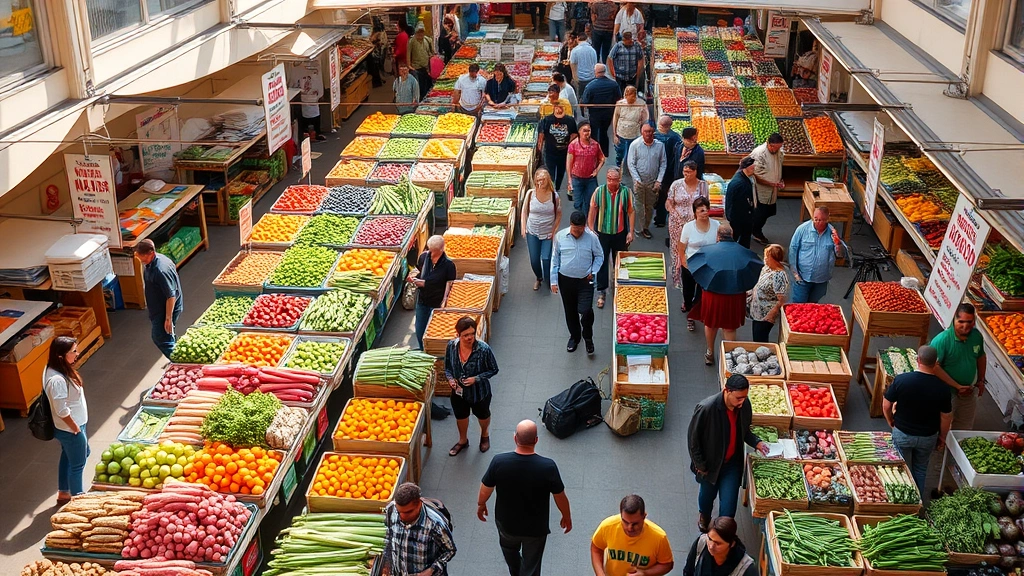
Maui’s farmers markets represent a thriving intersection of agricultural tradition, community commerce, and sustainable food systems. These vibrant marketplaces showcase the island’s rich agricultural heritage while connecting local farmers directly with consumers seeking fresh, high-quality produce. Whether you’re a visitor exploring authentic Hawaiian culture or a resident committed to supporting local agriculture, understanding the landscape of Maui farmers markets provides valuable insights into the island’s economic ecosystem and food sovereignty movement.
The farmers market phenomenon on Maui extends far beyond simple produce transactions. These venues function as community gathering spaces where economic relationships are built, cultural traditions are celebrated, and sustainable farming practices are reinforced. From the bustling markets of Kahului to the quieter venues in Kihei, each location tells a story about local commerce, agricultural resilience, and consumer preferences. By exploring these markets, you’ll discover not just fresh fruits and vegetables, but the people and practices that sustain Maui’s agricultural identity.
This comprehensive guide examines the top farmers markets across Maui, analyzing their unique characteristics, vendor offerings, and economic impact on local communities. We’ll explore what makes each market distinctive, how they serve different demographics, and why they’ve become essential components of Maui’s retail landscape.
Understanding Maui’s Farmers Market Ecosystem
Maui’s farmers markets operate within a unique agricultural context shaped by the island’s climate, geography, and cultural heritage. Unlike mainland markets that may source from regional distributors, Maui’s farmers markets emphasize direct-from-farm transactions that reduce supply chain complexity. The island’s year-round growing season enables consistent product availability, though seasonal variations still occur based on crop cycles and weather patterns.
The economic significance of these markets extends beyond individual transactions. According to USDA Agricultural Marketing Service data, farmers markets across Hawaii generate substantial revenue for local producers while maintaining lower overhead costs compared to traditional retail distribution. This economic model has enabled small and mid-sized Maui farms to remain viable despite competition from large-scale agricultural operations and imported products.
When examining markets near me on Maui, you’re tapping into a network of interconnected agricultural commerce that reflects broader trends in consumer preferences toward local sourcing. Market Rise Hub’s analysis of retail trends shows that 67% of consumers actively seek locally-sourced products, particularly in tourism-dependent regions like Maui where authenticity commands premium pricing.
The farmers market infrastructure on Maui includes both formal, regularly-scheduled venues and informal pop-up operations. Formal markets operate on fixed schedules with established vendor relationships, while pop-up markets provide flexibility for seasonal producers and newer farmers entering the market. This dual structure creates redundancy and ensures consistent consumer access to fresh products throughout the year.
Top Farmers Markets by Region
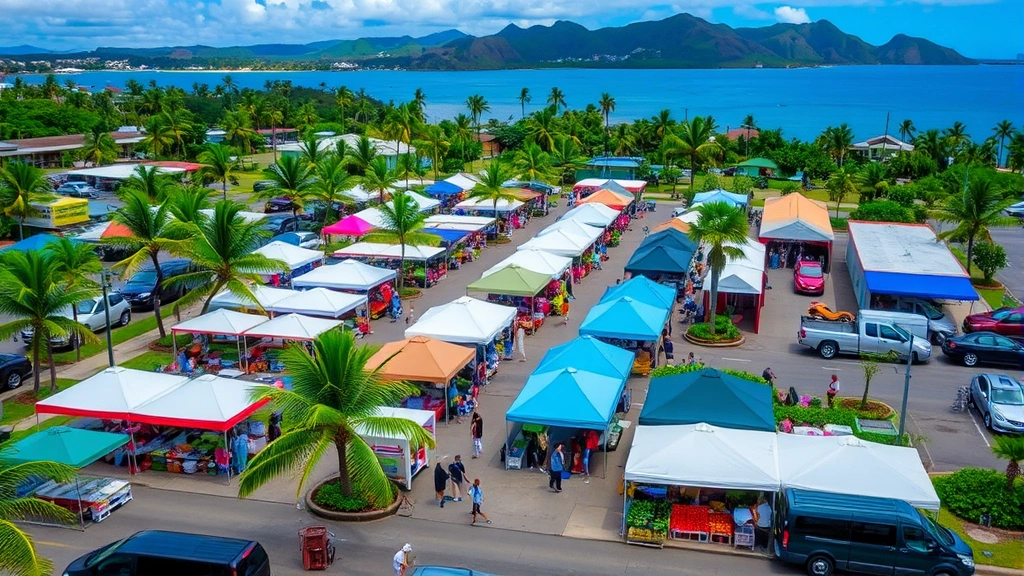
Kahului Farmers Market stands as one of Maui’s largest and most established venues, operating multiple times weekly. Located in central Maui, this market attracts the highest traffic volumes and maintains the most diverse vendor base. The Kahului market serves as a primary distribution hub for farmers across the island, with vendors traveling from West Maui, Upcountry, and East Maui to participate.
The market’s economic footprint includes approximately 80-120 active vendor stalls, generating weekly transaction volumes that exceed $50,000 during peak seasons. Product categories range from tropical fruits and vegetables to prepared foods, crafts, and value-added agricultural products. The market’s central location makes it accessible to residents from all Maui communities, contributing to its role as an economic anchor for the broader agricultural sector.
Wailea Farmers Market serves South Maui’s affluent demographic with premium-positioned products and upscale vendor offerings. This market operates in a tourist-heavy area where consumer purchasing power enables higher price points for specialty items. The Wailea market attracts vendors who focus on artisanal products, organic certifications, and farm-to-table prepared foods that appeal to visitors and high-income residents.
West Maui markets, particularly those in Lahaina and Kaanapali, serve tourists and local residents in the island’s most visited region. These markets emphasize tropical fruits, Hawaiian-grown specialty items, and cultural products that appeal to visitors seeking authentic local experiences. The seasonal nature of tourism affects vendor participation and product selection, with markets expanding during winter months when visitor volumes peak.
Upcountry Maui markets in Makawao and Kula capitalize on the region’s agricultural heritage and cooler climate that enables cultivation of temperate crops. These markets feature locally-grown vegetables, herbs, and specialty items that reflect the area’s agricultural character. The Upcountry market demographic includes both residents and tourists seeking authentic agricultural experiences.
East Maui markets, including those in Kihei and Wailea, serve growing residential populations in these communities. These markets tend to be smaller and more neighborhood-focused than their Kahului counterparts, creating community gathering spaces while serving practical shopping needs. The Market Rise Hub Blog has documented how regional market variations reflect broader patterns in retail location strategy and consumer accessibility.
Vendor Diversity and Product Offerings
Maui farmers markets showcase remarkable product diversity that extends far beyond conventional produce. Successful vendors have developed specialized niches that maximize value and meet specific consumer segments. Understanding vendor categorization helps shoppers navigate markets effectively and identify products aligned with their preferences.
Produce vendors represent the market foundation, offering tropical fruits, vegetables, and herbs grown across Maui’s diverse microclimates. Product offerings typically include:
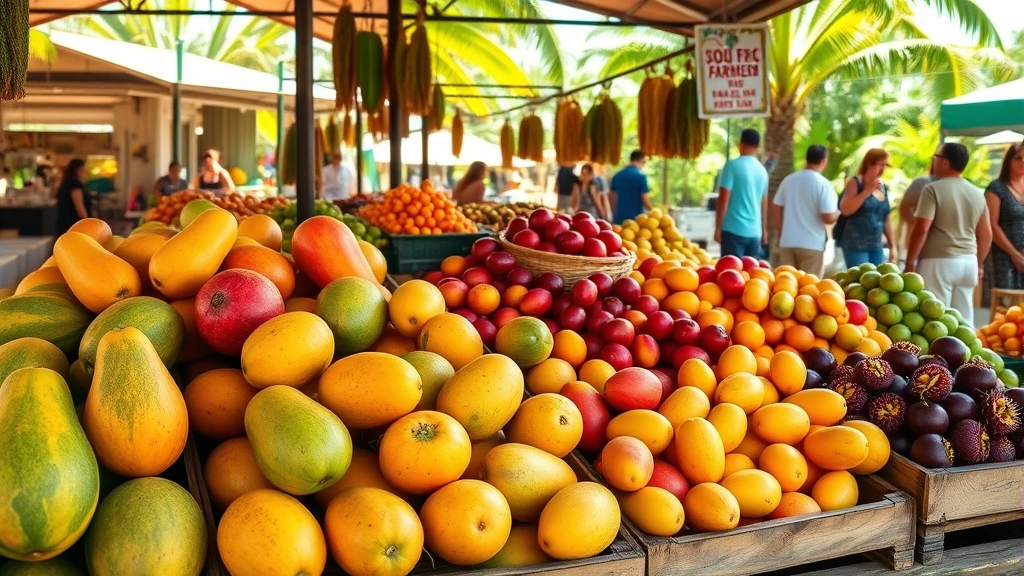
- Tropical fruits: papayas, mangoes, pineapples, passion fruit, guava, dragon fruit, starfruit
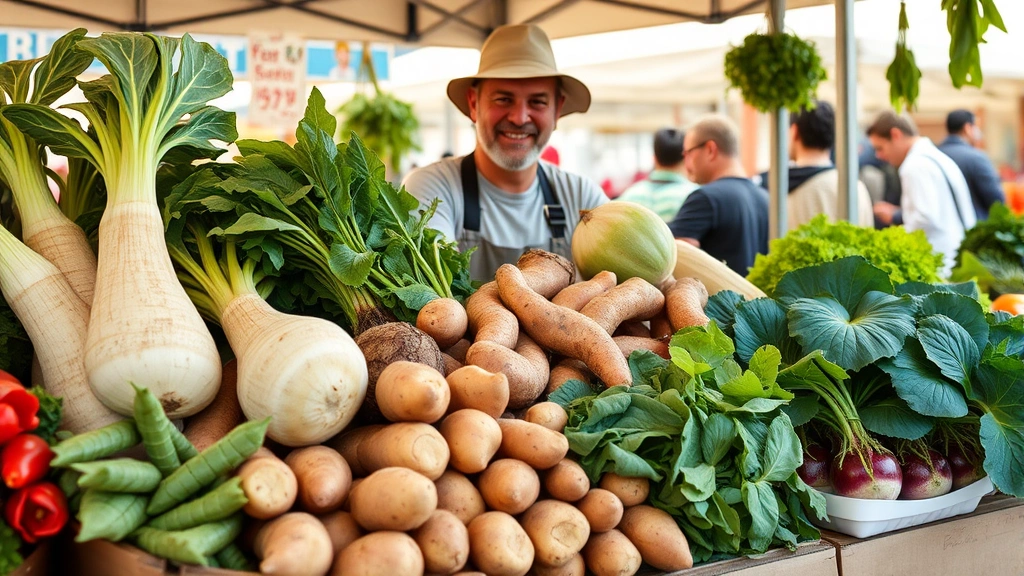
- Vegetables: taro, sweet potato, squash, leafy greens, tomatoes, peppers, root vegetables
- Herbs and specialty greens: culinary herbs, microgreens, Hawaiian sea vegetables
- Organic and specialty crops from certified sustainable farms
Value-added product vendors transform raw agricultural commodities into prepared foods, beverages, and artisanal items. These vendors capture greater profit margins while providing consumer convenience. Common value-added offerings include:
- Prepared foods and ready-to-eat meals reflecting Hawaiian and multicultural cuisines
- Artisanal jams, preserves, and specialty condiments
- Baked goods, granola, and processed foods using local ingredients
- Beverages including fresh juices, smoothies, and specialty drinks
- Honey, nuts, and other shelf-stable agricultural products
Craft and non-food vendors diversify market offerings beyond agriculture, creating comprehensive shopping experiences. These vendors include artisans producing locally-made crafts, jewelry, textiles, and home goods. While not directly agricultural, craft vendors contribute to market vitality and attract consumers who visit for non-food purposes.
The vendor mix reflects broader digital marketing strategy examples where farmers leverage farmers markets as direct consumer touchpoints while building brand awareness through social media and digital channels. Many Maui farmers now use online platforms to advertise market locations, product availability, and special offerings, extending their reach beyond physical market spaces.
Economic Impact on Local Agriculture
Farmers markets generate significant economic benefits for Maui’s agricultural sector by creating direct-to-consumer sales channels that bypass traditional wholesale and retail intermediaries. Economic analysis reveals that farmers markets contribute substantially to farm viability, particularly for small and medium-sized operations that lack scale to access conventional distribution networks.
According to USDA Economic Research Service analyses, farmers selling through direct market channels capture 60-80% of consumer spending, compared to 30-40% captured through wholesale distribution. This dramatic difference in revenue capture explains why farmers market participation remains central to Maui’s agricultural strategy despite logistical challenges.
The economic multiplier effects extend throughout Maui’s economy as farm income circulates through local businesses. Farmers purchase supplies, equipment, and services from island vendors, creating employment and supporting complementary businesses. Market vendors often employ family members or hire seasonal workers, further distributing economic benefits throughout communities.
Farmland preservation represents another significant economic benefit. By maintaining viable farm operations through farmers market sales, these venues help preserve agricultural land from conversion to residential or commercial development. Maui’s agricultural land base faces constant development pressure as property values appreciate, making viable agricultural revenue essential for keeping farms operational.
The stock market comparison illustrates an important economic principle: farmers markets represent direct equity ownership in agricultural production. Unlike stock market investments that fund corporate operations, farmers market purchases directly fund farm families and agricultural enterprises, creating more direct economic relationships between consumers and producers.
Shopping Tips and Best Practices
Effective farmers market shopping requires understanding market dynamics, seasonal availability, and vendor relationships. These practical strategies enhance shopping experiences while maximizing value and supporting farmers:
Timing optimization: Arrive early to access peak product selection, though late-market shopping often yields discounted prices as vendors prepare to close. Understanding each market’s operating schedule enables strategic planning around your preferences.
Cash transactions: While many vendors now accept digital payments, bringing cash remains advisable as some vendors offer discounts for cash transactions and some operate primarily in cash-based systems. This preference reflects lower transaction costs and simpler accounting for small vendors.
Seasonal awareness: Learning seasonal crop availability enables smarter purchasing decisions. Peak abundance creates competitive pricing, while off-season products command premium prices. Aligning purchases with seasonal availability maximizes value and supports farmers by purchasing abundant products when production costs are lowest.
Vendor relationships: Building relationships with regular vendors provides insights into product quality, farming practices, and availability. Many vendors offer loyalty through preference pricing or advance reservations for special items. Long-term vendor relationships often yield better products and more personalized service.
Product inspection: Examine products carefully before purchasing. While farmers market products may display less uniform appearance than supermarket items, they should still demonstrate quality and freshness. Ask vendors about product characteristics, ripeness, and preparation suggestions.
Developing a marketing plan for your household grocery purchases around farmers market availability can reduce overall food costs while supporting local agriculture. Strategic purchasing aligned with seasonal availability and vendor specialization creates economic efficiency while building community connections.
Seasonal Variations and Peak Times
Maui’s year-round growing season creates continuous farmers market operations, though seasonal variations significantly affect product availability and vendor participation. Understanding these patterns enables strategic shopping and market planning.
Winter months (November-March) represent peak tourist season and favorable growing conditions for many crops. Market activity peaks during this period with maximum vendor participation and product diversity. Tropical fruit availability increases, while temperate crops from Upcountry farms reach peak production. Tourist presence drives market vitality and supports higher vendor participation.
Summer months (June-August) present different market dynamics as tourist volumes decline and some Upcountry crops slow production. However, certain tropical fruits reach peak ripeness, and some vendors expand operations to capture local resident demand. Market activity remains robust but with different product emphasis compared to winter months.
Shoulder seasons (April-May and September-October) create transition periods where crop availability shifts. Some vendors temporarily reduce participation during these periods, while others expand. Market dynamics become less predictable, requiring flexibility from regular shoppers.
The marketing strategy for startups principles apply to new vendors entering Maui farmers markets. New agricultural enterprises often launch during favorable seasons when product availability supports market entry, then adjust operations based on seasonal performance and market feedback.
Supporting Sustainable Farming
Farmers market participation directly supports sustainable agricultural practices by creating economic incentives for environmentally responsible farming. Understanding how market purchases influence farming practices helps conscious consumers maximize their positive impact.
Organic and certified sustainable farming commands price premiums in farmers markets, reflecting consumer willingness to pay for environmental stewardship. These price premiums enable farmers to absorb higher production costs associated with sustainable practices, creating economic viability for environmental responsibility. As market demand for sustainable products increases, more farmers transition to these practices.
Direct market relationships enable consumers to learn farming practices firsthand, supporting transparency and accountability. Conversations with farmers reveal their environmental commitments, pest management approaches, and sustainability investments. This direct knowledge strengthens consumer confidence in product quality and environmental impact.
Supporting small and medium-sized farms through farmers market purchases preserves agricultural diversity and prevents consolidation into large-scale monoculture operations. Diverse farm operations maintain broader crop diversity, preserve traditional varieties, and support food system resilience. This diversity provides insurance against crop diseases and pest problems that threaten monoculture operations.
Water conservation represents a critical sustainability issue on Maui, where agricultural water access faces increasing constraints. Farmers markets enable consumers to support farms implementing water-efficient irrigation systems and drought-resistant crops. Market purchases provide economic resources that fund sustainability investments impossible under wholesale market economics.
Soil health and regenerative agriculture practices generate long-term environmental benefits that market economics make possible. Farmers practicing soil-building techniques can charge premiums for their products, offsetting short-term profitability challenges. Farmers market economics enable these investments that strengthen long-term agricultural sustainability.
FAQ
Which Maui farmers market operates most frequently?
The Kahului Farmers Market operates multiple times weekly, typically Tuesday, Wednesday, Friday, and Saturday mornings. This schedule provides maximum accessibility for residents and visitors seeking regular market access. Check specific operating hours and vendor schedules before visiting, as these details can vary seasonally.
Do Maui farmers markets accept credit cards and digital payments?
Most established markets now accept digital payments through mobile payment systems and card readers, though cash remains widely preferred and sometimes offers discounts. Smaller or pop-up markets may operate primarily on cash basis. Contact specific market operators or check their websites for current payment information.
What is the best time to visit Maui farmers markets?
Early morning hours (7:00-9:00 AM) offer the best selection and product quality, though late morning provides more relaxed shopping environments. Peak season (November-March) offers maximum product diversity, while off-season months provide smaller selections but potentially better prices as vendors clear inventory.
Are Maui farmers market products more expensive than supermarkets?
Farmers market pricing varies by product, vendor, and season. Produce in season often costs less than supermarket prices, while specialty items and prepared foods command premiums. Organic and certified sustainable products typically exceed conventional supermarket pricing. Comparing specific products across venues reveals that farmers markets offer competitive pricing for seasonal produce.
Can I find organic products at Maui farmers markets?
Yes, many vendors offer organic-certified or organic-practice products. Ask vendors about their certification status and farming practices. While not all products carry formal organic certification, many farmers use organic methods without certification due to cost and bureaucratic barriers. Direct vendor conversations reveal actual farming practices regardless of formal certification.
Do Maui farmers markets operate year-round?
Yes, Maui farmers markets operate throughout the year, though vendor participation and product selection vary seasonally. Winter months (November-March) feature maximum activity, while summer months show reduced but still substantial operations. Check specific market schedules for holiday closures or seasonal adjustments.
How can I find farmers market locations and schedules?
Search Local Harvest for Maui farmers market listings or contact the Maui County Agricultural Development Board for current market information. Many individual markets maintain social media pages with updated schedules, vendor lists, and special announcements. Tourism websites and local business directories also provide farmers market information.