Exploring LA’s Market Trends: Insider Insights
Los Angeles represents one of the most dynamic and complex commercial markets in North America, encompassing diverse retail ecosystems, real estate movements, and consumer behavior patterns that shape regional and national commerce trends. The LA California market has experienced significant shifts over the past five years, driven by demographic changes, technological adoption, and evolving consumer preferences that continue to redefine how businesses operate in this sprawling metropolitan region.
Understanding the nuances of LA’s marketplace requires examining multiple sectors simultaneously—from traditional brick-and-mortar retail to emerging e-commerce landscapes, from luxury goods distribution to discount retailers competing for market share. This comprehensive exploration provides actionable insights for business owners, investors, and entrepreneurs seeking to capitalize on opportunities within this influential market.
Retail Landscape Transformation in Los Angeles
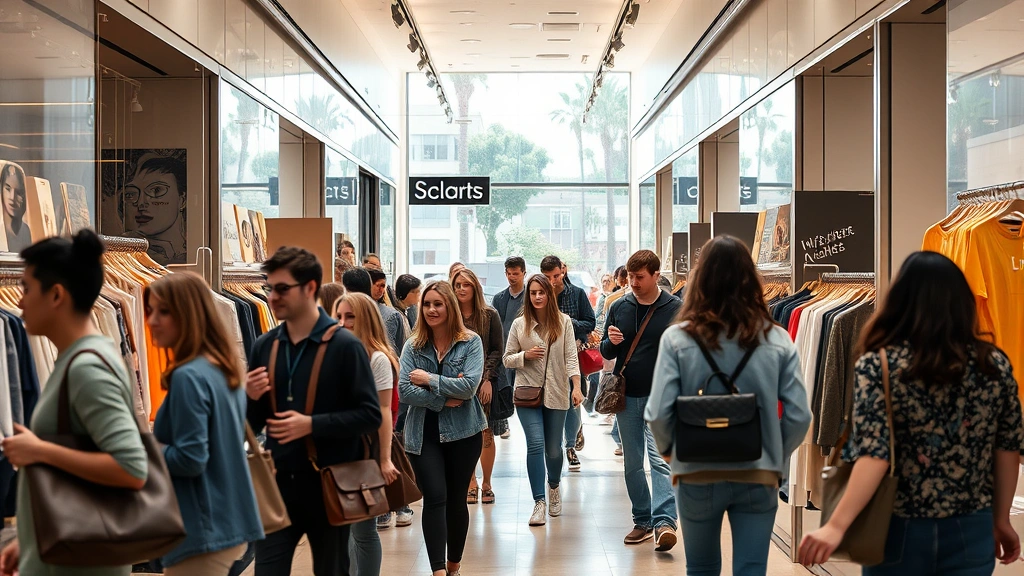
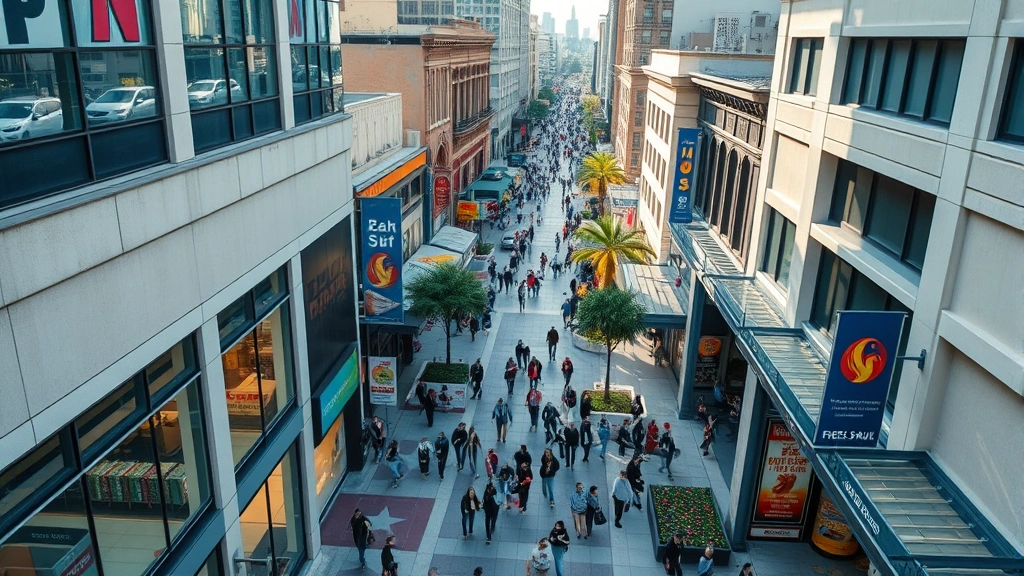
The retail environment across Los Angeles has undergone dramatic transformation, reflecting broader national trends while maintaining distinct regional characteristics. Traditional shopping centers continue to operate, yet their roles have shifted significantly as consumers increasingly blend online and offline purchasing behaviors. Major retail corridors including the Westfield Santa Anonica, The Grove, and Fairfax District have adapted their tenant mixes to accommodate experiential retail, food and beverage concepts, and entertainment venues alongside traditional fashion retailers.
Department store closures have reshaped commercial real estate throughout the region, with properties previously anchored by major chains now being repurposed for mixed-use developments. This transition presents both challenges and opportunities for property owners and tenants seeking to establish presence in prime locations. The shift reflects changing consumer preferences toward curated shopping experiences rather than one-stop destination retail.
Specialty retailers and independent boutiques have gained market share, particularly in neighborhoods like Silver Lake, Los Feliz, and downtown LA’s Arts District. These retailers capitalize on local brand loyalty and community engagement strategies that larger chains struggle to replicate. Markets near you continue adapting to these dynamics, with successful operators leveraging local insights to differentiate their offerings.
Discount retailers and value-oriented chains have expanded significantly, reflecting economic pressures on middle-income households throughout the region. The proliferation of TJ Maxx, Ross, and similar off-price retailers indicates sustained demand for affordable merchandise across demographic segments. This trend underscores the importance of understanding marketing strategy for small businesses operating within competitive discount segments.

Consumer Demographics and Purchasing Power
Los Angeles’s population of nearly 4 million residents within city limits, with over 13 million in the greater metropolitan area, represents extraordinary demographic diversity that directly influences purchasing patterns and retail preferences. Hispanic consumers constitute approximately 48% of the city’s population, followed by white, Asian, and Black populations, each bringing distinct consumer preferences and brand loyalties that shape market demand.
Household income distribution varies dramatically across neighborhoods, with median incomes ranging from approximately $35,000 in certain South LA communities to over $150,000 in Bel Air and Pacific Palisades. This economic stratification creates multiple distinct market segments requiring tailored retail and marketing approaches. Millennials and Gen Z consumers represent increasingly dominant demographic cohorts, with purchasing power concentrated among digitally native, socially conscious consumers prioritizing sustainability and brand authenticity.
Immigration patterns continue influencing consumer behavior, with recent arrivals often maintaining purchasing preferences and brand loyalties from countries of origin. International retail brands have expanded significantly in LA, recognizing the region’s multicultural consumer base and their purchasing power. Understanding these demographic complexities proves essential for retailers developing effective how to create a marketing plan strategies targeting specific community segments.
According to Bureau of Labor Statistics data, Los Angeles consumer spending patterns show distinct preferences for automotive goods, housing, and food services compared to national averages. These insights enable businesses to allocate inventory and marketing resources more effectively.
E-Commerce Integration and Digital Adoption
The integration of e-commerce capabilities has become essential for retail success throughout Los Angeles, with consumer adoption rates exceeding national averages. The region’s dense population, traffic congestion, and developed logistics infrastructure have accelerated adoption of online shopping and same-day delivery services. Major retailers operating in LA have invested heavily in omnichannel capabilities, allowing customers to seamlessly transition between online browsing and in-store purchasing.
Amazon’s significant logistics presence in Southern California, including multiple fulfillment centers and sorting facilities, has dramatically shortened delivery times and reduced shipping costs for LA consumers. This infrastructure advantage has intensified competitive pressures on traditional retailers while creating opportunities for sellers leveraging these platforms. The prevalence of mobile commerce in LA exceeds national benchmarks, with smartphone-dependent consumers conducting research and completing purchases increasingly through mobile applications.
Subscription services and membership-based retail models have gained substantial traction in LA, reflecting both consumer preferences for convenience and businesses’ desires to establish recurring revenue streams. Costco, Amazon Prime, and specialty subscription boxes have cultivated loyal customer bases throughout the region. Retailers seeking to understand how digital transformation impacts market dynamics should review digital marketing strategy examples demonstrating successful integration of online and offline channels.
Social commerce through Instagram, TikTok, and Facebook has become particularly influential in Los Angeles, where influencer culture and trendsetting behavior originate. Retailers with strong social media presence and influencer partnerships report significantly higher conversion rates than competitors relying solely on traditional marketing channels. The city’s entertainment industry connections amplify social commerce potential, as celebrities and micro-influencers drive consumer awareness and purchasing decisions.
Commercial Real Estate Market Dynamics
Commercial real estate throughout Los Angeles reflects broader market trends while maintaining distinct regional characteristics driven by location desirability, demographic density, and transportation accessibility. Retail space vacancy rates have fluctuated considerably since 2020, with prime locations in areas like Beverly Hills, West Hollywood, and Santa Monica maintaining strong demand despite broader sector challenges. Secondary and tertiary locations have experienced higher vacancy rates, as retailers consolidate presence in high-traffic areas with demonstrated consumer demand.
Rental rates for retail space vary dramatically by neighborhood and property quality. Prime retail corridors command premium rents exceeding $300 per square foot annually, while secondary locations offer rates below $75 per square foot, creating opportunities for value-conscious retailers. The shift toward experiential retail and mixed-use developments has increased demand for ground-floor spaces with strong visibility and foot traffic, driving rent increases in selected neighborhoods while depressing rates in auto-dependent areas.
Ground leases and percentage rent arrangements have become increasingly common as landlords seek to align tenant performance with real estate returns. This trend reflects landlords’ recognition that retail success depends on curated tenant mixes and strong operational execution rather than simply collecting base rent from marginally performing tenants. Reviewing Market Rise Hub Blog provides ongoing analysis of commercial real estate dynamics affecting retail operations.
The rise of last-mile delivery logistics has created demand for distribution-oriented industrial real estate throughout LA County. Fulfillment centers, micro-fulfillment operations, and parcel handling facilities now compete with traditional retail for premium warehouse and industrial space. This competition has elevated industrial real estate values while simultaneously increasing logistics costs for retailers managing inventory across multiple channels.
Competitive Analysis and Market Positioning
Competition within LA’s retail marketplace intensifies daily, with established retailers, emerging direct-to-consumer brands, and marketplace sellers competing for consumer attention and purchasing power. Traditional department stores and regional chains face pressure from national competitors with superior supply chains and lower cost structures. Simultaneously, independent retailers and niche brands capitalize on authenticity and community connections that larger competitors cannot replicate.
The McKinsey retail insights consistently highlight the importance of omnichannel capabilities and customer experience differentiation in competitive markets. LA retailers implementing sophisticated customer data platforms and personalization technologies demonstrate higher customer lifetime value and retention rates compared to competitors relying on traditional marketing approaches.
Luxury retail maintains distinctive market position within Los Angeles, with high concentrations of premium brands throughout Rodeo Drive, Beverly Hills, and Bel Air. These retailers serve both local affluent consumers and international tourists, creating unique market dynamics distinct from mainstream retail segments. The luxury segment’s resilience reflects stable demand among high-net-worth individuals less affected by economic cycles impacting middle-market consumers.
Competitive pricing pressures remain intense, particularly in categories like apparel, electronics, and home goods where online retailers establish price transparency and comparison shopping dominates consumer behavior. Successful LA retailers increasingly differentiate through service quality, product curation, and community engagement rather than competing primarily on price. Understanding stock market trends affecting publicly traded retailers provides context for competitive dynamics.
Emerging Opportunities for Business Growth
Los Angeles presents multiple emerging opportunities for retailers and entrepreneurs willing to adapt to evolving market conditions and consumer preferences. The expansion of sustainable and eco-conscious retail concepts reflects growing consumer demand for environmentally responsible businesses. Retailers emphasizing sustainability in product sourcing, packaging, and operations attract increasingly important demographic segments, particularly younger consumers.
The growth of direct-to-consumer brands launching physical retail presence in LA creates opportunities for landlords and complementary service providers. Many DTC brands view LA as essential market for establishing brand legitimacy and customer relationships through experiential retail. This trend suggests continued demand for innovative retail spaces in high-traffic locations despite broader sector challenges.
Food and beverage retail integration within traditional shopping environments continues expanding, reflecting consumer preferences for experiential commerce combining dining, shopping, and entertainment. Successful retailers increasingly incorporate food concepts, coffee bars, and casual dining to enhance customer experience and extend shopping duration. This trend creates opportunities for food service operators and landlords seeking to enhance property appeal.
The resurgence of neighborhood-focused retail and local entrepreneurship presents opportunities for small retailers and service providers. Consumers increasingly support local businesses, particularly in areas like Echo Park, Silver Lake, and downtown LA’s Arts District. Building community connections and leveraging local identity proves increasingly valuable in competitive markets where price alone cannot differentiate offerings.
Technology-enabled retail experiences including augmented reality fitting rooms, virtual showrooms, and AI-powered personal shopping assistants create opportunities for retailers willing to invest in innovation. LA’s tech-savvy consumer base and concentration of technology talent position the region as innovation hub for retail experimentation. Early adopters of emerging retail technologies gain competitive advantages over slower-moving competitors.
International expansion opportunities exist for successful LA retailers seeking to leverage regional brand strength and operational expertise across North American and global markets. The region’s multicultural character and international connectivity position LA retailers advantageously for international expansion compared to retailers from more geographically isolated regions.
FAQ
What are the primary factors driving LA California market trends?
The LA California market is primarily driven by demographic diversity, technological adoption, real estate availability, consumer preference shifts toward experiential retail, and the region’s status as a cultural and entertainment hub influencing consumer behavior nationally.
How has e-commerce impacted traditional retail in Los Angeles?
E-commerce has accelerated omnichannel adoption, reduced foot traffic in certain locations, and intensified competition. However, it has also created opportunities for retailers integrating online and offline experiences effectively, particularly those leveraging LA’s dense population and advanced logistics infrastructure.
What retail segments show the strongest growth potential in LA?
Sustainable and eco-conscious retail, experiential concepts combining shopping with dining and entertainment, direct-to-consumer brand physical locations, and neighborhood-focused independent retailers demonstrate strongest growth potential in current LA market conditions.
How important is social media marketing for LA retailers?
Social media marketing proves essential for LA retailers, particularly those targeting younger demographics. The region’s influencer culture and trendsetting behavior make social commerce platforms critical channels for customer acquisition and brand building.
What commercial real estate trends should retailers monitor?
Retailers should monitor retail space vacancy rates by neighborhood, shifting rent patterns favoring experiential concepts, competition from logistics facilities for prime industrial space, and the growth of mixed-use developments integrating retail with residential and entertainment uses.


