Bentonville Farmers Market: Local Vendor Insights & Growth Strategies
The Bentonville Farmers Market has emerged as a thriving hub for local agricultural producers, artisan vendors, and community-focused entrepreneurs. Located in the heart of Bentonville, Arkansas, this weekly gathering represents far more than a simple produce exchange—it’s a dynamic ecosystem where vendors navigate evolving consumer preferences, seasonal challenges, and competitive pressures while building sustainable livelihoods.
For vendors operating at the Bentonville Farmers Market, success requires understanding market dynamics, customer behavior, and strategic positioning. This comprehensive guide explores the operational realities, revenue opportunities, and growth tactics that local vendors employ to maximize their presence in this competitive marketplace.
Understanding the Bentonville Farmers Market Landscape
Bentonville, as the headquarters of Walmart and a growing retail hub, attracts a consumer base with diverse purchasing power and preferences. The farmers market operates within this unique context, where customers range from budget-conscious families to affluent professionals seeking premium, locally-sourced products. Understanding this demographic composition is crucial for vendors developing their positioning strategy.
The Bentonville Farmers Market typically operates seasonally, with peak activity during spring and summer months when agricultural production peaks. However, innovative vendors have extended their operational calendars by incorporating value-added products, preserved goods, and indoor winter markets. This seasonal variation directly impacts vendor revenue planning and cash flow management.
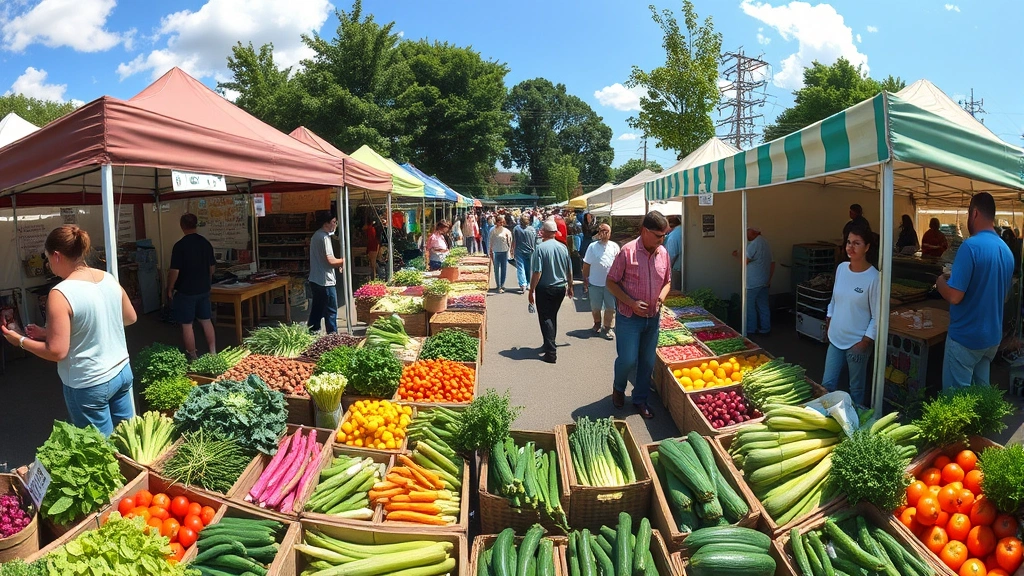
Market foot traffic varies significantly based on weather conditions, competing events, and promotional activities. Vendors report that attendance fluctuates between 500 to 2,000+ visitors on peak days, creating substantial revenue opportunities during optimal conditions. Understanding traffic patterns allows vendors to adjust staffing, inventory levels, and promotional efforts accordingly.
Vendor Demographics and Business Models
The Bentonville Farmers Market hosts diverse vendor types, each operating under different business structures and scale. Small-scale farmers operating family farms constitute the traditional backbone of the market, typically generating 10-30% of their annual revenue from farmers market sales. These producers often view the farmers market as a direct-to-consumer channel that supplements wholesale operations.
Value-added product vendors—producing jams, baked goods, prepared foods, and artisanal crafts—represent a growing segment. These entrepreneurs often operate farmers markets as their primary or exclusive sales channel, making market performance critical to their overall business viability. Their products typically command higher profit margins (40-60%) compared to raw agricultural commodities (15-25%).
Specialty and niche producers focus on organic certification, heirloom varieties, grass-fed livestock products, or ethnic specialty items. These vendors attract premium-paying customers and often develop loyal followings willing to pay 20-40% price premiums for certified or differentiated products. Understanding your position within this vendor spectrum is essential for developing appropriate marketing strategy for small businesses.
Vendors also differ in their operational sophistication. Some operate informally with minimal record-keeping, while others maintain comprehensive accounting systems, implement professional branding, and utilize digital tools for customer relationship management. This spectrum of professionalism directly correlates with business growth and sustainability outcomes.
Revenue Streams and Pricing Strategies
Bentonville Farmers Market vendors generate revenue through multiple streams, with direct produce and product sales representing the primary income source. However, successful vendors develop supplementary revenue channels including wholesale accounts, online ordering, delivery services, and value-added product lines that increase average transaction values.
Pricing strategy significantly impacts vendor profitability and market positioning. Research indicates that farmers market customers expect prices 10-30% higher than supermarket equivalents, justified by freshness, quality, and local sourcing narratives. Vendors must balance profit margin optimization with price competitiveness, particularly when multiple vendors offer similar products.
Dynamic pricing strategies, where prices adjust based on supply abundance, seasonal timing, and product quality, have become increasingly common. During peak harvest periods, vendors may reduce prices to move inventory quickly, while specialty items command premium pricing throughout their availability window. This flexibility requires real-time decision-making and understanding of demand elasticity.
Bundle pricing and promotional tactics drive higher average transaction values. Vendors offering “buy 3 get 1 free” promotions on complementary products, or creating curated bundles (salad kits, soup starter packs), increase customer spending by 15-25%. These strategies require careful inventory management to ensure profitability while enhancing perceived value.
Subscription or pre-order models have emerged as important revenue stabilizers. Vendors who develop customer lists and offer weekly CSA-style boxes, standing orders, or pre-ordered specialty items create predictable revenue streams and reduce inventory risk. These models also deepen customer relationships and improve lifetime value metrics.
Seasonal Considerations and Inventory Management
Seasonal production cycles fundamentally shape vendor operations at the Bentonville Farmers Market. Spring markets feature early greens, asparagus, and seedlings. Summer brings peak variety with berries, vegetables, and stone fruits. Fall transitions to root vegetables, squash, and preservation-focused products. Winter markets, where they operate, emphasize stored crops, value-added goods, and non-perishable specialty items.
Inventory management directly impacts profitability and product quality. Overestimating demand leads to waste and spoilage, while underestimating results in missed sales and disappointed customers. Experienced vendors track historical sales data, monitor weather patterns affecting production, and maintain relationships with neighboring vendors to facilitate last-minute supply adjustments.
Crop rotation and diversification strategies help vendors maintain consistent market presence throughout seasons. Farmers who grow both early-season and late-season varieties extend their operational calendar. Producers who add complementary products (honey alongside produce, or prepared foods alongside raw ingredients) maintain revenue during low-production periods.
Post-harvest handling and storage significantly impact product quality and shelf life at market. Vendors investing in proper cooling, humidity control, and display techniques reduce spoilage rates by 20-30% compared to basic handling. These operational investments directly translate to improved margins and customer satisfaction.
Marketing and Customer Acquisition Tactics
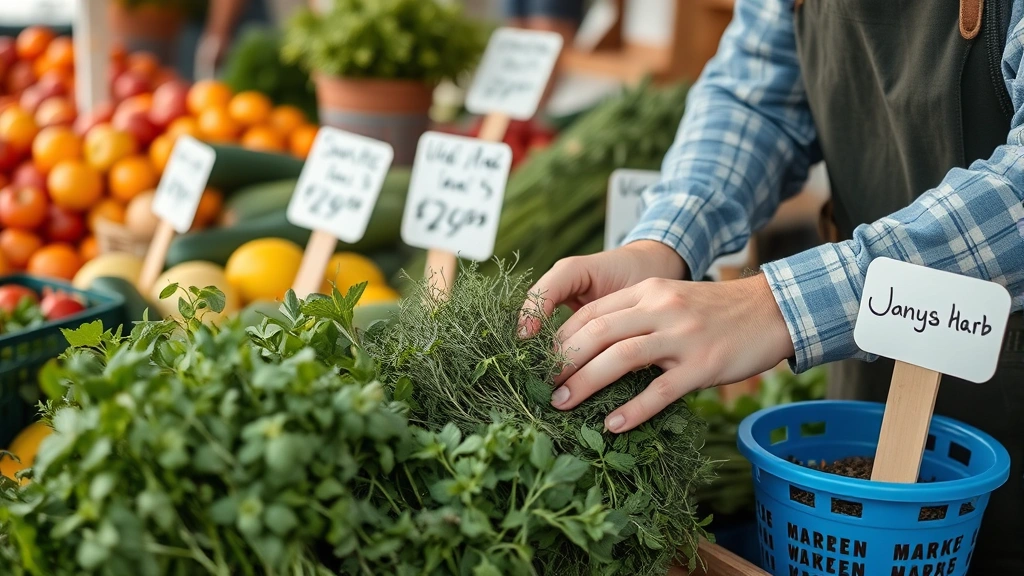
Effective marketing separates successful vendors from struggling ones in the competitive farmers market environment. Signage, product displays, and merchandising directly influence purchasing decisions. Vendors using clear pricing signage, attractive product arrangement, and storytelling displays (origin maps, farming practice descriptions, recipe cards) increase conversion rates by 25-40%.
Personal engagement and customer service excellence drive loyalty and repeat purchases. Vendors who actively engage customers, provide samples, answer questions about product origins and preparation methods, and remember regular customers by name develop stronger relationships than those operating passively behind their stands.
Social media marketing has become essential for farmers market vendors. Platforms like Instagram and Facebook allow vendors to showcase products, announce seasonal availability, share farming stories, and build community. Vendors with active social presence report 30-50% higher customer acquisition rates and stronger weekend attendance from followers.
Email marketing and customer databases enable direct communication about new products, seasonal specials, and supply availability. Vendors collecting customer contact information through contests, loyalty programs, or newsletter signups maintain ongoing engagement that drives repeat visits. This direct channel proves particularly valuable for promoting value-added products and pre-orders.
Implementing digital marketing trends 2025 strategies helps vendors remain competitive. QR codes linking to product information, online ordering, and payment systems streamline transactions and capture customer data. Vendors offering mobile payment options increase transaction ease and attract tech-savvy customers.
Collaboration with other vendors creates cross-promotional opportunities. Bundling products from complementary vendors (produce with cheese, vegetables with prepared foods) introduces customers to neighboring vendors while increasing basket size. These strategic partnerships strengthen the overall market ecosystem.
Building Brand Loyalty at Farmers Markets
Brand loyalty represents a critical competitive advantage for farmers market vendors, particularly those competing against established supermarket alternatives. Consistent product quality, reliable availability, and authentic storytelling create emotional connections that transcend price considerations.
Farmers who communicate their farming practices—sustainable methods, organic certification, family heritage, or innovative techniques—develop deeper customer connections. Customers increasingly seek not just products but stories and values alignment. Vendors effectively communicating their farming philosophy and commitment to quality command price premiums and attract loyal followers.
Loyalty programs and frequent buyer rewards strengthen customer retention. Simple punch cards offering free products after 10 purchases, or tiered rewards based on spending levels, increase repeat visit frequency by 40-60%. Digital loyalty programs using apps or email integration provide superior data tracking and personalized offers.
Consistent market presence builds brand recognition and customer expectations. Vendors who maintain regular booth locations, consistent operating hours, and predictable product assortments develop stronger reputations than those operating sporadically. Customers plan shopping trips around vendors they trust and know.
Community involvement beyond market operations—sponsoring local events, participating in school fundraisers, or hosting farm visits—builds brand equity and demonstrates community commitment. These activities generate word-of-mouth marketing and strengthen emotional customer connections.
Technology Integration for Modern Vendors
Modern farmers market vendors increasingly leverage technology to enhance operations, expand reach, and improve customer experiences. Point-of-sale systems designed for outdoor markets streamline transactions, track inventory, and capture customer data simultaneously. Mobile payment systems accepting cards and digital wallets accommodate customer preferences and reduce cash handling risks.
Online ordering and pre-purchase systems allow customers to reserve products before market day, reducing inventory uncertainty and increasing purchase commitment. Platforms integrating with farmers market operations enable customers to browse vendor offerings, place orders, and arrange pickup or delivery seamlessly.
Social media management tools help vendors maintain consistent online presence without excessive time investment. Scheduling posts, analyzing engagement metrics, and identifying peak activity times optimize marketing effectiveness. Vendors using social media analytics report better inventory planning and more targeted promotional efforts.
Customer relationship management systems, even simple spreadsheet-based approaches, track customer preferences, purchase history, and communication preferences. This data enables personalized marketing, targeted promotions, and improved customer service that strengthens loyalty and increases lifetime value.
Delivery and logistics platforms have expanded farmers market vendors’ reach beyond physical market locations. Vendors offering delivery services to nearby neighborhoods or partnering with local delivery services reach homebound customers and expand addressable market. This channel diversification reduces dependence on weekly market attendance.
Challenges and Solutions
Weather variability presents significant operational challenges for farmers market vendors. Unexpected frosts, droughts, or excessive rainfall reduce yields and disrupt supply planning. Vendors addressing this challenge develop contingency plans, maintain relationships with neighboring producers for supply gaps, and communicate transparently with customers about seasonal limitations.
Competition from both other farmers market vendors and traditional retail channels requires constant differentiation. Vendors succeed by emphasizing unique value propositions—specialty varieties, superior quality, sustainable practices, or premium positioning—rather than competing solely on price.
Regulatory compliance and certification requirements, particularly for value-added products, create operational complexity. Vendors must navigate food safety regulations, labeling requirements, and liability considerations. Successful vendors invest in proper licensing, insurance, and compliance infrastructure that protects their businesses while building customer confidence.
Labor constraints challenge vendors, particularly during peak seasons. Family farms often rely on household members, but growth beyond this capacity requires hiring and managing employees. Vendors developing strong operational systems, training protocols, and competitive compensation attract reliable staff that enables business scaling.
Market saturation in some categories requires vendors to differentiate or specialize. When multiple vendors offer similar products, success depends on superior quality, unique varieties, exceptional customer service, or premium positioning. Vendors who recognize saturation early and pivot toward underserved niches or value-added products maintain stronger margins.
Understanding broader markets near me dynamics and competitive positioning helps vendors anticipate challenges and identify opportunities. Monitoring competitor activities, tracking customer trends, and staying informed about market developments enables proactive strategy adjustments.
Developing a comprehensive marketing plan addresses many operational challenges systematically. Vendors with documented strategies for customer acquisition, retention, seasonal promotion, and product positioning execute more effectively than those operating reactively.
FAQ
What are typical profit margins for farmers market vendors?
Profit margins vary significantly by product category. Raw agricultural products typically generate 15-25% margins, while value-added products (jams, baked goods, prepared foods) achieve 40-60% margins. Premium or specialty items command higher margins (30-50%) due to differentiation. Vendor profitability depends on production costs, pricing strategy, and operational efficiency.
How much does it cost to operate a booth at Bentonville Farmers Market?
Booth fees typically range from $25-75 per market day, depending on booth size and location. Some markets offer seasonal passes providing discounts for vendors committing to multiple weeks. Additional costs include permits, liability insurance, and product transportation. Total operational costs should be analyzed when evaluating market viability.
What types of products sell best at farmers markets?
Seasonal produce, specialty vegetables, berries, and prepared foods consistently perform well. Value-added products like jams, sauces, and baked goods attract premium customers. Organic and certified products command price premiums. Products addressing dietary preferences (gluten-free, vegan, organic) appeal to growing customer segments. Observing vendor success patterns and customer preferences informs product selection.
How can vendors increase average transaction value?
Bundle pricing, complementary product offerings, and strategic upselling increase transaction size. Vendors offering variety within their category (multiple produce items, various preserved products) encourage larger purchases. Loyalty programs and promotional offers drive higher spending. Training staff to make recommendations and suggest complementary products also boosts average transactions.
What technology tools benefit farmers market vendors most?
Mobile point-of-sale systems, online ordering platforms, and social media management tools provide significant operational benefits. Customer relationship management systems track preferences and enable targeted marketing. Mobile payment acceptance accommodates modern customer expectations. Email marketing platforms maintain customer engagement between market days.
How do vendors handle off-season revenue challenges?
Value-added product lines extend seasonal revenue through preservation and processing. Winter markets and indoor venues maintain year-round presence. Wholesale channels and institutional sales (restaurants, schools, corporate cafeterias) diversify revenue. Subscription boxes and pre-order systems create predictable off-season income. Some vendors develop complementary products or services unrelated to seasonal production.
What strategies build strongest customer loyalty?
Consistent product quality and reliable availability form the foundation. Authentic storytelling about farming practices and product origins creates emotional connections. Loyalty programs and personalized customer recognition strengthen relationships. Active engagement, friendly service, and genuine customer interest build lasting bonds. Community involvement beyond market operations demonstrates values alignment.


