Puyallup Farmers Market: Local Vendor Insights & Commerce Opportunities
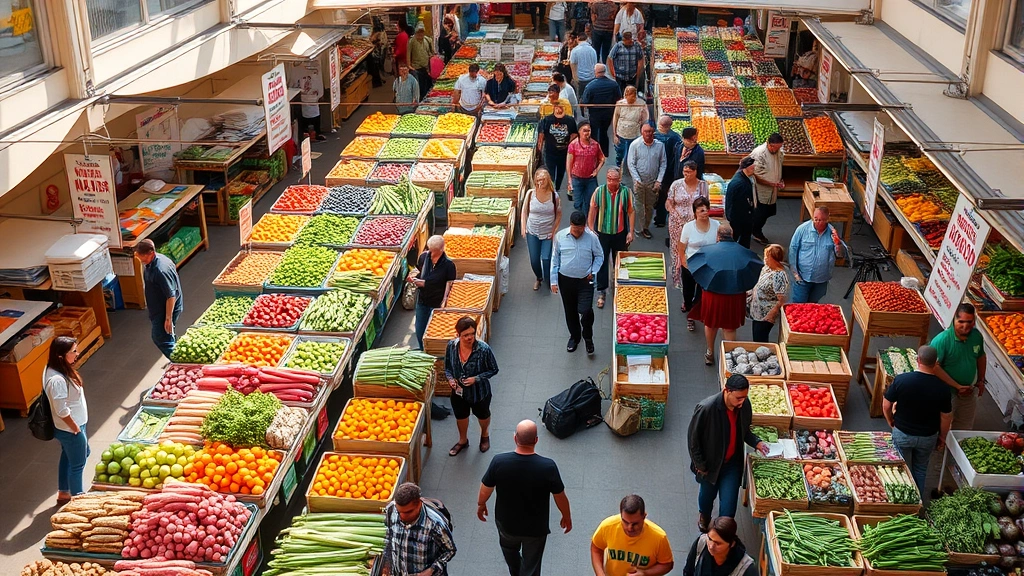
The Puyallup Farmers Market stands as a vital hub for local agriculture, artisan goods, and community commerce in Washington’s Pierce County region. Operating seasonally, this market represents more than just a place to buy fresh produce—it’s a dynamic ecosystem where small-scale vendors, farmers, and entrepreneurs test products, build customer relationships, and generate meaningful revenue streams. Understanding the market dynamics at Puyallup offers valuable insights into how local commerce thrives and what strategies vendors employ to succeed in competitive farmers market environments.
For vendors considering participation or consumers seeking authentic local goods, the Puyallup Farmers Market exemplifies the modern shift toward direct-to-consumer sales channels. This shift reflects broader digital marketing trends reshaping how small businesses connect with customers, even when operating in physical spaces. The market’s success depends on vendor expertise, consistent quality, effective communication, and understanding customer preferences—elements that apply equally to online and offline commerce.
Overview of Puyallup Farmers Market
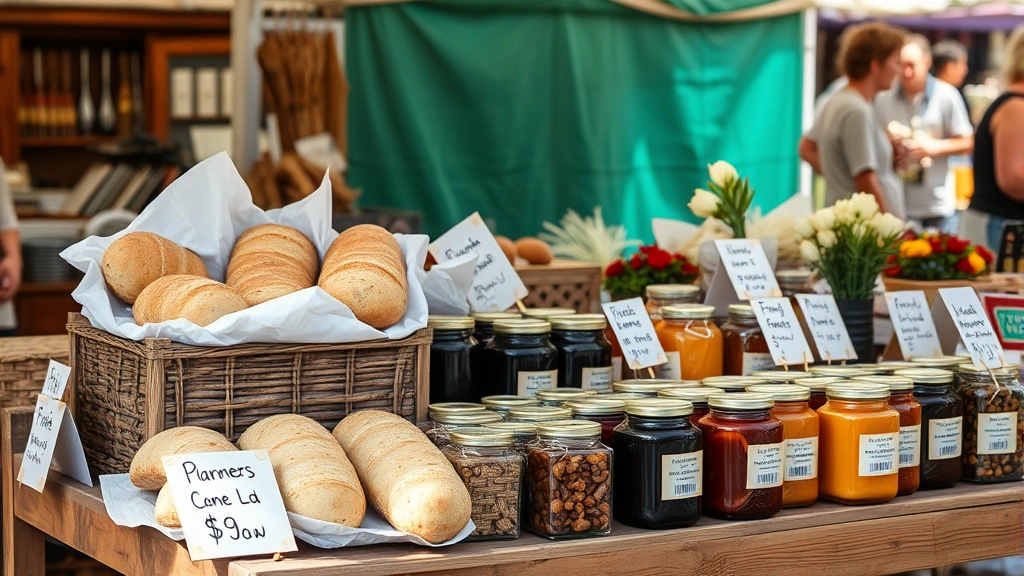
The Puyallup Farmers Market operates as a seasonal marketplace, typically running from late spring through early fall, though specific dates vary by year. Located in Pierce County, Washington, the market attracts thousands of visitors weekly during peak season, creating a concentrated customer base for local vendors. The market’s reputation for quality and authenticity makes it one of the region’s premier destinations for locally-sourced products.
Market logistics matter significantly for vendor success. The market typically operates on specific days and times, with vendor booth allocations ranging from small 10-by-10-foot spaces to larger premium locations. Setup costs, booth fees, and operational requirements vary, but vendors generally report that the foot traffic and customer demographics justify the investment. The market’s location in Puyallup—a growing suburban community of approximately 41,000 residents—provides access to both local shoppers and visitors from surrounding communities.
Understanding the broader context of farmers markets near you helps vendors appreciate how Puyallup compares regionally. The market competes with other regional farmers markets while maintaining distinct advantages through its established reputation, consistent vendor base, and community engagement programs.
Vendor Types and Product Categories
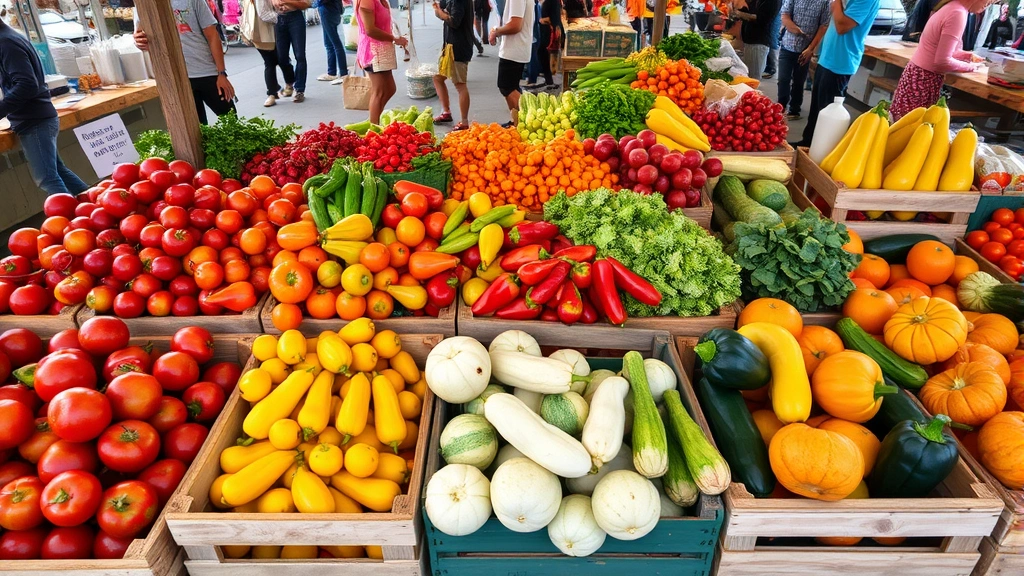
Puyallup Farmers Market vendors represent diverse business models and product categories. Fresh produce vendors—selling seasonal vegetables, fruits, and herbs—form the market’s foundation. These vendors typically operate small farms or source from regional agricultural producers. Success in produce requires consistent quality, variety throughout the season, and responsive pricing based on seasonal availability and market conditions.
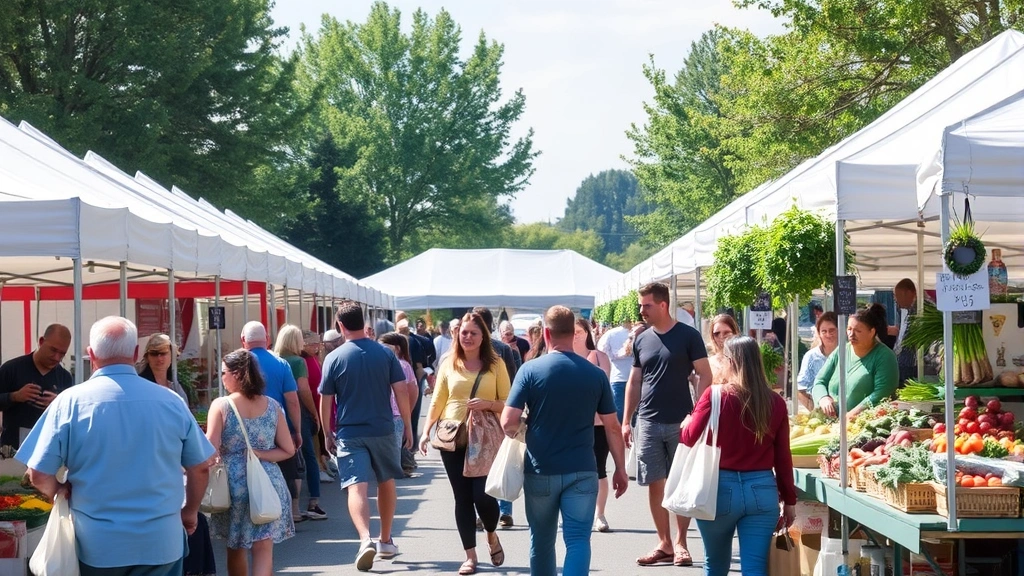
Artisan and value-added product vendors represent another major category. These include bakeries, honey producers, preserves makers, cheese producers, and prepared food vendors. Value-added products typically command higher profit margins than raw agricultural goods, though they require additional licensing, food safety certifications, and production infrastructure. Many successful vendors combine fresh products with value-added items—for example, a farm selling berries alongside jams and baked goods made from those berries.
Specialty vendors include crafters, prepared meal providers, beverage producers, and niche agricultural products. Some vendors focus on organic certification, non-GMO verification, or heritage variety preservation. Others emphasize local sourcing, sustainable practices, or unique cultural food traditions. This diversity allows the market to serve varied customer preferences and price points.
Developing effective marketing strategy for small businesses becomes essential when competing across these varied categories. Vendors must clearly communicate their unique value propositions, whether through product quality, authenticity, sustainability, or customer experience.
Revenue Potential and Sales Strategies
Revenue potential at Puyallup Farmers Market varies significantly based on product category, vendor experience, location within the market, and seasonal factors. Research from the USDA’s farmers market program indicates that successful produce vendors can generate $2,000-$5,000 weekly during peak season, while value-added product vendors often report higher per-unit margins with more variable volume.
Successful vendors employ multiple revenue optimization strategies. Price positioning requires understanding local market rates while maintaining perceived value. Premium pricing works when vendors effectively communicate quality differentiators—organic certification, heritage varieties, sustainable practices, or superior taste. Volume strategies emphasize competitive pricing and high-turnover products to maximize total sales. Many vendors employ hybrid approaches, using competitively-priced staple items to attract customers while promoting higher-margin specialty products.
Customer relationship development directly impacts revenue sustainability. Vendors who remember regular customers, offer loyalty incentives, or build email lists for pre-orders create repeat purchase patterns. Some vendors offer market-exclusive products or limited quantities to create urgency and exclusivity. Pre-orders, particularly for popular items with variable supply, help vendors optimize production while guaranteeing sales.
Payment processing and transaction efficiency matter more than many vendors initially recognize. Markets accepting multiple payment methods—cash, cards, mobile payments—reduce friction and increase transaction volume. Digital tools for inventory tracking, customer data collection, and sales analysis help vendors identify top products, optimal pricing, and customer preferences.
Marketing and Customer Engagement
Marketing effectiveness determines whether vendors maximize their farmers market investment. Social media presence—particularly Instagram and Facebook—allows vendors to showcase products, share behind-the-scenes content, and build community before market day. Successful vendors post regularly, share recipes featuring their products, provide market location updates, and engage with followers’ comments and questions.
Understanding why marketing is important for business helps farmers market vendors appreciate that visibility extends far beyond their physical booth. A vendor with strong social media presence attracts customers who specifically seek them out, increasing sales and customer loyalty.
Email marketing remains underutilized but highly effective for farmers market vendors. Building an email list—through booth sign-ups, website subscriptions, or loyalty programs—creates direct communication channels for announcing new products, market dates, pre-order opportunities, and special promotions. Email recipients typically show higher purchase intent and lifetime value than casual market visitors.
In-booth marketing tactics significantly impact sales. Attractive booth displays, clear signage with product descriptions and prices, sampling programs, and friendly vendor engagement convert browsers into buyers. Strategic product placement—high-margin items at eye level, seasonal favorites in prominent positions—influences purchasing decisions. Vendors who educate customers about product origins, preparation methods, or unique qualities create emotional connections that justify premium pricing.
Community partnerships and local media coverage amplify reach. Vendors featured in local publications, highlighted by market promoters, or partnered with local restaurants or retailers gain credibility and visibility. Some vendors develop wholesale relationships with local restaurants or retailers, creating revenue streams beyond farmers market sales.
Operational Challenges Vendors Face
Weather represents a primary operational challenge for Puyallup Farmers Market vendors. Pacific Northwest weather—rain, occasional cold snaps, extreme heat—impacts product quality, vendor comfort, and customer attendance. Vendors invest in weather protection (tents, tarps, heaters) and develop contingency plans for adverse conditions. Weather-related crop failures or transportation issues create supply uncertainty that vendors must communicate clearly to customers.
Seasonality creates significant business planning challenges. Most vendors operate profitably for only 4-6 months, requiring them to either diversify income sources or manage cash flow carefully across the full year. Some vendors transition to farmers market operations in other regions during off-season, develop wholesale relationships, or create packaged products for year-round sales. Others use off-season time for farm improvements, product development, or skill-building.
Supply chain consistency remains challenging for produce vendors. Crop yields vary based on weather, pest pressure, and disease. Vendors must balance customer expectations for consistent product availability with agricultural realities. Communication becomes critical—explaining why certain products are unavailable, offering alternatives, and managing customer disappointment.
Competition intensity varies by product category. Produce categories attract many vendors, creating price pressure and visibility challenges. Specialized or value-added product categories face less direct competition but require more sophisticated marketing to educate customers. Vendors must continuously evaluate their competitive position and differentiation strategies.
Regulatory compliance creates operational burden. Food safety certifications, business licenses, permits, and tax reporting requirements vary by product category and jurisdiction. Vendors selling prepared foods face more stringent requirements than those selling raw agricultural products. Understanding and maintaining compliance prevents legal issues and customer safety concerns.
Seasonal Trends and Planning
Understanding seasonal patterns enables effective business planning. Spring season (May-June) features early vegetables, greens, berries, and prepared foods. Customer attendance builds as weather improves and seasonal produce becomes available. Summer season (July-August) peaks with maximum product variety, highest customer traffic, and most competitive pricing. Fall season (September-October) sees declining attendance but high-quality produce including apples, squash, and root vegetables. Some markets extend into winter with stored crops and value-added products.
Successful vendors plan production and inventory around these seasonal patterns. Spring operations emphasize early-season products and attract budget-conscious customers seeking fresh alternatives to grocery store produce. Summer requires maximum production and staff to handle volume, with pricing reflecting abundant supply. Fall focuses on premium products and customers willing to pay for quality. Off-season planning includes crop planning, equipment maintenance, and product development.
Customer behavior shifts seasonally. Summer brings casual market visitors and tourists, requiring broad appeal and impulse-purchase products. Fall and spring attract core customers with specific preferences and budget consciousness. Understanding these patterns helps vendors allocate marketing resources and adjust product mix strategically.
Community Impact and Local Economy
The Puyallup Farmers Market generates significant economic impact beyond individual vendor sales. The market supports agricultural producers, artisan manufacturers, and small business operators who might struggle to reach customers through traditional retail channels. Market operations create employment—not just for farmers and producers, but for market staff, security, and support services.
Community benefits extend beyond economics. Markets strengthen local food systems, reduce food miles, and increase access to fresh, nutritious products. They build community connections, support local culture, and create gathering spaces that enhance quality of life. Research from the USDA on farmers market benefits demonstrates that markets increase fruit and vegetable consumption, particularly in underserved communities.
The market supports broader economic development. Increased foot traffic benefits neighboring businesses. Vendor success stories attract new entrepreneurs and investors to the region. Market reputation enhances community identity and attracts residents and visitors. For cities like Puyallup, farmers markets represent important quality-of-life amenities that support broader economic development goals.
Exploring broader market rise hub blog content reveals how local market success connects to regional economic health and consumer behavior trends. The Puyallup Farmers Market exemplifies how community commerce drives local prosperity.
FAQ
What are the typical booth fees at Puyallup Farmers Market?
Booth fees vary based on booth size and market location. Standard 10-by-10-foot booths typically cost $25-$50 per market day, though premium locations may command higher fees. Some markets offer seasonal passes with discounted per-day rates for committed vendors. Fees cover market operations, promotion, and infrastructure.
What licenses and permits do vendors need?
Requirements depend on product categories. Produce vendors selling unprocessed agricultural products typically need only business licenses and market permits. Vendors selling prepared foods, value-added products, or processed goods require food service permits, health department approval, and potentially commercial kitchen certification. Vendors should contact Pierce County health department for specific requirements.
How can new vendors get started at Puyallup Farmers Market?
New vendors typically apply through the market’s official application process, usually opening in early spring for the upcoming season. Applications require product descriptions, pricing information, and often references from existing vendors or customers. Markets prioritize product diversity, quality consistency, and vendor reliability. First-time vendors should start with a single booth and build their customer base gradually.
What’s the best way to build customer loyalty at farmers markets?
Consistent presence, quality products, friendly service, and community engagement build loyalty. Vendors should remember regular customers, offer loyalty incentives, share product stories, and engage on social media. Building email lists, offering pre-orders, and creating exclusive products for loyal customers strengthen relationships and increase lifetime value.
How do vendors manage inventory and prevent waste?
Successful vendors use sales history to forecast demand, adjust production accordingly, and develop value-added products from surplus items. Some offer discounts on excess inventory near market end. Building strong customer relationships increases predictability. Digital tools help track sales patterns and optimize future planning.
Can farmers market vendors succeed year-round?
Most farmers market vendors operate seasonally, but success requires year-round planning. Some develop wholesale relationships, create packaged products for off-season sales, or operate in multiple markets across regions. Others focus on value-added products suitable for year-round production. Diversified income streams help vendors maintain stability across seasonal fluctuations.