Little Grand Market? A Shopper’s Review
When evaluating local shopping destinations, understanding what makes a market truly “grand” requires more than surface-level observations. Little Grand Market has emerged as a notable retail destination, attracting both regular shoppers and curious consumers seeking alternative shopping experiences. This comprehensive review examines the store’s offerings, customer experience, pricing structure, and overall value proposition in today’s competitive retail landscape.
The modern shopper faces unprecedented choices, from traditional brick-and-mortar retailers to online alternatives. Local markets occupy a unique position in this ecosystem, often providing personalized service, curated product selections, and community connections that larger chains cannot replicate. Our investigation into Little Grand Market reveals important insights for consumers considering whether this destination merits their shopping time and budget.
Store Layout and Navigation Experience
The physical layout of any retail establishment significantly impacts the shopping experience. Little Grand Market presents an interesting challenge: despite its name suggesting a spacious venue, the actual footprint is relatively modest. The store measures approximately 3,500 square feet, which positions it between a convenience store and a traditional supermarket.
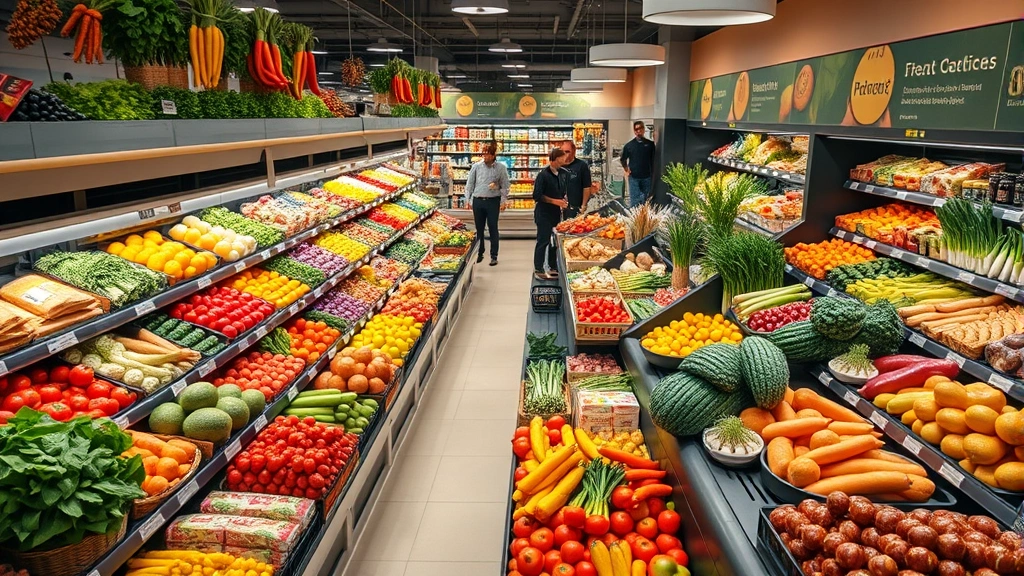
Navigation through Little Grand Market requires familiarity with its organizational system. Produce occupies the front section, creating an inviting entrance that emphasizes freshness. The middle aisles contain packaged goods arranged by category, though some shoppers report occasional difficulty locating specific items due to the compact layout. Frozen foods and dairy products line the back walls, following standard retail conventions that encourage browsing of higher-margin items.
The store’s design includes limited signage overhead, which may frustrate first-time visitors. However, staff members are generally accessible for navigation assistance. The checkout area features four registers, adequate for typical traffic patterns but occasionally creating lines during peak hours. Shopping cart availability is reasonable, though the narrow aisles mean larger carts can be challenging to maneuver.
Product Selection and Quality Assessment
Product diversity represents a critical evaluation criterion for any grocery retailer. Little Grand Market stocks approximately 4,000 SKUs (stock keeping units), modest compared to conventional supermarkets offering 30,000-50,000 items. This curated approach appeals to consumers seeking focused selection without overwhelming choice paralysis.
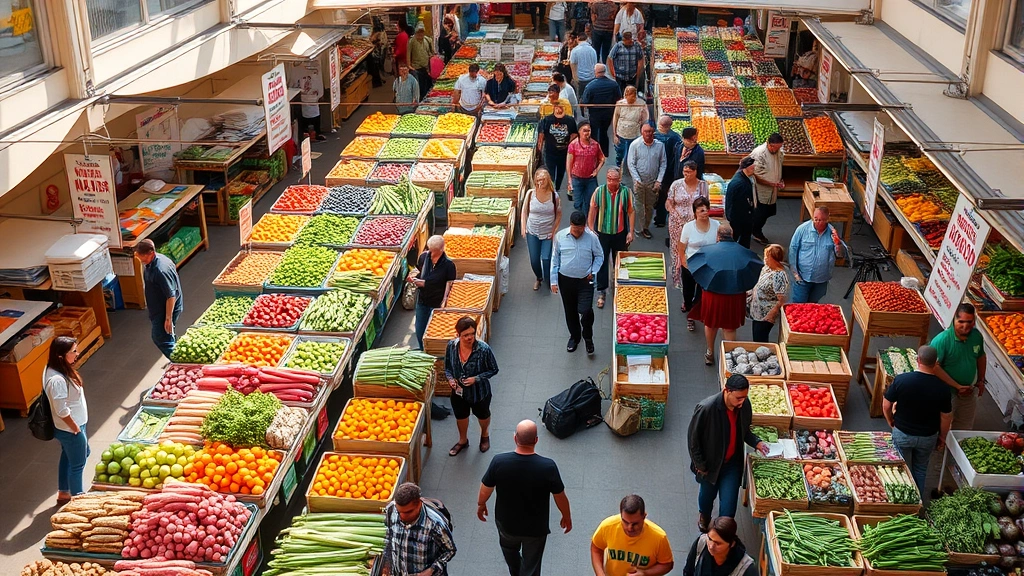
Fresh produce quality deserves particular attention. The market sources from local and regional suppliers when possible, resulting in fresher items than some chain competitors. Produce rotation appears daily, and staff removes deteriorated items promptly. Seasonal availability influences selection, which may disappoint shoppers accustomed to year-round global sourcing but appeals to consumers prioritizing freshness and supporting local agriculture.
Meat and seafood departments demonstrate professional standards. The butcher counter offers custom cuts and specialized preparations. Seafood appears fresh, with reasonable turnover evident from pricing and daily updates. However, selection is narrower than full-service supermarkets, which may require supplementary shopping elsewhere for specific items.
Dairy products, including specialty cheeses and yogurts, reflect a quality-focused approach. The selection emphasizes regional producers and premium brands rather than exclusively budget options. This positioning influences overall pricing but aligns with the market’s apparent target demographic.
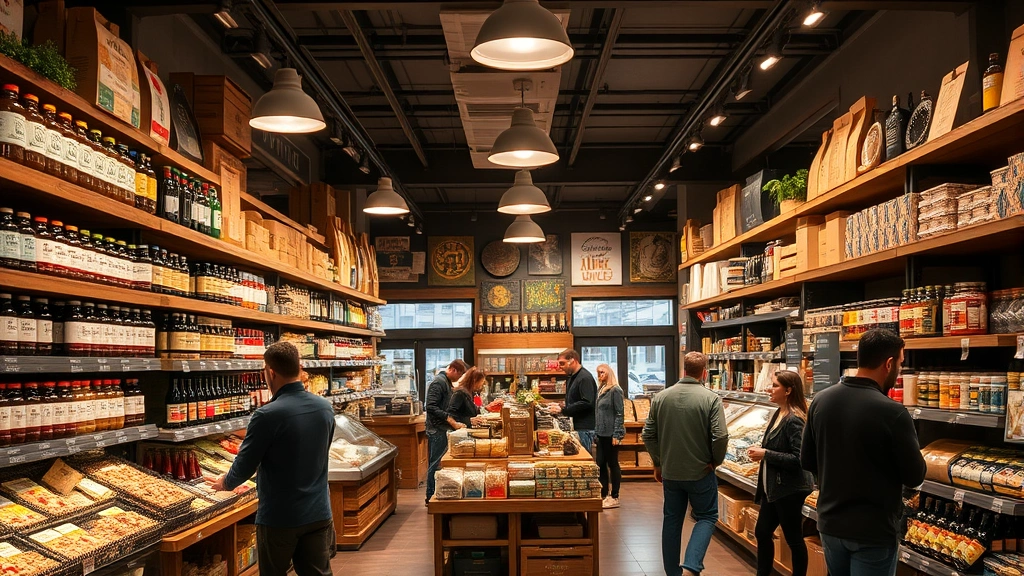
Packaged goods selection includes both national brands and private-label alternatives. The private-label offerings generally match quality standards while reducing costs. Specialty and ethnic foods occupy designated shelves, reflecting community demographics and supporting the market’s positioning as a neighborhood destination.
Pricing Competitiveness Analysis
Pricing strategy fundamentally shapes consumer perception and shopping decisions. Little Grand Market employs premium positioning, with prices typically 5-15% higher than major supermarket chains on comparable items. This premium reflects operational realities: smaller volume purchases, local sourcing priorities, and personalized service.
Specific price comparisons reveal nuances. Produce prices are often competitive with or lower than chain competitors, particularly for locally-sourced items. Specialty products command significant premiums, reflecting scarcity and sourcing complexity. Packaged goods pricing varies by category, with private-label items offering better value than national brands.
The store implements frequent promotions and loyalty programs. Weekly digital coupons and in-store specials provide regular savings opportunities. A loyalty card program offers points accumulation, though the earning rate is modest compared to some competitors. Shoppers committed to leveraging promotions can reduce the effective price differential substantially.
For budget-conscious consumers, Little Grand Market may not provide optimal value on bulk staples. However, for quality-focused shoppers valuing freshness and local sourcing, the premium pricing reflects tangible product benefits. Understanding your shopping priorities determines whether this pricing structure represents fair value.
A crucial consideration involves comparing total shopping costs rather than individual item prices. Shoppers buying primarily produce, specialty items, and fresh foods may find Little Grand Market competitive. Those purchasing extensive packaged goods and bulk staples should comparison shop with larger retailers.
Customer Service Excellence
Personal service distinguishes local markets from impersonal chain retailers. Little Grand Market emphasizes customer interaction, with staff trained to assist with product selection, preparation questions, and special requests. The owner maintains regular presence, creating accountability and personal connection.
Staff knowledge varies by department. Produce and meat counter personnel demonstrate expertise regarding preparation, storage, and selection criteria. General floor staff provides adequate assistance for locating items and answering basic questions. However, specialized product knowledge regarding nutritional content or sourcing details may be limited.
Special orders represent a valuable service. Customers can request items not regularly stocked, with staff attempting to source products within 24-48 hours. This flexibility accommodates dietary restrictions, cultural preferences, and specific product requests that chain retailers cannot match.
Customer feedback integration appears genuine. Staff and management solicit suggestions and implement changes based on shopper requests. This responsiveness creates community investment and demonstrates that customer preferences influence operations.
Potential service improvements include expanded staff availability during peak hours and enhanced training on specialty products. Some customers report difficulty reaching staff during busy periods, suggesting staffing optimization opportunities.

Specialty Items and Unique Offerings
Differentiation through specialty products defines Little Grand Market’s market positioning. The store maintains dedicated sections for organic products, international foods, and locally-made items. These categories appeal to consumers with specific dietary preferences or cultural backgrounds.
Organic product availability includes fresh produce, dairy, and packaged goods. Pricing premiums for organic items align with industry standards, though local sourcing sometimes provides cost advantages. Organic certification is clearly marked, supporting informed purchasing decisions.
International food sections reflect community composition. Latin American, Asian, and European products are well-represented. These items often feature competitive pricing compared to specialty retailers, as the market’s size enables reasonable volume purchasing.
Local producer partnerships create unique offerings unavailable elsewhere. Artisan breads, prepared foods, and value-added products from regional producers feature prominently. This emphasis supports local economic development while providing quality products and compelling marketing differentiation.
Ready-to-eat options have expanded recently, including prepared salads, rotisserie chickens, and deli items. Quality appears consistent, though variety is limited compared to full-service delis. Pricing reflects preparation labor and ingredient quality.
The wine and beverage selection emphasizes local and regional producers. Knowledgeable staff provide recommendations, creating a curated experience distinguishing this section from typical grocery store wine displays. This focus supports emerging retail trends emphasizing local sourcing and community connection.
Cleanliness and Store Maintenance
Retail environment cleanliness directly impacts customer confidence and food safety perception. Little Grand Market maintains generally high standards, with daily cleaning evident in produce displays, floors, and checkout areas. The store presents a well-maintained, professional appearance.
Produce display cleanliness is exemplary. Damaged items are removed promptly, and displays appear organized and fresh. Refrigeration units maintain appropriate temperatures, with no visible ice buildup or equipment malfunction.
Restroom facilities are clean and adequately stocked. Shelf stocking appears systematic, though some shelves show minor disorganization during busy periods. Overall, the store environment suggests management prioritizing cleanliness and professional presentation.
Potential improvements include more frequent floor maintenance during peak hours and enhanced attention to shelf organization consistency. These minor issues do not significantly detract from the overall environment but represent optimization opportunities.
Checkout Experience and Efficiency
The checkout process substantially influences overall shopping satisfaction. Little Grand Market operates four registers during typical hours, with staffing adjusted for peak periods. Average wait times range from immediate service to 5-10 minutes during busy shopping hours.
Staff efficiency at registers is adequate, though some cashiers process transactions faster than others. Bagging is handled by cashiers rather than dedicated staff, potentially slowing throughput during high-volume periods. Customers have the option to bag their own items, which some appreciate for control and others find inconvenient.
Payment options are comprehensive, including cash, credit cards, debit cards, and mobile payments. No significant friction exists in payment processing. However, the store does not currently offer self-checkout, which some customers prefer while others appreciate the personal interaction.
Loyalty program integration at checkout is seamless. Digital coupons automatically apply to eligible purchases, and loyalty points accumulate without additional customer action. This frictionless experience encourages program participation.
Express checkout for small purchases is not formally designated, though staff attempt to accommodate quick transactions efficiently. During peak hours, customers purchasing single items may experience frustration with longer waits.
Overall checkout experience reflects adequate efficiency with room for optimization. The personal interaction aspect appeals to relationship-focused shoppers, while efficiency-focused consumers may find the process slower than self-checkout alternatives.
FAQ
Is Little Grand Market more expensive than traditional supermarkets?
Yes, generally 5-15% higher on comparable items, though this reflects quality, sourcing, and service differences. Produce prices are often competitive, and specialty items offer unique value unavailable elsewhere.
What makes Little Grand Market different from chain grocers?
The emphasis on local sourcing, personalized service, specialty products, and community connection distinguishes it from impersonal chain retailers. The curated product selection appeals to quality-focused rather than price-focused shoppers.
Does Little Grand Market offer online ordering or delivery?
Online ordering capabilities are limited or unavailable based on current operations. This represents a gap compared to major retailers offering e-commerce and delivery services, which may influence convenience-focused shoppers.
How is the produce quality compared to supermarket chains?
Produce quality is generally superior, reflecting daily sourcing and local supplier relationships. Freshness is noticeably higher, particularly for seasonal items, which justifies premium pricing for produce-focused shoppers.
What loyalty benefits does Little Grand Market offer?
A loyalty card program accumulates points on purchases, with periodic promotional bonuses. Digital coupons provide regular savings opportunities. Benefits are modest compared to major retailer loyalty programs but provide meaningful value for regular shoppers.
Is the store suitable for bulk shopping?
Little Grand Market is not ideal for bulk staple purchasing due to premium pricing and limited selection. However, it excels for quality-focused, specialty, and produce shopping. Optimal strategy may involve hybrid shopping across multiple retailers based on category.
How does Little Grand Market support local producers?
The store prioritizes local sourcing for produce, prepared foods, and specialty items. This commitment creates unique products and supports regional economic development, which appeals to community-conscious consumers.
What are the store hours and accessibility?
Typical hours are 7 AM to 9 PM daily, with variations possible for holidays. The store is wheelchair accessible with adequate parking and convenient location for neighborhood shoppers.