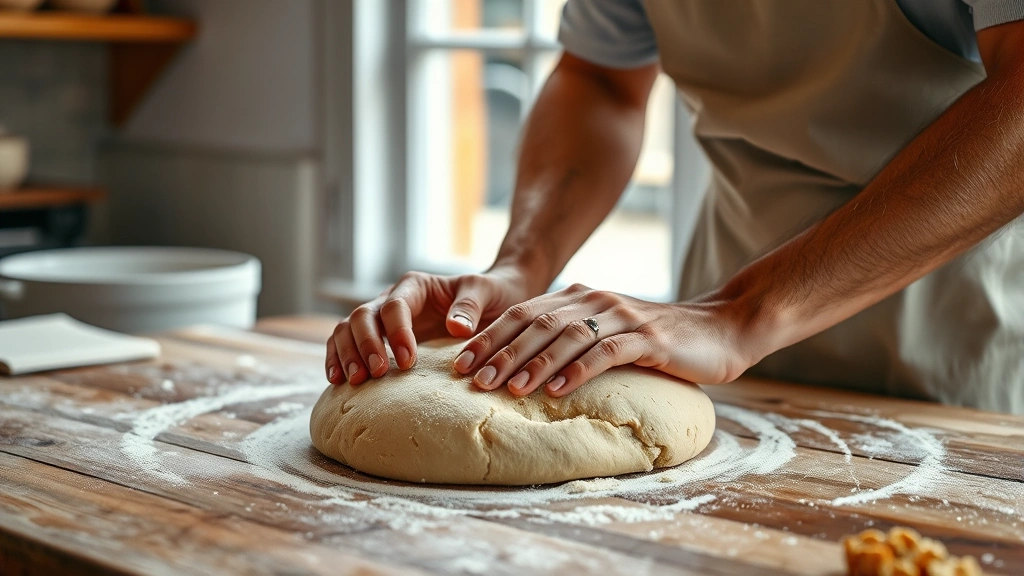
Fresh Market Bakery: Artisan Quality Guaranteed
In an era where mass-produced bread dominates supermarket shelves, fresh market bakeries represent a return to tradition, craftsmanship, and genuine quality. These establishments have become cornerstones of local communities, offering artisan baked goods that reflect generations of expertise and commitment to excellence. Unlike industrial bakeries that prioritize shelf life and distribution efficiency, fresh market bakeries focus on what truly matters: flavor, nutrition, and the authentic experience of breaking bread with your neighbors.
The resurgence of fresh market bakery operations reflects broader consumer trends toward authenticity and local commerce. Recent data from the American Bakers Association indicates that artisan bakeries have experienced 12-15% annual growth over the past five years, significantly outpacing conventional bakery segments. This growth underscores a fundamental shift in how consumers evaluate food quality, sustainability, and community connection. For entrepreneurs and established bakery operators, understanding the dynamics of fresh market bakeries is essential for capturing this expanding market opportunity.
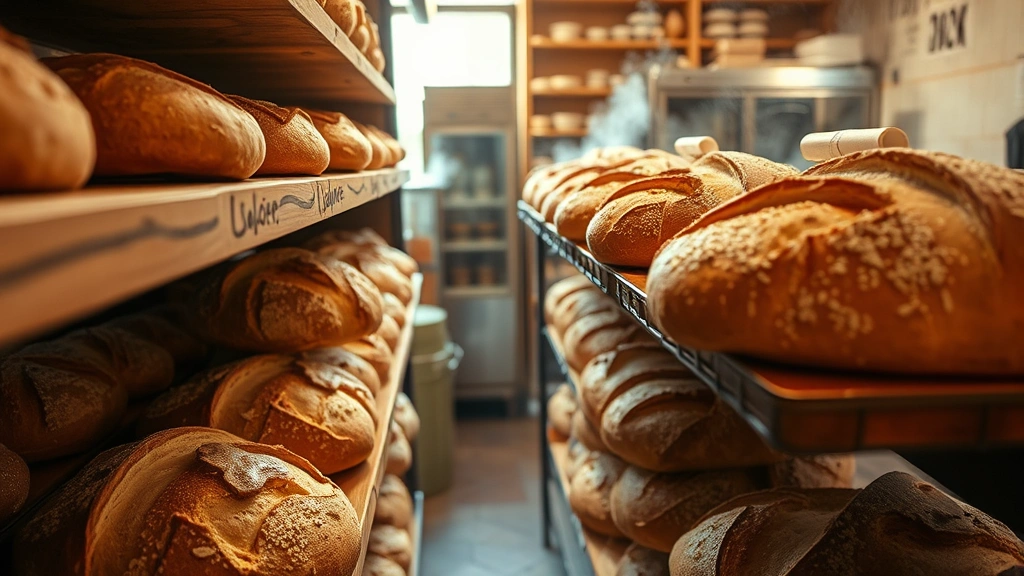
What Defines a Fresh Market Bakery
A fresh market bakery transcends the simple definition of a shop that sells bread. It represents a commitment to daily production, minimal additives, and direct consumer relationships. Unlike wholesale bakeries that supply multiple retail locations, fresh market bakeries typically operate from single locations where customers can observe production, ask questions, and build genuine connections with bakers who understand their preferences.
The defining characteristics include baking on-premises, sourcing ingredients from trusted suppliers, and maintaining strict freshness standards. Most fresh market bakeries produce goods daily, often starting before dawn to ensure products are available when doors open. This commitment to timeliness demonstrates respect for customer expectations and reflects the values that distinguish artisan operations from industrial competitors.
Consumer research from Mintel reveals that 73% of consumers actively seek locally-produced baked goods, with 58% willing to pay premium prices for verified artisan quality. This consumer sentiment creates substantial opportunity for bakeries that can authentically deliver on quality promises. By implementing the marketing strategy for small businesses tailored to artisan positioning, bakeries can effectively communicate their value proposition and build loyal customer bases.
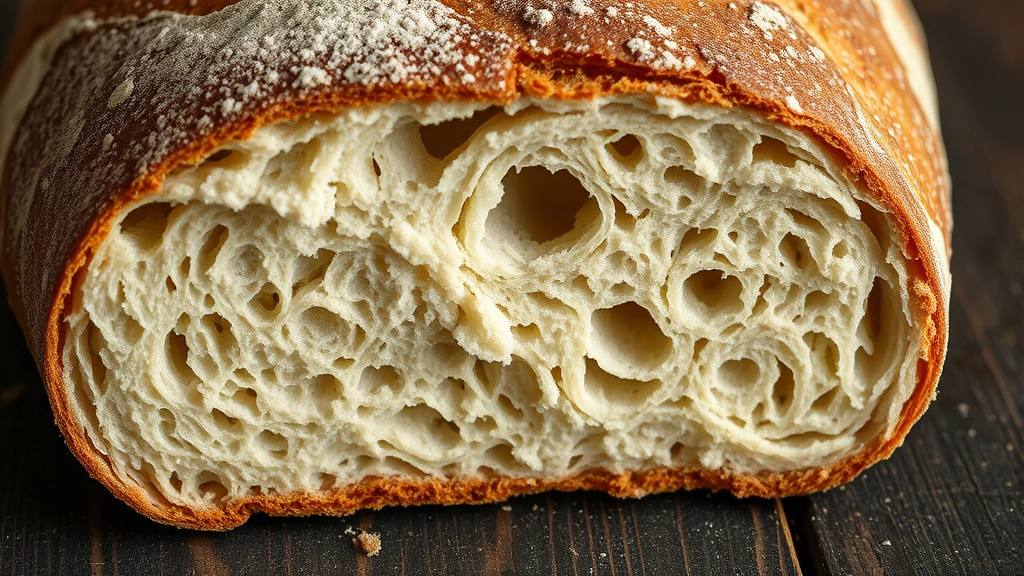
Core Quality Standards and Ingredients
Quality in fresh market bakeries begins with ingredient selection. Premium flour sourced from mills that focus on flavor profile and nutritional density forms the foundation. Many successful bakeries partner with regional grain producers who prioritize heritage varieties, offering superior taste and nutritional characteristics compared to commodity grain. These relationships often become marketing assets, allowing bakeries to tell compelling stories about their supply chain.
Essential quality markers include:
- Flour sourcing: Stone-ground or artisan mill products with known protein content and fermentation characteristics
- Fermentation duration: Long, slow fermentation (12-48 hours) that develops flavor and improves digestibility
- Salt selection: High-quality sea salt or kosher salt that enhances flavor without excessive sodium
- Water quality: Filtered water with appropriate mineral content for optimal gluten development
- Natural leavening: Sourdough starters maintained for years or decades, creating unique flavor profiles
- Additive elimination: No dough conditioners, preservatives, or artificial ingredients
The commitment to natural leavening distinguishes artisan bakeries from commercial operations. Sourdough cultures, maintained through daily feeding and care, develop complex bacterial and yeast ecosystems that create superior flavor and improved shelf life through natural acidification. These cultures represent intellectual property and operational continuity, often passed between bakers or maintained as part of bakery heritage.
When developing digital marketing strategy examples for bakery operations, emphasizing ingredient transparency and sourcing practices resonates strongly with target audiences. Customers increasingly demand visibility into production methods and ingredient origins, making these elements central to brand communication.
Production Methods and Fermentation Practices
Production methodology directly impacts final product quality. Fresh market bakeries employ techniques refined over generations, prioritizing flavor development and digestibility over production speed. The long fermentation process is central to this approach, allowing time for complex flavor compounds to develop and for enzymes to break down proteins and starches, making bread more digestible and nutritious.
Typical production workflows include:
- Autolyse phase: Flour and water rest together for 30-90 minutes before salt and starter addition, allowing hydration and gluten development
- Mixing and incorporation: Gentle mixing that develops gluten structure without excessive mechanical manipulation
- Bulk fermentation: First rise lasting 4-8 hours at controlled temperature, with periodic folding to build strength
- Shaping: Careful shaping that creates surface tension and supports oven spring
- Final proof: Second rise of 4-16 hours, often in cold conditions to extend fermentation and develop flavor
- Baking: High-temperature baking with steam injection to achieve optimal crust development and crumb structure
Temperature control represents a critical operational factor. Many successful bakeries maintain dedicated fermentation chambers where humidity and temperature can be precisely managed, ensuring consistent results regardless of seasonal variations. This operational investment demonstrates commitment to quality and justifies premium pricing to informed consumers.
Understanding the relationship between markets near me and customer preferences helps bakeries adjust production methods to meet local tastes. Regional preferences for crust thickness, crumb openness, and flavor intensity should influence production decisions and product development.
Building Consumer Trust Through Transparency
Trust forms the foundation of premium pricing and customer loyalty in artisan bakeries. Transparency about production methods, ingredient sourcing, and quality standards directly influences purchasing decisions and willingness to pay premium prices. Successful bakeries create multiple touchpoints for consumer education and engagement.
Transparency mechanisms include:
- Visible production: Glass-enclosed baking areas allowing customers to observe production processes
- Staff knowledge: Trained employees who can discuss ingredients, production methods, and flavor characteristics
- Ingredient labeling: Clear, detailed ingredient lists with sourcing information when applicable
- Production schedules: Posted information about baking times and product availability
- Educational content: In-store signage and digital content explaining fermentation benefits and quality markers
- Direct baker interaction: Opportunities for customers to speak with bakers about preferences and special orders
Digital transparency extends to online platforms where bakeries can share production videos, ingredient sourcing stories, and baker backgrounds. This content serves multiple purposes: educating consumers, building emotional connections, and creating shareable content that extends reach through social networks.
Implementing why marketing is important for business principles specific to bakery operations means prioritizing authentic storytelling over promotional messaging. Consumers respond to genuine narratives about craftsmanship, sourcing relationships, and commitment to quality far more effectively than traditional advertising.
Market Positioning and Competitive Advantages
Fresh market bakeries compete effectively against industrial bakeries through differentiation rather than price competition. Market positioning should emphasize unique value propositions that justify premium pricing and create defensible competitive advantages.
Effective positioning strategies include:
- Quality differentiation: Emphasizing superior flavor, digestibility, and nutritional value resulting from production methods
- Locality emphasis: Highlighting community connections, local ingredient sourcing, and neighborhood relationships
- Customization capability: Offering special orders, dietary accommodations, and personalized products
- Heritage messaging: Communicating family history, baker experience, and generational knowledge
- Sustainability focus: Highlighting environmental practices, minimal packaging, and waste reduction
- Health positioning: Educating consumers about digestibility, nutrition, and absence of additives
Competitive advantages emerge from operational choices and market strategy. A bakery that sources grain from a specific regional mill creates a unique selling proposition that competitors cannot easily replicate. Similarly, baker expertise and reputation become valuable assets that increase customer loyalty and justify premium pricing.
Research from Grand View Research indicates that artisan bakeries with strong local positioning and community engagement achieve 2-3x higher margins compared to bakeries competing primarily on price. This data supports investment in brand building, community relationships, and quality communication.
Operational Excellence and Inventory Management
Fresh market bakeries face unique operational challenges centered on balancing daily production freshness with inventory efficiency. Unlike retail operations with long shelf lives, bakeries must manage production to minimize waste while ensuring product availability throughout business hours.
Operational excellence requires:
- Demand forecasting: Analyzing historical sales patterns to predict daily demand by product category
- Production scheduling: Timing production to maximize freshness while meeting peak customer traffic periods
- Batch sizing: Determining optimal batch sizes that balance efficiency with freshness and waste minimization
- Staff scheduling: Aligning baker and retail staff availability with production and customer traffic patterns
- Equipment maintenance: Implementing preventive maintenance programs to ensure reliable oven and fermentation equipment operation
- Quality control: Establishing protocols for monitoring product quality and addressing deviations
Inventory management extends beyond finished goods to ingredient sourcing and storage. Many bakeries maintain relationships with multiple suppliers to ensure ingredient consistency and availability. Storage conditions for flour, particularly for long-fermentation operations, significantly impact final product quality, requiring climate-controlled environments.
Technology adoption supports operational efficiency without compromising artisan character. Point-of-sale systems that track sales by product, time, and customer type enable data-driven production decisions. Fermentation chamber monitoring systems ensure temperature consistency without constant manual oversight.
Digital Marketing for Bakery Growth
Digital marketing enables fresh market bakeries to reach beyond immediate geographic boundaries while reinforcing local community connections. Effective digital strategies balance local relevance with broader market appeal.
Core digital marketing elements include:
- Website optimization: Showcasing products, sharing baker stories, and providing ordering information with mobile optimization
- Social media engagement: Sharing production content, seasonal offerings, and customer interactions on Instagram, Facebook, and TikTok
- Email marketing: Building subscriber lists for special announcements, new product launches, and exclusive offers
- Local SEO: Optimizing for location-based searches and maintaining accurate information across directories
- Content marketing: Creating educational content about fermentation, nutrition, and baking techniques that attracts search traffic
- Community partnerships: Collaborating with local businesses, restaurants, and organizations for cross-promotion
Visual content proves particularly effective for bakery marketing. High-quality photography of finished products, production processes, and baker portraits create emotional connections that drive customer acquisition. Video content showing fermentation time-lapses, shaping techniques, and oven baking sequences generates engagement and shareability on social platforms.
Reviewing the Market Rise Hub Blog for broader marketing insights applicable to bakery operations provides valuable context for strategy development. Bakeries benefit from understanding general retail and commerce trends that influence consumer behavior and market dynamics.
Sustainability and Sourcing Practices
Sustainability practices increasingly influence consumer purchasing decisions, particularly among demographics that support premium-priced artisan bakeries. Environmental commitment through sourcing practices, packaging choices, and waste reduction creates competitive advantages while aligning with consumer values.
Sustainability initiatives include:
- Grain sourcing: Partnering with farms practicing regenerative agriculture and sustainable crop rotation
- Packaging minimization: Using paper bags, cloth wrapping, and customer-provided containers to reduce plastic waste
- Waste reduction: Utilizing day-old products for employee meals, donations, or secondary products like breadcrumbs
- Energy efficiency: Investing in efficient ovens and fermentation equipment to minimize energy consumption
- Water conservation: Implementing water-saving practices in production and cleaning processes
- Community composting: Partnering with local composting programs for unavoidable waste streams
Transparent communication about sustainability practices builds brand loyalty among environmentally conscious consumers. Many bakeries now include sustainability information on product labels and website content, educating customers about their environmental commitment.
Data from Forbes indicates that 62% of millennial and Gen Z consumers actively seek sustainable products and are willing to pay premiums for verified environmental practices. For bakeries targeting younger demographics, sustainability communication represents a crucial marketing element with measurable business impact.
Understanding stock market trends related to food and agriculture provides context for industry dynamics. Public companies in the bakery and food sectors increasingly emphasize sustainability in investor communications, reflecting growing market recognition of environmental value creation.
FAQ
What distinguishes a fresh market bakery from commercial bakeries?
Fresh market bakeries prioritize daily on-premises production, minimal additives, long fermentation periods, and direct customer relationships. Commercial bakeries focus on distribution efficiency, extended shelf life, and production volume. Fresh market bakeries typically source premium ingredients, maintain natural leavening cultures, and limit production to what sells fresh daily, while commercial operations use dough conditioners, preservatives, and rapid fermentation to optimize distribution and shelf stability.
How long does proper sourdough fermentation take?
Complete sourdough fermentation typically spans 18-48 hours from mixing through baking. This includes autolyse (30-90 minutes), bulk fermentation (4-8 hours), shaping, and final proof (4-16 hours). This extended timeline allows flavor development, enzymatic breakdown of proteins and starches, and natural acidification that improves digestibility and creates superior flavor compared to commercial rapid fermentation methods.
Why do fresh market bakeries charge premium prices?
Premium pricing reflects multiple factors: superior ingredient costs, longer production timelines, skilled labor, limited batch sizes, and higher waste rates inherent to daily production. Additionally, premium pricing supports sustainability practices, fair labor compensation, and community investment. Customers paying premium prices typically understand and value these factors, viewing higher prices as justified by quality, health benefits, and community impact.
How should I store fresh market bakery products?
Fresh bakery products without preservatives should be stored at room temperature in breathable containers (paper bags or cloth wraps) rather than plastic, which traps moisture and accelerates staling. Bread stays fresh 2-4 days at room temperature; slicing and freezing extends shelf life to 2-3 months. Avoid refrigeration, which accelerates staling through starch recrystallization. Different products have varying optimal storage conditions; bakery staff can provide specific recommendations.
Can fresh market bakeries compete with large supermarket bakeries?
Yes, through differentiation rather than price competition. Fresh market bakeries capture market share through quality superiority, community relationships, customization capability, and authentic storytelling. Market data shows artisan bakeries grow 12-15% annually while supermarket bakery sales stagnate, indicating successful market positioning. Consumers increasingly recognize quality differences and demonstrate willingness to pay premiums for artisan products, creating substantial market opportunity for well-executed bakery operations.
What ingredients should I look for in quality bread?
Quality bread contains minimal ingredients: flour, water, salt, and naturally-derived leavening (sourdough starter or commercial yeast). Avoid products listing dough conditioners, preservatives, artificial ingredients, or additives like calcium propionate, diacetyl tartaric acid esters, or mono- and diglycerides. Ingredient simplicity correlates with digestibility and nutritional value. Request detailed ingredient lists from bakeries and ask about sourcing and production methods when making purchasing decisions.


