Sarasota Farmers Market: Local Vendor Insights & Community Impact
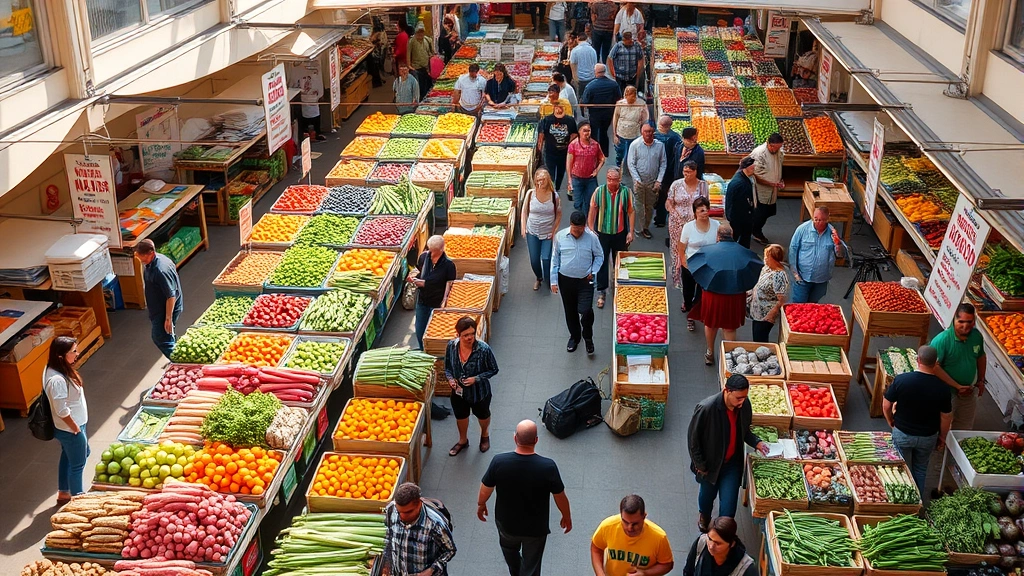
The Sarasota Farmers Market has become a cornerstone of the local community, connecting consumers directly with regional producers and artisans. Operating as a vibrant hub for fresh produce, prepared foods, and handcrafted goods, the market represents more than just a shopping destination—it’s an economic engine that supports small businesses and strengthens the local food system. For vendors participating in this dynamic marketplace, understanding consumer behavior, seasonal trends, and effective positioning strategies is essential to thriving in a competitive retail environment.
This comprehensive guide explores the insights that local vendors have gained from operating within the Sarasota Farmers Market ecosystem. From supply chain management to customer engagement tactics, we’ll examine how successful sellers navigate this unique commerce channel and what strategies they employ to maximize revenue while building lasting customer relationships. Whether you’re a prospective vendor or a community member interested in supporting local commerce, this analysis reveals the operational realities and success factors that define the market’s vendor community.
Understanding the Sarasota Farmers Market Landscape
The Sarasota Farmers Market operates within a broader ecosystem of local commerce that extends beyond traditional retail. Located in Southwest Florida’s Sarasota County, the market attracts approximately 10,000-15,000 visitors weekly during peak season, making it one of the region’s most significant direct-to-consumer retail venues. The market’s operational structure typically includes Saturday morning sessions year-round, with some locations offering additional weekday markets during winter months when tourist traffic increases.
Understanding this landscape requires examining multiple factors: the geographic location of participating vendors, the demographic composition of shoppers, seasonal variations in supply and demand, and the competitive positioning relative to other retail channels. Vendors operating at the Sarasota Farmers Market compete not only with each other but also with supermarket chains, specialty food retailers, and online delivery services. However, they benefit from a fundamental consumer preference for direct relationships with producers and the perceived value of locally-sourced products.
The market’s success reflects broader national trends in consumer behavior. According to the USDA Agricultural Marketing Service, farmers markets across the United States have grown significantly, with over 8,700 farmers markets operating nationwide. This growth indicates strong consumer demand for direct purchasing relationships and locally-produced goods, providing vendors with substantial opportunities to build sustainable businesses.
Vendor Demographics and Business Models
The vendors operating at the Sarasota Farmers Market represent diverse business models, ranging from small family farms to specialty food producers and artisan craftspeople. Understanding vendor demographics is crucial for grasping how the market functions as an economic ecosystem. Most vendors operate relatively small-scale operations, with many being family-owned businesses that have served the community for multiple generations.
Primary vendor categories include:
- Produce Vendors: Local farmers growing vegetables, fruits, and herbs, typically supplying 30-50% of their annual production to farmers market channels
- Prepared Food Vendors: Producers of baked goods, jams, sauces, and other value-added products that extend shelf life and increase profit margins
- Specialty Food Vendors: Operators focusing on organic, heirloom, or specialty crops commanding premium pricing
- Artisan Producers: Craftspeople creating honey, cheese, flowers, and other non-food items that complement agricultural offerings
- Service Providers: Vendors offering food preparation, cooking demonstrations, and educational workshops
Many vendors report that farmers market sales represent 20-40% of their total annual revenue, making market participation a critical component of their business strategy. For some producers, the farmers market serves as a testing ground for new products before introducing them to wholesale channels or exploring digital marketing trends to expand their reach.
The business models employed by successful vendors typically emphasize direct customer relationships, consistent quality, and brand building. Vendors who achieve the highest revenue levels invest significantly in booth presentation, customer education, and product sampling. They understand that farmers market shopping is as much about the experience and personal interaction as it is about product quality and price.
Seasonal Trends and Product Demand
Sarasota’s subtropical climate creates distinctive seasonal patterns that directly impact vendor product availability and customer purchasing behavior. Unlike northern farmers markets with pronounced winter closures, the Sarasota market operates year-round, though seasonal variations significantly affect both supply and demand dynamics.
Winter Season (November-March): This period represents peak tourist season in Sarasota, driving higher foot traffic and customer spending. Vendors report increased sales volume during these months, with winter vegetable availability including leafy greens, root vegetables, and citrus fruits at their peak. Tourist demographics tend to purchase more premium items and specialty products, allowing vendors to command higher prices.
Summer Season (June-September): Summer presents unique challenges with higher heat, humidity, and reduced tourist traffic. However, local residents continue shopping at the market, and summer crops including tomatoes, peppers, and melons reach peak production. Vendors report that summer shoppers tend to be more price-conscious and focused on purchasing staple items rather than specialty products.
Spring and Fall Transitions: These shoulder seasons offer opportunities for vendors to introduce new crops and experiment with seasonal products. Spring brings early vegetables and berries, while fall introduces late-season fruits and harvest-themed prepared foods.
Successful vendors utilize historical sales data to manage inventory, plan production schedules, and allocate booth resources strategically across seasons. Many vendors employ marketing strategies for small businesses that emphasize seasonal availability, creating urgency around limited-availability products and building customer loyalty through consistent seasonal offerings.
Customer Insights and Shopping Behaviors
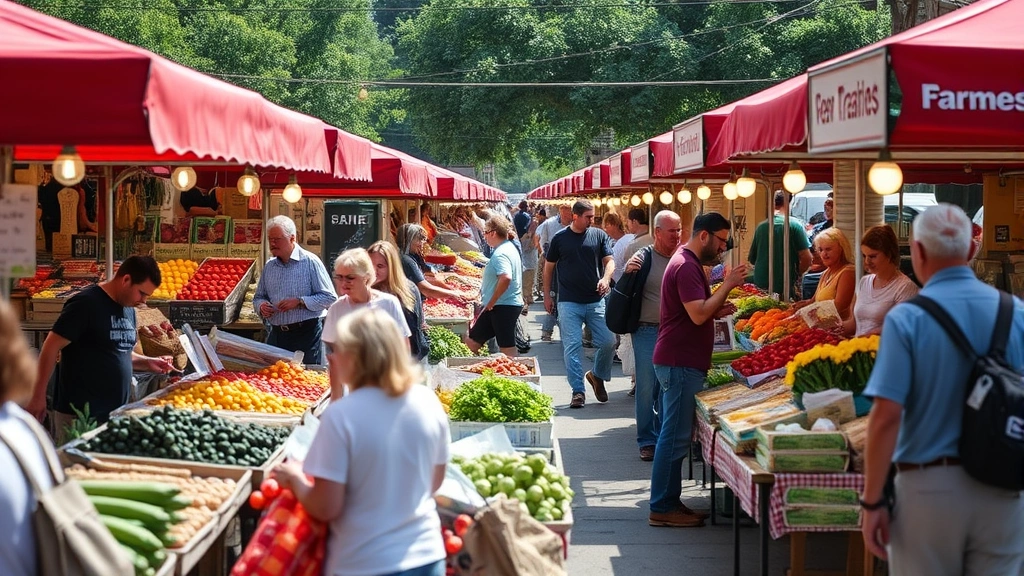
Understanding customer demographics and shopping behaviors is fundamental to vendor success at the Sarasota Farmers Market. Research indicates that farmers market shoppers represent a distinct demographic segment with specific preferences, values, and purchasing patterns that differ significantly from conventional grocery store customers.
Customer Demographics: The typical Sarasota Farmers Market shopper is college-educated, with household income exceeding $75,000 annually. Age distribution skews toward 35-65 year-old residents, though younger families with children and health-conscious millennials represent growing segments. Seasonal variations in demographics reflect tourist composition, with winter months attracting more affluent, older visitors from northern states.
Shopping Motivations: Vendors report that customer motivations for farmers market shopping extend beyond simple product acquisition. Primary motivations include:
- Perceived superior quality and freshness compared to supermarket alternatives
- Direct relationships with producers and interest in product origin stories
- Support for local agriculture and community-based business
- Health and wellness benefits associated with fresh, locally-produced foods
- Environmental sustainability and reduced food system carbon footprint
- Experience and entertainment value of the market environment
Purchase Patterns: Analysis of vendor sales data reveals that successful customers typically spend $30-60 per visit, purchasing 4-8 items. Repeat customers represent 60-70% of market traffic, indicating strong loyalty and habitual shopping patterns. Vendors who build personal relationships with regular customers report significantly higher lifetime customer value and reduced price sensitivity.
Successful vendors recognize that marketing’s importance for business success extends to creating memorable customer experiences. This includes product knowledge demonstration, recipe suggestions, sampling programs, and personalized recommendations based on customer preferences and dietary restrictions.
Pricing Strategies and Profit Margins
Pricing strategy represents one of the most critical decisions for farmers market vendors, balancing competitiveness with profitability while maintaining perceived value. Unlike retail environments with standardized pricing, farmers markets permit dynamic pricing based on supply conditions, product quality, and customer segments.
Cost Structure Analysis: Vendor costs typically include booth rental fees ($25-75 per market day), production and harvesting costs, packaging and labeling expenses, transportation, and labor. Successful vendors report that farmers market sales generate gross profit margins of 40-60%, substantially higher than wholesale channels which typically yield 20-30% margins. However, accounting for all operational costs, net profit margins typically range from 15-35% depending on product category and operational efficiency.
Pricing Models: Vendors employ several pricing approaches:
- Competitive Pricing: Aligning prices with other market vendors while emphasizing product differentiation through quality, presentation, and customer service
- Premium Pricing: Commanding higher prices based on organic certification, specialty varieties, or unique production methods
- Volume Pricing: Offering discounts for bulk purchases or multi-item bundles to increase transaction size
- Relationship Pricing: Building loyalty through consistent pricing, loyalty programs, or special pricing for regular customers
Market research indicates that Sarasota Farmers Market customers demonstrate relatively low price elasticity, particularly for premium produce varieties and specialty items. This allows vendors to maintain prices 15-30% higher than supermarket equivalents while sustaining customer loyalty, provided they effectively communicate value through quality, freshness, and customer service.
Digital Marketing and Social Media Integration
Modern farmers market vendors increasingly recognize that success requires integration of digital marketing strategies alongside traditional in-person sales. The most successful vendors maintain active social media presence, utilize email marketing, and leverage online platforms to extend their market reach beyond physical booth interactions.
Social Media Strategy: Vendors report that Instagram and Facebook represent the highest-ROI social media platforms for farmers market businesses, allowing visual product showcase and community engagement. Effective vendors post 3-5 times weekly with content including product availability updates, behind-the-scenes production photos, customer testimonials, and seasonal availability announcements. Posts emphasizing seasonal availability, limited quantities, and exclusive products generate the highest engagement rates.
Email Marketing: Building email lists of regular customers enables vendors to communicate directly about seasonal availability, special products, and market attendance schedules. Vendors report that email subscribers represent their highest-value customer segment, with email-based promotions generating 2-3 times higher conversion rates than social media channels.
Online Ordering and Delivery: Some vendors have expanded beyond farmers market sales by offering pre-order services and delivery options. This approach allows customers to reserve products in advance, ensuring product availability while reducing market-day inventory risk. Integration with platforms like Local Bounti and similar regional aggregators enables vendors to reach customers beyond the farmers market.
Understanding markets near me and regional commerce dynamics helps vendors identify expansion opportunities while maintaining their farmers market foundation. Digital marketing enables vendors to communicate their unique value propositions and build brand identity that transcends individual market transactions.
Operational Challenges and Solutions
Vendors operating at the Sarasota Farmers Market face numerous operational challenges that require strategic problem-solving and resource management. Understanding these challenges and vendor-developed solutions provides insight into the real-world complexity of farmers market commerce.
Weather and Climate Variability: Florida’s subtropical climate presents challenges including summer heat, afternoon thunderstorms, and occasional hurricanes. Successful vendors invest in quality canopy systems, weatherproof product displays, and flexible inventory management to accommodate weather-related disruptions. Some vendors maintain backup products that withstand weather exposure, reducing losses during inclement conditions.
Labor Management: Many vendors operate family businesses with limited labor resources. Seasonal demand variations create challenges in hiring and scheduling, with some vendors employing temporary workers during peak season. Automation of certain production processes and strategic use of part-time labor represent common solutions.
Supply Chain Consistency: Maintaining consistent product availability despite agricultural variability requires sophisticated planning. Vendors utilize crop succession planting, variety diversification, and strategic partnerships with complementary producers to ensure adequate supply throughout the market season.
Competition and Market Saturation: As farmers markets have grown in popularity, competition has intensified. Vendors differentiate themselves through product uniqueness, superior quality, exceptional customer service, and brand building. Those who fail to develop distinct market positioning struggle with declining sales and difficulty justifying booth rental costs.
Regulatory Compliance: Food safety regulations, labeling requirements, and business licensing create operational complexity. Successful vendors allocate resources to compliance infrastructure, understanding that regulatory violations can result in market removal and business closure.
Vendors emphasize that connecting with market insights and industry analysis through industry publications and networking helps them stay informed about best practices and emerging challenges within the farmers market sector.
Community Impact and Economic Contribution
Beyond individual vendor success, the Sarasota Farmers Market generates substantial community benefits and economic impact. Analysis of vendor data reveals that the market functions as a significant economic engine for local agriculture and small business development.
Economic Impact: Research from Local Harvest and similar organizations indicates that farmers markets generate economic multiplier effects exceeding 2.0, meaning that each dollar spent at the market generates additional economic activity in the community. Vendors report that farmers market sales support agricultural operations, create employment opportunities, and contribute to local tax revenues.
Agricultural Sustainability: The farmers market provides market access for small-scale and mid-sized agricultural operations that lack capital for large-scale wholesale infrastructure. This market access enables farmers to maintain diverse crop production, practice sustainable agriculture methods, and preserve agricultural land from development pressure.
Food System Resilience: By shortening supply chains and connecting consumers directly with local producers, farmers markets contribute to food system resilience. This localized production and distribution model reduces dependence on long-distance supply chains vulnerable to disruption, providing community benefits during supply chain crises.
Community Health and Wellness: Increased access to fresh, locally-produced foods supports public health outcomes. Studies demonstrate that farmers market access correlates with increased fruit and vegetable consumption and improved dietary quality, particularly in underserved communities where market access programs are implemented.
Social Capital and Community Building: The farmers market functions as a community gathering space that strengthens social connections and builds social capital. Regular market attendance creates opportunities for neighbors to interact, share recipes and cooking advice, and develop relationships around shared values of local food system support.
Understanding market dynamics and performance metrics helps community stakeholders appreciate the economic significance of farmers market operations and the importance of supporting vendor success through policy, infrastructure investment, and consumer engagement.
FAQ
What are typical booth rental costs at the Sarasota Farmers Market?
Booth rental fees typically range from $25-75 per market day, depending on booth size, location, and market day. Premium locations near market entrances command higher fees. Most vendors report that booth rental represents 5-10% of their total farmers market revenue.
How do vendors manage product freshness and spoilage?
Successful vendors employ multiple strategies including harvest timing to maximize freshness, pre-market quality control, appropriate storage and display methods, and strategic pricing of aging inventory. Many vendors donate unsold perishable products to food banks, creating tax benefits while supporting community food security.
What percentage of vendor revenue comes from farmers market sales?
Vendor dependence on farmers market revenue varies significantly. Produce vendors typically derive 20-40% of annual revenue from farmers market sales, while prepared food and specialty item vendors often achieve 50-70% of revenue through market channels. Newer vendors typically depend more heavily on farmers market sales until they develop wholesale relationships.
How do vendors handle payment processing at the market?
Most vendors accept both cash and digital payments through mobile payment systems like Square, Venmo, or PayPal. Digital payment adoption has increased significantly post-pandemic, with most vendors reporting that 40-60% of transactions now occur via digital payment methods.
What are the most profitable product categories at farmers markets?
Value-added products including prepared foods, baked goods, jams, and specialty items typically generate higher profit margins (40-60%) compared to fresh produce (30-40%). However, fresh produce often generates higher absolute revenue volume due to greater customer demand.
How important is vendor education and training for market success?
Vendor education regarding food safety, business management, marketing, and customer service significantly impacts success rates. Markets offering vendor training programs report 30-40% higher average vendor revenue and substantially lower vendor turnover rates.