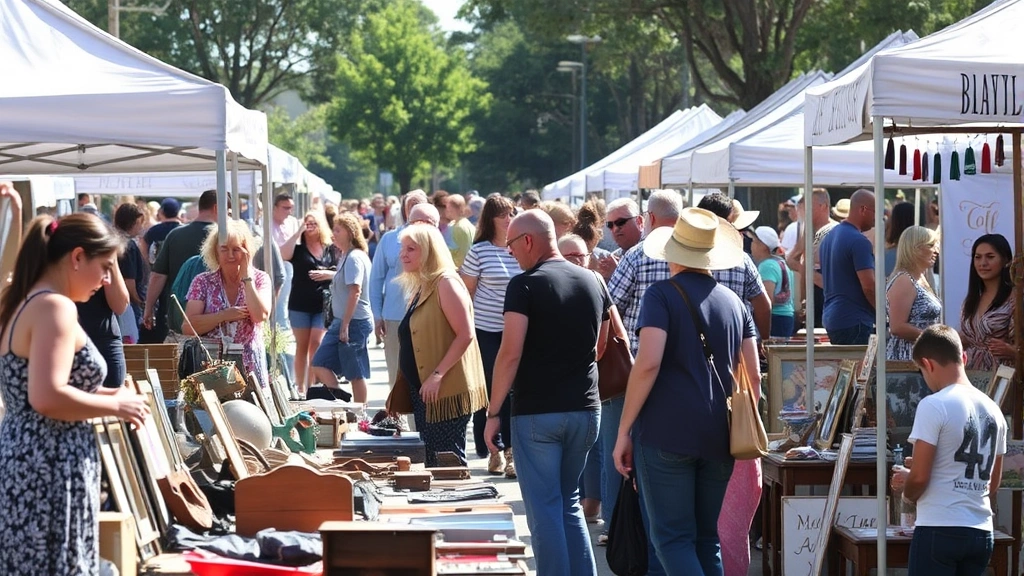
Why Choose Flea Markets? Shopper Insights and the Origins of Bargain Hunting
Flea markets have become a cultural phenomenon, attracting millions of shoppers annually across North America and beyond. But have you ever wondered why is it called a flea market? The answer lies in a fascinating blend of history, commerce, and consumer behavior that continues to drive foot traffic to these treasure troves of secondhand goods and vintage finds. Understanding the origins and appeal of flea markets reveals why they remain such a vital part of the retail landscape, even in an increasingly digital shopping world.
Today’s savvy consumers are gravitating toward flea markets for reasons far beyond simple bargain hunting. From sustainability concerns to the thrill of discovery, from supporting local vendors to finding unique items unavailable in traditional retail channels, flea markets offer an experience that mainstream shopping cannot replicate. This comprehensive guide explores the history, psychology, and practical benefits of flea market shopping while examining why these bustling marketplaces continue to thrive in the modern economy.

The Etymology: Why Is It Called a Flea Market?
The term “flea market” has intrigued historians and language enthusiasts for generations. The most widely accepted explanation traces back to Paris, France, where secondhand goods markets were held in the late 19th century. These outdoor marketplaces, known as “Marché aux Puces” (literally “Market of Fleas”), earned their unflattering nickname because the used furniture, clothing, and household items sold there were often infested with fleas and other parasites. Rather than being a derogatory term that stuck, it became a charming descriptor that persists to this day.
The name spread throughout Europe and eventually crossed the Atlantic to North America, where American merchants and shoppers adopted the terminology. By the early 20th century, “flea market” had become the standard English term for outdoor bazaars selling secondhand merchandise. Interestingly, the name’s negative connotation—implying poor quality or pest-ridden goods—has been completely reversed in modern times. Today, flea markets are celebrated destinations where consumers seek authentic vintage pieces, collectibles, and quality used goods.
Understanding this etymology provides context for why flea markets occupy such a unique position in retail culture. The name itself is a testament to how consumer attitudes toward secondhand shopping have evolved dramatically. What was once considered a necessity for lower-income shoppers has transformed into a lifestyle choice embraced by affluent collectors, interior designers, and sustainability-conscious consumers.
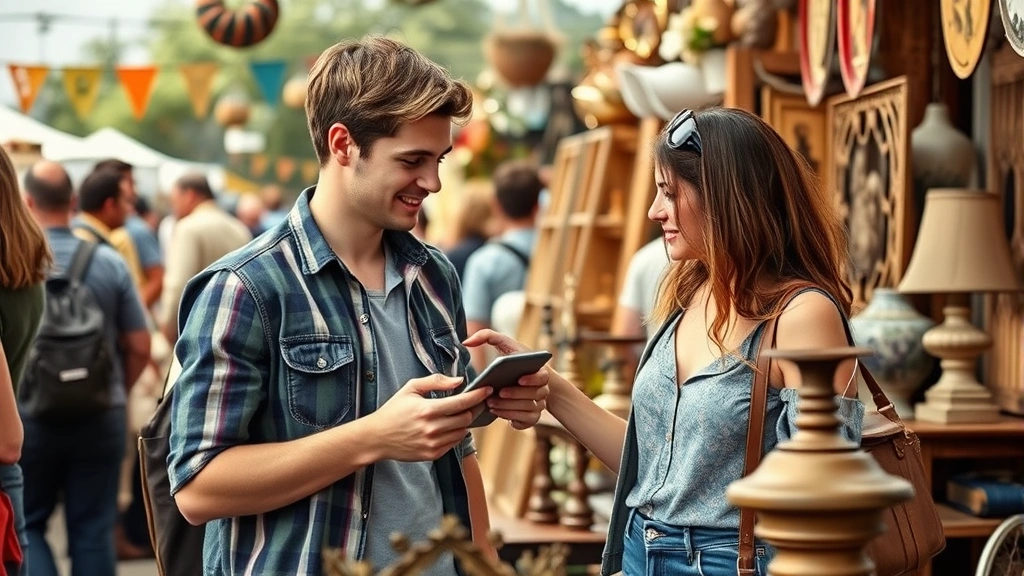
Historical Context and Evolution of Flea Markets
To fully appreciate modern flea markets, we must examine their historical trajectory. The market revolution of the 19th and 20th centuries fundamentally transformed how societies approached commerce and consumer goods. Flea markets emerged as a natural response to industrialization and the rapid accumulation of material goods that characterized growing urban centers.
In post-industrial societies, flea markets served critical economic functions. Before modern thrift stores and online resale platforms existed, these markets provided essential avenues for recycling goods and making secondhand items accessible to working-class families. Vendors could earn supplementary income by selling unwanted household items, while shoppers could acquire necessities at fraction-of-retail prices. This circular economy approach was both practical and sustainable, long before sustainability became a mainstream concern.
The post-World War II era witnessed explosive growth in flea market culture. American servicemen returning from Europe brought stories of these vibrant markets, and entrepreneurs quickly capitalized on the concept. By the 1960s and 1970s, flea markets had become established weekend institutions in major American cities. The counterculture movement of that era embraced flea markets as sources of vintage clothing and unique home décor, further elevating their status from purely economic necessity to cultural destination.
Today’s flea markets represent a sophisticated evolution of this historical model. Modern markets are professionally organized events with vendor vetting, customer amenities, and curated selections. Many operate year-round, with some becoming destination shopping experiences that rival traditional shopping malls in terms of foot traffic and economic impact.
Shopper Demographics and Motivations
Contemporary flea market shoppers represent a remarkably diverse demographic. Research from retail analysts indicates that attendance spans all age groups, income levels, and educational backgrounds. However, certain motivations consistently drive the flea market experience across demographics.
Treasure Hunting and Discovery remains the primary psychological driver. Unlike conventional retail environments where products are neatly categorized and standardized, flea markets offer unpredictability. Shoppers never know what hidden gems they’ll discover, creating an exciting browsing experience that triggers dopamine responses associated with successful hunting. This element of surprise is fundamentally absent from online shopping and big-box retail.
Value Consciousness continues to motivate many shoppers, though the nature of this motivation has shifted. Rather than shopping from pure necessity, modern flea market visitors are often affluent consumers seeking quality merchandise at reduced prices. According to Statista’s retail reports, consumers increasingly appreciate the value proposition of secondhand shopping, with premium vintage items often commanding respect equal to new merchandise.
Authenticity and Uniqueness appeal particularly to younger demographics and design-conscious consumers. In an era of mass production and algorithmic recommendations, flea markets offer one-of-a-kind items and authentic vintage pieces that cannot be replicated. Interior designers frequently source from flea markets specifically for this reason, understanding that unique pieces create distinctive spaces that reflect individual taste.
Social Experience constitutes another significant motivation. Flea markets function as community gathering spaces where friends and family members browse together, socialize with vendors, and enjoy the outdoor market atmosphere. This social component distinguishes flea market shopping from solitary online browsing or rushed big-box store visits.
When evaluating markets near me, shoppers are increasingly factoring in vendor quality, community reputation, and the overall shopping environment, not merely merchandise selection.
Economic Benefits for Vendors and Communities
Flea markets generate substantial economic benefits that extend far beyond the immediate transaction between vendor and shopper. For individual vendors, these markets provide low-barrier entrepreneurship opportunities. Unlike opening a traditional retail storefront, which requires significant capital investment, lease commitments, and regulatory compliance, flea market vending requires minimal startup costs. This accessibility has enabled thousands of entrepreneurs to launch businesses, particularly among underrepresented populations who face barriers to traditional business financing.
A study by the Small Business Administration found that flea market vendors collectively generate billions in annual economic activity. Many vendors treat flea markets as primary income sources, while others use them to supplement household earnings or transition into full-time retail operations. The flexibility of market vending appeals particularly to parents, students, and individuals seeking supplementary income.
For local communities, flea markets create measurable economic impact. Regular market events attract visitors from surrounding regions, who spend money not only on merchandise but also at nearby restaurants, coffee shops, and other retail establishments. This multiplier effect strengthens local economies and increases property values in market neighborhoods. Additionally, flea markets often occupy underutilized urban spaces, breathing economic life into areas that might otherwise struggle commercially.
Municipal governments recognize these benefits, with many actively supporting and promoting flea market development. Some cities have implemented marketing strategies for small businesses that specifically include flea market infrastructure improvements, recognizing them as essential community assets.
Furthermore, flea markets support complementary businesses. Logistics providers, parking services, food vendors, and security companies all benefit from market operations. This ecosystem of economic activity demonstrates that flea markets function as significant contributors to local prosperity.
The Sustainability Factor
Perhaps no aspect of flea markets has gained more prominence in recent years than their environmental sustainability credentials. As climate change awareness and consumer concern about waste have intensified, flea markets have emerged as exemplars of circular economy principles.
The environmental cost of retail production is staggering. Manufacturing new goods requires raw materials extraction, energy-intensive processing, transportation, and packaging—all generating substantial carbon emissions and waste. When consumers purchase secondhand items at flea markets, they directly reduce demand for new manufacturing, thereby decreasing resource consumption and environmental impact. A single used item purchased at a flea market represents one fewer new item that must be manufactured.
Textile waste represents a particularly acute environmental problem. The fashion industry generates approximately 92 million tons of textile waste annually, according to environmental research organizations. Flea markets, particularly those specializing in vintage clothing, directly address this problem by extending garment lifecycles and diverting clothing from landfills. For environmentally conscious consumers, shopping at flea markets aligns personal purchasing behavior with sustainability values.
Beyond environmental benefits, flea markets promote resource efficiency and economic sustainability. In developing economies, flea markets function as critical distribution channels for durable goods that might otherwise be discarded in wealthy nations. This global circulation of goods represents a more sustainable model than linear consumption patterns.
Leading market analysis and insights increasingly highlight sustainability as a primary flea market advantage. Consumer research indicates that approximately 73% of global consumers would change consumption habits to reduce environmental impact, and flea markets directly enable this preference.
Finding Quality Merchandise
A persistent misconception about flea markets is that they primarily offer low-quality merchandise. In reality, flea markets today feature everything from genuine antiques and designer vintage pieces to contemporary items in excellent condition. Success in flea market shopping requires understanding quality indicators and developing evaluation skills.
Authenticity Verification has become increasingly important as flea markets have gained prestige. Knowledgeable shoppers examine provenance, construction quality, and materials. Vintage designer items, antique furniture, and collectible items all require expertise to authenticate properly. Many successful flea market shoppers have developed specialized knowledge in particular categories—whether vintage watches, mid-century furniture, or designer handbags.
Condition Assessment distinguishes valuable finds from overlooked bargains. Professional shoppers understand how minor repairs or restoration can dramatically increase item value. A piece of furniture with solid construction but worn upholstery represents opportunity to someone with restoration skills. Similarly, vintage clothing that fits current fashion trends commands premium prices despite being decades old.
Vendor Reputation matters significantly in flea market ecosystems. Regular shoppers develop relationships with trusted vendors who consistently provide quality merchandise and fair pricing. Many established flea markets feature vendor directories or online platforms where shoppers can research seller reputations before visiting. This reputation system creates accountability that benefits both honest vendors and discerning shoppers.
Timing and Persistence separate successful flea market shoppers from casual browsers. Arriving early provides first selection of newly consigned inventory. Visiting regularly ensures shoppers see fresh merchandise and can track price trends. Persistence in searching specific categories—whether vintage kitchen appliances, collectible toys, or antique books—often yields remarkable discoveries.
Digital Integration and Modern Trends
The intersection of flea markets and digital technology represents one of the most significant developments in modern retail. While flea markets maintain their essential character as physical, in-person experiences, digital tools increasingly enhance the shopping journey.
Social media platforms, particularly Instagram and TikTok, have created new visibility for flea markets and individual vendors. Visually striking vintage finds generate significant engagement, introducing younger audiences to flea market culture. Hashtags dedicated to flea markets, vintage shopping, and thrifting have accumulated billions of views, effectively marketing these events to demographics that might not encounter them through traditional advertising.
Mobile applications now provide real-time information about flea market locations, hours, vendor directories, and upcoming events. Shoppers can research markets in unfamiliar areas, identify specialized vendors before visiting, and navigate large market spaces efficiently. Some advanced platforms even feature vendor inventories, allowing shoppers to identify specific items before arriving.
Online resale platforms have created interesting dynamics with physical flea markets. While platforms like eBay and Facebook Marketplace offer convenience, they lack the immediate gratification and social experience of in-person shopping. Many flea market vendors now operate dual channels, using online platforms to reach distant customers while maintaining physical market presence for local community engagement.
Current digital marketing trends increasingly recognize flea markets as important retail channels worthy of strategic focus. Brands are exploring partnerships with flea markets as customer acquisition channels, recognizing that flea market shoppers represent engaged, values-conscious consumers actively seeking alternatives to conventional retail.
Emerging trends also include hybrid models where flea markets operate both physical and online components simultaneously. Some markets livestream events, offer virtual vendor showcases, or maintain online catalogs of available merchandise. These innovations make flea markets accessible to geographically distant shoppers while preserving the essential in-person experience for local communities.
The COVID-19 pandemic accelerated digital adoption in flea market operations. Markets that successfully integrated online components demonstrated resilience during physical closures and discovered that digital tools could complement rather than replace in-person experiences. This hybrid approach appears to be the future trajectory for many established flea markets.
Frequently Asked Questions
Why is it called a flea market and not a secondhand market?
The term “flea market” originates from Paris’s “Marché aux Puces,” named because secondhand items were often infested with fleas. Although the name’s origin reflects poor conditions, it persisted as markets became more professional. The distinctive term has become culturally embedded and now carries positive connotations of authenticity and discovery rather than poor quality.
Are flea markets still popular with modern consumers?
Absolutely. Flea market attendance has grown significantly in recent years, driven by sustainability concerns, value consciousness, and desire for unique merchandise. Younger demographics particularly embrace flea market shopping as aligned with environmental and anti-consumerist values. Many established markets report record attendance and vendor waiting lists.
How can I find quality items at flea markets?
Develop expertise in categories you care about, build relationships with trusted vendors, arrive early for best selection, visit regularly to see fresh inventory, and learn to assess condition and authenticity. Many successful flea market shoppers focus on specific interests—whether vintage fashion, antique furniture, or collectibles—rather than browsing randomly.
What percentage of flea market sales are negotiable?
Pricing flexibility varies considerably by vendor and market. Many vendors expect negotiation, particularly for higher-priced items or when purchasing multiple pieces. However, some markets feature fixed-price vendors who don’t negotiate. Always ask respectfully, and understand that vendor pricing reflects their expertise and effort in sourcing inventory.
Can I start a flea market business?
Yes, with relatively low startup costs. Identify local flea markets, apply for vendor spaces, source inventory from estate sales, thrift stores, or liquidation channels, and develop your niche. Many successful vendors start part-time while maintaining other employment, then transition to full-time operations as their business grows. Understanding your target market and developing vendor reputation are critical success factors.
How do flea markets impact local economies?
Flea markets generate significant economic activity through vendor income, customer spending at nearby businesses, property value increases, and employment creation. They revitalize underutilized urban spaces and provide low-barrier entrepreneurship opportunities. Research indicates flea markets create substantial multiplier effects as visitors spend money throughout local communities.


