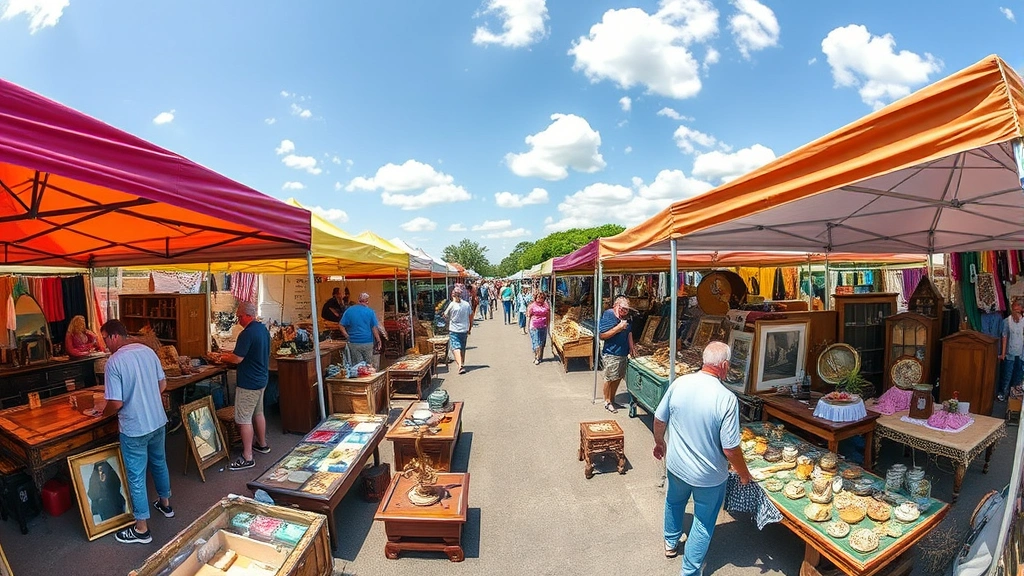
Top USA Flea Markets: Atlanta’s Hidden Gems
Atlanta’s flea market scene represents one of the most dynamic and underutilized retail ecosystems in the United States. These vibrant marketplaces have transformed from simple weekend gatherings into sophisticated commerce hubs that generate significant economic activity and attract vendors and buyers from across the nation. The city’s flea markets offer authentic opportunities for entrepreneurs, collectors, and bargain hunters to participate in a thriving secondary market that continues to expand in both scale and sophistication.
The flea market industry in Atlanta reflects broader trends in consumer behavior, with shoppers increasingly seeking unique, vintage, and discounted merchandise outside traditional retail channels. According to recent data from the secondhand ecommerce market analysis, the resale and vintage goods sector has experienced remarkable growth, with consumers actively participating in circular economy practices. Atlanta’s flea markets serve as physical manifestations of this shift, providing venues where value-conscious shoppers and entrepreneurs converge.
Understanding Atlanta’s flea market landscape requires examining the specific venues, their operational characteristics, vendor ecosystems, and economic significance. This comprehensive guide explores the city’s premier flea markets while providing actionable insights for both first-time visitors and experienced market participants seeking to maximize their experience and investment returns.
Atlanta’s Premier Flea Market Venues
Atlanta hosts several flagship flea markets that have established themselves as regional destinations attracting thousands of weekly visitors. The Lakewood Antiques Market operates as one of the city’s most prominent venues, featuring over 1,000 dealers across multiple buildings and outdoor spaces. This market distinguishes itself through its focus on antiques, collectibles, and vintage furnishings, creating a curated shopping environment that appeals to both casual browsers and serious collectors seeking investment-grade items.
The Scott Antique Markets represents another cornerstone venue, operating on a bi-monthly schedule that draws significant foot traffic from across the Southeast. With approximately 2,000 dealers showcasing merchandise ranging from fine antiques to contemporary vintage goods, this market generates substantial economic activity. Vendors report that peak performance periods coincide with seasonal shopping patterns and special events, with many dealers treating these markets as primary revenue sources for their businesses.
Additional notable venues include the Atlanta Flea Market at Union City, which offers a more casual atmosphere with emphasis on general merchandise, collectibles, and bargain goods. This market attracts price-sensitive shoppers and entrepreneurs seeking inventory for resale through online channels. The venue’s accessibility and affordable booth rental rates make it particularly attractive for new vendors testing market viability or established dealers diversifying their sales channels.
When exploring markets near me, Atlanta residents benefit from understanding each venue’s unique positioning, dealer quality, merchandise categories, and operational schedules. This knowledge enables informed decisions about time allocation and strategic shopping approaches.
Operational Models and Vendor Economics
The financial structure of Atlanta’s flea markets operates on booth rental models with vendors paying weekly, monthly, or event-based fees ranging from $15 to $300+ depending on space size and market prestige. This model creates predictable revenue streams for market operators while enabling vendors to scale operations according to inventory levels and sales performance. Successful vendors typically maintain multiple booth locations across different markets, optimizing their geographic reach and customer exposure.
Booth rental economics significantly impact vendor profitability calculations. A vendor operating a standard 10×10 booth at a premium market like Lakewood might invest $100-150 weekly in rental costs, plus inventory, transportation, and labor expenses. To achieve profitability, vendors must generate sufficient sales velocity to cover these fixed costs while maintaining healthy gross margins. Industry data suggests successful vendors typically maintain gross margins of 40-60% on merchandise, with net profit margins ranging from 15-35% after accounting for all operational expenses.
The vendor ecosystem benefits from marketing strategy for small businesses approaches, with many dealers leveraging social media, email lists, and loyalty programs to drive repeat customer visits. Progressive vendors integrate their physical market presence with online selling channels, utilizing flea market inventory to stock eBay, Etsy, and other ecommerce platforms, creating multiple revenue streams from single inventory pools.
Operational efficiency directly correlates with profitability. Vendors who develop systematic approaches to booth setup, merchandising, pricing, and inventory rotation consistently outperform those using ad-hoc methods. Professional vendors employ point-of-sale systems, maintain detailed sales records, and analyze performance metrics to optimize their market participation strategies.

Buyer Strategies and Negotiation Tactics
Successful flea market shopping requires developing systematic approaches to merchandise evaluation, pricing analysis, and negotiation. Experienced buyers arrive early, prioritizing visibility of premium inventory before selection pressure increases. Strategic timing often yields the best pricing, as vendors frequently prefer quick sales early in market days to reduce end-of-day inventory management burdens.
Pricing negotiation represents a fundamental flea market dynamic that distinguishes these venues from fixed-price retail environments. Successful negotiators approach conversations respectfully, often bundling multiple items to create compelling value propositions for vendors. A buyer requesting 20-30% discounts on individual items may encounter resistance, while bundled purchases at 15-25% reductions frequently succeed because vendors recognize the efficiency of consolidated transactions.
Product knowledge significantly enhances buying outcomes. Understanding fair market values, quality indicators, and demand patterns enables informed decision-making. Buyers who recognize underpriced collectibles or vintage goods with strong resale potential can identify arbitrage opportunities for personal profit or inventory acquisition. The Worthpoint database provides valuable comparable sales data that informs pricing decisions and investment confidence.
Documentation and authentication matter particularly for higher-value purchases. Reputable vendors provide provenance information, condition assessments, and return policies that protect buyer interests. Building relationships with trusted dealers creates advantages through advance inventory access, loyalty discounts, and priority purchasing opportunities on premium merchandise.
Seasonal Trends and Market Dynamics
Atlanta’s flea markets experience pronounced seasonal variations that reflect broader consumer spending patterns and inventory availability cycles. Spring and fall typically generate peak attendance as weather conditions favor outdoor market experiences and consumers actively refresh home furnishings and seasonal wardrobes. Summer months show moderate activity with vacation travel reducing regular attendance, while winter sees variable performance depending on holiday shopping intensity and gift-giving patterns.
Inventory availability fluctuates seasonally as estate liquidations, downsizing projects, and seasonal decluttering generate merchandise waves. Spring typically brings substantial inventory influxes as winter storage clearing occurs, while fall benefits from back-to-school transitions and early holiday preparation. Understanding these cycles enables vendors to strategically stock inventory and adjust pricing to capitalize on demand variations.
Economic conditions significantly influence flea market activity. During economic uncertainty, consumers shift toward value-oriented shopping, benefiting flea market attendance and sales volumes. Conversely, strong economic periods may reduce traffic as consumers purchase new goods through traditional retail channels. The resilience of Atlanta’s flea markets through various economic cycles demonstrates their fundamental appeal as value-oriented shopping destinations serving diverse consumer segments.
Vendor success increasingly depends on understanding digital marketing trends 2025 and integrating online channels with physical market presence. Progressive dealers use flea market attendance to build customer databases, promote online stores, and create omnichannel retail experiences that extend beyond single venue transactions.
Digital Integration and Modern Marketplace Evolution
Contemporary flea markets increasingly integrate digital technologies that enhance operational efficiency and expand revenue opportunities. Point-of-sale systems enable real-time inventory tracking, sales analysis, and customer relationship management. Vendors utilizing these technologies demonstrate improved profitability through better decision-making informed by accurate sales data and customer behavior patterns.
Social media presence has become essential for vendor competitiveness. Dealers showcasing booth inventory through Instagram, Facebook, and TikTok generate customer traffic through digital marketing that drives physical market visits. This integration of digital visibility with physical shopping experiences creates synergistic effects that amplify overall sales performance and brand recognition.
Online resale channels fundamentally transform flea market economics. Vendors source inventory at markets, then list items on Amazon, Etsy, and specialty platforms where pricing often exceeds local market rates. This arbitrage opportunity attracts entrepreneurial buyers who systematically source inventory at Atlanta flea markets for online resale, creating competitive dynamics that influence local pricing.
Market operators increasingly invest in digital infrastructure including website development, online booth rental systems, and virtual marketplace features. These investments reflect recognition that modern consumers expect seamless digital-physical integration when engaging with retail venues. The McKinsey retail transformation analysis highlights how omnichannel integration has become fundamental to marketplace competitiveness.
Maximizing Vendor Profitability
Successful vendors employ systematic approaches to booth management, merchandising, and customer engagement that directly impact profitability. Effective visual merchandising creates compelling booth presentations that attract customer attention and facilitate impulse purchasing. Strategic product placement ensures high-margin items receive prominent positioning while slower-moving inventory occupies secondary spaces.
Pricing strategy significantly influences profitability and inventory turnover. Vendors balancing margin preservation with sales velocity typically employ tiered pricing approaches where premium items maintain higher margins while secondary merchandise receives promotional pricing to drive volume. This strategy optimizes revenue per booth square foot while maintaining acceptable profit margins.
Inventory selection and sourcing directly determine profitability potential. Vendors who develop expertise in identifying undervalued inventory, recognizing emerging collectible trends, and sourcing from estate sales, auctions, and liquidation channels build competitive advantages through superior product selection. This expertise enables higher-margin merchandise curation that attracts quality-conscious customers willing to pay premium prices.
Developing how to create a marketing plan that integrates flea market presence with broader sales channels amplifies profitability. Vendors maintaining email lists, offering loyalty programs, and promoting exclusive pre-market sales build customer bases that generate consistent revenue beyond individual market events. This customer relationship focus transforms transactional encounters into ongoing business relationships.
Operational efficiency improvements yield meaningful profit enhancement. Vendors who streamline setup procedures, implement efficient checkout processes, and maintain organized inventory systems reduce labor costs and operational friction. These efficiency gains directly translate to improved profitability and reduced stress associated with market participation.

Community Impact and Economic Significance
Atlanta’s flea markets generate substantial economic impact extending beyond direct vendor and buyer transactions. These venues create employment opportunities for booth operators, market staff, security personnel, and supporting service providers. The market ecosystem supports ancillary businesses including inventory sourcing services, logistics providers, and specialized retail support vendors.
Community building represents an often-overlooked dimension of flea market significance. Regular market attendees develop social connections, share collecting interests, and build friendships that extend beyond marketplace transactions. These social dynamics create community identity and belonging that enhance quality of life for participants while driving consistent market attendance.
Environmental sustainability dimensions increasingly characterize flea market participation. These venues facilitate circular economy practices by extending product lifecycles, reducing landfill waste, and promoting sustainable consumption patterns. Consumers choosing flea market purchases over new retail goods reduce environmental impact while achieving cost savings, creating aligned incentives for sustainable behavior.
The accessibility dimension proves particularly important for economically diverse populations. Flea markets provide shopping venues where price-sensitive consumers access quality merchandise at affordable prices. This accessibility enables broader population participation in consumption and collecting activities that might otherwise exceed financial means through traditional retail channels.
Looking at the broader context of Market Rise Hub Blog discussions about retail evolution, Atlanta’s flea markets represent resilient retail formats that adapt to changing consumer preferences while maintaining fundamental appeal. These venues demonstrate that physical retail spaces continue thriving when they offer authentic value propositions that digital channels cannot fully replicate.
FAQ
What are the operating hours for Atlanta’s major flea markets?
Lakewood Antiques Market typically operates Saturdays and Sundays from 9 AM to 5 PM, with extended summer hours. Scott Antique Markets operates bi-monthly on weekends, generally 9 AM to 5 PM. Atlanta Flea Market at Union City runs Friday through Sunday with similar hours. Specific schedules vary seasonally, so consulting market websites before visiting ensures accurate information.
How much do vendor booth rentals typically cost?
Booth rental costs range significantly based on venue prestige, space size, and rental duration. Basic 10×10 booths at Union City flea market start around $25-40 weekly, while premium Lakewood locations command $100-150+ weekly. Monthly rentals often provide 10-20% discounts compared to weekly rates. Scott Antique Markets charges event-based fees for their bi-monthly operations, typically $150-300+ for standard booths.
What merchandise categories perform best at Atlanta flea markets?
Vintage furniture, collectible items, antiques, and specialty goods consistently perform well. Home décor, vintage clothing, and retro electronics attract significant buyer interest. Collectibles spanning sports memorabilia, vintage toys, and niche hobby items develop loyal customer bases. Practical household goods, tools, and bargain merchandise appeal to value-oriented shoppers. Success often depends on booth positioning, presentation quality, and pricing strategy rather than category alone.
Can I negotiate prices at Atlanta flea markets?
Negotiation is standard practice at flea markets, though success depends on approach and context. Individual item discounts of 10-20% frequently succeed when requested respectfully. Bundle purchases often yield 15-25% reductions as vendors appreciate consolidated transactions. Premium antiques and higher-value items may have less negotiation flexibility. Building relationships with vendors and shopping during slower periods often creates better negotiation environments.
How can I source inventory for online resale at Atlanta flea markets?
Successful inventory sourcing requires developing product knowledge and understanding online market values. Use smartphone apps and databases to research comparable pricing on potential purchases. Focus on items with strong online demand and pricing premiums relative to flea market costs. Build relationships with vendors who may offer bulk discounts. Scout for underpriced collectibles and emerging trends. Early market arrival provides first access to premium inventory before other resellers select items.
What payment methods do Atlanta flea market vendors accept?
Most vendors accept cash, which remains the dominant payment method. Growing numbers accept digital payments including Venmo, Square, and Apple Pay. Credit card acceptance varies by vendor technology adoption levels. Carrying cash provides negotiation advantages since vendors appreciate immediate settlement. Always confirm payment methods before finalizing transactions to avoid complications.


