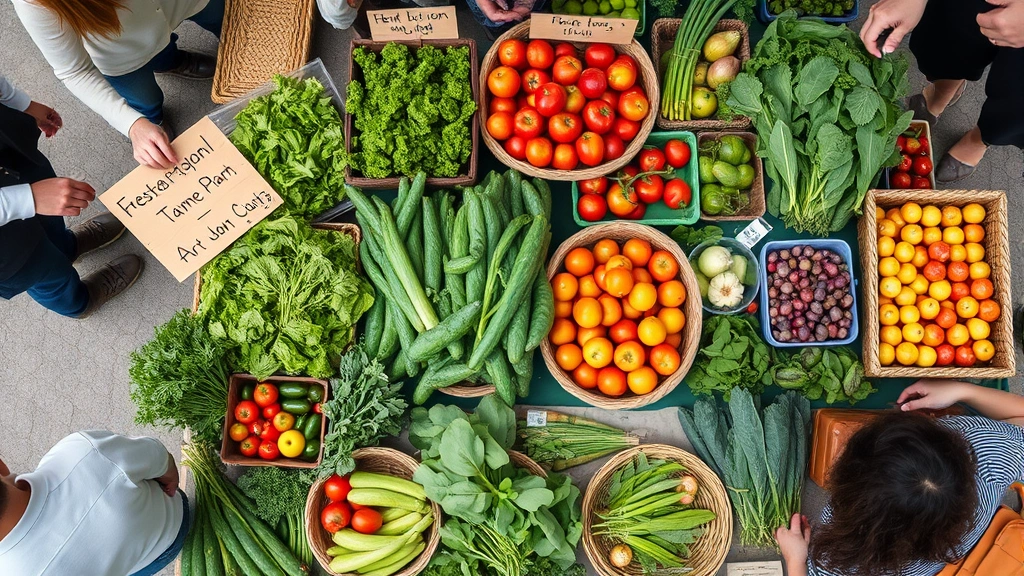
Santa Barbara Farmers Market: Local Vendor Tips for Success
The Santa Barbara Farmers Market represents one of California’s most vibrant agricultural hubs, attracting thousands of customers weekly seeking fresh produce, artisanal goods, and local crafts. For vendors operating in this competitive environment, success requires more than just quality products—it demands strategic planning, customer engagement, and a deep understanding of market dynamics. Whether you’re a seasoned farmer or launching your first agricultural business, the strategies outlined here will help you maximize your presence and revenue at this iconic marketplace.
Santa Barbara’s farmers market ecosystem has evolved significantly over the past decade, with vendors facing increasing competition from online retailers, corporate grocery chains, and other local markets. However, the authentic farm-to-table movement and consumer preference for locally-sourced products continue to drive foot traffic and purchasing power at traditional farmers markets. Understanding how to position your business within this landscape is critical for sustainable growth and profitability.
This comprehensive guide provides actionable insights specifically tailored to vendors operating in the Santa Barbara Farmers Market, covering everything from booth optimization to customer relationship management and digital promotion strategies.
Understanding Santa Barbara’s Farmers Market Landscape
The Santa Barbara Farmers Market operates within a unique economic and demographic context. Located in one of California’s most affluent regions, the market attracts customers with higher disposable incomes and strong preferences for premium, locally-sourced products. According to USDA Agricultural Marketing Service data, farmers markets in California generate over $2 billion annually, with Santa Barbara representing a significant portion of this activity.
Understanding your customer base is fundamental to success. Santa Barbara’s market shoppers typically prioritize quality over price, value sustainability practices, and appreciate artisanal production methods. They’re willing to pay premium prices for products with compelling origin stories and demonstrated commitment to environmental stewardship. This demographic insight should inform every decision you make as a vendor—from product selection to messaging and pricing.
The market operates on a year-round basis with seasonal fluctuations in both product availability and customer traffic. Summer months (June through August) see peak attendance driven by tourism and ideal growing conditions, while winter months require different product mixes and marketing approaches. Successful vendors develop distinct strategies for each season rather than maintaining static inventory and promotional tactics throughout the year.
Competition at the Santa Barbara Farmers Market includes both established vendors with multi-year histories and new entrants constantly seeking booth space. This competitive environment means that differentiation is essential. Vendors who stand out typically offer unique products, exceptional customer service, or compelling brand narratives that resonate with the local community.
Booth Setup and Visual Merchandising Excellence
Your booth is your retail storefront, and in farmers market environments, visual presentation directly correlates with sales performance. Research from the National Farmers Market Association indicates that booth aesthetics influence purchase decisions for approximately 73% of market shoppers. Every element—from signage to product arrangement to staff appearance—communicates professionalism and product quality.
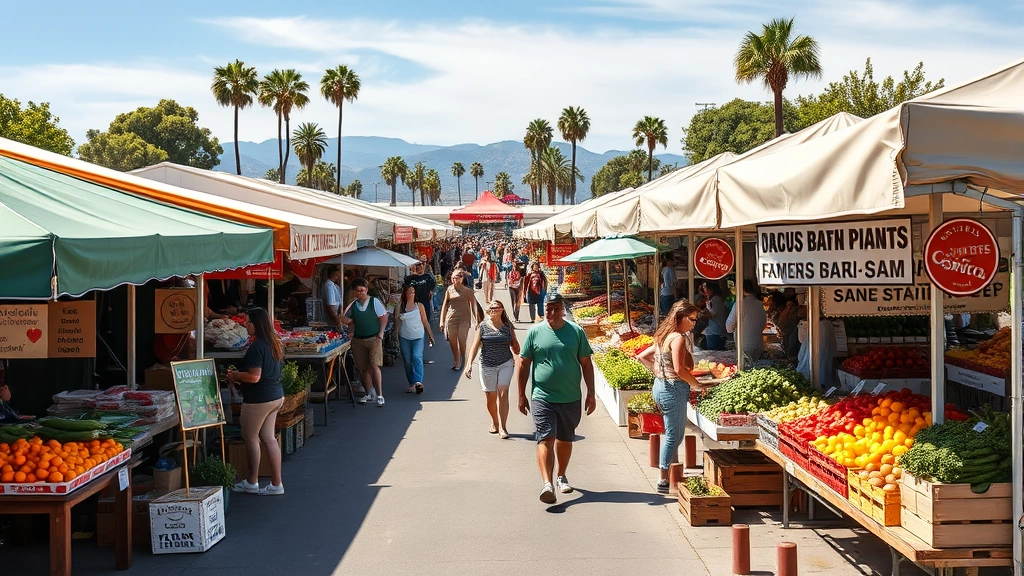
Start with booth layout optimization. Position your highest-margin and most visually appealing products at eye level and at the front of your booth where they immediately catch shopper attention. Use tiered displays to create visual interest and maximize the perceived variety of your offerings. Avoid cluttering your space; strategic white space actually increases perceived value and makes it easier for customers to identify and select products.
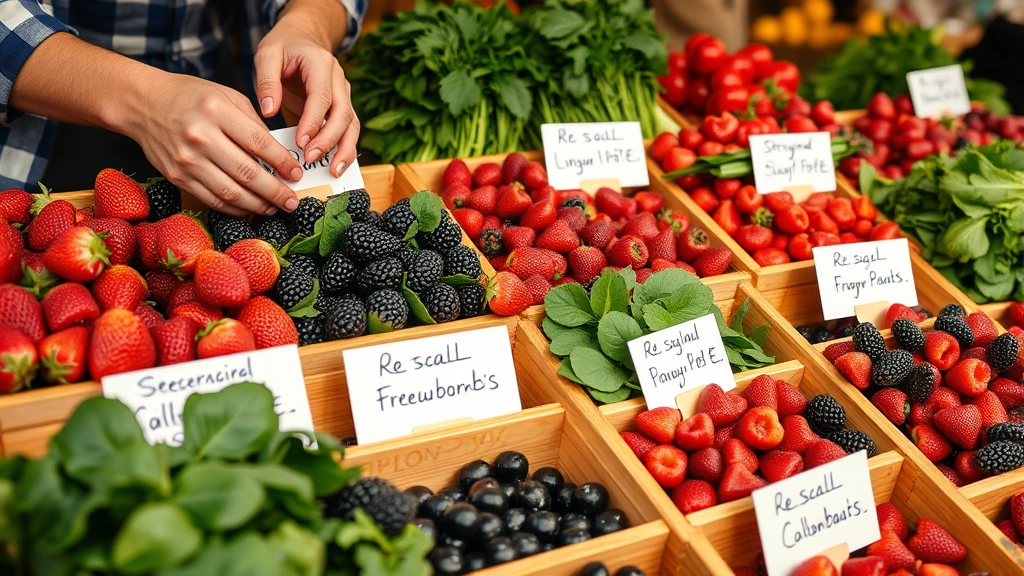
Signage is critical but often overlooked by vendors. Create clear, legible signs that communicate product names, prices, and origin information. Include signs highlighting certifications (organic, non-GMO, pesticide-free) as these strongly influence purchasing decisions in Santa Barbara’s market. Consider adding brief product stories or preparation suggestions on your signage—customers appreciate understanding how to use unfamiliar products or learning about the farming practices behind them.
Color psychology matters in booth design. Warm colors like orange and red draw attention and stimulate appetite, while natural wood tones and earth colors convey authenticity and sustainability. Many successful vendors create branded booth designs that remain consistent week to week, building brand recognition and customer familiarity.
Invest in quality display materials that reflect your brand positioning. Vendors selling premium products should avoid cheap plastic crates and cardboard boxes; instead, use attractive wooden crates, woven baskets, or custom display units that enhance perceived value. Your booth appearance should match or exceed the quality level of your products.
Consider implementing a strategic marketing approach for small businesses that extends beyond your physical booth. Include QR codes linking to your website or social media pages, offer business cards or brochures, and create Instagram-worthy moments that encourage customers to share photos of your products on social media.
Pricing Strategy and Competitive Analysis
Pricing represents one of the most challenging decisions for farmers market vendors. Price too high and you’ll lose volume; price too low and you’ll undermine profitability and perceived value. Successful pricing strategies combine cost analysis, competitive benchmarking, and psychological pricing principles.
Begin with thorough cost accounting. Calculate your production costs including seeds, labor, transportation, booth fees, and packaging. Many beginning vendors underestimate true costs and price products below sustainable levels. Establish a minimum margin target—most successful farmers market vendors aim for 40-60% gross margins after accounting for all direct costs.
Conduct regular competitive analysis by shopping other vendors at the Santa Barbara Farmers Market and similar regional markets. Document pricing for comparable products, noting any variations based on product quality, organic certification, or brand positioning. This competitive intelligence helps you position your prices within market norms while maintaining your margin targets.
Implement psychological pricing strategies appropriate for your customer base. While price-point psychology (e.g., $4.99 instead of $5.00) works for budget-conscious shoppers, Santa Barbara’s affluent market often responds better to round numbers that convey confidence and premium positioning. Test different price points and monitor sales volume to optimize revenue.
Offer bundling opportunities that increase average transaction value. Create pre-packaged product combinations at attractive price points, or offer volume discounts for customers purchasing multiple units. Bundle complementary products (e.g., fresh herbs with vegetables) to increase basket size and customer satisfaction.
Consider implementing dynamic pricing based on product freshness and inventory levels. Products nearing the end of their shelf life can be discounted strategically to move inventory while recouping costs. Conversely, limited-availability or seasonal items can command premium pricing based on scarcity.
Building Customer Loyalty and Repeat Business
Repeat customers represent your most profitable revenue source. According to Small Business Administration research, acquiring new customers costs five times more than retaining existing ones. Building loyalty systems and customer relationships should be a core strategic priority.
Implement a simple customer loyalty program. Collect email addresses through a sign-up sheet or digital form, offering a small incentive like a discount code or free sample. Use this list to send weekly product updates, seasonal offerings, and exclusive promotions. Email marketing for farmers market vendors typically achieves 25-40% open rates, significantly higher than general retail email campaigns.
Develop personal relationships with regular customers. Learn their names, remember their preferences, and recommend new products aligned with their past purchases. This personalization creates emotional connections that transcend price competition and build loyalty that competitors cannot easily replicate.
Create a rewards program that incentivizes repeat visits. Implement a simple punch card system where customers earn a free product after eight purchases, or offer a 10% loyalty discount for customers who visit three consecutive weeks. Digital loyalty programs using mobile apps or text-based systems offer more sophisticated tracking capabilities for vendors with the technical infrastructure.
Gather customer feedback actively. Ask customers about their preferences, what products they’d like to see, and how you could improve your offerings. This feedback provides valuable market intelligence while demonstrating that you value their input. Customers who feel heard become advocates who recommend your products to friends and family.
Host sampling events and product demonstrations. Customers who taste your products are significantly more likely to purchase. Offer free samples of new products or less-familiar items, and provide simple recipe cards or preparation instructions. This educational approach builds customer confidence and increases perceived value.
Digital Marketing for Farmers Market Vendors
Digital marketing has become essential for farmers market vendors seeking to extend their reach beyond physical booth interactions. Social media platforms, email marketing, and digital advertising complement in-person sales and build community awareness of your brand.
Instagram represents the most effective social media platform for farmers market vendors. The visual nature of the platform perfectly showcases agricultural products, and users actively search for local, organic, and artisanal products. Post high-quality photos of your products, behind-the-scenes farming content, and customer testimonials. Use location tags and local hashtags (#SantaBarbaraFarmersMarket, #SBLocal) to increase discoverability among local shoppers.
Develop a comprehensive marketing plan that integrates your farmers market presence with digital channels. Consistency across platforms—using the same business name, logo, and messaging—builds brand recognition and professional credibility. Direct customers from social media to your booth by posting your booth location and weekly offerings.
Consider the latest digital marketing trends for 2025 when developing your strategy. Video content, particularly short-form videos showcasing product harvesting or preparation, generates exceptional engagement. Live-streaming from the farmers market provides real-time connection opportunities and demonstrates product freshness and authenticity.
Create a simple website or landing page that serves as your digital hub. Include information about your products, farming practices, booth location and hours, and customer testimonials. Optimize your website for local search by including “Santa Barbara” and “farmers market” in your page titles and descriptions, improving visibility for local customers searching online.
Implement email marketing campaigns that maintain engagement between market visits. Send weekly newsletters featuring your current product offerings, seasonal highlights, and special promotions. Segment your email list based on customer interests or past purchases to deliver more personalized recommendations.
Explore paid advertising on Facebook and Instagram targeting Santa Barbara residents interested in local products, organic food, and farmers markets. Even small budgets ($100-200 weekly) can generate meaningful awareness among your target demographic. Track ad performance metrics to optimize your spending and maximize return on investment.
Seasonal Planning and Inventory Management
Santa Barbara’s temperate climate enables year-round farming, but seasonal variations still significantly impact product availability, customer demand, and market dynamics. Successful vendors develop distinct seasonal strategies rather than maintaining static product mixes.
Spring (March-May) brings renewed customer interest after winter months and fresh, early-season produce. Capitalize on this momentum by promoting new seasonal items and highlighting the transition to warmer months. Develop limited-edition products or seasonal specialties that drive curiosity and repeat visits.
Summer (June-August) represents peak season with maximum product availability and customer traffic. Prepare for high volume by securing adequate inventory, staffing your booth with additional help, and implementing efficient transaction processes. Focus on high-volume, popular items while maintaining premium offerings for customers seeking specialty products.
Fall (September-November) sees continued strong customer traffic as tourists remain present and local customers prepare for the holiday season. Introduce fall-specific products and consider developing holiday-themed offerings or gift packages that capitalize on seasonal purchasing patterns.
Winter (December-February) presents challenges with reduced growing seasons and lower customer traffic. However, successful vendors view winter as an opportunity to build customer relationships through exclusive offerings, holiday promotions, and personalized service. Develop products suited to winter entertaining and gift-giving.
Implement inventory management systems that track sales patterns, product freshness, and turnover rates. Use this data to optimize ordering and reduce waste. Products with consistently strong sales should be prioritized in your production planning, while slow-moving items should be reconsidered or repositioned.
Plan production schedules aligned with anticipated demand. Overproduction wastes resources and leads to markdowns, while underproduction leaves money on the table. Use historical sales data and seasonal trends to forecast demand accurately.
Compliance, Permits, and Legal Considerations
Operating at the Santa Barbara Farmers Market requires adherence to various regulations and permit requirements. Non-compliance can result in fines, booth removal, or legal liability. Understanding and meeting these requirements is essential for sustainable operations.
Secure all necessary permits and licenses. This typically includes a business license, seller’s permit (for tax purposes), and potentially food handling permits depending on the nature of your products. Contact the Santa Barbara County Department of Agriculture for specific requirements applicable to your product category.
Understand food safety regulations. If you produce processed foods (jams, baked goods, herbal products), you may need a commercial kitchen license or approval from the local health department. Some products can be produced in a certified home kitchen under California’s Domestic Kitchen Operation (DKO) exemption, while others require commercial facilities. Verify requirements specific to your products.
Maintain accurate records of all transactions, expenses, and inventory. This documentation supports tax filing, enables performance analysis, and provides protection in case of disputes. Consider implementing simple point-of-sale systems that automatically generate transaction records.
Obtain appropriate insurance coverage. Product liability insurance protects you in case of customer injury or illness related to your products. Business insurance covers booth equipment, inventory, and other assets. Consult with an insurance professional familiar with farmers market operations to ensure adequate coverage.
Understand your tax obligations. As a self-employed vendor, you’re responsible for income tax, self-employment tax, and potentially sales tax. Keep detailed records of income and expenses, and consider consulting with a tax professional familiar with agricultural businesses to optimize your tax position.
Review the comprehensive market resources available through industry organizations. The California Farmers Market Association and National Farmers Market Association provide guidance on compliance, best practices, and networking opportunities.
Comply with market-specific rules and regulations. Each farmers market establishes its own operating guidelines covering booth setup, hours, product categories, and vendor conduct. Review these requirements carefully and maintain compliance to protect your booth privileges.
FAQ
What are the booth fees at the Santa Barbara Farmers Market?
Booth fees vary depending on booth size and location within the market. Contact the market management directly for current pricing, as fees adjust periodically. Typical fees range from $30-$75 per market day, though premium locations may cost more. Factor booth fees into your pricing strategy to ensure profitability.
How can I stand out among other vendors at the farmers market?
Differentiation occurs through unique products, exceptional customer service, compelling brand storytelling, and consistent booth presentation. Develop products or product variations that competitors don’t offer, build personal relationships with customers, and invest in professional booth design and signage.
Should I accept digital payments at the farmers market?
Yes. While many farmers market customers carry cash, surveys indicate that 40-50% of shoppers prefer card payments. Implement mobile payment solutions like Square or PayPal, which have minimal fees and require no dedicated equipment beyond a smartphone. Accepting digital payments increases sales volume and customer convenience.
How do I determine if a product is viable to sell at the farmers market?
Evaluate products based on production costs, market demand, shelf life, and competitive positioning. Test-sell new products at lower volumes initially to assess customer response before committing significant resources. Monitor sales velocity and customer feedback to identify winners and discontinue underperformers.
What are the best ways to handle product waste and spoilage?
Minimize waste through accurate demand forecasting and proper inventory management. Use “first in, first out” (FIFO) rotation to prioritize selling older inventory. Donate unsold but still-edible products to local food banks, which provides tax deductions and community goodwill. Consider discount pricing for products nearing expiration to recover costs.
Can I sell products that aren’t grown by me personally?
This depends on market regulations and your business model. Some markets allow resellers who purchase from other farmers, while others require vendors to grow or produce their own products. Verify market-specific policies before establishing your vendor booth. If reselling is permitted, source from reliable suppliers and maintain transparency with customers about product origins.
How often should I attend the farmers market?
Consistency builds customer relationships and brand recognition. Attend regularly—ideally every market day if possible—to establish predictable presence that customers can rely on. Missing market days disrupts customer relationships and allows competitors to capture your customer base.


