Sam’s Market Deals? Insider Insights Into Smart Wholesale Shopping
When consumers think about maximizing their purchasing power, Sam’s Club consistently ranks among the top warehouse membership retailers in North America. Sam’s Market deals represent a unique intersection of bulk purchasing, membership exclusivity, and competitive pricing that fundamentally changes how families and small businesses approach their shopping strategies. Understanding the mechanics behind these deals—and how to leverage them effectively—requires deeper analysis than surface-level price comparisons.
The wholesale retail landscape has evolved dramatically over the past decade. Sam’s Club, as a subsidiary of Walmart Inc., operates within a sophisticated supply chain ecosystem that allows it to offer deals that traditional retailers simply cannot match. This insider guide explores the real mechanics behind Sam’s Market deals, reveals how the membership model creates value, and provides actionable strategies for maximizing your savings potential.
Understanding Sam’s Club Market Structure
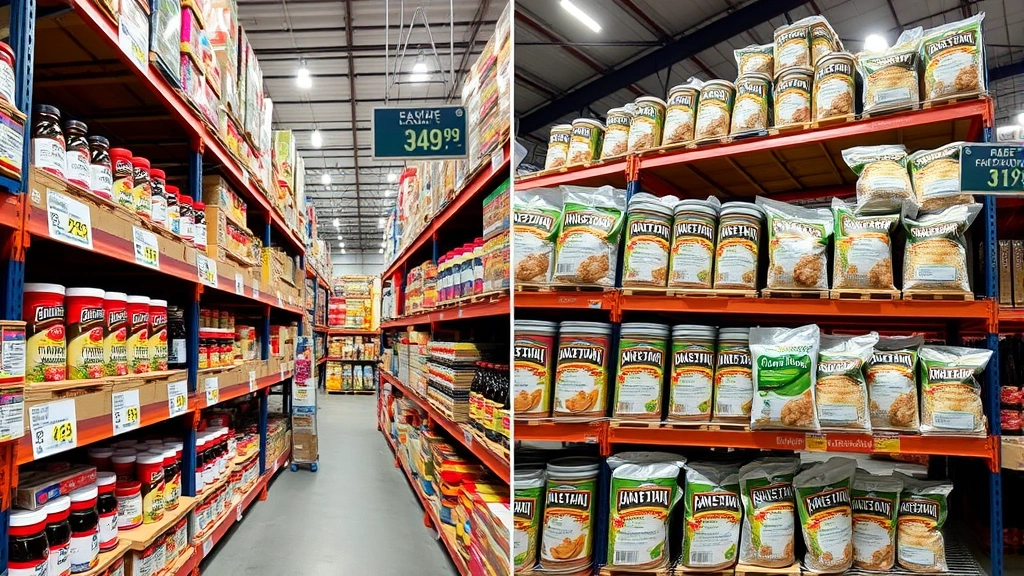
Sam’s Club operates approximately 600 locations across the United States, with additional international presence in Mexico and Japan. Unlike traditional grocery retailers, Sam’s Club functions as a membership-based warehouse club where bulk purchasing is the operational foundation. This structural difference creates fundamental advantages in how deals are negotiated, priced, and presented to members.
The “market” aspect of Sam’s Club refers to its grocery and fresh produce sections, which represent a significant portion of member purchases. These sections operate under different dynamics than the broader merchandise categories. Fresh goods require faster inventory turnover, creating natural opportunities for aggressive pricing strategies. Sam’s Club leverages its parent company’s scale—Walmart operates over 10,500 stores globally—to negotiate supplier contracts that create cascading cost advantages.
The membership model fundamentally alters the economics of retail. Members pay an annual fee (typically $50-$110 depending on membership tier) that guarantees them access to below-market pricing. This fee structure allows Sam’s Club to operate on thinner margins than traditional retailers. Where Walmart operates on margins of 20-25%, warehouse clubs typically operate on 8-12% margins. This counterintuitive approach works because membership fees provide guaranteed revenue, reducing the pressure to mark up merchandise aggressively.

The Membership Economics Behind the Deals
Understanding membership tiers is essential for maximizing Sam’s Market deals. Sam’s Club offers multiple membership levels, each with distinct benefits. The Gold Star membership ($50 annually) provides basic warehouse access. The Plus membership ($110 annually) adds benefits including fuel discounts, additional discounts on select services, and exclusive digital offers. Business memberships cater to small business owners with higher volume purchasing patterns.
The financial mathematics of membership create interesting dynamics. A family spending $2,000 annually at Sam’s Club would need to save at least $50 through better pricing to break even on the Gold Star membership. Most regular members achieve this threshold within their first 10-15 shopping trips, making the membership highly economical for frequent shoppers. This creates powerful incentive alignment—Sam’s Club benefits when members shop frequently and in higher volumes.
Member data analytics drive deal selection. Sam’s Club tracks purchasing patterns across its customer base, identifying which products drive traffic, which categories show price sensitivity, and which items create basket size expansion. This data-driven approach means deals aren’t random; they’re strategically selected to maximize customer lifetime value. When Sam’s Club discounts rotisserie chickens to $4.98, they’re not just offering a bargain—they’re creating a traffic driver that increases overall basket size by an estimated 15-20%.
The relationship between Sam’s Club and Walmart’s broader ecosystem creates additional value. Suppliers often offer better terms knowing that Walmart’s scale provides guaranteed volume. These advantages flow through to Sam’s Club members in the form of lower acquisition costs, which translate directly to lower retail prices. This is particularly evident in private label products, where Sam’s Club’s Member’s Mark brand captures significant market share through aggressive pricing.
Categories Where Sam’s Market Deals Shine
Not all product categories offer equivalent value at Sam’s Club. Strategic shoppers understand which categories deliver genuine savings and which represent merely adequate pricing.
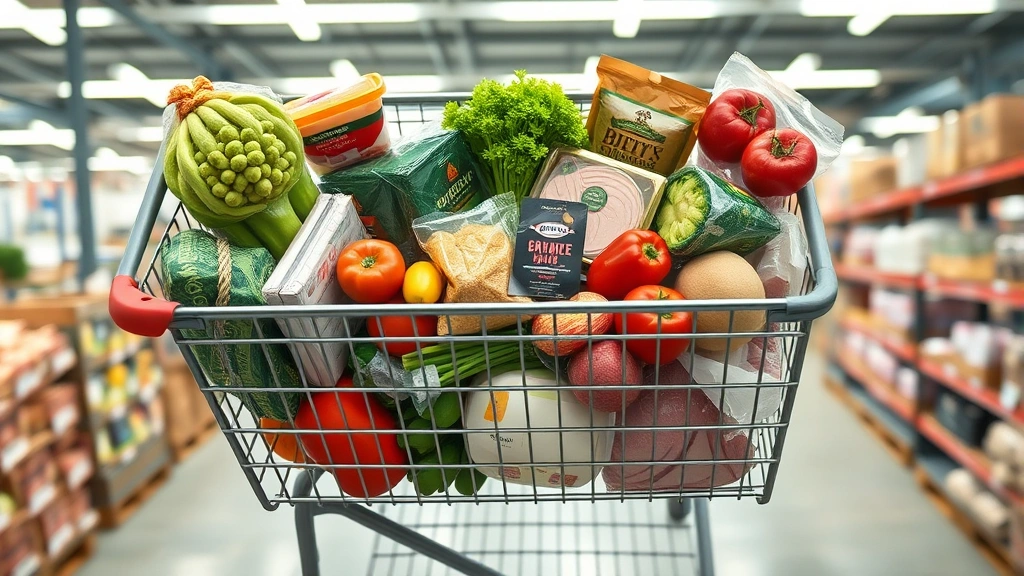
Fresh Produce and Proteins represent Sam’s Club’s strongest category for deals. Rotisserie chickens, ground beef, chicken breasts, and fresh produce items typically undercut traditional grocery prices by 15-30%. The rapid inventory turnover in these categories allows aggressive pricing without inventory risk. A family of four purchasing protein through Sam’s Club versus a traditional grocer could save $100-150 monthly.
Pantry Staples and Dry Goods offer solid but less dramatic savings. Flour, sugar, rice, canned goods, and cooking oils typically cost 10-20% less than traditional retailers when calculated on a per-unit basis. The catch: you’re purchasing in bulk quantities. A 25-pound bag of flour costs less per pound than a 5-pound bag at Kroger, but requires storage space and commitment to use the product before expiration.
Dairy and Refrigerated Items show mixed value. Milk, cheese, and yogurt often feature competitive pricing, but not always the deepest discounts. However, the freshness factor—bulk items typically have longer shelf lives due to higher turnover—adds value beyond pure price comparison.
Bakery and Prepared Foods represent exceptional value opportunities. Sam’s Club bakery items, prepared rotisserie chickens, and deli items frequently undercut grocery store alternatives by 25-40%. These categories have high perceived value and strong member satisfaction, making them strategic deal categories.
Weak Value Categories include specialty items, organic products, and premium brands. Sam’s Club’s advantage diminishes in these categories because volume discount leverage decreases. Organic certification, specialty sourcing, and premium brand positioning reduce supplier flexibility on pricing.
Comparison Strategy: Sam’s vs. Costco vs. BJ’s Wholesale
The warehouse club market includes three major competitors: Sam’s Club, Costco, and BJ’s Wholesale Club. Each operates under different strategic models that create distinct deal patterns. Understanding these differences helps members optimize their warehouse club strategy.
Costco maintains a reputation for member loyalty and premium positioning. Membership fees run higher ($65-130 annually), and the retailer operates on lower margins through higher volume expectations. Costco typically stocks 3,700-4,000 SKUs (stock keeping units) compared to Sam’s Club’s 7,000-8,000. This curated selection means Costco members encounter fewer choices but more negotiating leverage with suppliers. Costco’s Kirkland Signature brand achieves exceptional quality perception, though prices aren’t always lower than Sam’s Club.
BJ’s Wholesale Club operates primarily on the East Coast with approximately 220 locations. BJ’s offers the lowest membership fees ($55-110 annually) and includes features like a rewards program that returns a percentage of purchases. BJ’s stock count falls between Sam’s Club and Costco, with approximately 6,000-7,000 items. For East Coast members, BJ’s often delivers superior value on regional products and seasonal items.
Sam’s Club’s competitive advantage centers on pricing aggressiveness and variety. The higher SKU count means members find a broader selection of both staple items and specialty products. Sam’s Club’s fuel program provides additional value for high-mileage members. The digital integration through the Sam’s Club app creates convenience advantages, particularly for Plus members who access digital deals and early sale access.
Strategic members often maintain memberships at multiple warehouse clubs, exploiting each retailer’s specific strengths. Costco might excel on premium proteins and organic products, Sam’s Club on bulk pantry items and prepared foods, and BJ’s on regional specialty items and rewards accumulation. This multi-club approach maximizes deal capture across product categories.
Seasonal and Rotational Deal Patterns
Sam’s Club operates on a sophisticated promotional calendar that follows seasonal demand patterns and supply availability. Understanding these patterns allows members to time major purchases strategically.
Q1 (January-March) features aggressive deals on fitness equipment, healthy foods, and diet-related products. New Year’s resolutions drive demand, and Sam’s Club capitalizes with discounts on exercise bikes, fresh produce, and lean proteins. This period also includes Valentine’s Day promotional items and early spring grilling preparation deals.
Q2 (April-June) emphasizes outdoor entertaining and summer preparation. Grilling supplies, outdoor furniture, and summer beverage deals dominate promotional calendars. Memorial Day weekend triggers aggressive meat and prepared food discounts. This quarter also features school supply deals as parents prepare for summer camp and activities.
Q3 (July-September) includes back-to-school promotions (July-August) and Labor Day weekend deals. Electronics and technology products often feature strong discounts during this period as manufacturers clear inventory for new model releases. End-of-summer clearance on outdoor items creates opportunities for next-year stockpiling.
Q4 (October-December) represents the year’s most aggressive promotional period. Halloween candy, Thanksgiving grocery items, and Christmas merchandise feature steep discounts. Black Friday and Cyber Monday extended promotions at Sam’s Club often deliver better value than traditional retail, particularly for bulk items and bulk gift purchases.
Rotational deals within categories follow supply cycles. Fresh produce prices fluctuate based on harvest seasons—berries cost less in summer, citrus in winter. Protein prices follow livestock cycles and feed cost patterns. Savvy shoppers track these patterns and purchase strategically during low-price windows, particularly for items with long shelf lives like frozen goods and canned products.
Digital Tools and App Features for Deal Hunting
The Sam’s Club mobile app and digital ecosystem represent significant competitive advantages in deal discovery and optimization. Understanding these tools separates casual members from strategic deal hunters.
The Sam’s Club App provides real-time access to digital deals exclusive to app users. Plus members receive early access to certain promotions, sometimes 24-48 hours before general member availability. The app’s search functionality allows members to check product availability and pricing at specific locations before shopping, reducing wasted trips.
Digital Coupons in the app function differently than traditional paper coupons. Members add digital coupons to their account, and discounts apply automatically at checkout. These coupons often feature deeper discounts than paper equivalents. Strategic members review new digital coupons weekly, identifying deals aligned with their shopping patterns.
Price History Tracking through the app allows members to identify whether current prices represent genuine deals or normal pricing. This historical data proves invaluable for seasonal items and products with cyclical pricing patterns. Members can set price alerts on frequently purchased items, receiving notifications when prices drop below their specified threshold.
Personalized Offers based on purchase history provide targeted deals aligned with individual shopping patterns. If a member frequently purchases organic produce, personalized offers emphasize organic items during promotional periods. This algorithmic approach increases deal relevance and conversion rates.
Receipt Integration features allow members to photograph or scan receipts, enabling purchase history tracking and personalized recommendations. This data flows into Sam’s Club’s marketing analytics, informing future deal selection and member communication.
Maximizing Value Beyond Price Tags
True optimization of Sam’s Market deals extends beyond simple price comparison. Several value-multiplication strategies separate maximized members from average shoppers.
Membership Tier Optimization deserves careful analysis. The Plus membership’s additional $60 annual cost requires incremental savings to justify. Members purchasing fuel regularly, using additional services, or benefiting from exclusive digital offers typically achieve positive ROI on the upgrade. A member saving $10 monthly on fuel alone ($120 annually) exceeds the membership upgrade cost within two months.
Product Quality Considerations factor into true value calculation. Sam’s Club’s Member’s Mark private label products often deliver equivalent quality to national brands at 20-30% lower prices. However, some categories feature quality variation. Fresh produce quality varies more than packaged goods, requiring in-store evaluation rather than automatic purchasing.
Expiration Date Optimization involves understanding product shelf life and consumption patterns. Purchasing a 10-pound bag of flour at better per-unit pricing only creates value if the flour gets consumed before expiration. For families with limited storage or consumption patterns, smaller quantities at higher per-unit prices might deliver better total value when accounting for waste risk.
Seasonal Stockpiling Strategy leverages promotional calendars to purchase non-perishable items at peak discount periods. Purchasing canned goods, pasta, and shelf-stable items 3-4 months before anticipated use—timing purchases to coincide with seasonal sales—can reduce annual grocery costs by 8-12%.
Combination Shopping Strategy involves purchasing specific categories at Sam’s Club while maintaining memberships at alternative retailers for superior value in other categories. This approach requires tracking category-specific pricing across retailers but delivers optimal overall value.
Business Use Optimization for small business owners can unlock additional value. Business memberships feature different benefits than personal memberships, including higher volume discounts on certain items and extended return windows. Small cafes, restaurants, or catering operations can achieve 15-25% cost reductions through strategic business membership utilization.
Understanding Real Market Matters and broader market dynamics helps contextualize Sam’s Club’s competitive positioning. The warehouse club sector continues evolving, with Real Clear Markets analysis showing consolidation trends and shifting consumer preferences toward membership-based models. For broader retail insights, the Market Rise Hub Blog provides comprehensive coverage of retail sector developments.
FAQ
Is Sam’s Club membership worth it for small families?
For families of 2-3 people, Sam’s Club membership requires careful analysis. The break-even point typically requires $50-75 in monthly savings, achievable through strategic purchasing of proteins, produce, and pantry staples. Families with limited storage space may struggle to justify membership due to bulk quantity requirements. Small families often benefit more from Costco’s higher-quality curated selection or BJ’s rewards program.
How often do Sam’s Market deals rotate?
Sam’s Club updates its promotional calendar monthly, with major rotations occurring at season transitions (quarterly). Digital deals update weekly, with Plus members receiving early access. High-velocity items like produce and proteins feature more frequent price adjustments based on supply availability.
Can non-members access Sam’s Club deals?
Sam’s Club guest passes allow non-members single-visit access, but deal optimization requires membership. Guest pass pricing often differs from member pricing, limiting value capture. Some employers offer subsidized memberships, making this a valuable benefit to investigate.
What’s the difference between Sam’s Club and Walmart grocery pricing?
Sam’s Club typically undercuts Walmart grocery pricing by 10-20% on bulk items but requires membership fees and larger quantities. Walmart offers convenience and flexibility; Sam’s Club offers maximum value per unit for committed bulk shoppers. The choice depends on shopping patterns and storage capacity.
Does Sam’s Club price match competitors?
Sam’s Club maintains a price-matching policy for identical items, though the policy excludes warehouse club competitors like Costco. This policy applies to mainstream retailers, providing additional value assurance for members concerned about competitive pricing.
How can I maximize Sam’s Club digital deals?
Update your app daily to review new digital coupons, enable notifications for price drops on frequently purchased items, and leverage personalized offers based on your purchase history. Plus members should check early access deals 24-48 hours before general availability. Combining digital coupons with rotational promotions creates multiplicative discounts.