Rose Market Trends: Comprehensive Analyst Insights for 2025
The global rose market has experienced unprecedented growth over the past five years, driven by shifting consumer preferences, seasonal demand fluctuations, and evolving retail strategies. Industry analysts project that the cut flower market, dominated by roses, will reach $3.2 billion by 2028, with compound annual growth rates hovering between 4.5% and 6.2%. Understanding these rose market trends is critical for florists, retailers, wholesalers, and e-commerce businesses seeking competitive advantage in this flourishing sector.
Recent data from horticultural trade organizations reveals that consumer behavior surrounding roses has shifted dramatically. Valentine’s Day remains the peak season, accounting for approximately 40% of annual rose sales, yet Mother’s Day, weddings, and everyday gifting occasions now represent 35% of total volume. This diversification presents both challenges and opportunities for businesses operating within the floral supply chain. By examining analyst insights, market data, and emerging consumer patterns, stakeholders can make informed decisions about inventory management, pricing strategies, and supply chain optimization.
This comprehensive analysis explores the multifaceted dimensions of rose market trends, including supply dynamics, consumer behavior, technological innovation, and strategic positioning recommendations for retailers and wholesalers.
Global Rose Market Size and Projections
The global rose market represents a significant segment within the broader floral industry, which itself maintains robust growth trajectories across developed and emerging markets. According to Statista’s comprehensive market analysis, the cut flower industry generates approximately $2.4 billion annually, with roses commanding 35-40% market share. This positions roses as the single most valuable ornamental crop in global commerce.
Analyst projections for the next five years indicate sustained expansion, with several key factors driving growth. First, increasing disposable income in Asia-Pacific regions has amplified demand for premium floral arrangements. Second, the normalization of online flower purchasing has expanded addressable markets beyond traditional brick-and-mortar retail channels. Third, corporate gifting programs have institutionalized rose purchases as standard business practices. Market Rise Hub Blog highlights how emerging consumer segments continue to discover floral gifting as an accessible luxury.
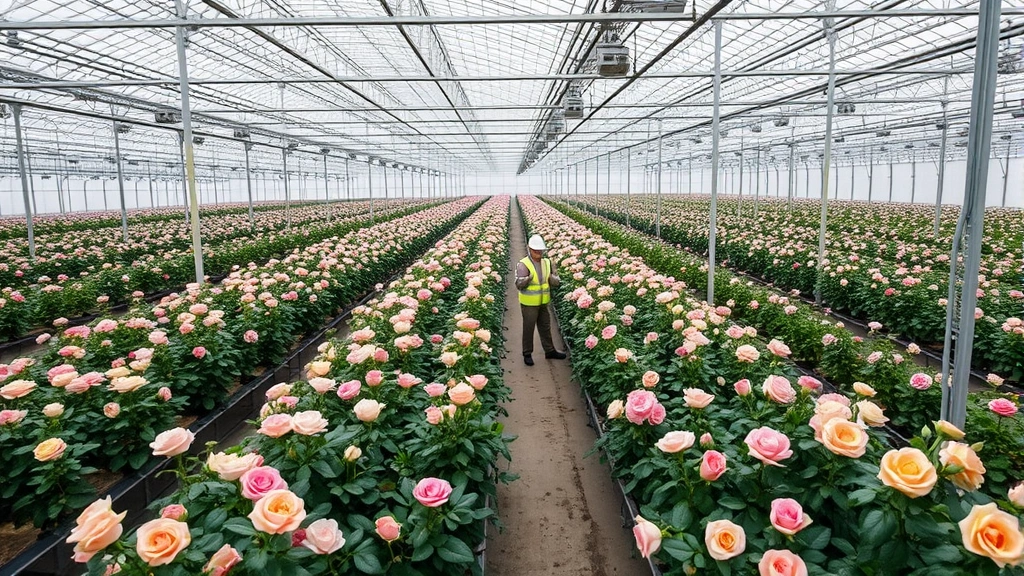
Regional analysis reveals distinct market dynamics: Ecuador and Colombia control approximately 60% of global rose exports, while Kenya, Ethiopia, and Uganda represent emerging suppliers with competitive advantages in labor costs and climate optimization. North America and Europe remain the largest consuming markets, accounting for 55% of global demand. However, Middle Eastern markets demonstrate the fastest growth rates, with year-over-year increases exceeding 12% in several countries.
Market segmentation by rose variety shows interesting trends. Red roses maintain dominance with 45% market share, driven by romantic occasions and traditional preferences. However, specialty varieties including garden roses, spray roses, and premium cultivars have grown 18% annually, indicating consumer appetite for diversity and novelty. This shift has important implications for how to create a marketing plan that emphasizes product differentiation.
Supply Chain Dynamics and Production Centers
Rose production geography has undergone significant transformation over the past decade. While traditional European producers (Netherlands, Italy, Spain) maintain quality reputation and premium positioning, volume production has shifted decisively toward equatorial regions where climate, labor costs, and land availability provide structural advantages. Ecuador currently produces approximately 650 million roses annually, while Colombian production exceeds 800 million stems.
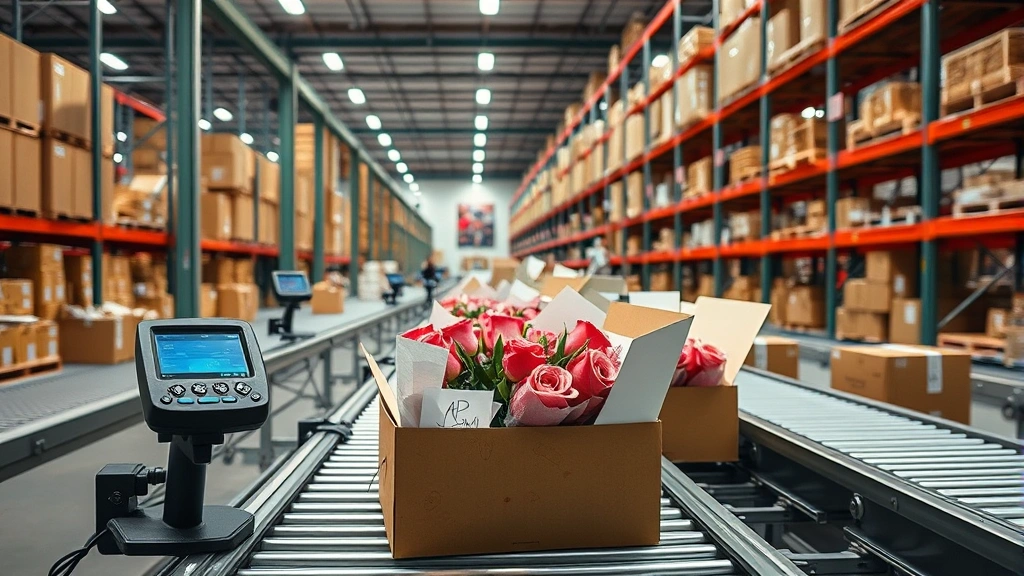
The supply chain from grower to consumer involves multiple intermediaries: producers, exporters, importers, wholesalers, and retailers. This complexity creates both inefficiencies and value distribution challenges. Wholesale prices fluctuate significantly based on season, with peak pricing during Valentine’s Day reaching $1.50-$3.00 per stem, while off-season pricing drops to $0.25-$0.60. Understanding these supply chain dynamics is essential for inventory planning.
Logistics represents a critical cost component, particularly given rose perishability. Air freight, which dominates long-distance rose transport, has become increasingly expensive following pandemic-related capacity constraints. Many suppliers now utilize dedicated cargo flights, which improve reliability but increase baseline costs by 8-15%. Cold chain management technology has advanced significantly, with blockchain tracking and IoT sensors enabling real-time monitoring of temperature, humidity, and ethylene levels throughout transportation.
Vertical integration has become increasingly common among large retailers and e-commerce platforms. FTD, 1-800-Flowers, and regional players have established direct relationships with growers, bypassing traditional wholesale channels and capturing margin improvements of 15-25%. This trend pressures independent florists to differentiate through design expertise and personalized service rather than competing on price.
Consumer Behavior and Purchasing Patterns
Consumer research indicates fundamental shifts in how buyers approach rose purchases. Millennials and Generation Z demonstrate significantly different preferences compared to older demographics. While traditional red roses remain popular for romantic occasions, younger consumers show 40% higher preference for blush, peach, and coral varieties. Additionally, younger buyers increasingly purchase roses for self-gifting and personal enjoyment rather than exclusively for romantic expression.
The average consumer purchasing frequency has increased, with 62% of rose buyers making multiple purchases annually compared to 38% five years ago. This reflects broader trends toward subscription models and recurring gifting occasions. Subscription flower services, pioneered by companies like The Sill and Bloomsy, now represent 8% of online floral sales and are growing at 22% annually.
Gender dynamics in purchasing behavior have evolved considerably. While women traditionally purchased 65% of flowers, current data shows this ratio narrowing to 58%, with men increasing purchase frequency significantly. Research attributes this partly to cultural shifts, increased male participation in household gift-giving decisions, and marketing campaigns explicitly targeting male audiences. Marketing strategy for startups in the floral space increasingly emphasizes inclusive messaging.
Price sensitivity analysis reveals interesting segmentation. High-income consumers ($100K+ annual household income) demonstrate minimal price elasticity, with 71% purchasing premium arrangements regardless of cost. Middle-income consumers show moderate sensitivity, with 45% trading down during economic uncertainty. Budget-conscious buyers increasingly leverage online platforms to compare pricing, with 58% researching multiple retailers before purchasing. This dynamic has compressed margins for standard arrangements while premium and specialty products maintain healthy margins.
Seasonal Demand Fluctuations
Seasonality represents the most pronounced characteristic of rose market dynamics. Valentine’s Day creates a demand spike of 400-500% above baseline levels, typically occurring during the two-week period preceding February 14. This phenomenon creates significant operational challenges for retailers, requiring substantial inventory buildup, staffing expansion, and logistics coordination. Many retailers begin Valentine’s planning six months in advance, securing supply contracts and warehouse capacity.
Mother’s Day (second Sunday in May) generates the second-largest demand spike, representing 25-30% of annual sales volume. Unlike Valentine’s Day, which concentrates demand into a narrow window, Mother’s Day extends across a two-week purchasing period, creating more manageable operational demands. Wedding season (April through October) drives consistent baseline demand, with June commanding premium pricing due to cultural traditions.
Off-season periods (January, August, November) present challenges for maintaining market presence and customer engagement. Smart retailers implement counter-seasonal strategies, including discounting, bundling with complementary products, and promoting sympathy arrangements. Data shows that funeral and sympathy arrangements represent 12-15% of annual rose volume, providing relative consistency during slow seasons. Digital marketing trends for 2025 emphasize year-round engagement strategies that smooth seasonal volatility.
Regional variations in seasonality create arbitrage opportunities for national and international operators. While North America and Europe experience synchronized seasonal patterns, Southern Hemisphere markets (Australia, South Africa, Argentina) operate on inverse calendars. Strategic supply sourcing can leverage these geographic variations to optimize inventory and reduce scarcity pricing.
E-Commerce Impact on Rose Distribution
E-commerce has fundamentally restructured rose market distribution, creating both disruption and growth opportunities. Online floral sales have grown from 8% of market share in 2015 to 28% in 2024, with projections suggesting 40% by 2028. This shift reflects improved logistics capabilities, consumer comfort with digital purchasing, and competitive pricing advantages that online platforms provide.
The e-commerce model enables several competitive advantages: lower overhead costs, geographic reach beyond local markets, sophisticated inventory management systems, and data analytics capabilities that traditional florists cannot match. Large platforms like Amazon Flowers, FTD, 1-800-Flowers, and regional players have invested heavily in technology infrastructure, same-day delivery capabilities, and subscription services. These capabilities create barriers to entry that protect market share.
However, e-commerce presents unique challenges in the floral sector. Product quality variability, particularly regarding freshness and arrangement quality, remains a persistent consumer concern. Online reviews reveal that 22% of rose purchases result in customer dissatisfaction related to product quality or presentation. This drives return rates and refund costs that physical retailers largely avoid. Additionally, same-day delivery logistics, while impressive, remain unprofitable for many operators, requiring subsidization through premium pricing on other products.
Omnichannel strategies have emerged as optimal approaches, combining online ordering convenience with physical store presence for immediate purchases and quality verification. Retailers maintaining both channels report 35% higher customer lifetime value compared to single-channel competitors. Integration of online and offline inventory systems enables flexibility in fulfillment, improving service levels while reducing obsolescence.
Sustainability and Ethical Sourcing Trends
Environmental and ethical considerations have gained prominence in rose purchasing decisions, particularly among younger, affluent consumers. Studies indicate that 41% of millennial and Generation Z buyers consider sustainability factors in floral purchases, compared to 18% of baby boomers. This preference creates market segmentation opportunities for sustainably-sourced roses at premium pricing.
Major sustainability concerns include pesticide usage, water consumption, carbon emissions from air freight, and worker welfare standards. Traditional rose production in developing nations often involves intensive pesticide application, with some facilities applying chemicals 15-20 times per growing season. Certification programs including Fair Trade, Global GAP, and Rainforest Alliance have emerged to address these concerns, though they increase production costs by 12-18%.
Carbon footprint reduction has become increasingly important, particularly given that air-freighted roses generate approximately 5.5 kg of CO2 emissions per kilogram of product. Some retailers have begun promoting locally-grown roses and extending shelf-life through advanced preservation technologies to reduce transportation requirements. Dutch growers utilizing geothermal heating and renewable energy have successfully marketed premium sustainable roses at 30-40% price premiums.
Water usage represents another critical sustainability metric. A single rose requires approximately 7-10 liters of water throughout its growing cycle, creating substantial consumption in water-stressed regions. Sustainable growers implement drip irrigation systems, water recycling infrastructure, and drought-resistant cultivar development to reduce consumption by 40-50%. These investments require significant capital expenditure but appeal to environmentally-conscious consumers and institutional buyers.
Pricing Strategies and Margin Analysis
Rose pricing dynamics reflect complex interactions between supply constraints, demand seasonality, brand positioning, and distribution channels. Wholesale prices exhibit the most volatility, ranging from $0.20-$3.00 per stem depending on season, variety, and quality. Retail pricing demonstrates greater stability, with standard dozen-rose arrangements typically retailing for $35-$75, while premium arrangements command $80-$150+.
Margin analysis reveals significant variation by channel and product category. Traditional florists maintain gross margins of 50-65% on arrangements, though operating expenses (labor, rent, utilities) consume 35-45% of revenue, yielding net margins of 8-18%. E-commerce retailers operate with lower gross margins (35-45%) due to competitive pricing pressures but benefit from lower per-unit fulfillment costs and higher transaction volumes, achieving similar net margins of 10-15%.
Premium product lines demonstrate superior margin profiles. Specialty roses (garden roses, spray roses, exotic varieties) command 30-50% price premiums while maintaining similar fulfillment costs, creating margin expansion of 500-800 basis points. Additionally, complementary products (vases, chocolates, jewelry, greeting cards) generate margins of 60-75%, making bundling strategies particularly valuable for improving overall profitability.
Pricing psychology plays a crucial role in consumer decision-making. Research indicates that consumers perceive rose values in distinct price tiers: budget ($20-$35), standard ($35-$60), premium ($60-$100), and luxury ($100+). Within each tier, consumers exhibit relatively low price sensitivity, suggesting that competing on quality, design, and service within tiers generates superior returns compared to aggressive price competition across tiers.
Technology Innovation in Floral Retail
Technological advancement continues reshaping rose market dynamics and competitive landscapes. Artificial intelligence and machine learning enable sophisticated demand forecasting, improving inventory optimization and reducing both stockouts and obsolescence. Predictive analytics can now forecast demand with 78-85% accuracy up to eight weeks in advance, substantially improving supply chain efficiency.
Augmented reality technology enables consumers to visualize arrangements in their home environments before purchasing, reducing return rates and improving satisfaction. Companies like FTD have implemented AR visualization tools that generate 15-20% improvements in conversion rates among users. Virtual florists and chatbot assistance provide 24/7 customer service capabilities that improve accessibility and reduce operational labor requirements.
Blockchain technology is beginning to address supply chain transparency, enabling consumers to verify sustainability claims, ethical sourcing, and product provenance. While adoption remains limited, early adopters have successfully marketed blockchain-verified roses at 15-25% premiums to environmentally-conscious consumers. This transparency also reduces fraud and counterfeiting in premium product categories.
Robotics and automation are gradually penetrating rose cultivation and processing. Automated harvesting systems, while still imperfect, can reduce labor costs by 20-30% and improve consistency. Robotic arrangement assembly is less viable given the artistic requirements of floral design, but automation of packaging, quality sorting, and logistics continues advancing.
Data analytics capabilities enable personalization at scale. E-commerce platforms track purchase history, browsing behavior, and seasonal patterns to deliver customized recommendations and targeted marketing. This personalization increases average order values by 18-25% and improves customer retention rates by 12-15% compared to generic marketing approaches.
FAQ
What is driving growth in the global rose market?
Multiple factors drive rose market expansion: increasing disposable income in emerging markets, normalization of online flower purchasing, corporate gifting institutionalization, and growing acceptance of roses for occasions beyond romance. Additionally, subscription flower services and year-round gifting trends have expanded market opportunities beyond traditional seasonal concentrations.
Which regions produce the most roses globally?
Ecuador and Colombia dominate global rose production, collectively accounting for approximately 60% of international supply. Kenya, Ethiopia, and Uganda represent emerging suppliers with competitive advantages in climate and labor costs. Traditional European producers maintain quality reputation and premium positioning but represent declining volume share.
How has e-commerce changed rose market dynamics?
E-commerce has grown from 8% to 28% of rose market share, enabling geographic expansion, lower overhead costs, and sophisticated inventory management. However, product quality concerns and unprofitable same-day delivery logistics present challenges. Omnichannel strategies combining online and physical presence prove optimal for customer satisfaction and profitability.
What sustainability considerations matter most to rose consumers?
Younger, affluent consumers prioritize pesticide reduction, water conservation, carbon emissions reduction, and worker welfare standards. Certification programs including Fair Trade and Global GAP enable premium pricing of 12-18%, though consumer awareness remains limited outside affluent demographics.
What are typical rose pricing and margin structures?
Wholesale prices range from $0.20-$3.00 per stem depending on season and variety. Retail standard arrangements retail for $35-$75, while premium arrangements command $80-$150+. Traditional florists maintain gross margins of 50-65% with net margins of 8-18%, while e-commerce retailers operate with lower gross margins (35-45%) but similar net margins through volume efficiency.
How do seasonal fluctuations impact rose business strategy?
Valentine’s Day creates 400-500% demand spikes, requiring six-month advance planning and substantial inventory buildup. Mother’s Day generates 25-30% of annual volume with more manageable demand windows. Off-season periods require counter-seasonal strategies including discounting, bundling, and sympathy arrangement promotion to maintain market presence and customer engagement.