
Entering Global Markets? Expert Strategies Guide
Expanding into international markets represents one of the most significant growth opportunities for businesses today. However, the complexity of navigating different regulatory environments, cultural nuances, and competitive landscapes can be overwhelming. Success in global expansion requires more than ambition—it demands strategic planning, market research, and a deep understanding of regional dynamics.
The global e-commerce market is projected to reach $6.3 trillion by 2024, according to recent industry analysis. Yet many businesses fail in their international ventures due to inadequate preparation and misaligned strategies. This comprehensive guide provides actionable frameworks and expert insights to help you successfully penetrate new markets and establish sustainable competitive advantages abroad.
Understanding Your Target Market
Before entering any international market, you must develop a comprehensive understanding of your target audience and the competitive landscape. This foundational step determines whether your expansion will succeed or falter. Market selection should be based on data-driven analysis rather than intuition or market hype.
Consider demographic factors including population size, income levels, internet penetration, and consumer purchasing power. A market with millions of potential customers may not be viable if purchasing power is insufficient to support your business model. Conversely, smaller markets with high-income consumers might offer better margins and faster profitability.
Evaluate the competitive intensity within your target sector. Markets dominated by entrenched competitors require either significant differentiation or substantial capital investment to capture market share. Emerging markets with less competition may offer faster growth but come with higher operational risks and infrastructure challenges.
Your marketing strategy for small businesses should be adapted based on market-specific consumer behaviors. Understanding whether your target market prefers online shopping, mobile commerce, or traditional retail channels is critical for resource allocation and go-to-market approach.
Conducting Thorough Market Research
Rigorous market research forms the backbone of successful international expansion. This process involves quantitative data collection, qualitative insights, and competitive analysis that provides a 360-degree view of your target market.
Primary Research Methods:
- Conduct surveys and focus groups with potential customers in target markets
- Interview local business experts, industry consultants, and distribution partners
- Analyze competitor offerings, pricing strategies, and market positioning
- Assess supply chain logistics and local sourcing capabilities
- Evaluate consumer preferences through social media sentiment analysis
Secondary Research Sources:
- Government trade statistics and economic reports
- Industry-specific reports from analysts like Statista and Forrester Research
- Chamber of Commerce databases and trade association publications
- Academic studies on consumer behavior in target regions
- Financial reports from publicly traded competitors in those markets
According to McKinsey & Company, companies that invest in comprehensive market research before international expansion are 3.5 times more likely to achieve their growth targets within the first three years.
Document all findings in a structured market analysis report that includes market size estimates, growth projections, customer segmentation, competitive positioning, and entry barriers. This document becomes your strategic reference throughout the expansion process and helps align stakeholders around data-driven decisions.
Regulatory and Legal Considerations
International business operations are subject to complex regulatory frameworks that vary significantly across jurisdictions. Failing to comply with local regulations can result in substantial fines, operational shutdowns, or reputational damage that undermines your market entry.
Critical Regulatory Areas:
- Data Protection and Privacy: GDPR in Europe, CCPA in California, and various national data protection laws impose strict requirements on how you collect, store, and process customer information
- Tax and Tariffs: Understand value-added tax (VAT), corporate income tax rates, and import/export duties that affect your cost structure and pricing
- Labor Laws: Employment regulations, minimum wage requirements, and worker protection standards vary dramatically across countries
- Product Standards: Safety certifications, labeling requirements, and product compliance standards must be met before products can be sold legally
- Intellectual Property: Patent, trademark, and copyright protection levels differ by country, affecting your ability to protect proprietary assets
Engage local legal counsel in your target markets to navigate these complexities. The cost of legal consultation is minimal compared to the potential liability of non-compliance. Many jurisdictions require foreign businesses to establish local entities, which involves additional regulatory filings and ongoing compliance obligations.
Establish a compliance calendar that tracks all regulatory deadlines, reporting requirements, and renewal dates. Assign clear responsibility for each compliance area and implement automated systems to ensure nothing falls through the cracks.
” alt=”Business professionals reviewing international market documents and data analytics on tablet and laptop at conference table” style=”width:100%;max-width:800px;height:auto;border-radius:8px;margin:1em 0;”>
Localization Beyond Translation
Many businesses make the critical mistake of viewing localization as simple translation of marketing materials and product descriptions. Effective localization encompasses cultural adaptation, local preferences, and market-specific business model adjustments.
Localization Elements to Address:
- Language and Dialects: Professional translation by native speakers who understand local idioms, cultural references, and market-specific terminology
- Currency and Pricing: Localize pricing strategies based on local purchasing power, competitor pricing, and psychological pricing preferences
- Payment Methods: Support locally preferred payment options—some markets prefer e-wallets, others prefer bank transfers or cash-on-delivery
- Customer Service: Provide support in local languages with culturally appropriate communication styles and response times
- Product Adaptation: Modify product features, packaging, or sizing to match local preferences and regulations
- Visual Identity: Adapt colors, imagery, and design elements to align with local cultural sensitivities and aesthetic preferences
Review your digital marketing trends 2025 strategy to ensure messaging resonates with local audiences. What works in your home market may fall completely flat or even offend customers in different cultural contexts.
Establish relationships with local cultural consultants who can review your marketing materials, product positioning, and customer communications before launch. This investment prevents costly mistakes and demonstrates respect for local markets, building brand trust from the outset.
Building Strategic Partnerships
International expansion rarely succeeds through purely organic growth. Strategic partnerships with local distributors, retailers, logistics providers, and business consultants accelerate market entry and reduce operational risks.
Partnership Types and Benefits:
- Distribution Partners: Local distributors understand supply chain dynamics, customer relationships, and regulatory requirements. They reduce your capital requirements for warehousing and logistics infrastructure
- Retail Partners: Established retailers provide immediate market access and customer traffic without requiring you to build physical retail presence
- Technology Partners: Local tech companies can facilitate payment processing, platform localization, and technical infrastructure setup
- Consulting Partners: Local business consultants provide market intelligence, regulatory guidance, and introductions to key stakeholders
- Joint Venture Partners: Co-ownership structures with local entrepreneurs share risk and leverage their market expertise and connections
When selecting partners, prioritize cultural fit and alignment on long-term vision over immediate revenue potential. A partner who shares your commitment to quality and customer satisfaction will create more value than a partner focused solely on short-term profits.
Establish clear partnership agreements that define roles, responsibilities, performance metrics, and dispute resolution processes. Regular communication and performance reviews ensure partnerships remain productive and aligned with your strategic objectives.
Digital Infrastructure and Technology
Your digital infrastructure must support international operations including multi-currency transactions, multi-language content management, and regional compliance requirements.
Essential Technology Components:
- E-Commerce Platform: Select platforms that support multiple currencies, languages, and payment gateways. Ensure the platform complies with local regulations in each market
- Content Management System: Implement systems that enable efficient management of localized content across multiple markets
- Customer Relationship Management: Track customer interactions, preferences, and purchase history across all markets to enable personalized marketing
- Logistics and Inventory Management: Integrate systems that track inventory across multiple warehouses and manage international shipping
- Analytics and Reporting: Establish dashboards that provide real-time visibility into performance metrics by market, product, and customer segment
Conduct a technology audit before expansion to identify gaps and plan necessary investments. Cloud-based solutions often provide better scalability and flexibility for international operations than on-premise systems.
Ensure your technology infrastructure can handle increased transaction volume, data storage requirements, and simultaneous access from multiple time zones. Performance issues create poor customer experiences and damage brand reputation in new markets.
Financial Planning for Global Expansion
International expansion requires substantial capital investment with uncertain returns. Realistic financial projections and adequate funding are essential for surviving the critical early phases of market entry.
Key Financial Considerations:
- Market Entry Costs: Budget for legal entity registration, regulatory compliance, initial inventory, marketing campaigns, and staffing
- Working Capital: International transactions often involve longer payment cycles and higher inventory requirements than domestic operations
- Currency Risk: Establish hedging strategies to manage exposure to currency fluctuations that affect profitability
- Tax Structure: Work with international tax specialists to establish optimal corporate structures that minimize tax liability across jurisdictions
- Break-Even Timeline: Develop realistic projections for when each market will achieve profitability, typically 18-36 months for new market entry
Create detailed financial models that include sensitivity analysis showing how changes in key assumptions affect profitability. Conservative assumptions help ensure you have adequate capital reserves to weather unexpected challenges.
Explore funding options including venture capital, private equity, bank financing, and government export assistance programs. Many governments offer grants, loans, or tax incentives to encourage business expansion into international markets.
Implement strict financial controls and regular monitoring of actual performance against projections. If a market is underperforming significantly, make timely decisions about whether to increase investment, adjust strategy, or exit the market.

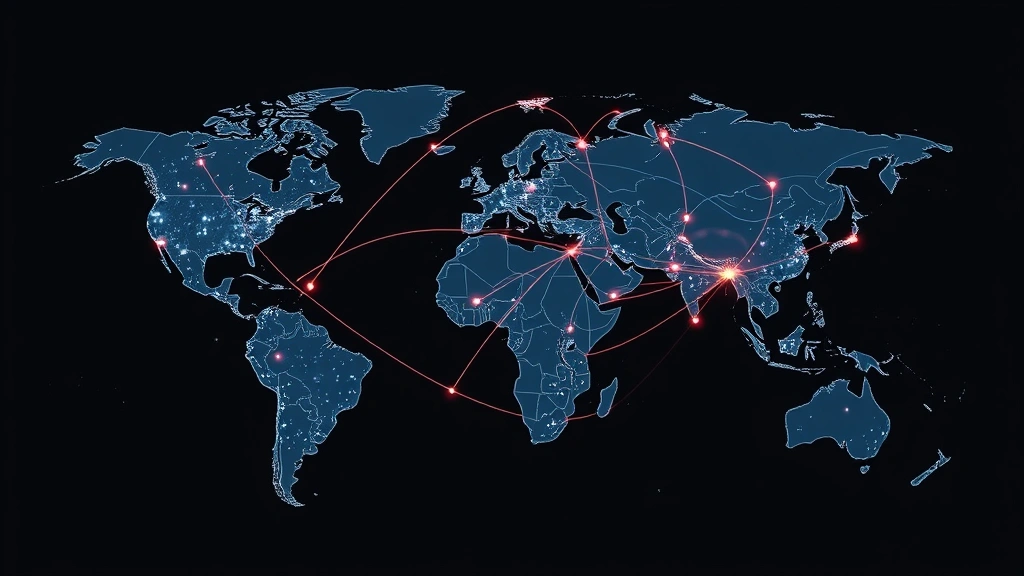
” alt=”Global expansion strategy displayed through world map with connected nodes representing international business networks and market connections” style=”width:100%;max-width:800px;height:auto;border-radius:8px;margin:1em 0;”>
Risk Management Strategies
International expansion introduces multiple risk categories that require proactive management. Developing comprehensive risk mitigation strategies reduces the likelihood of costly failures.
Primary Risk Categories:
- Political Risk: Changes in government, policy shifts, or political instability can disrupt operations. Diversify across multiple markets to reduce concentration risk
- Economic Risk: Currency devaluation, inflation, or recession can impact profitability. Implement hedging strategies and maintain flexible cost structures
- Operational Risk: Supply chain disruptions, staffing challenges, or infrastructure failures can prevent product delivery. Develop contingency plans and maintain safety stock
- Competitive Risk: Local competitors may respond aggressively to your market entry. Differentiate through superior customer experience or innovation
- Reputational Risk: Poor quality, customer service failures, or cultural missteps damage brand reputation. Invest in quality assurance and customer support
Purchase appropriate insurance coverage including political risk insurance, currency risk insurance, and comprehensive liability coverage. Insurance costs are tax-deductible and provide protection against catastrophic losses.
Establish clear decision criteria for market exit if conditions deteriorate significantly. Continuing to invest in a failing market is often more costly than admitting the entry strategy didn’t work and reallocating resources to more promising opportunities.
Your how to create a marketing plan should include contingency scenarios for different risk events and clear escalation procedures for decision-making when unexpected challenges arise.
Monitor leading indicators of market health including customer acquisition costs, customer lifetime value, competitive intensity, and regulatory changes. Early detection of negative trends enables rapid response before problems become severe.
FAQ
How long does it typically take to see profitability in a new international market?
Most businesses require 18-36 months to achieve profitability in new international markets. The timeline depends on market size, competitive intensity, and your marketing investment level. Smaller markets with less competition may achieve profitability faster, while large competitive markets require longer to establish market presence. Ensure your financial planning accounts for this extended timeline.
Should we enter multiple markets simultaneously or focus on one market first?
The optimal approach depends on your financial resources and management capacity. Entering a single market first allows you to refine your strategy and operational processes before expanding to additional markets. However, if you have substantial capital and experienced management, entering multiple markets simultaneously can accelerate overall growth. Most mid-sized businesses find sequential entry more manageable and less risky.
What’s the most common reason businesses fail in international expansion?
Inadequate market research and underestimation of operational complexity are the leading causes of failure. Many businesses assume their home market success will translate directly to international markets without sufficient adaptation. Insufficient capital to sustain operations through the pre-profitability phase is another major factor. Success requires patience, cultural humility, and willingness to adapt your business model to local conditions.
How important is local partnership for international expansion?
Local partnerships significantly increase the probability of success by providing market knowledge, established relationships, and operational infrastructure. However, partnerships must be carefully selected and managed. A poor partner can damage your brand and market position. Invest time in due diligence and establish clear agreements before committing to partnerships.
What role does digital marketing play in international expansion?
Digital marketing is increasingly critical for international expansion, enabling cost-effective customer acquisition and brand building. However, digital strategies must be localized for each market including language, cultural context, and local platform preferences. Some markets rely heavily on social media marketing while others respond better to search engine marketing or content marketing. Adapt your digital approach to match local consumer behavior.
How do we manage currency risk in international operations?
Currency risk can be managed through multiple strategies including natural hedging (matching revenue and expenses in the same currency), financial hedging through forward contracts or options, and pricing strategies that adjust for currency movements. Work with financial experts to develop a currency management strategy appropriate for your business model and risk tolerance.