Prague Christmas Market: Traveler’s Insight & Economic Impact
Prague’s Christmas markets represent far more than festive shopping destinations—they’re significant economic engines that drive seasonal commerce, employment, and tourism revenue across the Czech Republic. Every winter, millions of visitors descend upon Prague’s historic squares to experience centuries-old traditions blended with modern retail innovation. Understanding the Prague Christmas market phenomenon provides valuable insights into how seasonal commerce operates in Europe’s premium travel destinations and what makes these markets essential to both local economies and international tourism strategies.
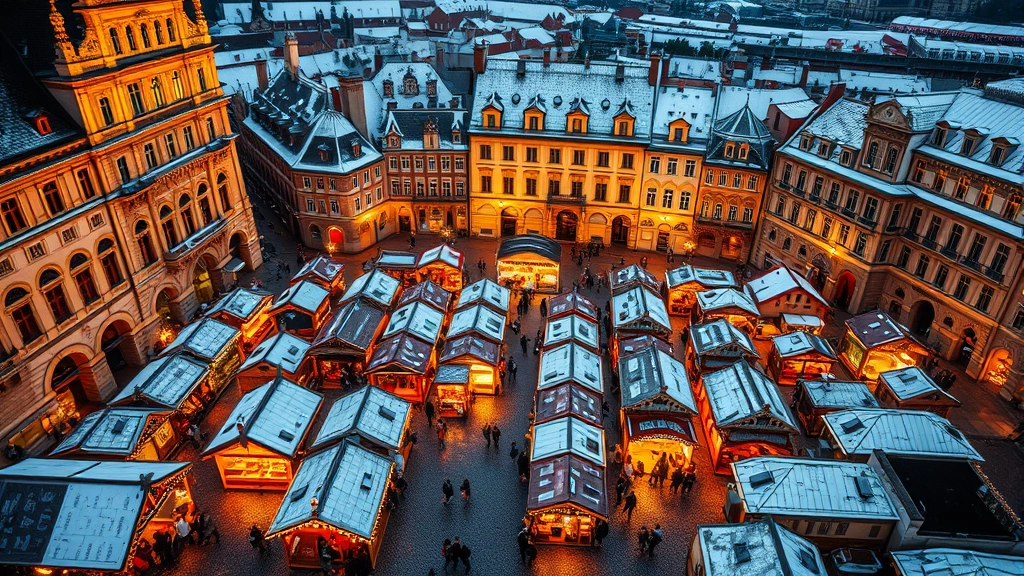
The Prague Christmas market season transforms the city’s architectural centerpiece into a bustling commercial hub, generating substantial revenue for vendors, hospitality businesses, and local government. From November through early January, Old Town Square (Staroměstské náměstí) and Wenceslas Square (Václavské náměstí) become epicenters of commerce, featuring hundreds of wooden chalets selling traditional crafts, food, beverages, and holiday merchandise. This seasonal surge demonstrates how physical retail spaces maintain competitive advantage against e-commerce through experiential shopping and cultural authenticity.

Prague Christmas Market Overview & Historical Context
Prague’s Christmas markets evolved from medieval trading traditions, where merchants gathered in city squares during winter months to exchange goods and supplies. The modern iteration began gaining prominence in the 1990s following the Czech Republic’s transition to a market economy. Today, Prague hosts multiple Christmas markets across different districts, though Old Town Square remains the flagship destination attracting approximately 2 million visitors annually during the season.
The markets operate under strict municipal regulations established by Prague’s city council, ensuring quality standards, vendor vetting, and safety protocols. Each wooden chalet measures standardized dimensions, and vendors must comply with food safety regulations, labor laws, and environmental standards. This regulatory framework distinguishes Prague’s markets from informal street markets, positioning them as premium shopping experiences that command higher foot traffic and customer spending than unregulated alternatives.
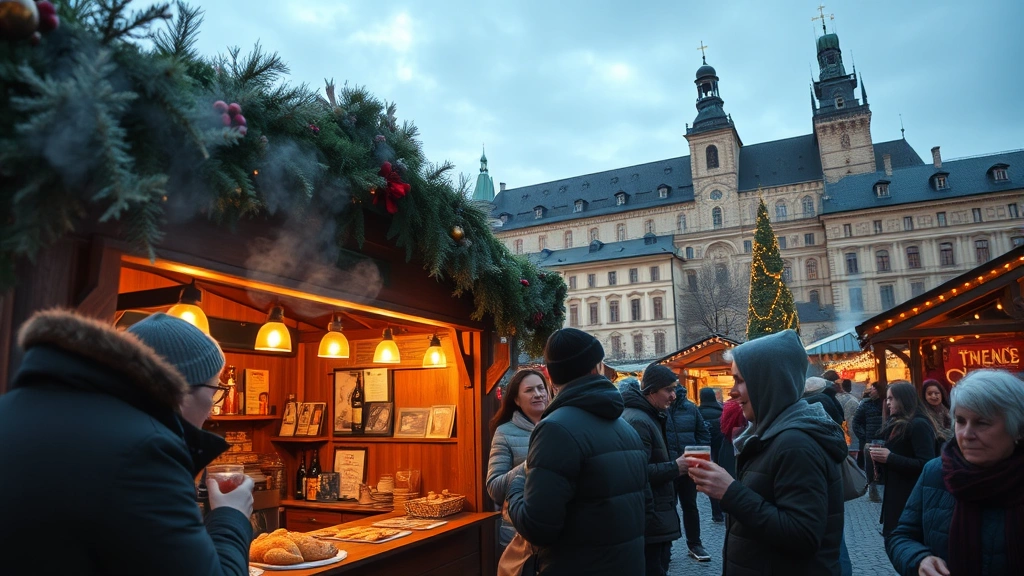
According to Prague Post, the 2024 season featured expanded market areas and enhanced infrastructure compared to previous years, reflecting growing investment in seasonal commerce infrastructure. The markets feature traditional Czech products including trdelník (sweet pastry), mulled wine (svařák), handcrafted ornaments, wooden toys, and artisanal goods produced by local craftspeople. This product mix balances mass-market appeal with authentic cultural offerings, creating differentiation against generic holiday retail.
Economic Impact & Revenue Generation
The Prague Christmas market season generates estimated €150-200 million in direct economic activity annually, according to tourism industry analysts. This figure encompasses vendor revenues, hospitality spending, transportation services, and ancillary commerce. The multiplier effect extends beyond direct spending—vendors purchase inventory, employ seasonal workers, and source supplies from local suppliers, creating secondary economic benefits throughout Prague’s supply chain.
Individual vendor revenues vary significantly based on location, product category, and operational efficiency. Premium locations in Old Town Square generate €3,000-8,000 daily during peak season (December 15-24), while secondary locations produce €1,500-3,500 daily. Vendors selling high-margin items like mulled wine, handcrafted jewelry, and specialty foods outperform those offering low-margin merchandise. A Economist Intelligence Unit report on European seasonal markets identified Prague among the top-performing destinations for vendor profitability and customer spending per visitor.
Hotel occupancy rates during the Market Rise Hub Blog Christmas season consistently exceed 85%, compared to 65-70% during shoulder seasons. Premium hotels command 20-30% rate premiums during December, while mid-range and budget accommodations operate at near-capacity. This hospitality surge generates approximately €80-120 million in accommodation revenue alone, supporting thousands of hotel staff, housekeeping services, and property management operations.
Restaurant and bar revenue increases 40-60% during the market season, as visitors seek dining experiences, coffee shops, and beverage services. Traditional Czech restaurants specializing in seasonal cuisine report waitlists and extended operating hours. Retail businesses beyond the markets benefit from increased foot traffic, with shopping districts experiencing 35-50% sales increases compared to non-holiday periods.
Vendor Dynamics & Business Opportunities
The Prague Christmas markets attract approximately 600-800 vendors annually, representing diverse business models and product categories. Vendors range from individual craftspeople operating single chalets to small business operators managing multiple locations across different Prague markets. The vendor application process occurs 6-8 months before the season, with selection committees evaluating product authenticity, pricing fairness, and brand alignment with market positioning.
Vendor selection prioritizes Czech and European producers over imported goods, maintaining cultural authenticity and supporting local economies. This preference creates competitive advantages for artisanal businesses and established Czech brands. Vendors report that market participation provides crucial seasonal revenue, accounting for 25-40% of annual income for many small producers. For emerging craftspeople, the markets serve as low-risk retail channels without requiring permanent storefront investment.
The vendor fee structure includes booth rental (€400-1,200 depending on location and size), utility charges, and municipal contributions. These costs are offset by high-volume sales during peak season, typically generating positive cash flow within 2-3 weeks of opening. Successful vendors implement inventory management systems, pricing optimization, and staff scheduling to maximize profitability within constrained operating windows.
Vendor participation demonstrates how marketing strategy for startups applies to seasonal commerce. Established vendors leverage social media promotion, email marketing, and influencer partnerships to build customer anticipation before the season opens. First-time vendors often partner with tourism boards and travel bloggers to gain visibility, recognizing that market success depends on effective reach to target audiences.
Market participation also functions as market research and product testing for vendors. Seasonal feedback informs product development, pricing strategies, and merchandise selection for the following year. Vendors track customer preferences, competitive offerings, and emerging trends, using market data to optimize their broader business strategies throughout the year.
Consumer Behavior & Purchasing Patterns
Prague Christmas market visitors represent diverse demographics including domestic Czech tourists, European travelers, and international visitors from Asia, North America, and beyond. Spending patterns vary significantly by visitor origin, with international tourists spending 2-3 times more than domestic visitors. Average spending per visitor ranges from €35-85 depending on duration of stay and product preferences.
Purchase categories show distinct patterns: food and beverages account for 35-40% of spending, handicrafts and gifts represent 30-35%, and apparel/accessories comprise 20-25%. Mulled wine emerges as the highest-volume individual product, with markets selling approximately 500,000 cups during the entire season. Handcrafted ornaments and decorations appeal strongly to international visitors seeking authentic Czech souvenirs, while local visitors prioritize food items and casual beverages.
Visitor behavior research indicates that market experience drives repeat visits and word-of-mouth promotion. Approximately 60% of visitors report planning return visits, and 75% indicate they would recommend the markets to friends or family. This organic advocacy generates sustained tourism demand and justifies ongoing municipal investment in market infrastructure and promotion.
According to Skift, a leading travel industry analyst, Prague ranks among Europe’s top ten Christmas market destinations specifically because of visitor satisfaction metrics and spending patterns. The markets benefit from established brand recognition through travel media coverage, social media content, and tourism guidebooks. Many visitors specifically plan Prague trips around the Christmas market season, treating market attendance as a primary travel motivation rather than incidental activity.
Digital payment adoption has increased significantly, with 60-70% of vendors now accepting card payments alongside cash. This infrastructure improvement reduces transaction friction and appeals to international visitors unfamiliar with Czech currency. Contactless payment systems implemented post-pandemic have further enhanced the customer experience and transaction efficiency.
Tourism & Hospitality Integration
Prague’s tourism board actively promotes Christmas markets as anchor attractions within broader destination marketing strategies. The markets function as catalysts for extended stays, with visitors arriving for 3-5 day trips centered on market exploration and holiday experiences. This extended-stay pattern generates significantly higher total spending compared to day-trip visitors, benefiting the entire tourism ecosystem.
Hotels, tour operators, and hospitality businesses have developed specialized Christmas market packages bundling accommodation, guided market tours, traditional meals, and cultural experiences. These packaged offerings command 15-25% premiums over standard holiday rates, reflecting the value customers place on curated Christmas experiences. Tour operators report that Prague Christmas market packages represent their fastest-growing seasonal offerings, with booking growth of 12-18% annually.
The hospitality sector’s integration with market commerce creates synergistic economic benefits. Hotel concierges direct guests toward premium vendors, restaurants promote market-adjacent dining, and transportation services coordinate shuttle services to market locations. This ecosystem integration exemplifies how markets near me concepts function in practice, where physical proximity enables cross-industry collaboration and mutual revenue enhancement.
Accommodation providers implement dynamic pricing strategies recognizing market season demand elasticity. Premium hotels achieve occupancy rates exceeding 90% while maintaining rate increases of 25-35% above baseline rates. This pricing power reflects strong demand inelasticity for Christmas market experiences, where travelers prioritize market access and hospitality quality over cost minimization.
Transportation infrastructure has been expanded to accommodate market-driven tourism demand. Metro systems increase service frequency, additional bus routes service market locations, and ride-sharing services report surge pricing during peak market hours. These infrastructure investments, funded through municipal budgets and tourism development funds, demonstrate recognition of Christmas markets as strategic economic assets warranting infrastructure investment.
Digital Marketing & Promotion Strategies
Prague’s tourism board and individual vendors employ sophisticated digital marketing strategies to maximize market awareness and drive visitor traffic. Social media campaigns across Instagram, Facebook, and TikTok showcase market aesthetics, product offerings, and customer experiences. User-generated content from previous seasons provides authentic marketing material with strong engagement metrics—Christmas market content typically generates 3-5 times higher engagement than non-seasonal tourism content.
Email marketing campaigns target previous visitors and identified prospects, promoting market opening dates, vendor highlights, and special events. Segmentation strategies differentiate messaging by visitor origin, previous spending patterns, and product preferences. Email marketing generates approximately 15-20% of market visitor traffic, making it a critical component of digital promotion strategy.
Search engine optimization efforts focus on high-intent keywords including “Prague Christmas market,” “Christmas markets Prague,” and related variations. Organic search traffic represents 25-30% of visitor acquisition, reflecting significant search volume during the planning phase. Paid search campaigns during peak planning periods (August-October) drive visitor acquisition at costs of €2-5 per qualified visitor.
Content marketing through travel blogs, YouTube channels, and tourism publications builds awareness among potential visitors. Influencer partnerships with travel content creators generate exposure to highly-engaged audiences with demonstrated travel interests. Micro-influencers (10,000-100,000 followers) frequently produce more authentic and conversion-focused content than macro-influencers, driving higher-quality visitor acquisition.
Understanding digital marketing trends 2025 reveals that video content, interactive experiences, and personalized recommendations increasingly dominate travel marketing. Prague’s tourism board has invested in virtual market tours, 360-degree video content, and interactive destination guides that preview the market experience. These digital touchpoints reduce uncertainty among potential visitors and increase booking confidence.
Mobile applications developed for Christmas market navigation provide real-time vendor information, product catalogs, and event schedules. These apps enhance the on-site experience while collecting valuable customer data about vendor preferences, traffic patterns, and spending behaviors. Data analytics derived from app usage inform future market layout optimization and vendor placement decisions.
Sustainability & Future Market Evolution
Prague’s Christmas markets face increasing pressure to implement sustainability practices addressing environmental impact, waste management, and carbon footprint. Recent municipal policies have mandated recyclable and compostable materials for food service, implemented waste sorting systems, and encouraged vendors to minimize packaging. These sustainability measures reflect broader European trends toward environmentally-conscious commerce and appeal to environmentally-aware visitors.
Vendor participation in sustainability initiatives varies, with progressive vendors implementing eco-friendly practices while others maintain traditional approaches. Market leadership has introduced incentive structures rewarding vendors for sustainability compliance, including booth placement preferences and promotional support for certified sustainable businesses. This carrot-and-stick approach gradually shifts vendor behavior toward environmental responsibility.
Future market evolution will likely involve expanded digital integration, including cashless payment systems, real-time crowd monitoring, and personalized shopping recommendations. Augmented reality applications could enable virtual product visualization, allowing customers to preview merchandise in their home settings before purchase. These technological enhancements maintain market relevance against e-commerce competition by creating unique experiential advantages.
Climate change presents long-term challenges for outdoor markets, with unpredictable weather patterns affecting visitor foot traffic and operational feasibility. Market planners are evaluating infrastructure investments including expanded weather protection, heated pavilions, and indoor market components. These adaptations will increase operational costs but may prove necessary to maintain market viability under changing climate conditions.
Market expansion beyond Old Town Square and Wenceslas Square represents another evolution trajectory. Secondary markets in Prague districts (Vinohrady, Žižkov, Smíchov) are developing, distributing visitor traffic and enabling neighborhood-level economic benefits. This decentralization strategy reduces congestion in primary markets while creating growth opportunities for emerging vendors and expanding the geographic scope of market commerce.
The Prague Christmas market model increasingly serves as a template for other European cities and international destinations seeking to develop seasonal commerce attractions. Cities including Vienna, Budapest, and Krakow have implemented Prague-inspired market structures, vendor management systems, and promotion strategies. This replication demonstrates the market’s proven viability and establishes Prague as a leading example in seasonal commerce innovation.
FAQ
When does the Prague Christmas market season occur?
Prague Christmas markets typically operate from late October or early November through early January. Peak season occurs December 15-24 when visitor traffic and vendor sales reach maximum levels. Market hours generally extend from 10:00 AM to 11:00 PM daily, with extended hours on weekends.
What are the primary products sold at Prague Christmas markets?
Popular products include traditional Czech foods (trdelník, mulled wine, gingerbread), handcrafted ornaments and decorations, wooden toys, textiles, jewelry, and seasonal beverages. Vendors emphasize authentic Czech and European products over mass-market imports, maintaining cultural authenticity and supporting local producers.
How much should visitors budget for Prague Christmas market spending?
Budget recommendations vary based on interests and preferences. Food and beverage purchases typically range €20-40 daily, while gift shopping and souvenirs add €30-60 per visit. Total spending per visitor averages €35-85, though individual experiences vary significantly based on shopping intensity and product preferences.
Are Prague Christmas markets accessible for visitors with mobility challenges?
Market accessibility has improved significantly with recent infrastructure investments. Primary markets in Old Town Square feature accessible pathways, wheelchair-accessible restrooms, and designated rest areas. Some secondary locations maintain narrower pathways and may present accessibility challenges. Visitors should contact Prague tourism board for specific accessibility information regarding market locations.
How do Prague Christmas markets compare to other European Christmas markets?
Prague markets rank among Europe’s largest and most visited, offering authentic Czech cultural experiences combined with premium infrastructure and vendor quality. According to Atlas Obscura, Prague Christmas markets distinguish themselves through historical authenticity, architectural beauty of surrounding areas, and strong emphasis on traditional Czech products and experiences.
What digital resources help plan Prague Christmas market visits?
Prague tourism board websites provide comprehensive market information including dates, locations, vendor directories, and event schedules. Travel blogs, YouTube channels featuring market content, and social media accounts offer visitor insights and product recommendations. Mobile applications developed for market navigation provide real-time information and vendor location tracking.
How can vendors apply to participate in Prague Christmas markets?
Vendor applications occur 6-8 months before the season through Prague’s tourism board and city government. Applicants must provide product samples, business documentation, and evidence of Czech or European origin for products. Selection prioritizes authentic artisanal producers and established Czech brands that align with market positioning and cultural authenticity standards.
What economic benefits do Prague Christmas markets generate locally?
Markets generate estimated €150-200 million in direct economic activity including vendor revenues, hospitality spending, transportation services, and retail commerce. Secondary economic benefits extend throughout Prague’s supply chain as vendors purchase inventory and services. Hotel occupancy rates increase 15-20 percentage points during market season, with accommodation revenue increasing €80-120 million annually.