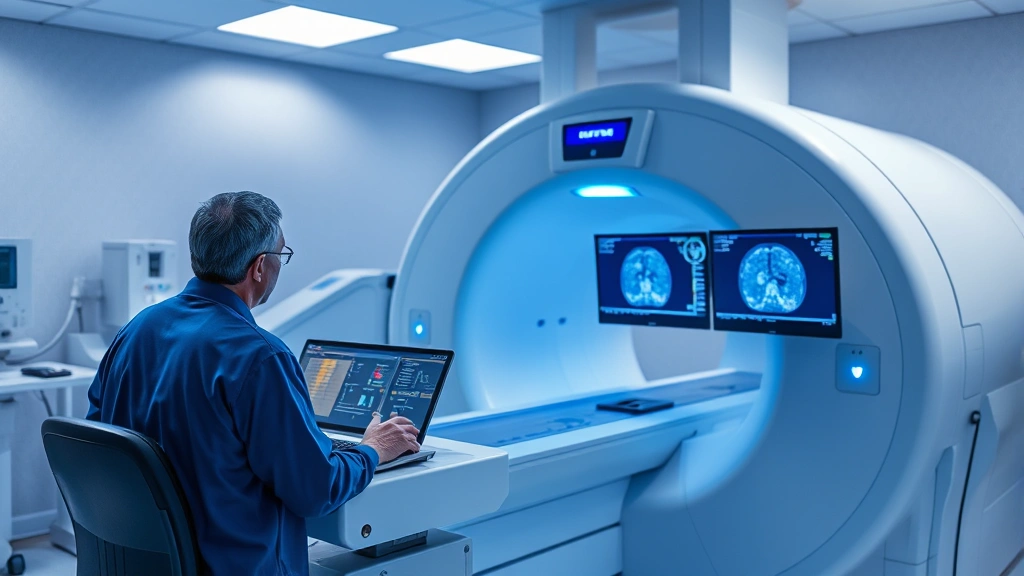
Positron Emission Tomography Market Trends: Comprehensive Insights and Growth Analysis
The positron emission tomography market is experiencing unprecedented growth as healthcare systems worldwide increasingly adopt advanced diagnostic imaging technologies. PET imaging, a cornerstone of modern oncology, cardiology, and neurology practices, has transitioned from a specialized procedure available only in major medical centers to an essential diagnostic tool integrated into comprehensive patient care protocols. This comprehensive analysis explores the current market landscape, emerging trends, and strategic opportunities shaping the future of positron emission tomography technology and its commercial applications.
Healthcare providers and diagnostic imaging centers recognize that PET technology delivers superior diagnostic accuracy compared to conventional imaging modalities, driving substantial investment in equipment upgrades and facility expansions. The convergence of artificial intelligence, hybrid imaging systems, and expanding reimbursement coverage has created a favorable environment for market expansion. Understanding these dynamics is crucial for stakeholders seeking to capitalize on growth opportunities in this rapidly evolving sector.

Market Overview and Current Size
The global positron emission tomography market reached approximately $5.8 billion in 2023 and is projected to expand at a compound annual growth rate (CAGR) of 6.2% through 2030, according to recent industry analysis. This growth trajectory reflects increasing demand from healthcare institutions investing in diagnostic capabilities and expanding patient populations requiring advanced imaging services. The market encompasses equipment manufacturing, radiopharmaceutical production, software solutions, and service infrastructure supporting PET operations worldwide.
North America maintains the largest market share, driven by sophisticated healthcare infrastructure, high diagnostic imaging adoption rates, and robust reimbursement mechanisms. The United States alone accounts for approximately 40% of global positron emission tomography market value, with healthcare systems continuously upgrading imaging departments to maintain competitive advantages and improve diagnostic outcomes. European markets represent the second-largest segment, characterized by stringent regulatory standards and emphasis on cost-effectiveness alongside clinical efficacy.
Emerging markets in Asia-Pacific, Latin America, and the Middle East present significant growth opportunities as healthcare spending increases and medical infrastructure modernization accelerates. Countries including China, India, and Brazil are rapidly expanding diagnostic imaging capabilities to serve growing populations and address rising incidences of cancer, cardiovascular disease, and neurological disorders. These regional dynamics create diverse market opportunities requiring tailored solutions addressing local healthcare priorities and economic constraints.
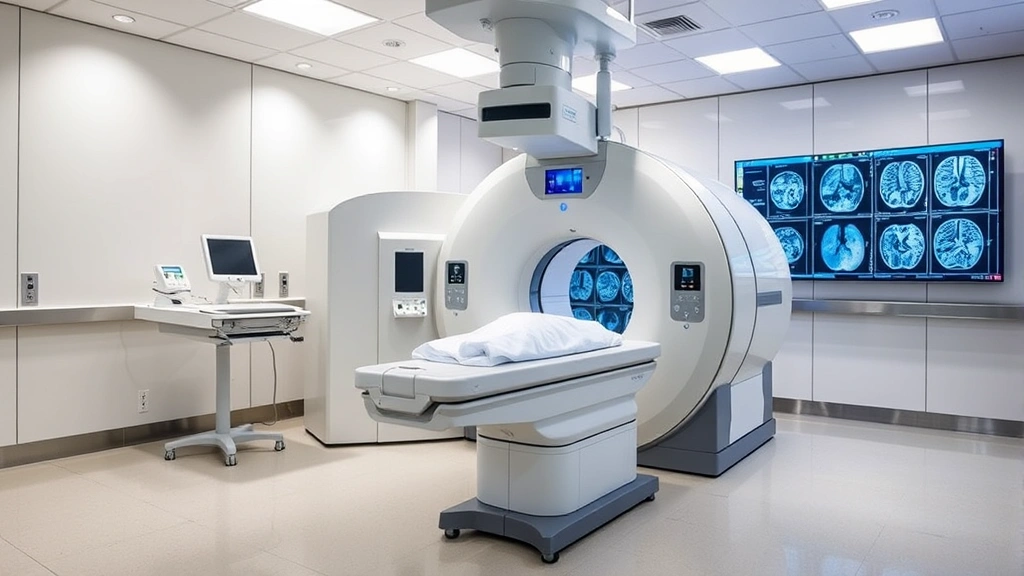
Key Growth Drivers and Market Expansion Factors
Several interconnected factors propel the positron emission tomography market forward. Rising cancer incidence globally demands advanced diagnostic tools capable of early detection and precise treatment planning. The World Health Organization projects cancer cases will increase 47% by 2050, creating sustained demand for PET imaging services in oncology departments. Simultaneously, aging populations in developed nations experience higher prevalence rates for neurodegenerative diseases, cardiac conditions, and malignancies—all conditions where PET imaging provides critical diagnostic information.
Expanding reimbursement coverage from government healthcare programs and private insurance providers significantly influences market growth. Medicare and commercial insurers increasingly recognize PET imaging’s clinical value for specific indications, removing financial barriers that previously limited utilization. This reimbursement expansion particularly benefits facilities in developed markets where insurance coverage decisions directly influence diagnostic imaging utilization patterns and investment decisions.
The integration of PET technology with complementary imaging modalities represents another powerful growth catalyst. PET/CT and PET/MRI hybrid systems provide simultaneous anatomical and metabolic information, enhancing diagnostic accuracy and clinical utility. These integrated systems command premium pricing while delivering superior diagnostic capabilities, driving equipment replacement cycles and facility modernization initiatives. Healthcare providers recognize that hybrid imaging systems improve patient outcomes while optimizing operational efficiency through streamlined workflows.
Technological advancement in radiopharmaceutical development expands clinical applications beyond traditional oncology uses. Novel tracers targeting specific biological processes enable earlier disease detection and personalized medicine approaches. This pharmaceutical innovation cycle creates recurring revenue streams through radiopharmaceutical manufacturing and distribution, supporting overall market expansion and creating interdependencies between equipment manufacturers and pharmaceutical companies.
Technological Innovations Reshaping the Industry
Artificial intelligence integration represents the most transformative technological development in positron emission tomography. Machine learning algorithms enhance image reconstruction, improve diagnostic accuracy, reduce radiation exposure, and accelerate image analysis workflows. AI-powered diagnostic assistance tools help radiologists identify subtle abnormalities, standardize reporting, and reduce interpretation variability. These capabilities address critical healthcare challenges including radiologist shortages, diagnostic consistency, and operational efficiency—making AI-enabled PET systems increasingly attractive to healthcare administrators.
Total-body PET scanner development marks a significant innovation frontier. Extended axial field-of-view systems capture entire body images in single acquisitions, enabling simultaneous assessment of multiple organs and disease sites. This technological advancement reduces scan times, improves patient comfort, and provides comprehensive metabolic assessment impossible with conventional systems. Major equipment manufacturers are investing heavily in total-body PET development, recognizing this technology’s potential to redefine diagnostic imaging capabilities and clinical workflows.
Digital photon detector technology replaces traditional analog photomultiplier tubes, delivering superior spatial resolution, timing precision, and energy resolution. These performance improvements enable detection of smaller lesions, more accurate lesion characterization, and enhanced image quality at lower radiation doses. The transition to digital detector technology represents a generational advancement driving equipment replacement cycles and supporting premium pricing for next-generation systems.
Portable and compact PET systems designed for point-of-care applications represent emerging innovation addressing accessibility challenges in resource-limited settings. These systems promise to democratize PET imaging access while reducing infrastructure requirements and operational costs. Although still in development and early commercialization phases, portable PET technology could significantly expand market addressable segments and geographic penetration.
Multimodal imaging platforms integrating PET with optical, ultrasound, or other imaging technologies create synergistic diagnostic capabilities. These integrated systems appeal to research institutions and forward-thinking clinical centers seeking comprehensive diagnostic solutions. While currently representing niche market segments, multimodal platform adoption may accelerate as evidence accumulates demonstrating clinical and economic advantages over standalone systems.
Regional Market Analysis and Geographic Opportunities
North American dominance in the positron emission tomography market reflects mature healthcare infrastructure, high diagnostic imaging adoption, and robust reimbursement mechanisms. The United States healthcare system’s emphasis on advanced diagnostics and treatment personalization creates strong demand for PET imaging services. Major medical centers and integrated healthcare networks continuously invest in imaging infrastructure, supporting equipment manufacturer growth and creating opportunities for service providers and software developers.
European markets demonstrate steady growth driven by aging populations and healthcare system emphasis on cost-effective diagnostic approaches. Stringent regulatory standards ensure high-quality imaging services while competitive pricing pressures encourage innovation and efficiency improvements. European manufacturers maintain significant global market share, leveraging technological expertise and regulatory compliance capabilities to compete internationally.
Asia-Pacific represents the fastest-growing regional market, driven by healthcare infrastructure modernization in middle-income countries and rising diagnostic imaging adoption. China’s healthcare system expansion and substantial government investment in medical technology infrastructure create enormous market opportunities. India’s growing medical tourism industry and emerging diagnostic imaging sector present additional growth avenues. However, reimbursement constraints and infrastructure limitations in some regions require localized solutions addressing economic accessibility.
Latin American markets experience gradual positron emission tomography market expansion as healthcare systems upgrade diagnostic capabilities and cancer treatment programs develop. Brazil and Mexico represent primary growth markets in the region, with private healthcare sector expansion supporting imaging center development. Middle Eastern healthcare systems, supported by substantial government healthcare budgets, increasingly invest in advanced diagnostic technologies including PET imaging.
Africa and developing regions currently represent minimal positron emission tomography market segments due to infrastructure constraints and limited healthcare resources. However, selective expansion in major metropolitan areas and leading medical centers may occur as healthcare systems prioritize oncology and cardiology services. International organizations and partnerships may facilitate technology access in underserved regions through subsidized programs or innovative financing mechanisms.
Competitive Landscape and Major Players
The positron emission tomography market features intense competition among established medical device manufacturers and emerging technology companies. Siemens Healthineers, General Electric Healthcare, Philips Healthcare, and Canon Medical Systems dominate equipment manufacturing, leveraging extensive distribution networks, established relationships with healthcare providers, and comprehensive product portfolios. These major players continuously invest in research and development to maintain technological leadership and market position.
Specialized PET equipment manufacturers including Heid Imaging, Neusoft Medical Systems, and United Imaging Healthcare challenge incumbents through innovative designs, competitive pricing, and regional market focus. These companies often emphasize technological differentiation, cost-effectiveness, or emerging market accessibility, creating competitive pressure that benefits customers through expanded choices and accelerated innovation.
Radiopharmaceutical manufacturers including Lantheus Medical Imaging, Novartis, and Telix Pharmaceuticals drive market expansion through novel tracer development and expanded clinical applications. These companies invest heavily in regulatory approvals and clinical validation, expanding PET imaging’s clinical utility beyond traditional oncology uses. Radiopharmaceutical innovation creates recurring revenue streams and strengthens manufacturer relationships with healthcare providers.
Software and artificial intelligence companies increasingly enter the positron emission tomography market, offering diagnostic assistance tools, workflow optimization solutions, and image analysis platforms. Companies such as Subtle Medical, Arterys, and Zebra Medical Vision develop AI algorithms enhancing PET imaging capabilities, addressing radiologist shortages, and improving diagnostic consistency. These specialized vendors often partner with equipment manufacturers or operate as independent solution providers.
Service providers and imaging center operators create market demand for PET equipment and services. Major diagnostic imaging networks and hospital systems operate extensive PET imaging services, driving equipment procurement and generating demand for maintenance, upgrades, and peripheral services. Understanding this distribution channel’s dynamics proves essential for manufacturers developing go-to-market strategies and partnerships.
Clinical Applications Driving Market Demand
Oncology remains the dominant clinical application for positron emission tomography imaging, accounting for approximately 60% of current market demand. PET imaging enables early cancer detection, treatment planning, therapy response assessment, and recurrence monitoring across multiple cancer types. The convergence of personalized medicine approaches and targeted cancer therapies increases PET imaging’s clinical importance by enabling patient stratification and treatment selection based on tumor biology.
Cardiology represents the second-largest clinical application segment, with PET imaging assessing myocardial viability, coronary artery disease extent, and cardiac inflammation. As cardiovascular disease remains the leading cause of mortality globally, cardiac PET imaging demand continues expanding. Hybrid PET/CT systems provide simultaneous assessment of cardiac structure and perfusion, enhancing diagnostic accuracy and clinical decision-making.
Neurology and neurodegenerative disease assessment represent rapidly expanding clinical application areas. PET imaging detects Alzheimer’s disease pathology years before symptom onset, enabling early intervention opportunities. Parkinson’s disease, frontotemporal dementia, and other neurodegenerative conditions increasingly benefit from PET imaging’s metabolic and pathology assessment capabilities. As global populations age and neurodegenerative disease prevalence increases, neurology PET applications drive significant market growth.
Infection and inflammation assessment represents an emerging clinical application as novel PET tracers enable imaging of bacterial infections, fungal diseases, and inflammatory conditions. These applications address unmet diagnostic needs in immunocompromised patients and complex infectious disease cases. Expanding infection imaging applications could significantly broaden PET imaging’s clinical utility and market addressable segments.
Therapy monitoring and treatment response assessment increasingly utilize PET imaging across multiple disease categories. As oncology treatment paradigms evolve toward personalized approaches and combination therapies, PET imaging’s ability to quantify therapy response guides treatment modifications and enables early identification of therapy resistance. This application category creates recurring imaging demand supporting sustained market growth.
Challenges and Market Barriers
High capital equipment costs represent the primary barrier limiting positron emission tomography market expansion, particularly in developing regions and resource-constrained healthcare settings. PET scanner systems cost $1.5 to $3 million, with additional infrastructure and installation expenses exceeding total acquisition costs. These substantial investments require healthcare providers to demonstrate robust financial justification and secure adequate reimbursement to achieve acceptable returns.
Radiopharmaceutical production and distribution complexities create operational challenges limiting PET imaging accessibility. Most PET tracers possess short half-lives requiring cyclotron facilities or radiopharmaceutical manufacturing centers in proximity to imaging locations. This infrastructure requirement restricts PET service availability to major medical centers in well-developed regions, limiting geographic market penetration. Developing longer-lived radiopharmaceuticals could address this constraint, but regulatory pathways and manufacturing complexities slow commercialization.
Reimbursement limitations in many healthcare systems restrict positron emission tomography utilization despite clinical evidence supporting diagnostic value. Insurance coverage gaps for specific indications, prior authorization requirements, and reimbursement rate inadequacies limit imaging center revenue generation. These financial constraints discourage investment in PET infrastructure and limit clinical application expansion.
Radiation safety concerns and patient exposure anxieties persist despite evidence demonstrating acceptable radiation burden. Public perception of radiation risks, regulatory dose limitation initiatives, and environmental concerns regarding radioactive waste disposal create operational and marketing challenges. Addressing these concerns through dose reduction innovations and transparent communication remains essential for market expansion.
Regulatory approval timelines for novel radiopharmaceuticals and imaging protocols delay clinical application expansion and market growth. Regulatory pathways requiring extensive clinical validation and manufacturing compliance monitoring slow innovation adoption. Streamlined regulatory pathways for low-risk innovations could accelerate market development while maintaining safety standards.
Workforce shortages in nuclear medicine, radiopharmacy, and imaging informatics constrain market growth despite equipment availability. Specialized training requirements, limited academic programs, and competitive compensation challenges create staffing difficulties. These human resource constraints limit imaging center expansion and operational efficiency.
Future Outlook and Investment Opportunities
The positron emission tomography market trajectory suggests continued growth through 2030 driven by technological advancement, expanding clinical applications, and increasing healthcare investment in diagnostic imaging. Strategic investors should monitor equipment manufacturer innovation pipelines, radiopharmaceutical development progress, and regulatory approval pathways for emerging applications. Healthcare providers seeking to enhance diagnostic capabilities should evaluate hybrid imaging system adoption and artificial intelligence integration opportunities.
Total-body PET technology commercialization represents a significant near-term opportunity. Early adopter institutions investing in these systems may achieve competitive advantages through superior diagnostic capabilities and operational efficiency. Equipment manufacturers demonstrating total-body PET clinical benefits and favorable economic returns will likely capture significant market share gains.
Artificial intelligence solution development for PET imaging presents substantial commercial opportunities. Companies developing diagnostic assistance tools, workflow optimization platforms, and image analysis software can address market needs for improved efficiency and diagnostic consistency. Integration partnerships with major equipment manufacturers or healthcare provider networks provide pathways to market adoption and revenue generation.
Radiopharmaceutical innovation targeting emerging clinical applications offers growth opportunities for pharmaceutical and specialty chemical companies. Novel tracers enabling infection imaging, inflammation assessment, or emerging disease targets could expand market addressable segments. Companies successfully navigating regulatory pathways and demonstrating clinical value can establish valuable market positions and recurring revenue streams.
Service provider expansion and imaging center development opportunities exist in underserved geographic markets. Healthcare providers establishing comprehensive diagnostic imaging centers incorporating PET capabilities can capture growing demand in emerging economies. Partnerships with equipment manufacturers and radiopharmaceutical suppliers facilitate market entry and operational success.
Healthcare information technology companies can develop solutions addressing positron emission tomography workflow integration, data management, and interoperability challenges. Electronic health record integration, PACS system enhancement, and clinical decision support tools create opportunities for software developers addressing healthcare provider needs for streamlined operations and improved patient outcomes.
Consulting firms and market research companies serve growing demand for strategic guidance regarding positron emission tomography market opportunities, competitive positioning, and technology evaluation. As healthcare organizations increasingly invest in advanced imaging, demand for expert analysis and strategic recommendations continues expanding, creating professional services opportunities.
FAQ
What is positron emission tomography and how does it work?
Positron emission tomography is a nuclear medicine imaging technique that visualizes metabolic processes by detecting radiation emitted from radioactive tracers injected into patients. PET scanners detect coincident photons produced when positrons from radioactive tracers annihilate with electrons, generating three-dimensional images showing where tracers accumulate. This metabolic imaging approach complements anatomical imaging techniques by revealing disease at the cellular and molecular level.
What is the current positron emission tomography market size?
The global positron emission tomography market reached approximately $5.8 billion in 2023 and is projected to grow at a CAGR of 6.2% through 2030. North America maintains the largest market share at approximately 40% of global market value, followed by Europe and Asia-Pacific regions. Market growth is driven by increasing cancer prevalence, aging populations, technological advancement, and expanding reimbursement coverage.
Which clinical applications drive positron emission tomography demand?
Oncology represents the largest clinical application segment, accounting for approximately 60% of current market demand. Cardiology, neurology, and infection/inflammation imaging represent additional significant application areas. Therapy response monitoring and treatment planning across multiple disease categories create recurring imaging demand supporting sustained market growth.
What technological innovations are shaping the positron emission tomography market?
Artificial intelligence integration, total-body PET scanner development, digital photon detector technology, and portable PET system innovation represent major technological trends. These advancements enhance diagnostic accuracy, reduce radiation exposure, improve operational efficiency, and expand clinical applications. Multimodal imaging platforms integrating PET with complementary modalities also represent emerging innovation areas.
What are the primary barriers to positron emission tomography market expansion?
High capital equipment costs, radiopharmaceutical production and distribution complexities, reimbursement limitations, radiation safety concerns, and workforce shortages represent primary market barriers. Infrastructure requirements for radiopharmaceutical manufacturing and regulatory approval timelines for novel applications also constrain market growth. Addressing these barriers through technology innovation and policy reform could accelerate market expansion.
Which regions represent the strongest positron emission tomography growth opportunities?
Asia-Pacific represents the fastest-growing regional market, driven by healthcare infrastructure modernization in middle-income countries. China, India, and Brazil present substantial market opportunities. Latin American markets experience gradual expansion, while African and developing regions currently represent minimal market segments with selective future growth potential in major metropolitan areas.
How does artificial intelligence impact positron emission tomography imaging?
Artificial intelligence enhances PET imaging through improved image reconstruction, diagnostic accuracy improvement, radiation exposure reduction, and accelerated image analysis workflows. Machine learning algorithms provide diagnostic assistance, standardize reporting, and identify subtle abnormalities. AI integration addresses radiologist shortages, improves diagnostic consistency, and optimizes operational efficiency—making AI-enabled systems increasingly attractive to healthcare providers.
What investment opportunities exist in the positron emission tomography market?
Equipment manufacturer innovation, radiopharmaceutical development, artificial intelligence solution creation, imaging center expansion, and healthcare information technology development represent primary investment opportunities. Service provider growth in emerging markets, regulatory consulting, and market research also present commercial opportunities. Strategic investors should monitor technology development pipelines and clinical application expansion pathways.


