Farmers Market Tips: Insider Secrets Revealed
Farmers markets have become a cornerstone of modern commerce, blending direct-to-consumer sales with community engagement and sustainable business practices. Whether you’re a vendor looking to maximize your booth performance or a buyer seeking authentic farm-to-table products, understanding the mechanics of successful farmers market operations is essential. The farmers market landscape has evolved dramatically over the past decade, transforming from a seasonal novelty into a year-round business opportunity that generates billions in annual revenue across North America.
In today’s competitive retail environment, farmers market operators and vendors must navigate complex logistics, consumer preferences, and regulatory requirements while maintaining the authentic, community-focused experience that attracts loyal customers. This comprehensive guide reveals insider strategies that successful farmers market entrepreneurs use to stand out, build customer loyalty, and maximize profitability. From pricing psychology to booth layout optimization, we’ll explore the data-driven tactics that separate thriving market operations from struggling ones.
Understanding the Farmers Market Economy
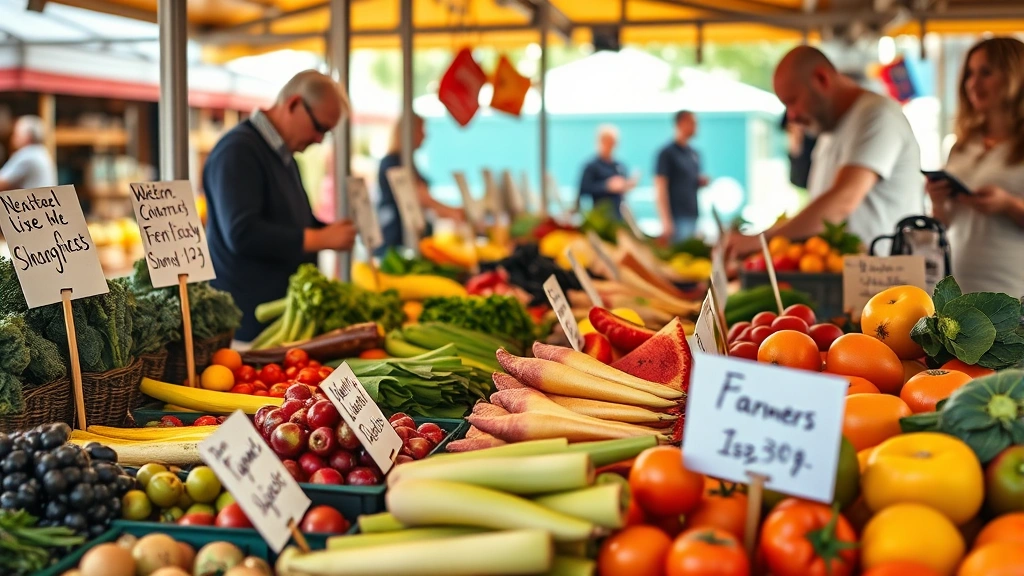
The farmers market sector represents a significant economic force in the retail landscape. According to USDA Agricultural Marketing Service data, the number of farmers markets in the United States has grown exponentially, with direct-to-consumer sales channels now accounting for billions in annual transactions. Understanding this economic context is crucial for anyone involved in farmers market commerce.
Farmers markets operate on fundamentally different business principles than traditional retail environments. Vendors typically pay booth fees ranging from $25 to $300 per market day, depending on location, foot traffic, and market reputation. This fee structure creates a high-stakes environment where every transaction counts toward profitability. The average successful vendor at a well-established farmers market generates between $500 to $2,000 in daily revenue, though premium locations and specialty products can exceed these benchmarks significantly.
The demographic profile of farmers market shoppers has shifted considerably. Statista consumer research indicates that farmers market visitors increasingly span multiple age groups and income levels, no longer concentrated exclusively in affluent, urban areas. This diversification creates both opportunities and challenges for vendors positioning their products and messaging.

Vendor Selection and Booth Strategy
Successful farmers markets employ rigorous vendor curation processes that balance diversity with quality standards. Market managers understand that vendor selection directly impacts foot traffic, customer satisfaction, and overall market reputation. The best-performing markets typically feature a strategic mix of product categories: fresh produce (40-50%), prepared foods (20-25%), artisanal products (15-20%), and specialty items (10-15%).
Booth positioning within the market layout significantly influences sales performance. High-traffic entry points and central locations command premium booth fees for good reason—vendors at these positions report 20-40% higher sales volumes than those at peripheral locations. Successful market operators recognize this dynamic and strategically place complementary vendors to create natural traffic flow patterns.
When considering Market Basket careers or employment in farmers market operations, understanding vendor dynamics becomes essential. Market managers must evaluate vendor reliability, product quality, customer service skills, and growth potential. The most successful vendors are those who treat their booth like a retail enterprise, not a hobby operation.
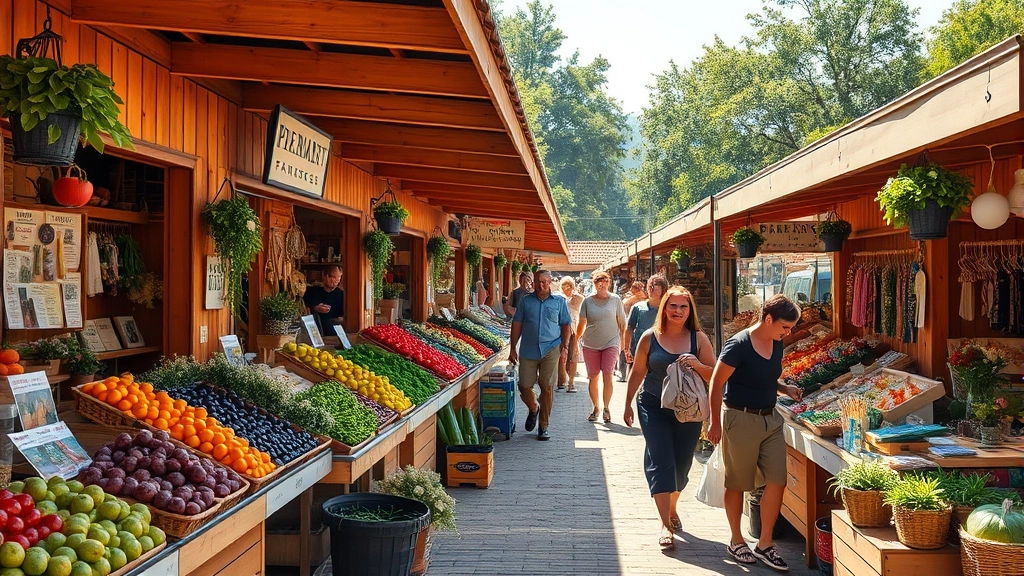
Booth aesthetics matter more than many vendors realize. Research from consumer behavior studies shows that presentation influences purchasing decisions by up to 35%. Vendors should invest in professional signage, organized product displays, and clean, attractive booth layouts. This doesn’t require expensive equipment—strategic use of risers, proper lighting, and thoughtful color coordination can dramatically improve perceived product value.
Pricing Psychology and Profit Margins
Pricing represents perhaps the most critical lever for farmers market profitability. Unlike traditional retail where prices are fixed, farmers market pricing involves dynamic factors including production costs, market competition, customer demographics, and seasonal availability. Successful vendors employ sophisticated pricing strategies that maximize profit margins while remaining competitive.
The cost structure for farmers market vendors differs significantly from conventional retail. Direct overhead includes booth fees, transportation, packaging materials, and labor. Most successful vendors target gross margins of 50-70%, significantly higher than traditional grocery retail (typically 20-30%). This premium reflects the value proposition of direct-to-consumer sales: customers access fresher products, vendors capture full retail margins, and supply chain inefficiencies are eliminated.
Psychological pricing tactics proven effective in farmers market environments include charm pricing (using prices like $4.99 instead of $5.00), bundling (“three bunches for $10”), and value messaging (emphasizing organic certification, local sourcing, or production methods). Vendors who clearly communicate their value proposition—whether through signage, sampling, or direct conversation—command 15-25% price premiums over generic competitors.
Seasonal pricing adjustments are essential for maintaining profitability. Peak season (June-September) typically sees higher volumes but increased competition and lower prices. Successful vendors build cash reserves during peak season to sustain operations during shoulder months (April-May, October-November) when prices rise but volume decreases. Winter operations require different strategies entirely, with preserved products, storage crops, and value-added items becoming primary revenue drivers.
Customer Engagement and Loyalty Programs
Building repeat customer relationships transforms farmers market operations from transactional to relational businesses. Data from Forbes consumer research demonstrates that repeat customers spend 3-5 times more annually than one-time purchasers. Farmers market vendors who implement loyalty strategies systematically outperform those who don’t.
Effective loyalty tactics for farmers markets include punch cards (buy 10, get one free), email list building, seasonal subscription boxes, and social media engagement. Digital tools have transformed farmers market marketing—vendors using Instagram and Facebook report 30-50% higher customer acquisition and retention rates. These platforms enable vendors to announce product availability, share behind-the-scenes content, and build community around their brands.
Customer service excellence directly correlates with sales performance and loyalty. Vendors who engage in genuine conversation, remember regular customers’ preferences, and provide product education outperform those who treat transactions as purely commercial exchanges. This human element remains one of farmers markets’ most valuable differentiators from impersonal retail environments.
Sampling represents one of the highest-ROI customer engagement tactics. Vendors who offer product samples report 40-60% higher conversion rates among sample recipients. For prepared foods and value-added products, sampling dramatically reduces purchase hesitation and demonstrates quality superiority versus mass-produced alternatives.
Operational Efficiency and Logistics
Behind every successful farmers market operation lies meticulous logistical planning. From harvest timing to booth breakdown, operational efficiency directly impacts profitability. Successful vendors develop systems and checklists that minimize setup time, reduce product waste, and optimize cash handling.
Transportation logistics represent a significant cost factor often underestimated by new vendors. Efficient packing systems, vehicle maintenance, fuel costs, and delivery route optimization can mean the difference between profitability and loss. Experienced vendors develop specialized packaging systems that maximize vehicle space utilization while protecting product quality during transport.
For those exploring marketing strategy for small businesses, farmers market vendors represent excellent case studies in resourcefulness and efficiency. Limited booth space demands ruthless prioritization of products, inventory levels, and promotional materials. This constraint-driven optimization often produces more effective marketing than unlimited budgets.
Cash handling and payment processing require careful attention. While cash remains dominant at farmers markets, digital payment options (Square, PayPal, Stripe) are increasingly expected. Vendors should establish clear payment policies, maintain adequate change funds, and implement reconciliation procedures that prevent losses and detect discrepancies.
Inventory management systems prevent both stockouts and waste. Successful vendors track what sells, when it sells, and at what price point. This data informs production planning, purchasing decisions, and seasonal adjustments. Simple spreadsheet tracking or specialized inventory apps enable data-driven decision-making that minimizes waste and maximizes revenue.
Marketing Your Farmers Market Presence
Farmers market marketing extends far beyond booth signage. Comprehensive strategies integrate digital channels, community partnerships, and public relations to drive foot traffic and build brand awareness. Vendors who treat their farmers market operation as a business enterprise—not merely a sales outlet—implement sophisticated marketing tactics.
Social media represents farmers market vendors’ most cost-effective marketing channel. Instagram particularly suits visual products like produce, prepared foods, and artisanal goods. Vendors posting 3-4 times weekly with consistent branding report 25-40% higher customer acquisition. Hashtag strategy matters significantly—using location-specific tags (#OBFarmersMarket, #SanDiegoFarmersMarket) connects with local customers actively seeking vendors.
Content marketing for farmers market vendors includes blog posts, videos, and recipes that demonstrate product versatility and quality. Vendors who create educational content positioning themselves as experts rather than mere sellers build authority and trust. This strategy works particularly well for specialty producers, organic operations, and value-added product vendors.
Understanding digital marketing jobs and salaries reveals how farmers market operations increasingly require sophisticated marketing expertise. Many successful vendors employ freelance marketers or allocate significant time to marketing activities, recognizing that visibility drives sales.
Local media partnerships generate valuable publicity. Farmers market vendors with compelling stories—heritage seed preservation, sustainable farming practices, immigrant entrepreneurship—attract journalist and blogger interest. Strategic PR outreach to local food writers, lifestyle bloggers, and community media generates earned media coverage worth thousands in advertising value.
Email marketing remains highly effective for farmers market vendors. Building email lists through in-booth signups or website registrations enables direct communication about seasonal availability, special products, and loyalty programs. Email subscribers typically spend 20-30% more annually than non-subscribers.
Seasonal Planning and Inventory Management
Farmers markets operate on seasonal rhythms that demand strategic planning and flexibility. Understanding your market’s seasonal patterns—peak seasons, shoulder seasons, and slow seasons—enables vendors to optimize inventory, staffing, and marketing investments.
Peak season (typically June-September) demands maximum operational capacity. Vendors should staff adequately, maintain inventory levels that prevent stockouts, and capitalize on high foot traffic through promotional activities and new product introductions. Building customer relationships during peak season creates foundation for shoulder season loyalty.
Shoulder seasons (April-May, October-November) require different strategies. As competition decreases and customer traffic drops, prices typically rise. Vendors should focus on customer retention, introduce seasonal specialty products, and build email lists for winter communication. These periods are ideal for product innovation and testing new items with loyal customers.
Winter operations determine annual profitability for many vendors. Successful winter strategies include preserved products (jams, pickles, sauces), storage crops (winter squash, root vegetables), value-added items (baked goods, prepared meals), and holiday specialty products. Vendors who maintain winter presence build year-round customer relationships and capture market share from competitors who operate seasonally.
Inventory forecasting prevents both waste and stockouts. Successful vendors maintain detailed sales records by product, tracking volume, price, and seasonal variation. This historical data informs production planning, purchasing decisions, and inventory allocation. Spreadsheet-based systems or inventory management software enable data-driven forecasting that minimizes waste while ensuring adequate stock.
Cold storage and preservation capabilities expand operational possibilities. Vendors investing in proper cooling and storage equipment can extend seasonal availability, reduce product waste, and maintain consistent product quality. These investments typically pay for themselves within 1-2 seasons through waste reduction and improved inventory turnover.
For those considering entry level marketing jobs in farmers market operations, seasonal planning represents critical expertise. Market managers must coordinate vendor scheduling, ensure product diversity year-round, and maintain customer interest during slow seasons. This requires strategic thinking and detailed planning.
Partnership opportunities with complementary vendors create value during slow seasons. For example, produce vendors can partner with prepared food vendors to cross-promote, or artisanal producers can collaborate on gift bundles. These partnerships expand customer value propositions and drive traffic during periods when individual vendors might struggle.
FAQ
What are the average startup costs for a farmers market vendor?
Initial investment typically ranges from $500-$3,000, including booth fees (first market), signage, packaging materials, and basic equipment. Seasonal vendors may invest less; year-round operations require more substantial infrastructure investment. SCORE mentorship resources provide detailed startup cost guidance for agricultural entrepreneurs.
How much can a successful farmers market vendor earn annually?
Successful vendors generate $15,000-$75,000+ annually, depending on market location, product type, and operational scale. High-volume operations in premium markets can exceed $100,000. Profitability depends on product mix, pricing strategy, and operational efficiency rather than revenue alone.
Do I need permits and licenses to operate a farmers market booth?
Requirements vary by jurisdiction but typically include business licenses, health permits (for prepared foods), and producer certifications. Farmers market managers provide specific requirements; most handle vendor vetting and permit verification. Compliance is non-negotiable—violations result in booth removal and potential legal consequences.
What products sell best at farmers markets?
Fresh produce consistently leads, followed by prepared foods, baked goods, and artisanal products. Seasonal items perform better during appropriate seasons. Success depends more on quality, freshness, and differentiation than on category. Vendors offering unique or hard-to-find items often outperform commodity producers.
How do I build customer loyalty as a farmers market vendor?
Implement punch card programs, build email lists, engage on social media, offer consistent quality, remember customer preferences, and create memorable experiences. Personal relationships matter significantly—regular vendors who greet returning customers by name build exceptional loyalty. Market Rise Hub Blog provides additional customer retention strategies applicable to farmers market operations.
Should I invest in digital payment systems?
Yes. While cash remains dominant, customers increasingly expect digital payment options. Processing fees (2-3%) are reasonable investments in convenience and market competitiveness. Mobile payment systems enable faster transactions and reduce cash handling risks.
How can I differentiate my farmers market booth?
Differentiation strategies include specialty products, heritage varieties, unique preparation methods, compelling storytelling, superior booth presentation, exceptional customer service, and authentic engagement. Vendors who communicate their value proposition—organic practices, sustainable methods, family heritage—command premium pricing and build loyal customer bases.
What’s the best way to price farmers market products?
Research competitor pricing, calculate production costs including booth fees and overhead, apply target margin (50-70%), and adjust for market conditions. Use psychological pricing techniques (charm pricing, bundling), clearly communicate value propositions, and adjust seasonally. Test pricing with loyal customers before major adjustments.
Can remote marketing jobs in agriculture or farmers market operations exist?
Increasingly, yes. Market managers, agricultural marketers, digital strategists, and content creators now work remotely supporting farmers market operations, cooperative networks, and agricultural businesses. Remote work enables agricultural entrepreneurs to access expertise without geographic constraints.