Oakville Market Trends: Expert Insights for 2025
The Oakville market is experiencing significant transformation as consumer behaviors shift, retail landscapes evolve, and economic factors reshape purchasing patterns. Understanding these trends is essential for retailers, entrepreneurs, and business leaders looking to capitalize on emerging opportunities in this dynamic Ontario community. Whether you’re operating a brick-and-mortar store, launching an e-commerce venture, or exploring franchise opportunities, staying ahead of Oakville market trends can mean the difference between growth and stagnation.
Oakville, a prosperous municipality in the Greater Toronto Area, represents one of Canada’s most affluent and consumer-driven markets. With a population exceeding 200,000 and median household incomes well above provincial averages, the region presents unique opportunities for businesses willing to understand local preferences, spending patterns, and competitive dynamics. This comprehensive guide examines the key trends shaping the Oakville market landscape and provides actionable insights for business success.

Consumer Spending Patterns in Oakville
Oakville residents demonstrate distinct consumer behavior characterized by premium product preferences, willingness to spend on quality, and strong loyalty to trusted brands. Recent data indicates that average household spending in Oakville exceeds regional and provincial benchmarks, with particular strength in discretionary categories including home improvement, dining, wellness, and luxury goods. According to Statistics Canada, affluent communities like Oakville show resilience during economic fluctuations, maintaining consumption levels even when broader markets contract.
The Oakville market demonstrates seasonal spending variations influenced by weather patterns, school calendars, and cultural events. Spring and summer months witness increased spending on outdoor recreation, landscaping services, and home renovation projects. Fall brings back-to-school purchasing and preparation for holiday seasons, while winter months see elevated spending on home décor, gift purchases, and wellness services. Understanding these seasonal patterns enables businesses to optimize inventory management, staffing levels, and marketing campaigns aligned with peak demand periods.
Consumer research reveals that Oakville shoppers increasingly blend online and offline purchasing, with approximately 65-70% of residents researching products online before making in-store purchases. This research-driven approach means retailers must maintain robust digital presence, accurate product information, and seamless integration between channels. Price sensitivity remains moderate compared to other demographics, but value perception—the relationship between price and quality—significantly influences purchasing decisions.
Retail Environment and Competition
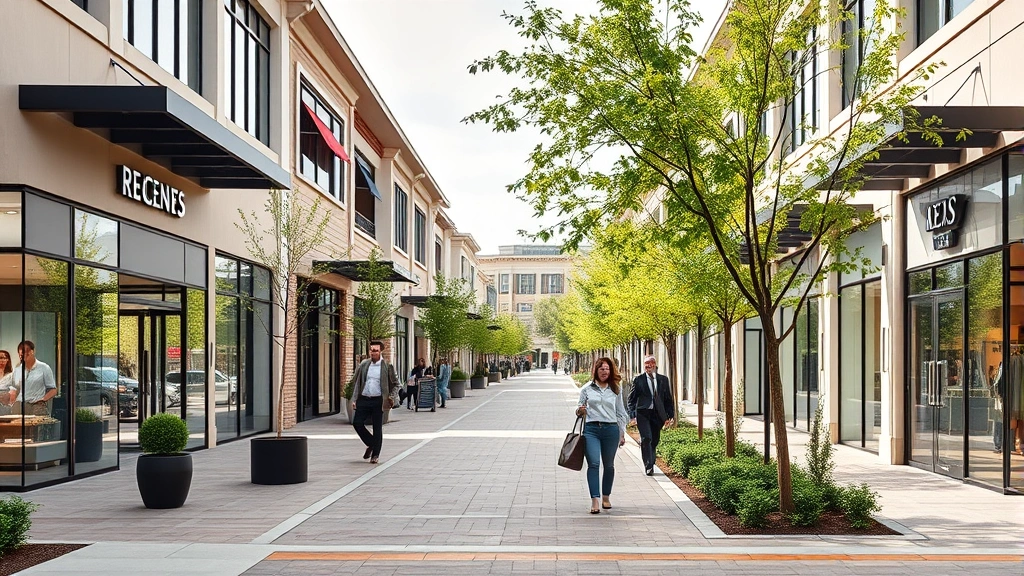
The Oakville retail landscape features a mix of established shopping destinations, emerging independent retailers, and growing e-commerce competitors. Traditional shopping centers like Oakville Place and Trafalgar Shopping Centre continue to attract foot traffic, though their tenant mix has evolved significantly. Retailers report increased competition from online platforms, requiring enhanced in-store experiences, specialized customer service, and unique product offerings to differentiate from digital competitors.
Independent retailers represent a growing segment in Oakville, with consumers increasingly seeking unique, locally-owned shopping experiences. This trend aligns with broader consumer preferences for supporting local businesses and discovering distinctive products unavailable through mass-market channels. Successful independent retailers in Oakville typically specialize in niche categories—artisanal goods, specialty foods, boutique fashion, or curated home décor—where they can command premium pricing and build loyal customer communities.
Competition intensity varies significantly by category. Essential categories like grocery retail remain highly competitive, dominated by major chains including Loblaws, Metro, and Costco. However, specialty retail categories—fitness services, professional services, premium dining, and experiential retail—show less saturation and present stronger opportunities for differentiation. Implementing effective marketing strategy for small businesses becomes critical for standing out in this competitive environment.
The commercial real estate market in Oakville reflects strong demand from retailers seeking premium locations. Prime retail spaces command premium rents, ranging from $25-45 per square foot depending on location and property condition. This cost structure necessitates careful site selection, detailed financial projections, and realistic sales forecasts before committing to retail leases. Successful retailers often negotiate percentage rent arrangements or other flexible lease terms to manage initial cash flow pressures.
E-Commerce Integration and Omnichannel Strategies
Digital transformation has become non-negotiable for Oakville retailers. Consumers expect businesses to maintain active online presence, offer e-commerce capabilities, and integrate digital and physical channels seamlessly. The shift accelerated dramatically post-2020, with online retail penetration in Oakville reaching approximately 35-40% of total retail sales across most categories. This represents significant growth from pre-pandemic levels and reflects permanent behavioral changes rather than temporary adaptations.
Successful omnichannel strategies in Oakville typically include website e-commerce platforms with mobile optimization, social media presence with shoppable content, and fulfillment options including buy-online-pickup-in-store (BOPIS), curbside pickup, and home delivery. Retailers that implemented these capabilities report higher customer satisfaction, increased average transaction values, and improved customer retention. The investment required for omnichannel infrastructure varies—basic platforms start around $2,000-5,000 monthly for small retailers, while comprehensive solutions for larger operations may exceed $15,000 monthly.
Payment technology advancement supports omnichannel growth, with Oakville consumers increasingly comfortable using mobile wallets, contactless payments, and digital payment platforms. Retailers maintaining outdated payment systems risk losing sales to competitors offering modern payment options. Integration with popular platforms like Apple Pay, Google Pay, and various digital wallets has become standard expectation rather than premium feature.
Social commerce represents emerging opportunity, with Instagram and TikTok becoming increasingly important sales channels for certain demographics. Oakville’s younger demographic segments—millennials and Gen Z—demonstrate strong engagement with social shopping, influencer recommendations, and user-generated content. Retailers targeting these segments benefit from investing in social media strategy, partnering with local micro-influencers, and creating shareable content that resonates with Oakville community values.
Local Demographics and Target Markets
Oakville’s demographic composition significantly influences market dynamics and business opportunities. The municipality skews affluent, educated, and family-oriented, with median household income approximately 40-50% above provincial averages. Approximately 35-40% of the population holds university degrees, and professional occupations represent the largest employment sector. These demographic characteristics create demand for premium products, professional services, and family-oriented experiences.
Age distribution presents distinct market segments. Families with children under 18 represent approximately 30% of households, driving demand for education-related services, children’s products, and family entertainment. Aging residents (65+) comprise roughly 15-18% of the population, representing growing market for healthcare services, wellness products, and senior-friendly retail experiences. Working-age adults (25-64) form the largest segment at approximately 50%, representing primary target for professional services, dining, and lifestyle products.
Household composition reveals strong representation of married couples (approximately 60% of households) and dual-income families (approximately 65% of households). This demographic profile supports demand for convenience services, premium products, professional services, and time-saving solutions. Busy professional households often prioritize convenience and quality over price, supporting premium retail positioning and service-based businesses.
Ethnicity and cultural diversity in Oakville has increased significantly, with approximately 45-50% of residents identifying as visible minorities. South Asian, Chinese, and European communities represent largest immigrant populations. This diversity creates opportunities for culturally-specific retail, authentic ethnic cuisine, and culturally-targeted marketing approaches. Businesses successfully serving diverse communities often gain competitive advantages through authentic cultural connections and multilingual customer service.
Sustainability and Conscious Consumerism
Environmental consciousness and sustainability considerations increasingly influence Oakville consumer purchasing decisions. Research indicates that approximately 60-65% of Oakville residents consider environmental impact when making purchasing decisions, with roughly 40% willing to pay premium prices for sustainable products. This consciousness extends across categories—from groceries and personal care to fashion and home goods.
Retailers responding to sustainability preferences report competitive advantages through product sourcing transparency, eco-friendly packaging, carbon-neutral shipping options, and waste reduction initiatives. Successful approaches include highlighting sustainable product certifications (Fair Trade, organic, B-Corp), prominently displaying environmental credentials, and educating consumers about sustainability benefits. Transparency regarding sourcing, manufacturing, and environmental impact builds trust with conscious consumers.
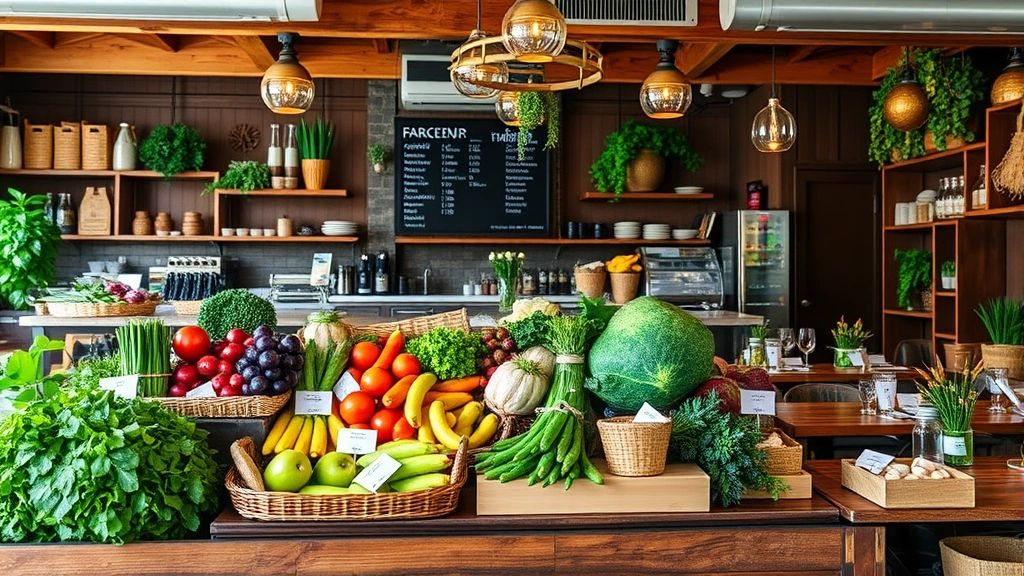
The farmers market movement reflects this trend, with Oakville farmers markets experiencing steady growth in vendor participation and consumer attendance. Direct-to-consumer agricultural sales, community-supported agriculture (CSA) programs, and farm-to-table dining concepts gain traction among environmentally-conscious consumers. Businesses integrating local sourcing, seasonal products, and transparent supply chains often develop passionate customer bases willing to advocate for and recommend their businesses.
Zero-waste retail models, refill stations, and package-free shopping options represent emerging opportunity, though adoption remains limited to early-adopter segments. Retailers piloting these models report strong customer loyalty and positive brand differentiation, though operational complexity and consumer behavior change requirements present implementation challenges. Success requires patient capital, commitment to operational efficiency, and genuine alignment with business values rather than superficial greenwashing.
Technology Adoption in Retail
Technology integration transforms retail operations and customer experience across Oakville. Point-of-sale (POS) systems have evolved beyond transaction processing to become comprehensive business intelligence platforms providing real-time sales data, inventory visibility, customer analytics, and predictive insights. Modern POS systems integrate with e-commerce platforms, accounting software, and customer relationship management (CRM) tools, creating interconnected business ecosystems.
Inventory management technology enables retailers to maintain optimal stock levels, reduce shrinkage, and improve cash flow. Real-time inventory visibility across multiple locations or channels prevents stockouts, minimizes overstock situations, and enables accurate availability representation to customers. Retailers implementing advanced inventory systems report 15-25% improvements in inventory turnover and corresponding reductions in carrying costs.
Customer relationship management tools enable personalized marketing, targeted promotions, and loyalty program optimization. By capturing customer data—purchase history, preferences, communication preferences—retailers develop deeper understanding of individual customer needs and can deliver relevant, timely offers. CRM platforms supporting email marketing, SMS communications, and personalized recommendations drive engagement and repeat purchases.
Artificial intelligence and machine learning applications increasingly influence retail operations. Demand forecasting algorithms improve inventory planning accuracy, chatbots handle customer inquiries efficiently, recommendation engines increase average transaction values, and price optimization tools maximize profitability. While enterprise-level AI solutions require significant investment, accessible cloud-based tools now enable small and medium retailers to leverage AI benefits.
Following emerging digital marketing trends 2025 helps retailers maintain competitive advantage through technology integration aligned with broader industry evolution and consumer expectations.
Food and Beverage Sector Growth
The food and beverage sector represents one of Oakville’s strongest growth segments, driven by affluent demographics, diverse cultural community, and strong dining culture. Full-service restaurants, casual dining establishments, specialty coffee shops, and food delivery services all experience robust demand. The sector’s growth outpaces broader retail growth, reflecting consumer preference for experiential spending and dining as social activity.
Cuisine diversity reflects Oakville’s multicultural population, with strong representation of Asian, Mediterranean, and Latin American cuisines alongside traditional North American fare. Authentic ethnic restaurants often command premium pricing and develop loyal customer bases within cultural communities and adventurous diners seeking genuine culinary experiences. Successful ethnic restaurants balance authenticity with accessibility, maintaining traditional recipes and preparation methods while adapting portion sizes and flavor profiles for broader appeal.
Ghost kitchens and cloud-based restaurant models gain traction, enabling entrepreneurs to launch food businesses with reduced capital requirements and operational complexity. These delivery-focused models eliminate front-of-house costs, focus on high-margin menu items optimized for delivery, and leverage third-party delivery platforms for customer acquisition and fulfillment. Success requires sophisticated understanding of delivery economics, menu engineering for delivery optimization, and marketing strategies effective on digital platforms.
Health-conscious and specialized dietary offerings experience consistent growth, with demand for vegan, gluten-free, keto, and allergen-free options expanding beyond niche segments into mainstream expectations. Restaurants successfully integrating these options into core menus—rather than offering limited specialized selections—report higher customer satisfaction and expanded addressable markets. Transparency regarding ingredients, sourcing, and preparation methods builds trust with health-conscious consumers.
Beverage sector innovation includes specialty coffee, craft beverages, and premium tea offerings. Third-wave coffee culture—emphasizing single-origin beans, precise brewing methods, and transparent sourcing—resonates with Oakville consumers willing to pay premium prices for superior quality. Successful beverage concepts often develop strong community presence, host events, and become gathering spaces rather than pure transaction-focused businesses.
Real Estate and Location Strategy
Commercial real estate dynamics significantly influence Oakville market opportunities and business viability. Prime retail locations command premium rents, typically ranging from $25-45 per square foot annually depending on visibility, traffic patterns, and property condition. Secondary locations offer lower rents ($15-25 per square foot) with correspondingly lower foot traffic and visibility. Location selection requires careful analysis of target customer demographics, traffic patterns, competitive proximity, and parking availability.
Transit accessibility increasingly influences retail location value, as consumers prefer walkable, convenient shopping environments. The GO Transit expansion and potential future transit improvements may reshape location premiums in underserved areas. Retailers analyzing long-term location strategy benefit from monitoring transit development plans and considering emerging neighborhoods with improving accessibility and lower current rents.
Mixed-use development represents emerging trend, with residential, office, and retail integration creating vibrant neighborhoods with consistent foot traffic. Retailers locating in mixed-use developments benefit from residential customer bases, office worker lunch traffic, and lifestyle-oriented positioning. These locations often support premium pricing and attract quality tenants creating positive halo effects.
Online retail success reduces pressure for prime physical locations, enabling service-based businesses and fulfillment operations to locate in lower-cost secondary areas. However, experiential retail—dining, fitness, personal services—still benefits significantly from high-visibility, high-traffic locations where location serves as primary marketing channel. Strategic location selection depends on business model, customer acquisition strategy, and target customer behavior patterns.
The marketing plan creation process should incorporate location strategy as central element, with location analysis informing customer targeting, promotional messaging, and channel selection.
FAQ
What are the primary growth sectors in the Oakville market?
Food and beverage, professional services, wellness and fitness, specialty retail, and experiential entertainment represent strongest growth sectors. These categories benefit from Oakville’s affluent demographics, strong spending capacity, and preference for premium, differentiated offerings. E-commerce enablement and digital service delivery expand opportunities across all sectors.
How important is location for retail success in Oakville?
Location remains critically important for foot-traffic dependent businesses, though importance varies by business model. High-visibility, high-traffic locations command premium rents but drive customer acquisition through visibility and convenience. Service-based businesses and e-commerce operations can succeed in secondary locations with strong digital marketing. Detailed traffic analysis and demographic mapping should inform location decisions.
What technology investments should Oakville retailers prioritize?
Modern POS systems, e-commerce platforms, inventory management tools, and CRM capabilities represent foundational technology priorities. These systems should integrate to create connected business ecosystems enabling data-driven decision-making. Social media presence and mobile optimization address customer expectations. Advanced analytics and AI applications represent secondary priorities once foundational systems establish.
How should businesses address Oakville’s sustainability-conscious consumers?
Authentic sustainability commitment—including transparent sourcing, eco-friendly practices, and genuine environmental impact reduction—builds trust with conscious consumers. Superficial greenwashing typically damages brand credibility. Specific actions include sustainable product sourcing, reducing packaging waste, transparent supply chain communication, and supporting community environmental initiatives. Educating consumers about sustainability benefits increases purchase likelihood.
What marketing approaches work best for Oakville consumers?
Oakville consumers respond to quality-focused messaging, community engagement, personalized communications, and authentic brand storytelling. Digital marketing through social platforms, email, and search engines reaches this tech-savvy demographic effectively. Community involvement, local partnerships, and event sponsorship build brand affinity and word-of-mouth advocacy. Premium positioning and quality emphasis resonate more effectively than discount-focused messaging.
How has e-commerce changed the Oakville retail landscape?
E-commerce increased customer expectations for omnichannel experiences, creating necessity for physical retailers to maintain digital presence and fulfillment capabilities. Online retail competition pressured traditional retailers to improve customer experience, service quality, and product differentiation. Successful retailers integrate online and offline channels seamlessly, offering BOPIS, curbside pickup, and delivery options. E-commerce also enabled service-based businesses to expand geographic reach and operate from lower-cost locations.
What franchise opportunities exist in the Oakville market?
Established franchise brands with strong unit economics and proven systems perform well in Oakville’s affluent market. Food and beverage franchises, fitness concepts, and professional services franchises represent active segments. Franchisees should evaluate location availability, competitive saturation, and alignment with local consumer preferences. Resources like Market Basket Careers and franchise disclosure documents provide detailed financial and operational information for evaluation.
How should businesses approach pricing strategy in Oakville?
Premium pricing strategies work effectively in Oakville given affluent demographics and lower price sensitivity compared to general population. Successful pricing emphasizes value—relationship between price and quality—rather than lowest cost. Transparent communication regarding quality, sourcing, and value justification supports premium positioning. Psychological pricing, dynamic pricing, and value-based pricing strategies should align with brand positioning and customer expectations. Testing and customer feedback inform optimal pricing approaches.