Nutcracker Market Tips: Expert Vendor Insights for Maximum Sales
The Nutcracker Market stands as one of North America’s premier holiday shopping events, attracting hundreds of thousands of visitors annually seeking unique gifts, artisan goods, and festive merchandise. For vendors, this seasonal phenomenon represents a golden opportunity to showcase products, build brand awareness, and generate significant revenue during the critical holiday shopping season. Success at the Nutcracker Market, however, requires strategic planning, operational excellence, and deep understanding of vendor dynamics that separate top performers from struggling participants.
Whether you’re a first-time vendor or a seasoned retailer looking to elevate your booth performance, the insights shared by successful market veterans provide invaluable guidance. This comprehensive guide synthesizes expert advice from top-performing vendors who have mastered the art of converting foot traffic into sales while building lasting customer relationships.
Pre-Market Planning and Preparation
Successful vendors recognize that the Nutcracker Market experience begins months before the event opens to the public. Strategic preparation during the off-season determines whether your booth will thrive or merely survive the intense retail environment. Top performers invest significant time in market research, analyzing customer demographics, competitor offerings, and emerging holiday trends that influence purchasing decisions.
Begin by studying previous years’ performance data if you’re a returning vendor, or researching market attendance patterns if you’re new to the event. Understanding visitor demographics—age ranges, income levels, shopping preferences, and geographic origin—enables you to tailor your product selection and messaging accordingly. Many vendors utilize marketing strategy frameworks for small businesses to develop comprehensive pre-market campaigns that build anticipation among their existing customer base.
Successful vendors also coordinate with other market participants to avoid direct competition while identifying complementary product categories. This collaborative approach, combined with thorough local market analysis, helps establish a cohesive shopping experience that attracts repeat visitors throughout the event duration.
Documentation and logistics planning cannot be overlooked. Create detailed checklists covering booth setup requirements, electrical needs, display materials, payment processing equipment, and staffing schedules. Expert vendors recommend booking these logistics well in advance, as popular time slots and equipment options fill quickly as the event approaches.
Booth Design and Visual Merchandising
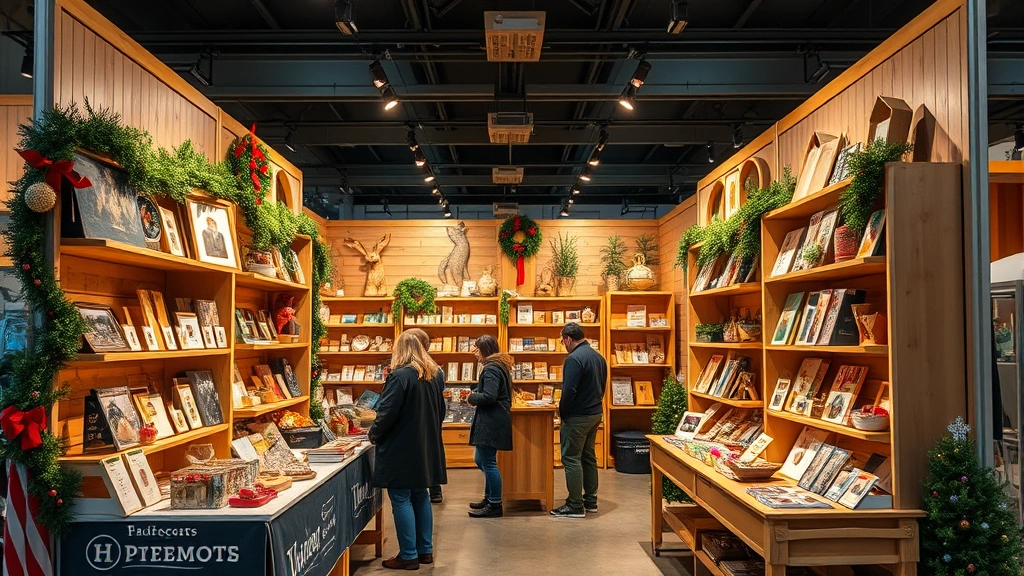
Your booth represents your brand’s physical manifestation at the Nutcracker Market, and its visual impact significantly influences customer attraction and conversion rates. Top-performing vendors invest in professional booth design that balances aesthetic appeal with functional efficiency. The most successful booths feature clear sightlines, strategic product placement, and cohesive visual themes that immediately communicate your brand identity to passing shoppers.
Color psychology plays a crucial role in retail environments, particularly during the holiday season when seasonal aesthetics dominate the market landscape. Vendors report that incorporating warm, festive colors—deep reds, golds, forest greens, and rich silvers—creates emotional connections that align with holiday shopping psychology. However, strategic use of contrasting colors helps your booth stand out in crowded market environments where visual competition is intense.
Lighting represents another critical element that separates exceptional booths from mediocre ones. Professional vendors utilize spotlighting to highlight premium products, create depth perception, and establish focal points that guide customer attention. Strategic lighting also extends booth visibility into evening hours when foot traffic typically increases, as shoppers extend their market visits into nighttime shopping experiences.
Product arrangement should follow merchandising principles that encourage customer engagement and impulse purchases. Experts recommend organizing items by price point, with accessible entry-level products at eye level and premium offerings positioned strategically to create aspirational shopping experiences. Creating defined zones within your booth—gift sets, bestsellers, clearance items—helps customers navigate your offerings intuitively while maximizing exposure to your full product range.
Signage deserves particular attention, as clear, compelling copy drives purchasing decisions and reduces customer confusion. Top vendors utilize current digital marketing trends to create QR codes linking to product information, social media pages, and online purchasing options, seamlessly bridging physical and digital retail experiences.
Inventory Management Strategies
Effective inventory management represents the difference between maximizing revenue and experiencing costly stockouts or overstock situations. Expert vendors employ data-driven forecasting methodologies based on historical sales patterns, market trends, and anticipated visitor demographics. This analytical approach, informed by comprehensive market understanding, enables vendors to optimize inventory allocation across product categories and price points.
Successful vendors typically stock 20-30% more inventory than their conservative sales projections, accounting for unexpected demand surges while maintaining reasonable carrying costs. This buffer strategy prevents the frustration of turning away customers due to stockouts, particularly for bestselling items that drive impulse purchases and customer satisfaction.
Category-specific inventory planning requires nuanced analysis. Premium gift items typically experience concentrated demand during specific market periods—opening weekend and the final pre-Christmas rush. Conversely, stocking smaller impulse-purchase items throughout the entire event duration maintains steady cash flow and encourages repeat visits from previous customers seeking new offerings.
Inventory tracking systems prove invaluable during high-volume retail periods. Modern vendors employ mobile point-of-sale systems that monitor stock levels in real-time, alerting staff to restock popular items or identify underperforming products requiring promotional attention. This technological integration transforms inventory management from a manual, reactive process into a strategic, data-informed operation.
Returns and damaged goods policies require careful consideration before the market opens. Expert vendors establish clear guidelines addressing customer satisfaction while protecting profitability. Many successful vendors offer limited exchanges but emphasize the event-specific, final-sale nature of market purchases, setting appropriate customer expectations from initial purchase interactions.
Customer Engagement Techniques
The Nutcracker Market environment presents unique opportunities for direct customer engagement that transcends traditional retail interactions. Top-performing vendors recognize that today’s consumers seek experiences alongside products, and the market setting enables authentic brand storytelling that drives emotional connections and long-term customer loyalty.
Expert vendors recommend developing brief, compelling narratives about your products—origin stories, artisan creation processes, sustainability practices, or unique design inspirations. These narratives transform commodities into meaningful purchases, particularly during holiday shopping when gift-givers seek products carrying emotional significance beyond functional utility.
Sampling and product demonstrations dramatically increase conversion rates, particularly for consumable items, beauty products, and specialty foods. Vendors report that customers who experience products firsthand exhibit significantly higher purchase propensity than those relying solely on visual assessment. Strategic sampling also generates word-of-mouth marketing as satisfied customers recommend products to friends and family members within the market environment.
Interactive elements create memorable booth experiences that encourage social media sharing and repeat visits. Successful vendors incorporate elements like personalization services, gift wrapping stations, or interactive displays that invite customer participation. These engagement tactics transform passive shopping experiences into active, engaging encounters that differentiate your booth from competitors.
Building email lists and social media followers during market attendance extends customer relationships beyond the event duration. Vendors who capture contact information offer incentives—exclusive discounts, early access to new products, or special promotions—creating value propositions that encourage customer participation. This data collection strategy, aligned with comprehensive market insights, enables year-round customer engagement and supports future event planning.
Pricing and Promotion Tactics
Strategic pricing represents a critical success factor that influences both transaction volume and profit margins. Expert vendors emphasize that Nutcracker Market shoppers exhibit diverse price sensitivities, requiring tiered product offerings spanning budget-conscious impulse purchases to premium gift items. This pricing architecture maximizes market penetration across customer segments while optimizing average transaction values.
Promotional strategies should align with market-specific dynamics rather than replicating year-round retail tactics. Successful vendors implement time-sensitive promotions—opening weekend specials, mid-event flash sales, or final-day clearance events—that create urgency and encourage repeat visits. These tactical promotions, when executed strategically, increase transaction frequency without eroding brand value or customer perception of quality.
Bundle offerings represent particularly effective promotional vehicles at seasonal markets. Combining complementary products at attractive price points increases average transaction values while introducing customers to your full product range. Expert vendors report that well-designed bundles sell at significantly higher volumes than individual items, even when customers could purchase components separately at equivalent total costs.
Loyalty programs adapted for market environments encourage repeat visits and higher spending levels. Simple punch cards, tiered discount structures, or exclusive customer clubs create psychological incentives for increased engagement. Vendors who implement these programs report not only increased transaction values but also valuable customer data supporting post-market follow-up campaigns.
Seasonal pricing psychology deserves careful consideration, particularly regarding premium positioning. Contrary to common misconceptions, Nutcracker Market shoppers frequently demonstrate strong willingness to pay premium prices for distinctive, high-quality products, particularly items perceived as exclusive or limited-availability. Pricing strategies should reflect product quality and exclusivity rather than defaulting to aggressive discounting that may undermine brand positioning.
Technology Integration at Your Booth
Modern Nutcracker Market vendors leverage technology solutions that enhance operational efficiency, improve customer experience, and capture valuable business data. Point-of-sale systems specifically designed for event environments provide mobile payment processing, inventory tracking, and sales analytics that inform real-time decision-making.
Mobile payment acceptance represents a non-negotiable requirement in contemporary retail environments. Expert vendors maintain redundant payment systems—multiple card readers, digital wallet support, and backup connectivity solutions—ensuring seamless transactions regardless of technical challenges. Payment processing reliability directly impacts customer satisfaction and transaction completion rates, particularly during high-volume periods.
Digital displays and product information systems enhance customer engagement while reducing staff workload. QR codes linking to product videos, customer reviews, or social media content provide interactive elements that appeal to digitally-native shoppers. Some vendors implement tablet-based product browsers enabling customers to explore full catalogs, particularly valuable for vendors with extensive product ranges exceeding booth display capacity.
Email capture systems integrated into checkout processes enable efficient customer list building without disrupting transaction flow. Vendors who implement these systems seamlessly—through optional signup opportunities or post-purchase follow-ups—build databases supporting long-term marketing initiatives while respecting customer preferences.
Social media integration creates real-time engagement opportunities and extends market reach beyond physical attendees. Vendors who encourage customer photo-sharing, feature booth activities on social channels, or implement location-based promotions generate organic marketing amplification and attract additional foot traffic from social media followers.
Staff Training and Customer Service
Your booth staff represents your brand during the Nutcracker Market, and their training level directly impacts customer satisfaction, sales conversion, and brand perception. Top-performing vendors invest substantially in staff preparation, ensuring team members understand product features, can articulate brand narratives, and possess customer service excellence.
Comprehensive product training extends beyond basic feature knowledge to encompass use cases, customer benefits, and strategic positioning relative to alternatives. Staff equipped with this knowledge provide consultative selling experiences that build customer confidence and justify premium pricing. Expert vendors emphasize that knowledgeable staff transform browsers into buyers by addressing concerns and highlighting value propositions that resonate with individual customer needs.
Customer service training should address market-specific dynamics, including managing high-volume periods, handling frustrated customers in crowded environments, and maintaining enthusiasm throughout extended booth hours. Role-playing exercises, scenario-based training, and clear escalation procedures prepare staff for diverse situations they’ll encounter during intense market periods.
Staff scheduling deserves strategic attention, particularly regarding peak traffic periods. Successful vendors analyze historical attendance patterns to staff booths heavily during anticipated high-traffic windows—opening weekend, evening hours, and final shopping days. Adequate staffing during peak periods prevents customer frustration from long wait times while enabling consultative interactions that drive higher conversion rates.
Staff incentive structures aligned with business objectives encourage peak performance and customer focus. Vendors who implement commission structures, performance bonuses, or recognition programs report significantly higher staff engagement and customer satisfaction metrics. These incentive systems transform staff from order-takers into active sales professionals invested in booth success.
Post-Market Follow-Up
The Nutcracker Market experience concludes when the event closes, but strategic vendors recognize that post-market engagement represents critical opportunity for customer retention and lifetime value maximization. Expert vendors implement systematic follow-up campaigns that maintain momentum from market interactions while converting one-time shoppers into repeat customers.
Email marketing campaigns dispatched within days of market closure capitalize on fresh customer memories and ongoing holiday shopping momentum. Successful campaigns feature personalized product recommendations, exclusive post-market discounts, and compelling content that maintains engagement. Vendors report that well-executed post-market campaigns generate significant repeat purchase activity and establish foundations for year-round customer relationships.
Social media engagement during post-market periods reinforces brand connections established during in-person interactions. Sharing customer photos, thanking attendees, and teasing next-year offerings maintain momentum while demonstrating customer appreciation. This authentic engagement builds community around your brand, encouraging word-of-mouth recommendations that drive future market attendance.
Performance analysis conducted post-market informs strategy refinement for future events. Successful vendors meticulously track key metrics—total sales, transaction frequency, average order value, inventory turnover, and customer acquisition costs—comparing actual performance against projections. This analytical rigor identifies successful tactics worthy of expansion and underperforming strategies requiring modification.
Feedback collection from both customers and internal team members provides qualitative insights complementing quantitative metrics. Surveys, informal conversations, and staff debriefs surface customer preferences, operational challenges, and improvement opportunities that data alone cannot capture. Vendors who systematically collect and implement feedback demonstrate continuous improvement that compounds success across multiple market seasons.
FAQ
What inventory levels should I maintain for the Nutcracker Market?
Expert vendors recommend stocking 20-30% above conservative sales projections. This buffer prevents stockouts during demand surges while maintaining reasonable carrying costs. Category-specific analysis is essential—premium items require concentrated inventory during opening and closing weekends, while impulse-purchase items should be consistently restocked throughout the event.
How can I stand out among hundreds of vendors?
Differentiation emerges through exceptional booth design, compelling product narratives, genuine customer engagement, and authentic brand storytelling. Vendors who create memorable experiences, implement interactive elements, and demonstrate authentic passion for their products attract customer attention and build lasting loyalty that transcends typical retail transactions.
What payment systems are essential for market success?
Modern Nutcracker Market shoppers expect multiple payment options including credit cards, digital wallets, and mobile payment systems. Successful vendors maintain redundant payment processing capabilities with backup connectivity solutions, ensuring seamless transactions during high-volume periods. Cash handling systems with appropriate security measures remain relevant for customer convenience.
How should I price products for the Nutcracker Market?
Implement tiered pricing spanning budget-conscious impulse purchases to premium gift items, maximizing market penetration across customer segments. Nutcracker Market shoppers demonstrate strong willingness to pay premium prices for distinctive, high-quality products perceived as exclusive. Pricing should reflect product quality and exclusivity rather than defaulting to aggressive discounting.
What post-market activities generate the most customer value?
Email marketing campaigns dispatched within days of market closure capitalize on fresh customer memories, generating significant repeat purchase activity. Complementary social media engagement, feedback collection, and performance analysis inform strategy refinement for future events. Vendors who systematically implement post-market engagement demonstrate substantially higher customer lifetime value and repeat attendance.
How can technology enhance my booth performance?
Mobile point-of-sale systems, digital displays, QR code integration, and social media connectivity enhance operational efficiency and customer engagement. Technology solutions enable real-time inventory tracking, seamless payment processing, customer data capture, and extended market reach beyond physical attendees. However, technology should enhance rather than replace authentic human customer interactions.
What staff training elements prove most critical?
Comprehensive product knowledge, customer service excellence, and market-specific scenario preparation represent essential training elements. Staff equipped with consultative selling skills, conflict resolution capabilities, and genuine enthusiasm dramatically improve customer satisfaction and sales conversion. Performance incentives aligned with business objectives encourage peak staff engagement throughout extended market hours.