
Mekong Market Trends: Insider Insights for E-Commerce Success
The Mekong Region represents one of Southeast Asia’s most dynamic and rapidly evolving commercial ecosystems. Spanning across Vietnam, Thailand, Cambodia, Laos, and Myanmar, this region encompasses over 330 million people with increasingly sophisticated consumer behaviors and digital adoption rates. For e-commerce businesses and investors, understanding Mekong market trends has become essential to capturing growth opportunities in this emerging powerhouse.
Recent economic data reveals that the Mekong Region’s e-commerce market is projected to reach $50 billion by 2025, with compound annual growth rates exceeding 25% across key verticals. The convergence of rising middle-class consumption, mobile-first shopping behaviors, and improving logistics infrastructure has created unprecedented opportunities for retailers and brands willing to navigate regional complexities. This comprehensive guide provides insider insights into the forces reshaping commerce across the Mekong, equipping you with actionable intelligence for strategic decision-making.
Economic Growth Drivers and Consumer Behavior Shifts
The Mekong Region is experiencing transformative economic expansion, with GDP growth averaging 5-7% annually across member nations. This sustained growth has directly correlates with rising disposable incomes and changing consumer expectations. Urban populations in major cities like Ho Chi Minh City, Bangkok, and Phnom Penh are increasingly sophisticated shoppers who demand convenience, variety, and competitive pricing.
Consumer behavior research indicates that Mekong shoppers prioritize value for money, with price sensitivity remaining high despite growing affluence. However, quality consciousness is rising, particularly among younger demographics aged 18-35 who represent the largest online shopping cohort. This generation exhibits strong brand loyalty when trust is established, making customer experience and reputation critical competitive differentiators.
The rise of the middle class has been particularly pronounced in Vietnam and Thailand, where annual household incomes have doubled over the past decade in urban centers. This demographic shift has created demand for categories traditionally considered luxury, including electronics, cosmetics, fashion, and home goods. Understanding these marketing strategies for small businesses becomes crucial when entering this diversified marketplace.
Seasonal purchasing patterns in the Mekong differ significantly from Western markets. Major shopping events include Lunar New Year (January-February), Mid-Autumn Festival, and year-end holiday periods. E-commerce platforms report 300-400% traffic spikes during these windows, indicating highly concentrated seasonal demand that requires sophisticated inventory planning and promotional strategies.
Digital Payment Revolution Across the Region
Digital payment adoption has emerged as a critical enabler of e-commerce growth throughout the Mekong Region. While cash-on-delivery (COD) remains prevalent, particularly in lower-income segments and rural areas, digital wallet usage is accelerating rapidly. Mobile money services and local payment gateways have become essential infrastructure for successful online retail operations.
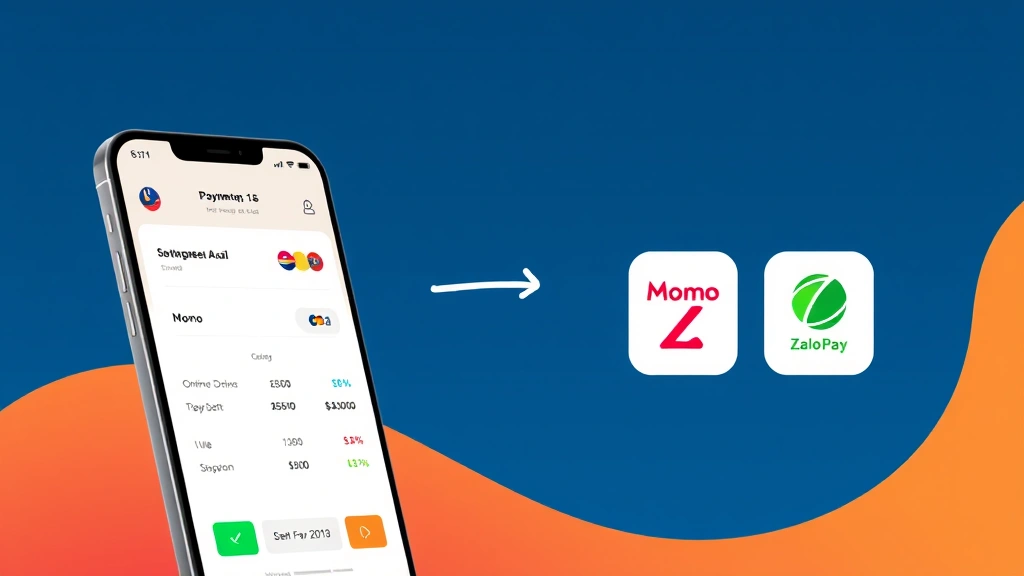
Vietnam leads regional adoption of digital payments, with platforms like Momo and ZaloPay achieving penetration rates exceeding 40% in urban areas. Thailand’s PromptPay system and mobile banking integration have similarly transformed payment behaviors, while Cambodia’s Wing and Acleda mobile money services continue expanding financial inclusion. Myanmar’s payment ecosystem remains nascent but rapidly developing following economic liberalization.
Cryptocurrency adoption varies considerably across the region, with Vietnam showing the highest interest among retail investors and merchants. However, regulatory uncertainty has tempered mainstream commercial adoption of digital currencies. Traditional bank transfers and installment payment options remain popular among middle-class consumers seeking flexible purchasing arrangements.
The shift toward digital payments has reduced transaction friction and enabled smaller merchants to compete with larger retailers. Payment gateway providers are continuously innovating to reduce fees and improve settlement speed, creating competitive advantages for early adopters. Integration with market insights from industry leaders can help businesses optimize their payment infrastructure investments.
Key payment statistics:
- Digital wallet market growing at 35% CAGR across the region
- Mobile payment transaction values expected to exceed $100 billion by 2026
- Cash-on-delivery still accounts for 45-60% of transactions in lower-income segments
- Installment payment adoption increasing 40% year-over-year among mid-tier retailers
Mobile Commerce and Social Shopping Dominance
Mobile commerce represents the dominant channel for Mekong Region e-commerce, with smartphones accounting for 85-92% of online shopping transactions. This mobile-first orientation reflects the region’s leap-frogging development pattern, where consumers adopted mobile technology before traditional desktop computing became widespread. For businesses, this reality demands mobile-optimized experiences that rival or exceed desktop functionality.
Social commerce has emerged as a particularly powerful channel throughout the Mekong, with Facebook, TikTok, and Instagram serving as primary discovery and transaction platforms. Unlike Western markets where social commerce supplements traditional e-commerce platforms, Mekong consumers frequently complete purchases directly within social apps through integrated checkout systems. This integration has blurred distinctions between social media, content discovery, and retail.
Live streaming shopping events have achieved phenomenal adoption in Vietnam and Thailand, with single broadcasts generating millions in sales volume. Influencer-driven commerce and user-generated content strategies have proven exceptionally effective at building trust and driving conversion. The region’s high engagement rates on social platforms (2-3x global averages) create unique opportunities for creative marketing campaigns.
Super apps like Grab, Gojek, and AirAsia have integrated e-commerce, payments, and delivery services into unified platforms, fundamentally reshaping consumer expectations around service integration. These ecosystems offer compelling value propositions through loyalty programs, bundled services, and seamless user experiences that independent retailers struggle to replicate. Understanding how to leverage digital marketing trends for 2025 is essential for competing effectively in this environment.
Mobile commerce breakdown by category:
- Fashion and Apparel: 28% of mobile e-commerce transactions
- Electronics and Gadgets: 22% of transactions
- Home and Kitchen: 18% of transactions
- Beauty and Personal Care: 16% of transactions
- Groceries and Food: 16% of transactions
Supply Chain and Logistics Evolution
Logistics infrastructure development has been critical to enabling e-commerce expansion across the Mekong Region. Last-mile delivery capabilities have improved dramatically over the past five years, with average delivery times in major cities now ranging from 24-48 hours. However, rural logistics remain challenging, with delivery times extending to 5-10 days in remote areas, creating geographic limitations for certain customer segments.
Third-party logistics (3PL) providers have proliferated throughout the region, offering specialized services for e-commerce businesses. Companies like Giao Hang Tiet Kiem (GHTK) in Vietnam, Kerry Express in Thailand, and AMA in Cambodia have built extensive networks enabling competitive shipping rates and reliable service standards. The competitive landscape has driven innovation in tracking systems, delivery optimization algorithms, and customer communication technologies.
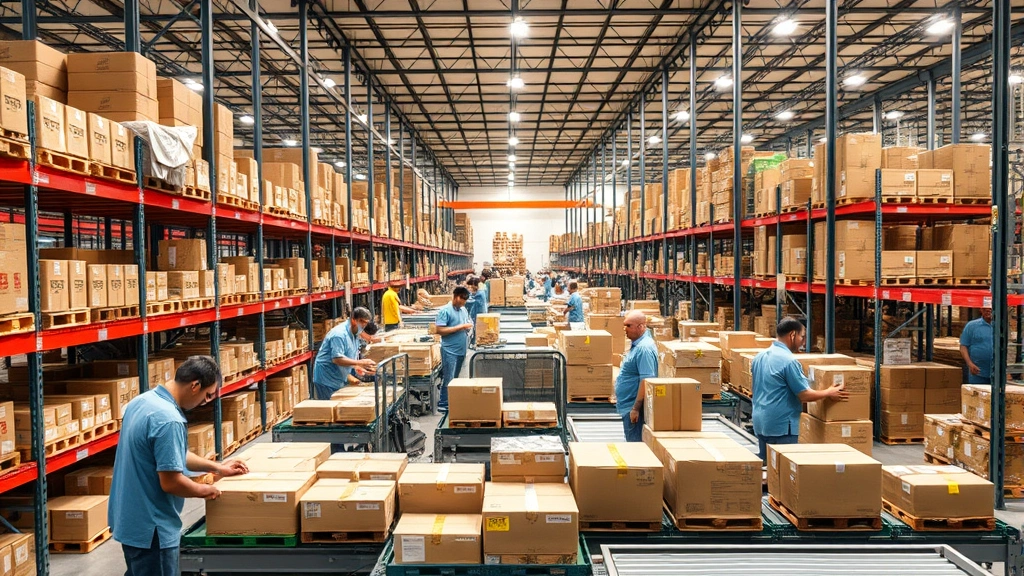
Warehouse automation remains limited compared to developed markets, with most facilities relying on manual sorting and fulfillment processes. However, leading logistics operators are investing in automation technologies, particularly in high-volume urban centers. This creates opportunities for businesses to partner with modern logistics providers that offer efficiency advantages and cost benefits.
Cold chain logistics for perishable goods represents an emerging growth area, with food and beverage e-commerce expanding rapidly. Temperature-controlled delivery capabilities remain inconsistent across the region, creating quality assurance challenges. Businesses focused on fresh groceries, frozen foods, or temperature-sensitive products must carefully evaluate logistics partner capabilities and reliability records.
Regional trade agreements, particularly those involving ASEAN nations, are gradually reducing cross-border logistics friction. Harmonization of customs procedures and reduction of tariff barriers are facilitating intra-regional commerce and enabling businesses to establish regional distribution networks. Understanding these regulatory frameworks is essential for developing effective business strategies that leverage regional trade advantages.
Cross-Border E-Commerce Opportunities
Cross-border e-commerce has emerged as a significant growth driver within the Mekong Region, with intra-ASEAN trade volumes growing 40% annually. Vietnamese retailers are increasingly selling to Thai and Cambodian consumers, while Thai manufacturers export directly to Myanmar and Laos. This regional trade integration creates opportunities for businesses positioned across multiple national markets.
China represents the largest external source of imported goods flowing into Mekong Region e-commerce platforms, with Chinese sellers capturing significant market share in electronics, fashion, and accessories categories. However, quality concerns and extended delivery times have created opportunities for regional sellers offering faster fulfillment and local customer service in native languages.
Tariff structures and customs regulations significantly impact cross-border e-commerce profitability. ASEAN Trade in Goods Agreement (ATIGA) provisions offer preferential duty rates for regional trade, but complex rules of origin requirements and documentation standards create compliance challenges. Businesses must invest in customs expertise and trade compliance infrastructure to maximize benefits from preferential trade arrangements.
Currency fluctuations and foreign exchange risks present ongoing challenges for cross-border merchants. Price volatility in regional currencies can significantly impact profit margins on imported goods, requiring sophisticated hedging strategies or dynamic pricing mechanisms. Payment gateway providers increasingly offer foreign exchange solutions designed specifically for regional e-commerce merchants.
Consumer preferences for local sellers and regional brands have strengthened as digital payment infrastructure improved. Mekong consumers increasingly prefer purchasing from sellers within their own countries or neighboring nations, citing faster delivery, easier returns, and better customer service in local languages. This preference creates protective advantages for regionally-established businesses competing against global retailers.
Regional Market Variations and Country-Specific Strategies
Vietnam: As the region’s e-commerce leader, Vietnam hosts the most mature market with platforms like Shopee, Lazada, and TikTok Shop commanding dominant positions. Vietnamese consumers demonstrate high digital literacy and comfort with online transactions. The market is characterized by intense competition, thin margins, and rapid innovation cycles. Success requires differentiation through superior customer service, unique product offerings, or specialized niche positioning.
Thailand: Thai e-commerce emphasizes lifestyle and experience-based commerce, with consumers valuing aesthetic presentation and brand storytelling. Social commerce penetration exceeds Vietnam in some categories, with LINE Shopping and native Thai platforms gaining traction alongside international players. Thai consumers show strong preference for established brands and official retailers, creating barriers for new entrants but opportunities for licensed distributors.
Cambodia: Cambodia’s e-commerce market remains less developed than Vietnam and Thailand, but growth rates exceed 30% annually. Limited logistics infrastructure and lower digital payment adoption create challenges, but these same factors create first-mover advantages for businesses willing to invest in market development. Cambodian consumers demonstrate high price sensitivity and strong preference for cash-on-delivery payment methods.
Laos: Laos represents the smallest e-commerce market in the region, with limited digital infrastructure and low internet penetration outside major cities. However, rapid economic growth and increasing mobile adoption create emerging opportunities. Businesses must prioritize education and trust-building in this nascent market, where e-commerce awareness remains limited among mainstream consumers.
Myanmar: Myanmar’s e-commerce sector is recovering from political disruptions and remains fragmented among multiple competing platforms. Digital infrastructure improvements and increasing political stability are gradually attracting investor attention. Early movers willing to navigate regulatory uncertainties may capture disproportionate market share as the market matures. Careful political and regulatory risk assessment is essential before entering this market.
Regulatory Environment and Compliance Considerations
Regulatory frameworks governing e-commerce vary significantly across the Mekong Region, with each nation implementing distinct approaches to taxation, consumer protection, and data privacy. Businesses operating across multiple countries must maintain detailed compliance calendars and adapt operations to meet country-specific requirements.
Value-added tax (VAT) and goods and services tax (GST) regulations are evolving across the region, with some nations implementing e-commerce-specific tax collection requirements. Vietnam and Thailand have implemented or proposed digital services taxes affecting online platforms and foreign sellers. Businesses must monitor regulatory developments closely and adjust pricing and accounting practices accordingly.
Consumer protection regulations are strengthening across the region, with increased emphasis on product liability, warranty obligations, and dispute resolution mechanisms. E-commerce platforms are implementing buyer protection programs and escrow payment systems to comply with emerging standards. Sellers must maintain quality standards and responsive customer service to avoid regulatory sanctions and platform suspensions.
Data privacy and cybersecurity requirements are gradually tightening, with Vietnam implementing personal data protection laws and Thailand strengthening regulations under the Personal Data Protection Act. Businesses must implement robust data security measures and obtain explicit consumer consent for data collection and processing. Non-compliance risks include significant fines and reputational damage.
Intellectual property enforcement remains inconsistent across the region, with counterfeit products and trademark infringement presenting ongoing challenges. Brands must actively monitor and report violations to platforms and government authorities. Businesses should register trademarks and patents in target markets and maintain detailed documentation of intellectual property rights.
Employment regulations for remote work and gig economy logistics providers are evolving, with some nations implementing stricter labor protections. Businesses relying on third-party logistics networks should verify that partners maintain compliant employment practices, as regulatory violations by partners can create liability and reputational risks.
Understanding the current stock market dynamics and investment climate can provide insights into regulatory stability and business confidence indicators across the region. Additionally, exploring local market conditions helps businesses identify geographic opportunities and challenges specific to their operational focus areas.
FAQ
What is the projected size of the Mekong Region e-commerce market by 2025?
Industry analysts project the Mekong Region e-commerce market will reach approximately $50 billion by 2025, with compound annual growth rates exceeding 25% across major categories. This growth is driven by rising middle-class consumption, improved digital infrastructure, and increasing mobile device adoption.
Which countries in the Mekong Region show the highest e-commerce growth potential?
Vietnam currently leads in market maturity and transaction volume, but Cambodia and Myanmar demonstrate the highest growth rates (30%+ annually). These emerging markets offer significant opportunities for businesses willing to invest in market development and navigate regulatory uncertainties.
What payment methods are most popular in Mekong Region e-commerce?
While cash-on-delivery remains prevalent (45-60% of transactions), digital wallets like Momo and ZaloPay are rapidly gaining adoption in urban areas. Mobile banking integration and installment payment options are also growing in popularity, particularly among middle-class consumers. Accepting multiple payment methods is essential for maximizing market coverage.
How important is social commerce in the Mekong Region?
Social commerce represents a critical channel in the Mekong Region, with Facebook, TikTok, and Instagram serving as primary discovery and transaction platforms. Live streaming shopping events and influencer-driven commerce have achieved exceptional adoption rates, particularly in Vietnam and Thailand. Businesses must develop strong social commerce strategies to remain competitive.
What are the main challenges for foreign businesses entering the Mekong e-commerce market?
Key challenges include navigating complex regulatory environments, managing logistics across diverse geographic areas, competing with established local platforms, and adapting to varying consumer preferences and payment behaviors across different countries. Language barriers, cultural differences, and currency fluctuations also present operational challenges.
How does logistics infrastructure compare across Mekong Region countries?
Vietnam and Thailand have the most developed logistics networks, with 24-48 hour delivery capabilities in major cities. Cambodia’s infrastructure is developing rapidly but remains less mature. Laos and Myanmar have more limited logistics capabilities, particularly outside major urban centers. Rural delivery remains challenging across all countries, with extended timelines of 5-10 days.
What are the tariff advantages for regional trade within the Mekong?
ASEAN Trade in Goods Agreement (ATIGA) provisions offer preferential duty rates for intra-regional trade, potentially reducing import costs by 0-5% depending on product categories and rules of origin compliance. However, complex documentation requirements and customs procedures require investment in trade compliance expertise to realize these benefits fully.
How does consumer behavior differ across the Mekong Region?
Vietnamese and Thai consumers show higher digital literacy and comfort with online transactions compared to Cambodia, Laos, and Myanmar. Price sensitivity remains high across the region, but quality consciousness is rising among younger demographics. Regional variations in payment preferences, language requirements, and cultural values necessitate country-specific marketing and operational strategies.