
Table of Contents
Introduction
Running an ecommerce business today? You’ve probably felt that familiar struggle—trying to connect with customers while juggling a million marketing tasks. Picture this: personalized emails going out automatically, customer segments updating themselves, and sales flowing in while you focus on what really matters. That’s what marketing automation can do for your online store, and honestly, it’s pretty amazing once you see it in action.
Here’s the thing about marketing automation—it’s not just fancy tech talk. It’s about taking those time-consuming, repetitive marketing tasks and letting software handle them so you can actually grow your business. Think targeted email campaigns that know exactly when to reach each customer, or behavior tracking that helps you understand what makes your audience tick. When you understand the real marketing automation benefits, you’ll see why smart retailers are using these tools to boost engagement and drive conversions without burning out their teams.
Now, if you’re running a smaller ecommerce operation, you might be thinking this sounds expensive or complicated. But here’s what’s cool—automation tools have become incredibly accessible for businesses of all sizes. The time you save on manual tasks? That’s time you can spend on strategy, customer service, or actually enjoying your business. Our comprehensive marketing automation for small business guide breaks down exactly how smaller retailers can compete with the big players by working smarter, not harder. It’s about leveling the playing field through smart technology.
But automation is just one piece of the puzzle. Your messaging needs to actually connect with people across all the channels where they hang out—email, social media, your website, everywhere. That’s where solid marketing communication strategies come into play. You want your brand voice to feel consistent and genuine, whether someone’s reading your newsletter or scrolling past your Instagram ad. And when you combine this with proven e-commerce marketing strategies like SEO, social media marketing, and targeted ads, you’re building a marketing machine that actually works.
Let’s talk data for a second—because numbers don’t lie. The best ecommerce businesses are obsessed with understanding what their customers actually do (not just what they say they do). That’s where e-commerce analytics tools become your best friend. They show you which campaigns are crushing it, where customers are dropping off, and what tweaks could double your conversion rates. When you’re making decisions based on real data instead of gut feelings, everything changes. Plus, with innovations like headless commerce platforms giving you more flexibility than ever, you can create shopping experiences that actually feel personal.
What You’ll Learn in This Guide
We’re going to walk through everything you need to know about marketing automation for your ecommerce business. Whether you’re completely new to this or you’re looking to level up your current setup, we’ve got you covered.
- Understanding Marketing Automation: We’ll break down what marketing automation actually is, show you the key features that matter, and explain how it can simplify those complex marketing tasks that eat up your time.
- Benefits for Ecommerce: You’ll discover exactly how automation can boost customer engagement, increase your sales conversions, and free up hours in your week through smarter workflows.
- Choosing the Right Platform: Get the insider tips you need to pick marketing automation software that plays nice with your ecommerce platform and actually fits your business (not the other way around).
- Implementation and Best Practices: We’ll walk through the practical steps to get everything set up and running smoothly, including how to set realistic goals, create campaigns that convert, and avoid the common pitfalls that trip up most businesses.
As we dig deeper into this topic, you’ll see real examples of how other businesses are using automation to build stronger relationships with their customers and grow sustainably. We’re not just talking theory here—we’ll share practical tips and real-world strategies that you can actually implement. Because let’s be honest, you need advice that works in the real world, not just on paper.
This guide is designed to give you the confidence to implement marketing automation strategies that actually make sense for your business goals. From the basics to advanced stuff like personalized email workflows and smart customer segmentation, each section is packed with actionable insights you can use right away. And here’s a pro tip—using content marketing calendar templates to plan your campaigns will keep your messaging consistent and timely, which your customers will definitely notice.
Whether you’re just launching your online store or you’ve been in the ecommerce game for years, this guide will be your roadmap to marketing automation success. Once you start using these tools effectively, you’ll wonder how you ever managed without them. Ready to discover how automation can transform your marketing, build customer loyalty, and give you a real competitive edge? Let’s dive in and build the foundation for serious ecommerce growth.
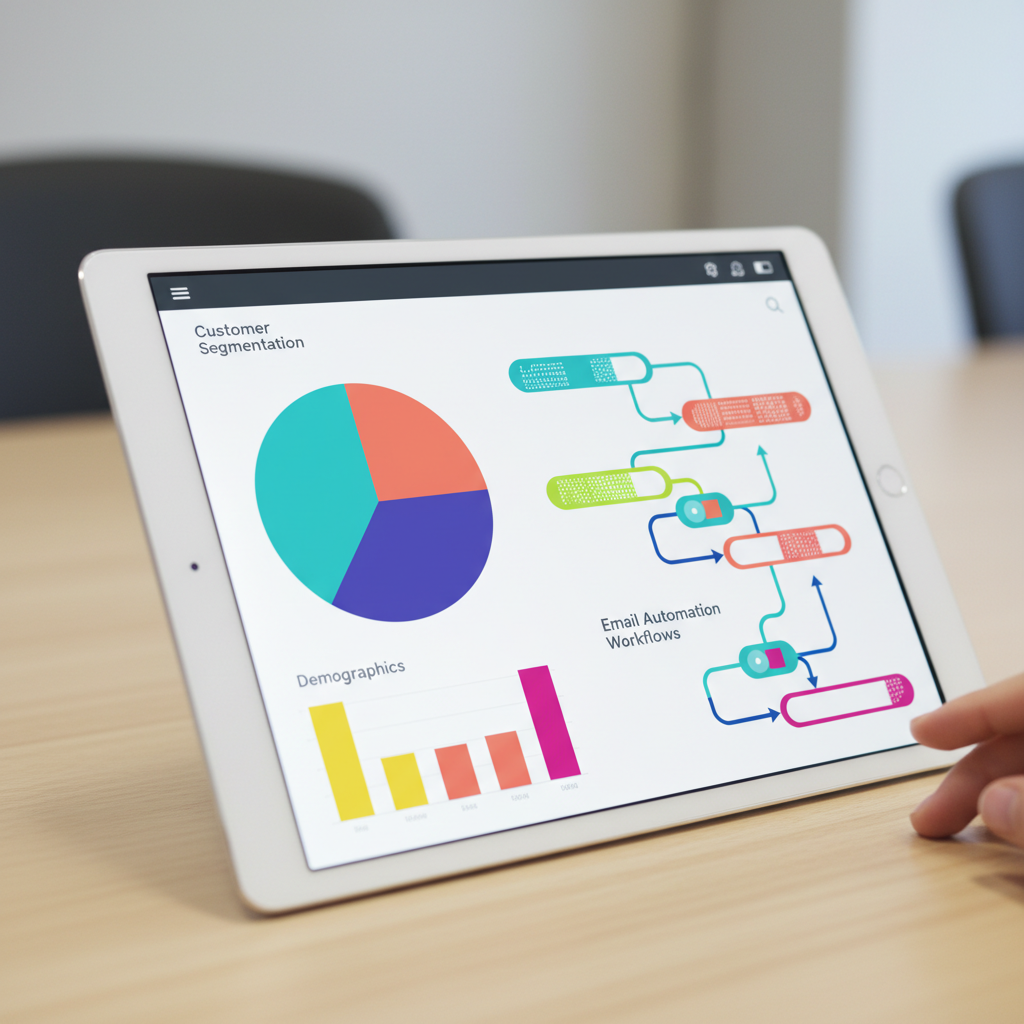
Here’s the thing about marketing automation—it’s completely changed the game for ecommerce businesses. We’re talking about turning those repetitive, time-consuming marketing tasks into smooth, automated processes that actually work better than doing everything manually. Building on what we covered earlier, let’s dig into two game-changing aspects that show you exactly why marketing automation is so powerful: what it actually does (beyond the buzzwords), and how it delivers real, measurable benefits for your ecommerce store. You’ll walk away with a clear picture of the key features, concrete benefits, and practical ways to use automation to grow your business faster while making your life easier.
What is Marketing Automation and Its Core Features
Think of marketing automation as your digital marketing assistant that never sleeps. It’s specialized software that handles all those repetitive marketing tasks—email campaigns, customer segmentation, lead nurturing—so you don’t have to. The result? You save time, hit your targets more accurately, and see better results from your campaigns. For ecommerce businesses, this is huge because it means you can create personalized experiences for hundreds or thousands of customers without breaking a sweat. Want to understand why so many businesses are jumping on this? Check out the key advantages of marketing automation that are driving this massive shift in the ecommerce world.
Now, here’s where it gets interesting. Most marketing automation platforms come loaded with features that make managing campaigns feel almost effortless. You get email marketing automation that actually works, customer segmentation tools that help you target the right people, lead nurturing systems that score prospects automatically, and analytics that show you exactly what’s working (and what isn’t). The trick is finding the right platform for your needs. If you’re exploring options, this guide on software options for marketing automation will help you find platforms with the features that actually matter for your ecommerce business.
Key Aspects of Marketing Automation
Ready to get practical? Here are the core components you need to understand to make marketing automation work for your business:
- Email Marketing Automation: Send personalized email sequences that trigger based on what customers actually do—their purchases, how they browse your site, or how engaged they are. It’s like having a conversation with each customer, but at scale.
- Customer Segmentation: Split your audience into groups that make sense—by demographics, what they like, or how they shop. This way, your campaigns speak directly to what each group cares about instead of sending generic messages to everyone.
- Lead Nurturing and Scoring: Guide potential customers through targeted content while the system automatically identifies your hottest prospects. Your sales team can focus on the leads most likely to buy instead of chasing everyone.
- Analytics and Reporting: Get detailed insights into what’s working, how customers respond, and what your ROI looks like. No more guessing—you’ll have the data to make smart adjustments and keep improving.
Master these four areas, and you’ll transform your marketing from a chaotic juggling act into a strategic growth machine. Once you’ve got the foundation down, let’s talk about what this actually means for your bottom line—because that’s where marketing automation really shines for ecommerce businesses.
Benefits of Marketing Automation Specifically for Ecommerce Businesses
Let’s cut to the chase—marketing automation delivers benefits that directly impact your revenue and make running your business smoother. It handles all those tedious, repetitive tasks that eat up your time, freeing you up to focus on strategy and creativity. But here’s the real kicker: it helps you reach the right customers with the right message consistently, at scale. And if you’re running a smaller operation, don’t think this is just for the big players. The insights from marketing automation for small business show exactly how scalable this approach can be, regardless of your current size.
What really sets automation apart is the level of personalization you can achieve. We’re talking about emails that feel hand-written, promotions that hit at exactly the right moment, and customer journeys that adapt based on real behavior. This isn’t just nice-to-have stuff—it’s what builds stronger relationships, brings customers back, and turns one-time buyers into loyal fans. When you combine this with solid data analytics, you’re not just optimizing your marketing budget—you’re driving measurable sales growth.
Key Benefits for Ecommerce Success
Here’s what happens when ecommerce businesses get marketing automation right:
- Improved Customer Engagement: Your personalized email campaigns will see higher open rates and click-throughs, while targeted promotions deliver offers people actually want. The result? Higher conversion rates across the board.
- Time and Cost Savings: Stop doing manual tasks that a computer can handle better. Reduce human error, optimize your marketing spend, and focus your efforts based on what the data tells you works.
- Efficient Customer Journey Tracking: Monitor how customers interact with your brand across every touchpoint automatically. Use these insights to refine your approach, improve their experience, and stay one step ahead of what they need.
- Scalability and Consistency: Grow your marketing efforts without hiring proportionally more people. Keep your brand message consistent while building the trust and market presence that drives long-term success.
These benefits add up to something powerful: sustainable revenue growth paired with operational efficiency that makes marketing both effective and manageable. And if you want to stay competitive in today’s market, it’s worth understanding the bigger picture of how technology is reshaping business. This guide on marketing digital transformation gives you the context to see where automation fits into the larger evolution of how successful businesses operate.

Here’s the thing about marketing automation—it’s completely changed the game for ecommerce businesses. And I mean that in the best possible way. Instead of spending hours on repetitive tasks like email campaigns and customer segmentation, you can actually focus on what matters: growing your business and building real relationships with customers. The magic happens when features like personalized email automation and real-time analytics work together to deliver exactly what your customers want, when they want it. No more guesswork, no more manual errors—just smart, targeted marketing that actually converts.
But let’s talk about the real benefits here. (Because who doesn’t love saving time and money?) When you automate those tedious manual processes, you’re not just being efficient—you’re scaling without the headaches. Your customer engagement goes through the roof because you can track every interaction and optimize every touchpoint. Think of it like having a super-smart assistant who never sleeps and always knows exactly what each customer needs. The result? Consistent messaging, better customer experiences, and the kind of loyalty that turns browsers into buyers—and buyers into advocates.
Ready to put this into action? Smart move. Start by exploring strategies that actually fit your business—not some one-size-fits-all approach. If you’re running a smaller operation, our guide on marketing automation for small business will show you exactly how to get started without breaking the bank. Want the full picture of what automation can do for you? Check out our comprehensive breakdown of marketing automation benefits—it’s eye-opening stuff. And since we’re living in the age of digital transformation, understanding marketing digital transformation will keep you ahead of the curve. Don’t forget to round out your strategy with proven e-commerce marketing strategies and powerful e-commerce analytics tools to track what’s working.
Look, embracing marketing automation isn’t just about shiny new tech—it’s about transforming how your business operates. More efficient? Absolutely. More responsive to customers? You bet. More likely to actually grow sustainably? That’s the whole point. You’ve got the knowledge now, and those resources above? They’re your roadmap. Take the leap, start implementing these strategies, and watch what happens when your marketing actually works as hard as you do.
Frequently Asked Questions
-
What is marketing automation in ecommerce?
- Marketing automation uses software to automate marketing tasks and campaigns, improving efficiency and targeting.
-
How can marketing automation increase sales?
- By enabling personalized marketing, timely follow-ups, and efficient customer segmentation.
-
Is marketing automation suitable for small ecommerce businesses?
- Yes, there are scalable solutions tailored to small business needs and budgets.
-
How do I start with marketing automation?
- Begin by setting clear goals and choosing a platform that integrates with your ecommerce system.
-
What are common challenges in marketing automation?
- Data management, technical integration, and maintaining customer privacy are common issues.