Market-Frankford Line: Philadelphia Commuter’s Complete Guide
The Market-Frankford Line stands as one of the most critical transportation arteries in Philadelphia, serving hundreds of thousands of commuters daily across its 13-mile corridor. This elevated rapid transit system, operated by SEPTA (Southeastern Pennsylvania Transportation Authority), connects the economic heart of downtown Philadelphia with residential neighborhoods, employment centers, and cultural destinations throughout the city. For anyone navigating Philadelphia’s public transportation network, understanding the Market-Frankford Line is essential to optimizing commute times, accessing job opportunities, and experiencing the city’s diverse communities.
Whether you’re a daily commuter, occasional visitor, or someone planning to relocate to Philadelphia, this comprehensive guide provides everything you need to know about the Market-Frankford Line. From station locations and service schedules to fare information and real-world commuting strategies, we’ll walk you through every aspect of this vital transit system. The line’s importance extends beyond mere transportation—it shapes economic opportunity, real estate values, and quality of life for thousands of Philadelphia residents who depend on its reliable service.
History and Overview of the Market-Frankford Line
The Market-Frankford Line represents a cornerstone of Philadelphia’s transportation infrastructure, with roots extending back to 1907 when the Market Street Elevated Railway opened its initial segment. This historic transit line has evolved significantly over more than a century, transforming from a basic elevated railway into the sophisticated rapid transit system that serves modern Philadelphia. The line’s longevity speaks to its fundamental importance in connecting the city’s commercial and residential zones.
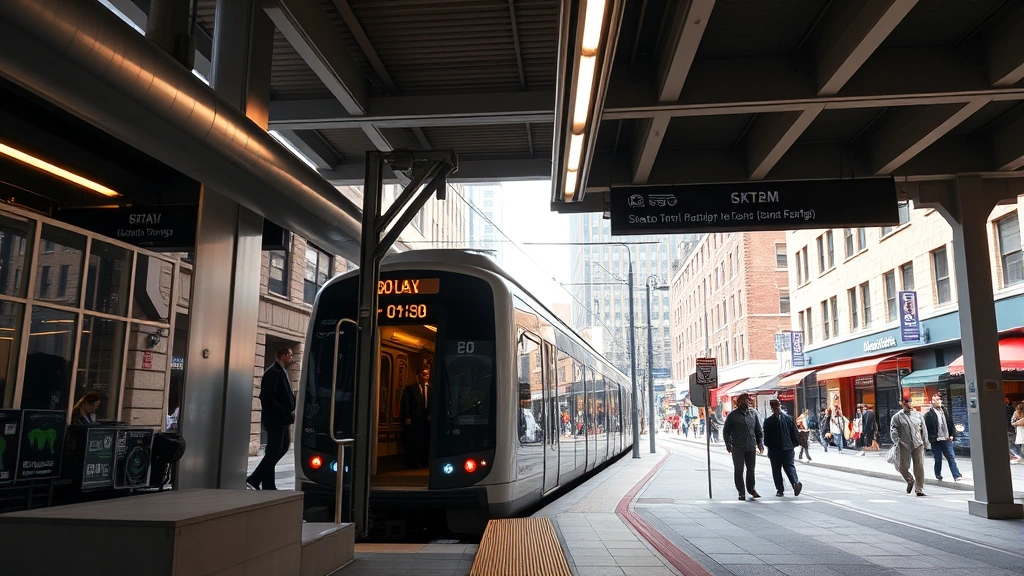
Originally designed to address congestion and improve mobility across Philadelphia’s densest neighborhoods, the Market-Frankford Line has consistently adapted to meet changing urban needs. The system’s elevated structure, which gives it its distinctive appearance, was a technological marvel at the time of construction and remains an iconic feature of Philadelphia’s skyline. Today, the line operates as part of SEPTA’s broader transit network, which includes buses, trolleys, and regional rail services that collectively serve the greater Philadelphia metropolitan area.
The Market-Frankford Line’s current configuration extends from 69th Street in Upper Darby (in Delaware County) eastward through West Philadelphia, Center City, and into Northeast Philadelphia, terminating at Frankford Transportation Center. This 13-mile stretch encompasses 38 stations, each serving distinct neighborhoods with unique characteristics, demographics, and economic profiles. Understanding the line’s history provides context for appreciating its current role in Philadelphia’s economic and social fabric.
Complete Stations and Route Details
The Market-Frankford Line’s 38 stations create a comprehensive network that touches virtually every major employment center and residential area in Philadelphia. Starting from the western terminus at 69th Street Station, the line proceeds through Upper Darby before entering Philadelphia proper at the city line. Key western stations include 63rd Street, 52nd Street, and 40th Street, each serving significant residential and commercial districts in West Philadelphia.
As the line moves eastward into Center City, station density increases significantly, reflecting the concentrated commercial and cultural activity in Philadelphia’s downtown core. Market Street itself, which gives the line its name, serves as the primary corridor through Center City, with stations at 30th Street (serving the historic 30th Street Station and University of Pennsylvania), Suburban Station, City Hall, and numerous other downtown locations. These central stations function as major transit hubs where passengers transfer to other SEPTA services, regional rail, and pedestrian networks.
The line’s eastern segment extends through increasingly residential neighborhoods, serving areas like Fishtown, Port Richmond, and Northeast Philadelphia. Frankford Avenue stations provide access to this historically industrial area that has undergone significant gentrification and revitalization in recent years. Each station serves as an anchor point for neighborhood commercial activity and residential development, making the Market-Frankford Line essential infrastructure for understanding Philadelphia’s geography and connectivity.
For detailed information about station amenities and real-time service updates, visit SEPTA’s official Market-Frankford Line page, which provides comprehensive scheduling and service information.
Fares and Payment Options
Understanding SEPTA’s fare structure is essential for budgeting your commuting costs and selecting the most economical payment method. The Market-Frankford Line operates on SEPTA’s unified fare system, meaning a single fare covers your entire journey regardless of distance traveled. As of 2024, the standard cash fare for a single Market-Frankford Line trip is $2.50, with discounted rates available for seniors, students, and individuals with disabilities.
SEPTA offers multiple payment options to accommodate different commuting patterns and preferences. The SEPTA Key Card represents the most popular payment method for regular commuters, offering convenience and the ability to track spending. Weekly passes cost $26.25 and provide unlimited travel on all SEPTA services, while monthly passes cost $110.50 and represent the best value for daily commuters. Cash payments remain accepted on the system, though they provide no discount compared to card-based fares.
For occasional users, SEPTA Day Passes offer unlimited travel for 24 hours at $13.50, making them economical for tourists or infrequent visitors exploring Philadelphia. Mobile payment options through SEPTA’s app continue expanding, allowing users to purchase tickets directly through their smartphones. Corporate programs and employer partnerships often provide subsidized transit passes, so checking with your employer about available benefits can significantly reduce your commuting costs.
Understanding current market trends in urban mobility helps contextualize Philadelphia’s transit pricing within broader transportation industry developments.
Service Schedules and Frequency
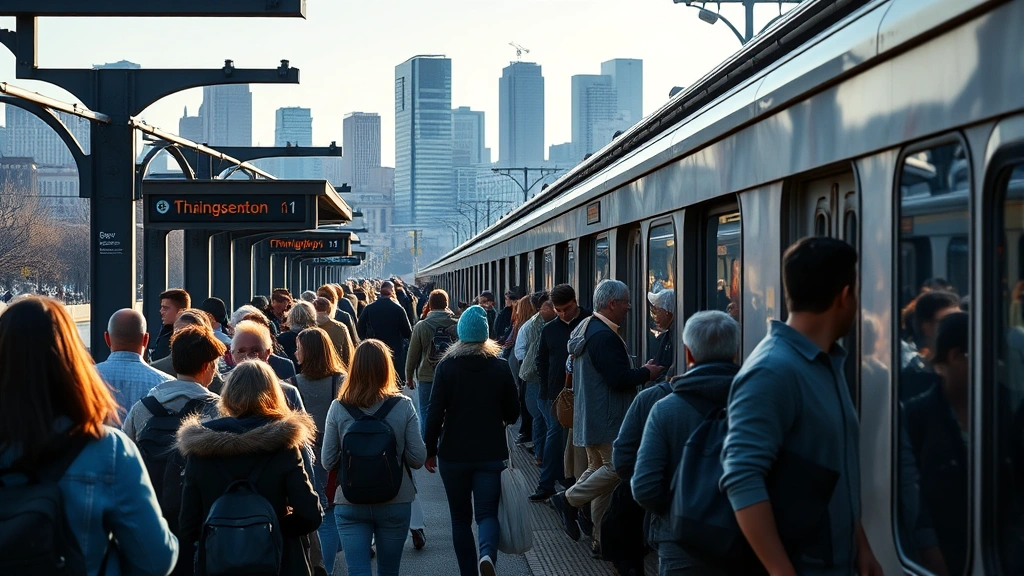
The Market-Frankford Line operates extended hours to accommodate Philadelphia’s diverse work schedules and lifestyle patterns. Regular service operates from approximately 5:00 AM to 1:00 AM daily, with modified schedules on weekends and holidays. During peak commuting hours (roughly 7:00-9:30 AM and 4:30-7:00 PM), trains typically arrive every 3-5 minutes, providing reliable and frequent service for the heaviest passenger loads.
Off-peak service during midday and evening hours generally features trains every 8-15 minutes, depending on specific time periods and day of week. Late-night service operates at reduced frequency, typically every 15-20 minutes during the 11:00 PM to 1:00 AM window. Weekend service maintains consistent frequency throughout operating hours, though peak-hour crowding is typically less severe than on weekdays.
Real-time service information is available through multiple channels, including SEPTA’s website, mobile app, and station displays. During service disruptions or planned maintenance, SEPTA provides advance notice and alternative service information. Subscribing to SEPTA alerts ensures you receive timely notifications about service changes that might affect your commute, allowing you to plan alternative routes or adjust your schedule accordingly.
Travel times vary depending on your origin and destination stations. A journey from 69th Street to Frankford Transportation Center typically requires 40-50 minutes during normal service, while shorter trips through Center City may take only 10-15 minutes. Accounting for station dwell time and potential crowding helps establish realistic commute estimates.
Commuting Tips and Best Practices
Maximizing your Market-Frankford Line commuting experience requires understanding optimal strategies for navigating the system efficiently. Timing your commute to avoid peak hours, when possible, significantly improves comfort and reduces crowding stress. If your schedule permits, traveling outside the 7:00-9:30 AM and 4:30-7:00 PM windows substantially decreases passenger density and wait times.
Familiarizing yourself with station layouts and exit locations relevant to your destination saves valuable time, especially in larger stations like City Hall or 30th Street. Many commuters lose minutes daily by exiting at unfamiliar locations or navigating inefficient station paths. Downloading SEPTA’s mobile app provides real-time tracking, allowing you to monitor train arrivals and plan transfers effectively.
For multimodal commuting, understanding connections to SEPTA’s bus network, trolley system, and regional rail services expands your transportation options. Many Market-Frankford Line stations feature convenient transfers to complementary services, creating flexible commuting possibilities. Exploring these connections might reveal faster or more comfortable routes to your destination.
Safety considerations include staying aware of your surroundings, especially during late-night travel, and using well-lit station areas and passenger cars. Traveling with others when possible and avoiding displaying valuable items reduces vulnerability. SEPTA employs transit police and security personnel throughout the system, and emergency communication systems are available at all stations.
Building flexibility into your commuting schedule accommodates inevitable service disruptions and delays. Arriving 5-10 minutes earlier than strictly necessary provides buffer time for unexpected circumstances, reducing stress and improving punctuality. Many experienced commuters maintain awareness of alternative routes using different transit modes, allowing them to adapt when service disruptions occur.
Accessibility and Amenities
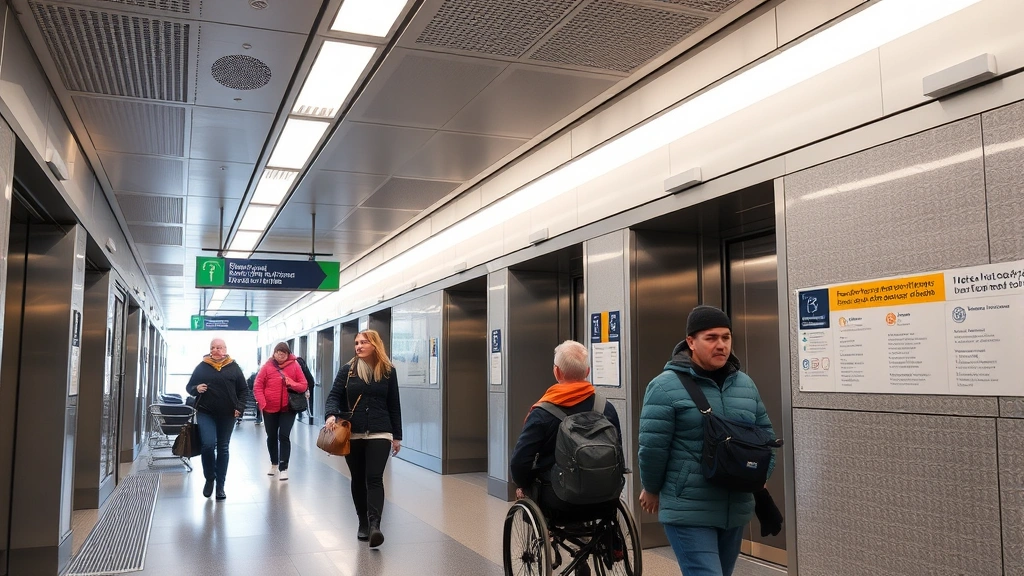
SEPTA has invested significantly in making the Market-Frankford Line accessible to passengers with mobility challenges, sensory impairments, and other accessibility needs. All stations feature elevator access, tactile guidance systems, and audible announcements to support diverse passenger requirements. Modern trains include dedicated wheelchair spaces, accessible seating areas, and climate control systems that improve the experience for all riders.
Accessibility features continue expanding through ongoing modernization efforts. Recent station renovations have improved lighting, added benches and shelter structures, and enhanced wayfinding signage. Real-time arrival displays at stations help passengers with cognitive disabilities and non-English speakers navigate the system more effectively.
For passengers requiring specific accommodations, SEPTA’s Customer Service department provides information about accessibility features at individual stations and trains. Service animals are welcome on the Market-Frankford Line, and staff members receive training in assisting passengers with various accessibility needs. Reduced fares for seniors and individuals with disabilities make the system more affordable for vulnerable populations.
Station amenities vary by location, with downtown stations typically offering more retail options, seating, and facilities than peripheral stations. Many Center City stations feature convenience stores, restaurants, and other passenger services. Public restrooms are available at select major stations, though availability varies seasonally and by location.
Economic Impact on Philadelphia
The Market-Frankford Line functions as far more than a transportation convenience—it represents critical economic infrastructure that shapes employment access, real estate values, and neighborhood development patterns throughout Philadelphia. Proximity to Market-Frankford Line stations significantly influences property values, with homes and commercial spaces near stations commanding premium prices compared to areas requiring car-dependent commuting.
Employment accessibility directly correlates with transit proximity, making the Market-Frankford Line essential for workers seeking jobs in Center City and other employment clusters. The line connects residential neighborhoods in West Philadelphia, Northeast Philadelphia, and surrounding areas to job opportunities in downtown Philadelphia’s financial, healthcare, education, and hospitality sectors. This connectivity generates substantial economic value by reducing job search friction and enabling workers to access higher-wage opportunities.
Understanding loanable funds markets and economic infrastructure investment provides context for appreciating how transit systems like the Market-Frankford Line attract capital and drive regional economic development.
Commercial development concentrates around major Market-Frankford Line stations, creating vibrant neighborhood commercial districts that serve both local residents and transit-dependent customers. Retailers, restaurants, and service providers strategically locate near stations to capture high-volume pedestrian traffic. This station-area development pattern has transformed neighborhoods like Fishtown, where historic commercial corridors have experienced revitalization driven partly by transit accessibility.
Real estate developers recognize the value of transit proximity, leading to residential and mixed-use development projects clustered around Market-Frankford Line stations. Recent years have seen significant apartment construction near stations in Northeast Philadelphia and Fishtown, driven by demand from commuters seeking transit-accessible housing. This development pattern supports Philadelphia’s housing supply while maintaining neighborhoods’ walkability and transit-oriented character.
Safety and Security Considerations
Safety on the Market-Frankford Line reflects broader urban transit system challenges, with SEPTA implementing comprehensive security measures to protect passengers and staff. Transit police patrol stations and trains, while surveillance cameras monitor platforms and passenger cars. Emergency communication systems allow passengers to contact authorities immediately if they witness concerning behavior or require assistance.
Passenger vigilance contributes significantly to system safety. Remaining aware of surroundings, avoiding isolated areas, and reporting suspicious activity to authorities helps maintain a secure environment. During late-night travel, using well-lit waiting areas and positioning yourself near other passengers and staff members enhances personal security.
SEPTA’s safety initiatives include enhanced cleaning protocols, increased staff presence, and community policing programs designed to address quality-of-life issues affecting passenger comfort. Recent investments in station improvements aim to create more welcoming environments that discourage problematic behavior and encourage community use of public spaces.
Understanding safety statistics and trends helps contextualize risk. While media coverage sometimes emphasizes isolated incidents, statistical analysis shows that transit-related crime affects a small percentage of millions of annual trips. Most Market-Frankford Line passengers complete commutes without incident, though individual risk varies based on time of day, location, and personal behavior.
Future Developments and System Improvements
SEPTA has outlined ambitious plans for modernizing the Market-Frankford Line, including vehicle replacement, station renovations, and technology upgrades. The Market-Frankford Line Modernization Program represents a multi-year initiative to replace aging infrastructure and improve passenger experience systemwide.
New train procurement will replace older vehicles with modern, more efficient, and more comfortable equipment. These new trains will feature improved climate control, better lighting, enhanced accessibility features, and modern passenger information systems. The procurement process, which involves substantial capital investment, reflects SEPTA’s commitment to maintaining the line as a competitive transportation option.
Station modernization efforts focus on improving aesthetics, functionality, and accessibility at key locations throughout the line. Projects include lighting upgrades, structural repairs, new wayfinding signage, and customer service improvements. These renovations enhance passenger experience while addressing deferred maintenance issues that have accumulated over decades of intensive use.
Technology initiatives include expanding real-time information systems, improving mobile app functionality, and implementing mobile payment options. SEPTA continues integrating the Market-Frankford Line with broader regional transit networks, creating seamless multimodal commuting experiences. Future developments may include enhanced connections to emerging transportation options like bike-sharing and micro-mobility services.
For current information about SEPTA’s modernization plans and capital projects, visit SEPTA’s capital program page.
Frequently Asked Questions
What are the Market-Frankford Line’s operating hours?
The Market-Frankford Line operates from approximately 5:00 AM to 1:00 AM daily. Peak service runs every 3-5 minutes during rush hours (7:00-9:30 AM and 4:30-7:00 PM), with less frequent service during off-peak hours and late night.
How much does a single trip cost on the Market-Frankford Line?
A single trip costs $2.50 with cash payment. Weekly passes cost $26.25 and monthly passes cost $110.50. The Market Rise Hub Blog provides additional insights into consumer spending patterns relevant to transportation budgeting.
Which neighborhoods does the Market-Frankford Line serve?
The line serves Upper Darby, West Philadelphia, Center City Philadelphia, Fishtown, Port Richmond, and Northeast Philadelphia. It connects residential, commercial, and employment centers throughout the corridor.
Are there accessible accommodations for passengers with disabilities?
Yes, all stations feature elevators, tactile guidance systems, and audible announcements. Trains include wheelchair spaces and accessible seating. Reduced fares are available for individuals with disabilities.
How do I track real-time train arrivals?
SEPTA’s mobile app provides real-time tracking and arrival information. Station displays also show estimated arrival times for upcoming trains.
What should I do if I experience safety concerns on the Market-Frankford Line?
Contact SEPTA transit police immediately using emergency communication systems available at all stations. Report suspicious activity to staff members or use the SEPTA mobile app to report safety concerns.
Are there connections to other SEPTA services from the Market-Frankford Line?
Yes, most stations feature convenient transfers to SEPTA bus routes, trolley lines, and regional rail services. Station information displays provide details about available connections.
What is the typical commute time from 69th Street to Frankford Transportation Center?
A full-line journey typically requires 40-50 minutes depending on service conditions and time of day. Shorter trips within Center City generally take 10-15 minutes.
How has the Market-Frankford Line influenced Philadelphia’s development?
The line shapes real estate values, employment accessibility, and neighborhood development patterns. Properties near stations command premium prices, and commercial development concentrates around major stations.
What modernization projects are planned for the Market-Frankford Line?
SEPTA plans vehicle replacement, station renovations, technology upgrades, and enhanced connectivity with other transit modes. These multi-year initiatives aim to improve passenger experience and system reliability. Understanding market terminology and investment concepts helps contextualize transit infrastructure funding mechanisms.