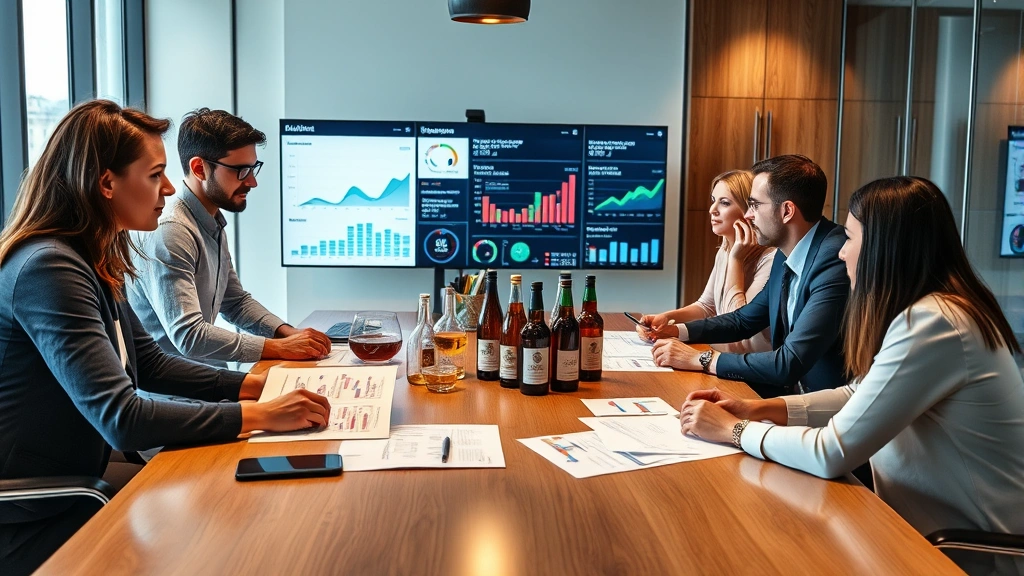
Liquor Marketing Tips: Pro Strategies Revealed
The liquor industry operates in one of the most heavily regulated and competitive markets today. Success requires more than just quality products—it demands sophisticated digital marketing strategy examples tailored specifically to alcohol beverages. Whether you’re a distillery, brewery, winery, or spirits distributor, understanding the nuances of liquor marketing can transform your brand presence and drive measurable revenue growth.
A strategic liquor marketing group combines regulatory compliance, consumer psychology, data analytics, and creative storytelling to build brands that resonate with target audiences. This comprehensive guide reveals professional strategies that industry leaders use to navigate restrictions, build loyal customer bases, and maximize market share in this dynamic sector.
Understanding Liquor Industry Regulations
Before implementing any marketing campaign, a liquor marketing group must thoroughly understand federal, state, and local regulations governing alcohol advertising. The Alcohol and Tobacco Tax and Trade Bureau (TTB) enforces strict guidelines on what can be claimed, how products can be depicted, and which audiences can be targeted. Violating these regulations results in hefty fines, product recalls, and severe brand damage.
Key regulatory considerations include age-gating requirements, prohibited health claims, responsible drinking messaging, and advertising placement restrictions. For instance, digital campaigns must verify users are of legal drinking age before displaying content. Traditional media placements have strict time-slot requirements—beer and spirits advertisements cannot air during programs with significant youth viewership. Understanding these boundaries allows your liquor marketing group to maximize reach within legal parameters.
Compliance best practices: Partner with legal experts specializing in alcohol marketing, maintain detailed documentation of all campaigns, include mandatory age-verification mechanisms on websites, and always feature responsible drinking statements prominently. State-specific regulations vary significantly; a strategy effective in one state may violate laws in another.
Building Your Brand Identity
Successful liquor brands transcend the product itself—they embody lifestyle, values, and aspirational identity. Your liquor marketing group should develop a comprehensive brand identity that differentiates your offering in an oversaturated market. This includes visual aesthetics, brand voice, origin story, and emotional positioning.
Consider how premium spirits brands like Patrón and Macallan command price premiums through meticulous brand cultivation. They’ve invested heavily in storytelling around craftsmanship, heritage, and exclusivity. Your brand identity should answer critical questions: What makes your product unique? Who is your ideal customer? What emotions should your brand evoke? What values does your brand represent?
Packaging design serves as your primary marketing asset in retail environments. Studies show that package design influences 72% of consumer purchase decisions in the spirits category. Color psychology, typography, label hierarchy, and material selection all communicate brand positioning before consumers taste a single drop.
Implement consistent branding across all touchpoints—from your website to social media to retail displays. A cohesive brand identity builds recognition and trust, essential factors driving repeat purchases in the competitive liquor market.
Digital Marketing Channels for Alcohol
Digital channels present unique opportunities for liquor marketing groups, though with platform-specific restrictions. Facebook and Instagram allow alcohol advertising but require age-gating and audience targeting to users 21+. These platforms excel for building community, sharing user-generated content, and running targeted conversion campaigns.
LinkedIn serves B2B liquor marketing objectives—reaching distributors, retailers, and industry professionals. Email marketing remains highly effective for direct-to-consumer (DTC) campaigns, particularly for building loyalty programs and announcing new product launches. Your liquor marketing group should maintain segmented email lists enabling personalized messaging based on customer preferences and purchase history.
TikTok presents emerging opportunities despite regulatory challenges. Brands increasingly partner with creators to showcase cocktail recipes, mixology techniques, and lifestyle content that resonates with younger demographics. However, direct product promotion faces restrictions; content must focus on entertainment and education rather than sales.
Search engine marketing (SEM) through Google Ads requires careful keyword selection and landing page compliance. Avoid bidding on branded keywords from competitors and ensure all destination pages include age-verification gates. Marketing strategy for small businesses principles apply here—focus budgets on high-intent keywords where consumers actively search for solutions your product provides.
Implement robust analytics tracking across all digital channels. UTM parameters, conversion pixels, and CRM integration enable your liquor marketing group to measure ROI precisely and optimize campaign performance continuously.
Content Marketing and Storytelling
Content marketing represents the most cost-effective long-term strategy for liquor brands. Rather than interruptive advertising, content marketing provides value—education, entertainment, or inspiration—that builds audience trust and authority.
Effective content categories for liquor brands:
- Cocktail recipes and mixology guides: Position your spirit as essential to popular drinks. Provide detailed instructions, ingredient alternatives, and pairing suggestions.
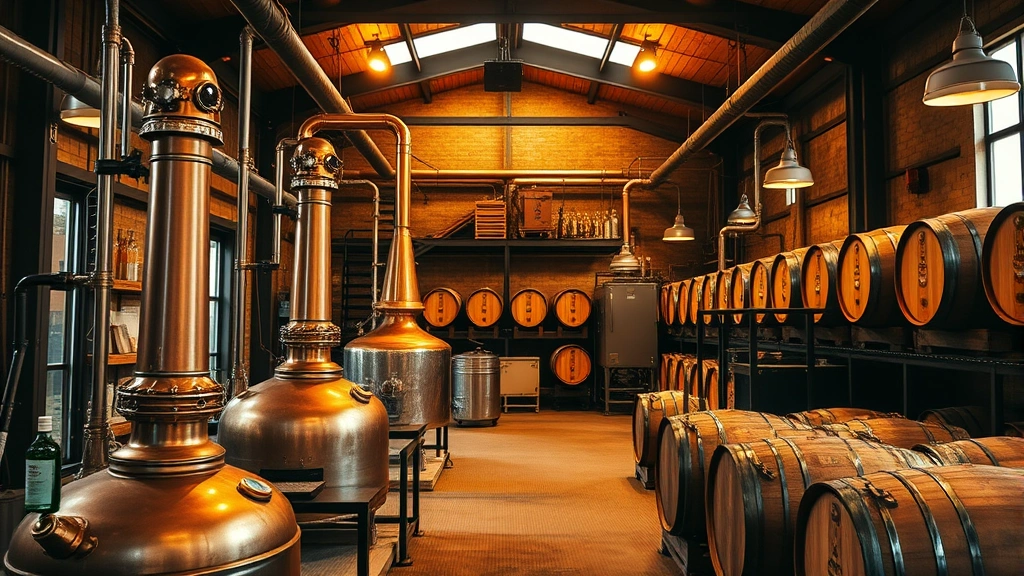
- Distillery and production stories: Share behind-the-scenes content about your manufacturing process, ingredient sourcing, and craftsmanship. Authenticity builds emotional connections.
- Tasting notes and flavor profiles: Educate consumers on how to evaluate and appreciate your product. This positions your brand as a premium choice.
- Lifestyle and entertainment content: Create aspirational content featuring your product in entertaining contexts—travel, dining, social gatherings—without direct promotion.
- Industry insights and trends: Establish thought leadership by commenting on market trends, consumer preferences, and cultural shifts in beverage consumption.
Video content particularly drives engagement for liquor brands. YouTube tutorials, Instagram Reels, and TikTok videos showcasing creative cocktails generate millions of views. Research from Think with Google demonstrates video content drives 80% higher engagement rates compared to static images in the beverage category.
Your liquor marketing group should develop an editorial calendar planning content distribution across owned channels (website, email, social media) consistently. This builds audience expectations and algorithmic favorability on social platforms.
Influencer Partnerships and Advocacy
Influencer marketing has become central to modern liquor marketing strategies. Rather than traditional celebrity endorsements, brands partner with micro and macro influencers whose audiences align with target demographics. Mixologists, bartenders, lifestyle creators, and travel influencers provide authentic product integration opportunities.
Successful influencer partnerships follow these principles: authenticity (partners genuinely use and enjoy the product), audience alignment (follower demographics match your target customer), engagement quality (followers actively interact with content), and compliance documentation (clear disclosure of sponsored content).
Macro-influencers (1M+ followers) provide reach but lower engagement rates. Micro-influencers (10K-100K followers) deliver higher engagement and often charge significantly less. A balanced liquor marketing group strategy includes both, with emphasis on micro-influencers for ROI optimization.
Brand ambassador programs create long-term relationships with influencers who become genuine advocates. Rather than one-off sponsored posts, ambassadors receive exclusive product access, commission structures on direct sales, and co-creation opportunities. This transforms influencers from paid partners into genuine believers in your brand.
Measure influencer campaign success through engagement metrics (likes, comments, shares), click-through rates to your website or retail partners, and attributable sales. Many platforms now provide detailed analytics showing influencer-driven conversions.
Retail and Distribution Strategy
Despite digital marketing’s growth, retail remains the primary sales channel for liquor products. Your liquor marketing group must develop sophisticated retail strategies addressing both on-premise (bars, restaurants) and off-premise (retail stores, online) channels.
On-premise strategies: Build relationships with bar managers and owners through trade marketing. Provide point-of-sale materials, staff training programs, and promotional support. Many bars feature signature cocktails highlighting specific spirits—positioning your product as the premium choice for bartenders influences consumer ordering decisions. Sponsorships of industry events, competitions, and bar associations build credibility.
Off-premise strategies: Work with distributors and retailers to secure premium shelf placement. Eye-level positioning dramatically increases sales compared to lower or higher shelves. Implement eye-catching shelf talkers, in-store tastings, and promotional displays. Train retail staff through education programs—knowledgeable staff recommendations drive impulse purchases.
Direct-to-consumer (DTC) sales through your own website represent the highest-margin channel but require sophisticated logistics, age-verification systems, and compliance with state shipping regulations. Not all states permit alcohol shipment; your liquor marketing group must navigate this patchwork of regulations carefully.
Partnership with markets near me style platforms and online marketplaces (Drizly, ReserveBar, Vivino) expands digital distribution. These platforms handle logistics and age-verification, reducing operational complexity while providing consumer access.
Data Analytics and Consumer Insights
Data-driven decision-making separates successful liquor marketing groups from competitors. Advanced analytics reveal consumer preferences, purchasing patterns, and campaign performance metrics enabling continuous optimization.
Implement comprehensive tracking systems capturing customer data across all touchpoints. Website analytics reveal traffic sources, user behavior, and conversion funnels. Email analytics show open rates, click-through rates, and purchase attribution. Social media analytics measure reach, engagement, and audience growth. CRM systems consolidate this data, creating unified customer profiles.
Market research from Statista indicates that personalized marketing increases conversion rates by 20% in the beverage category. Your liquor marketing group should segment audiences by demographics, purchase history, preferences, and engagement level—then tailor messaging accordingly.
Predictive analytics identify high-value customers likely to make repeat purchases and those at risk of churn. Retention-focused campaigns targeting at-risk segments cost significantly less than acquiring new customers. Loyalty programs with tiered rewards encourage repeat purchases while generating valuable behavioral data.
Competitive intelligence tools monitor competitor pricing, product launches, marketing campaigns, and customer sentiment. Understanding competitive positioning informs your own strategy adjustments. Tools like Brandwatch and Semrush provide social listening capabilities revealing what consumers discuss about your brand versus competitors.
Event Marketing and Experiential Campaigns
Experiential marketing creates memorable brand interactions that digital campaigns cannot replicate. Liquor brands leverage events to build community, generate word-of-mouth, and facilitate product sampling.
Event types for liquor brands:
- Tasting events: Host guided tastings at retail locations, restaurants, or dedicated venues. Educate attendees on flavor profiles, production methods, and food pairings. These events generate immediate sales and email list growth.
- Festival sponsorships: Partner with music, food, and lifestyle festivals where target audiences gather. Brand activation booths featuring product sampling, games, and merchandise create positive associations.
- Masterclass experiences: Host educational events featuring distillers, master blenders, or renowned bartenders. Premium pricing for exclusive experiences attracts affluent consumers and media attention.
- Brand pop-ups: Create temporary retail experiences in high-traffic locations. Pop-ups generate social media buzz, particularly when designed as Instagram-worthy installations.
- Competitions and challenges: Host cocktail competitions, mixology challenges, or user-generated content contests. These engage communities and generate authentic content from participants.
Event ROI measurement includes direct sales during events, email subscribers acquired, social media reach and engagement, media coverage value, and long-term customer lifetime value from event attendees. Your liquor marketing group should track these metrics systematically to optimize future event investments.
Post-event follow-up matters significantly. Email captured attendees with exclusive offers, behind-the-scenes content, and product information. This converts event interest into measurable sales and builds lasting customer relationships.
Partner with why marketing is important for business foundations—relationship building and value creation—when planning experiential campaigns. Events should provide genuine value to attendees, not just promote your brand.
FAQ
What are the main restrictions on liquor marketing?
Federal regulations prohibit health claims, require age-gating on digital platforms, restrict advertising to youth-oriented programming, and mandate responsible drinking messaging. State and local regulations vary significantly, requiring specialized legal expertise. Your liquor marketing group must maintain detailed compliance documentation and work with legal specialists.
How can small liquor brands compete with major corporations?
Focus on niche positioning, authentic storytelling, and community building rather than competing on advertising spend. Micro-influencer partnerships, content marketing, and experiential events provide cost-effective alternatives to traditional media. Market Rise Hub Blog offers additional insights on competitive positioning strategies.
What’s the most effective digital channel for liquor marketing?
Email marketing and social media (Instagram, Facebook) typically deliver highest ROI for liquor brands. These channels enable precise audience targeting, measurable conversion tracking, and community building. Your liquor marketing group should allocate budgets based on your specific audience demographics and campaign objectives.
How important is packaging design for liquor marketing?
Packaging design critically influences purchase decisions, particularly in retail environments. Since consumers cannot taste before purchasing, visual design communicates brand positioning and quality perception. Invest in professional design reflecting your brand identity and differentiating from competitors.
Should liquor brands pursue direct-to-consumer sales?
DTC sales offer higher margins and direct customer relationships but require sophisticated logistics, age-verification systems, and compliance with complex state shipping regulations. Evaluate DTC viability based on your target market, product positioning, and operational capacity.
How do liquor brands measure marketing ROI?
Implement comprehensive tracking across all channels using UTM parameters, conversion pixels, CRM systems, and analytics platforms. Measure both short-term conversions and long-term customer lifetime value. Your liquor marketing group should establish clear KPIs aligned with business objectives before launching campaigns.


