Las Vegas Market Trends: Insider Insights for 2024
Las Vegas stands as one of America’s most dynamic and unpredictable markets, where consumer behavior, tourism patterns, and real estate dynamics create a unique economic landscape. The city’s economy extends far beyond casinos and entertainment venues, encompassing retail, hospitality, residential development, and emerging tech sectors that shape buying patterns and investment opportunities. Understanding Las Vegas market trends requires examining multiple data streams, from visitor statistics to commercial property valuations, consumer spending habits, and demographic shifts that influence everything from small business performance to major corporate expansion decisions.
The Las Vegas market presents both challenges and opportunities for entrepreneurs, retailers, and investors seeking to capitalize on the region’s distinctive characteristics. Unlike traditional markets, Las Vegas experiences pronounced seasonal fluctuations, convention-driven demand spikes, and a transient population that constantly refreshes consumer preferences. This comprehensive guide explores the most critical market trends shaping Las Vegas commerce, retail dynamics, hospitality investments, and consumer behavior patterns that matter to business decision-makers.

Tourism Recovery and Visitor Spending Patterns
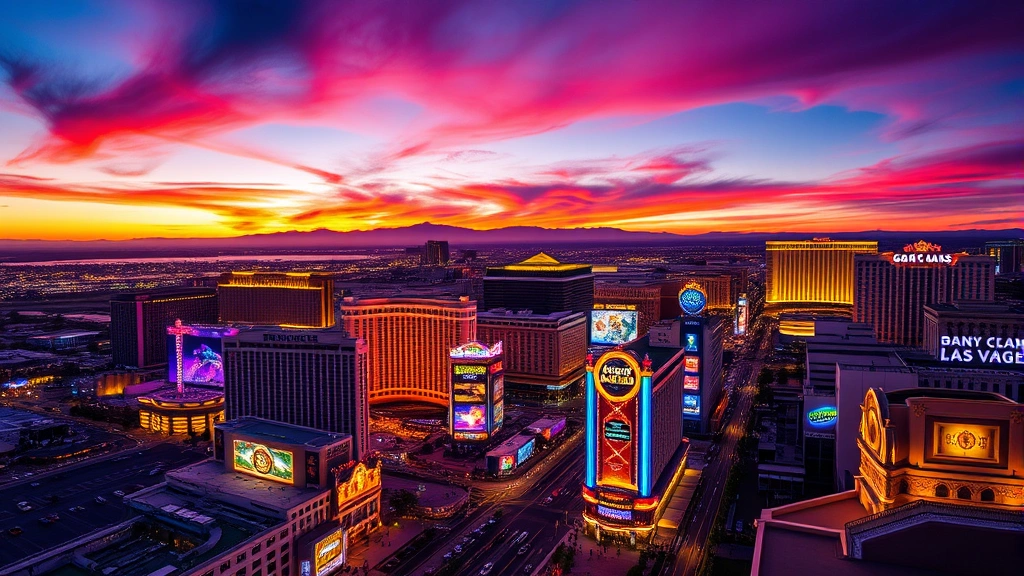
Las Vegas tourism has experienced a remarkable resurgence following pandemic disruptions, with visitation numbers reaching record levels in recent years. According to Las Vegas Convention and Visitors Authority data, the city attracts over 40 million visitors annually, generating substantial revenue across accommodation, dining, entertainment, and retail sectors. This tourism influx creates significant opportunities for businesses aligned with visitor spending patterns, particularly in hospitality, luxury retail, and entertainment venues.
Visitor spending behavior has shifted notably, with increased emphasis on experiential purchases rather than traditional gaming. Conventions and conferences continue driving midweek traffic, while weekends attract leisure travelers and special event attendees. The average visitor spending per trip has increased, reflecting both inflation and changing preferences toward premium experiences, fine dining, and entertainment shows. Retailers operating in high-traffic tourist zones benefit from this spending momentum, though seasonal variations remain pronounced.
Understanding visitor demographics proves essential for businesses targeting this market segment. International visitors contribute significantly to Las Vegas spending, particularly from Canada, Mexico, and Asian markets, influencing product assortment, language services, and cultural marketing approaches. The markets near me concept takes on unique meaning in Las Vegas, where tourist districts create distinct micro-markets with different customer profiles than residential neighborhoods.

Real Estate and Commercial Property Trends
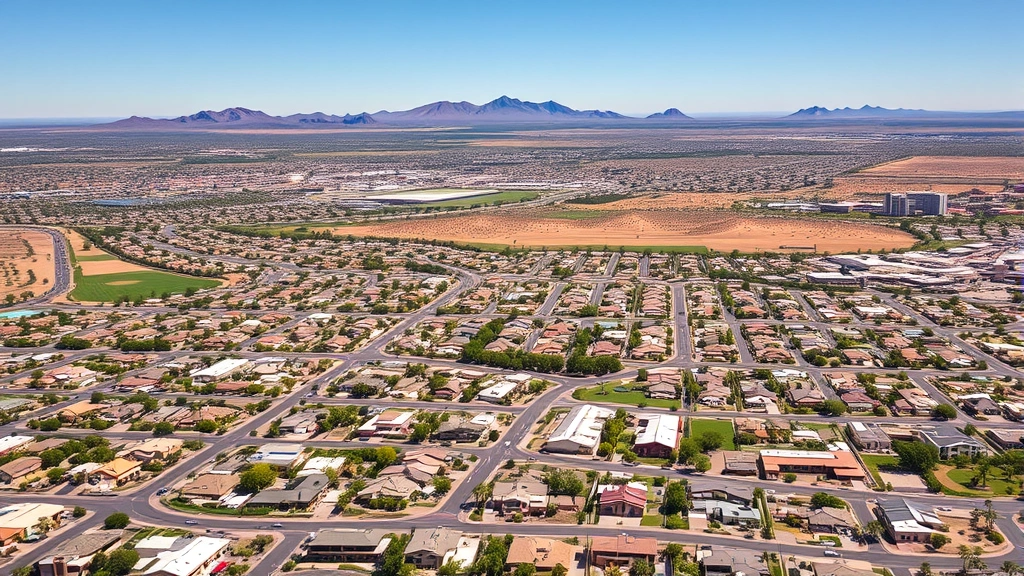
The Las Vegas real estate market demonstrates significant growth momentum, with residential property values appreciating steadily and commercial real estate attracting substantial investor interest. Single-family home prices have increased substantially, driven by population migration from higher-cost states and remote work flexibility enabling relocation decisions. The residential market shows strong demand across multiple price points, from starter homes to luxury properties, though inventory constraints periodically emerge.
Commercial real estate development reflects Las Vegas’s economic diversification beyond traditional casino properties. Office space demand fluctuates with economic cycles, while retail property development focuses on mixed-use facilities combining residential, dining, and entertainment components. Industrial and logistics properties experience strong demand due to Las Vegas’s strategic location serving southwestern markets and its role as a distribution hub. Property managers and commercial real estate investors tracking market development assistance strategies find Las Vegas increasingly attractive for portfolio diversification.
Rental property yields attract investors seeking alternative investment vehicles, with both short-term vacation rental markets and long-term residential leasing showing resilience. However, regulatory changes affecting short-term rental properties have created market uncertainty in certain neighborhoods, requiring careful due diligence for investors considering property acquisitions in this sector.
Retail Landscape Evolution
Las Vegas retail has undergone significant transformation, with traditional shopping mall traffic declining while experiential retail and mixed-use destinations thrive. The city’s major shopping centers, including The Forum Shops, Grand Canal Shoppes, and Crystals, continue attracting visitors with luxury brands and flagship stores. However, suburban retail centers and neighborhood shopping districts demonstrate varying performance based on demographic characteristics and tenant quality.
E-commerce competition pressures traditional retail, prompting Las Vegas retailers to enhance in-store experiences, implement omnichannel strategies, and leverage technology integration. Successful retailers combine physical locations with digital capabilities, creating seamless customer experiences that drive foot traffic and conversion. The digital marketing strategy examples proving most effective in Las Vegas emphasize location-based targeting, social media engagement, and personalized promotions tailored to local customer segments.
Specialty retail and niche shopping experiences perform well in Las Vegas, where visitors seek unique products unavailable in home markets. Fashion, jewelry, electronics, and luxury goods maintain strong demand, particularly in tourist-adjacent locations. However, quick-service retail and convenience shopping benefit from population growth in residential neighborhoods, creating opportunities for emerging retailers willing to invest in underserved areas.
Consumer Demographics and Spending Behavior
Las Vegas demographics reflect significant diversity, with substantial Hispanic, Asian, and African American populations creating multicultural consumer markets with distinct preferences and spending patterns. Median household income varies considerably across neighborhoods, from affluent areas with six-figure incomes to working-class communities with more modest earnings. Understanding these demographic nuances proves essential for retailers, service providers, and marketers developing targeted offerings.
Consumer spending behavior in Las Vegas shows pronounced entertainment and dining orientation, with households allocating above-average budgets toward these categories compared to national averages. Discretionary spending remains elevated due to tourism-adjacent consumer mentality and celebration culture permeating the city. However, cost-of-living pressures including housing expenses and childcare costs increasingly constrain household budgets for working-class and middle-income residents.
Technology adoption among Las Vegas consumers exceeds national averages, with high smartphone penetration and digital payment preferences. Mobile commerce, app-based services, and location-enabled marketing resonate strongly with local consumers, creating opportunities for marketing strategy for startups leveraging digital-first approaches. Millennial and Gen Z consumers dominate the demographic landscape, influencing retail trends toward sustainability, authenticity, and social responsibility messaging.
Technology and Innovation Adoption
Las Vegas increasingly positions itself as a technology innovation hub, attracting tech companies, startups, and venture capital investment. The city’s cost advantages relative to Silicon Valley, combined with business-friendly policies and growing tech talent pools, create compelling location economics. Tech-enabled businesses, from digital marketing agencies to software development firms, find receptive markets and access to skilled workers.
Automation and artificial intelligence adoption accelerates across Las Vegas industries, particularly in hospitality, retail, and logistics sectors. Hotels implement AI-powered customer service, predictive maintenance, and revenue optimization systems. Retailers deploy inventory management technology, customer analytics platforms, and automated checkout systems improving operational efficiency and customer experience. These technological investments create both opportunities for tech service providers and competitive pressures for traditional businesses requiring modernization.
Cryptocurrency and blockchain interest remains elevated in Las Vegas, reflecting the city’s early adoption culture and financial services orientation. Several payment processors and financial institutions have established operations targeting blockchain and digital currency markets, creating niche opportunities for specialized service providers.
Hospitality Industry Transformation
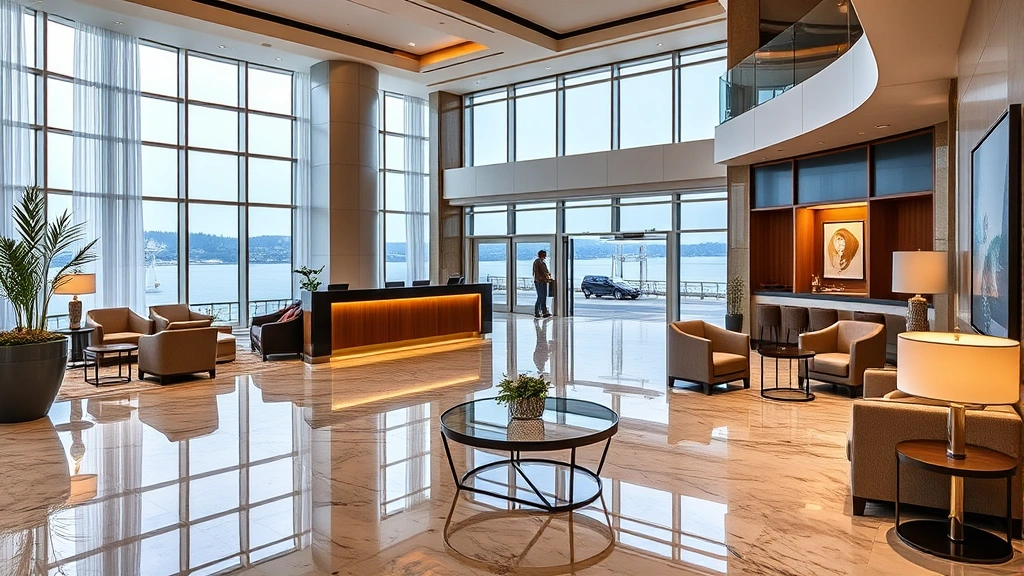
The Las Vegas hospitality sector undergoes continuous evolution, with major casino-resorts investing in property renovations, amenity upgrades, and experience innovations. Boutique hotels and alternative accommodations diversify the market, competing with traditional casino properties for visitor spending. Premium experiences, personalized service, and technological convenience increasingly differentiate hospitality offerings in competitive markets.
Labor challenges impact hospitality operations significantly, with workforce availability and wage pressures affecting service quality and operational costs. Hotels invest in employee training, workplace culture, and compensation packages competing for talent in tight labor markets. These staffing investments influence pricing strategies and service delivery models across the hospitality sector.
Convention and group business recovery drives midweek occupancy rates, creating consistent revenue streams for hotels and associated service providers. Corporate events, conferences, and large gatherings generate substantial ancillary spending in dining, entertainment, and retail venues, benefiting broader Las Vegas economy. The Market Rise Hub Blog regularly covers hospitality sector trends and investment opportunities affecting Las Vegas business landscape.
Small Business and Entrepreneurship Growth
Small business formation accelerates in Las Vegas, with entrepreneurs launching ventures across diverse sectors including service businesses, restaurants, retail, and professional services. The city’s lower cost structure relative to coastal markets, combined with diverse consumer base and tourism-driven demand, creates favorable conditions for small business success. However, competition from established chains and online retailers requires strategic differentiation and operational excellence.
Minority-owned and women-owned business development receives support through local organizations, government programs, and community initiatives promoting entrepreneurial opportunity. These business segments contribute significantly to Las Vegas economic diversity and community wealth building. Access to capital, business mentoring, and networking resources determine success rates for emerging entrepreneurs navigating competitive markets.
Food and beverage businesses thrive in Las Vegas, with restaurants, food trucks, and specialty food retailers finding receptive markets among diverse consumer segments. However, labor costs, rent pressures, and inventory management challenges require sophisticated operational planning. Successful restaurateurs leverage Las Vegas’s entertainment culture, creating unique dining experiences that generate word-of-mouth marketing and repeat customer loyalty.
Service-based businesses including cleaning, landscaping, home repair, and professional services experience consistent demand driven by residential population growth and visitor-related needs. These businesses often operate with lower capital requirements and can scale through franchising or team expansion models. Strategic business planning and stock market investment knowledge help service business owners build sustainable enterprises and plan for long-term wealth accumulation.
FAQ
What drives Las Vegas market dynamics differently than other U.S. markets?
Las Vegas market dynamics reflect unique tourism dependency, seasonal fluctuations, transient populations, and convention-driven demand patterns. Unlike traditional markets with stable residential bases, Las Vegas experiences pronounced visitor spending variations, creating opportunities and challenges distinct from regional markets. Economic diversification efforts reduce gaming dependency, but tourism remains central to market conditions.
How does population growth impact Las Vegas retail opportunities?
Rapid population growth expands residential retail demand, supporting neighborhood shopping centers, grocery stores, and service businesses serving local communities. However, retail saturation in certain categories and increased competition from online retailers require careful market analysis and differentiation strategies. Demographic analysis identifying underserved neighborhoods reveals emerging retail opportunities aligned with local preferences.
Which industries show strongest growth prospects in Las Vegas?
Technology, healthcare, professional services, and specialized manufacturing demonstrate strong growth potential. Hospitality and tourism-related businesses remain significant despite competitive pressures. Emerging sectors including renewable energy, entertainment tech, and digital media attract investment and talent, creating opportunities for supporting service providers and vendors.
How do seasonal fluctuations affect Las Vegas business planning?
Seasonal variations require sophisticated inventory management, staffing flexibility, and cash flow planning. Businesses successful in Las Vegas develop strategies addressing slow periods through promotions, operational adjustments, and revenue diversification. Understanding seasonal patterns specific to particular business types enables effective resource allocation and profitability management.
What role does real estate investment play in Las Vegas market strategy?
Real estate investment provides both operational locations for business expansion and wealth-building opportunities through property appreciation and rental income. Strategic property acquisitions in high-growth neighborhoods or emerging commercial districts position investors for long-term returns. However, market cycles, regulatory changes, and neighborhood dynamics require careful analysis before major investment commitments.